
 Save to Pinterest
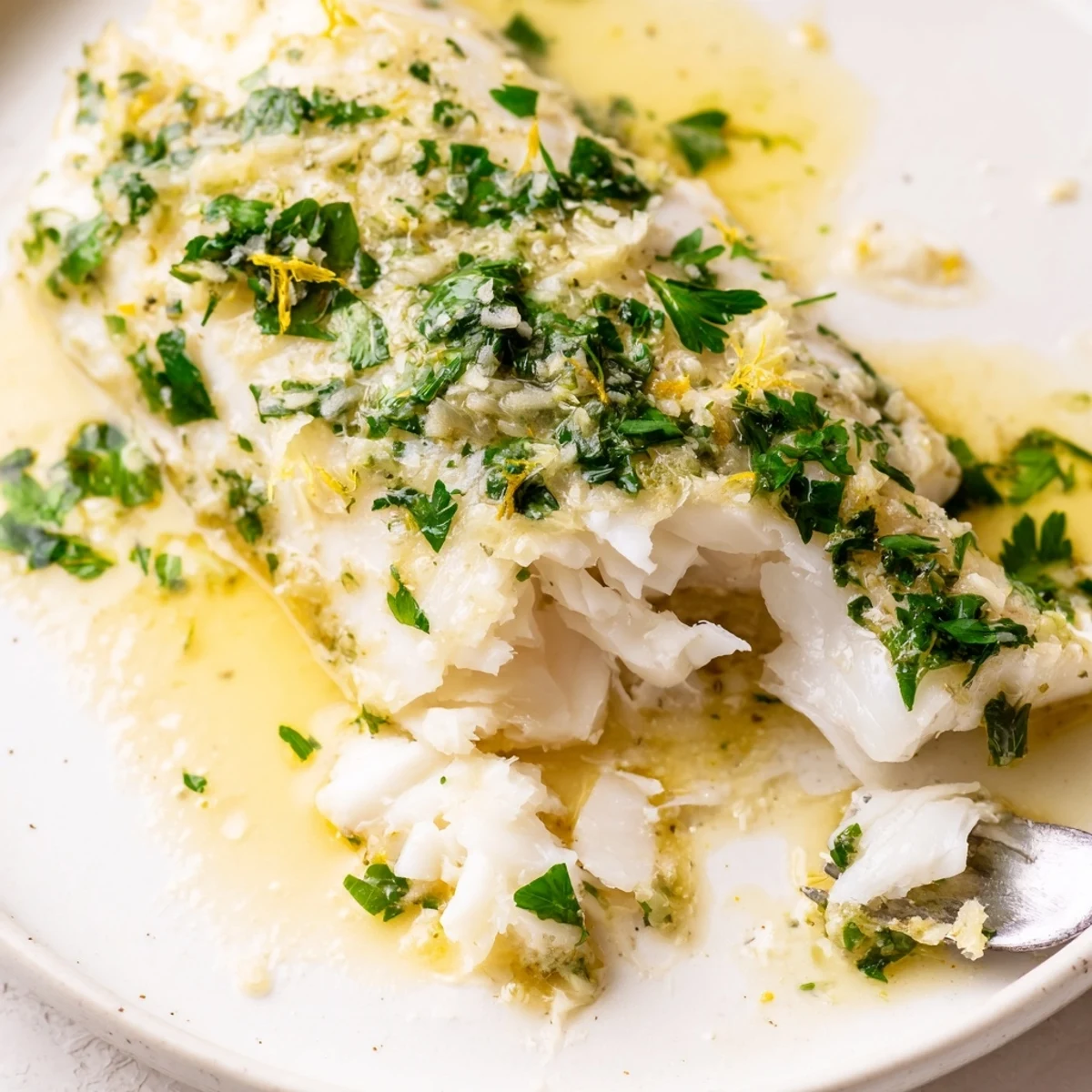
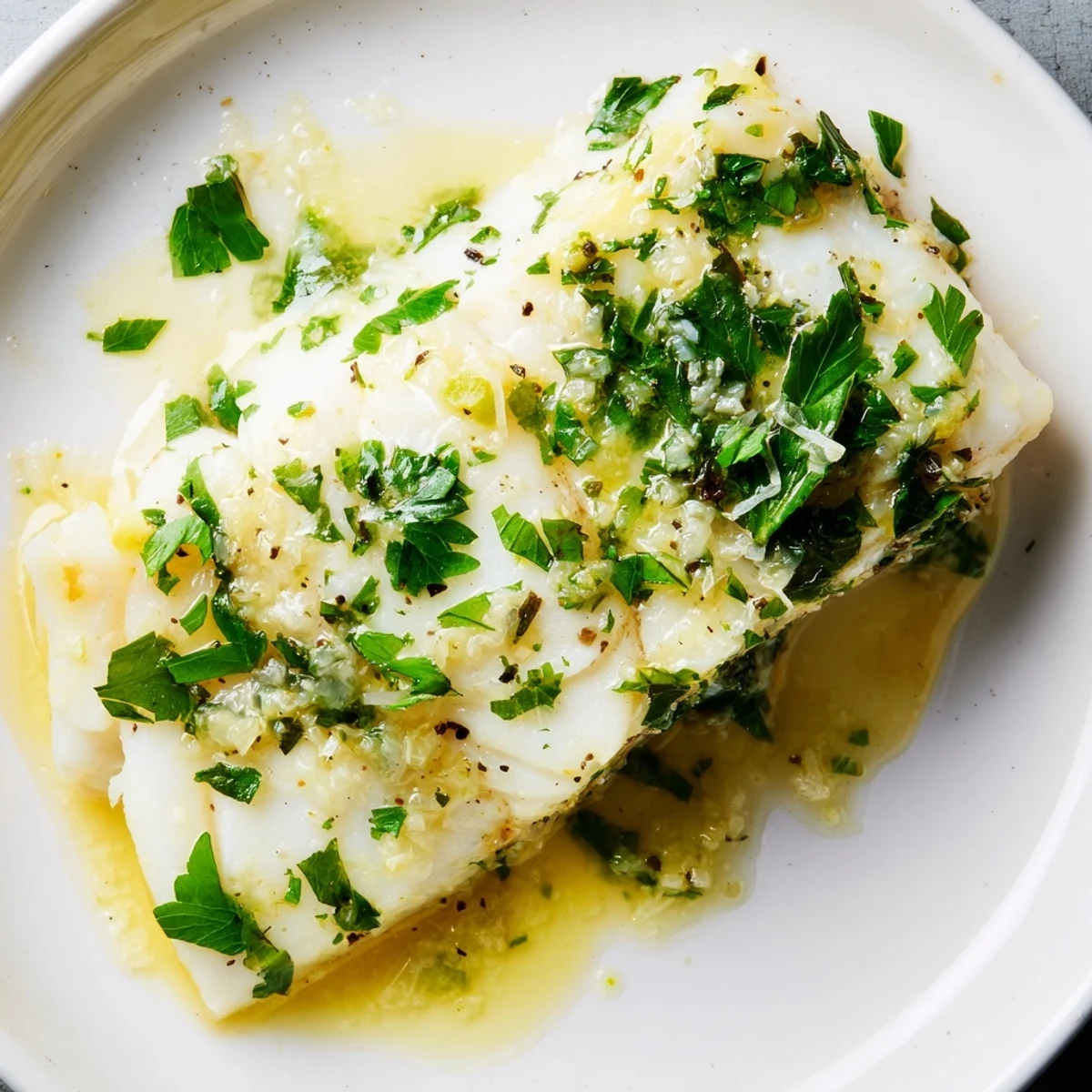
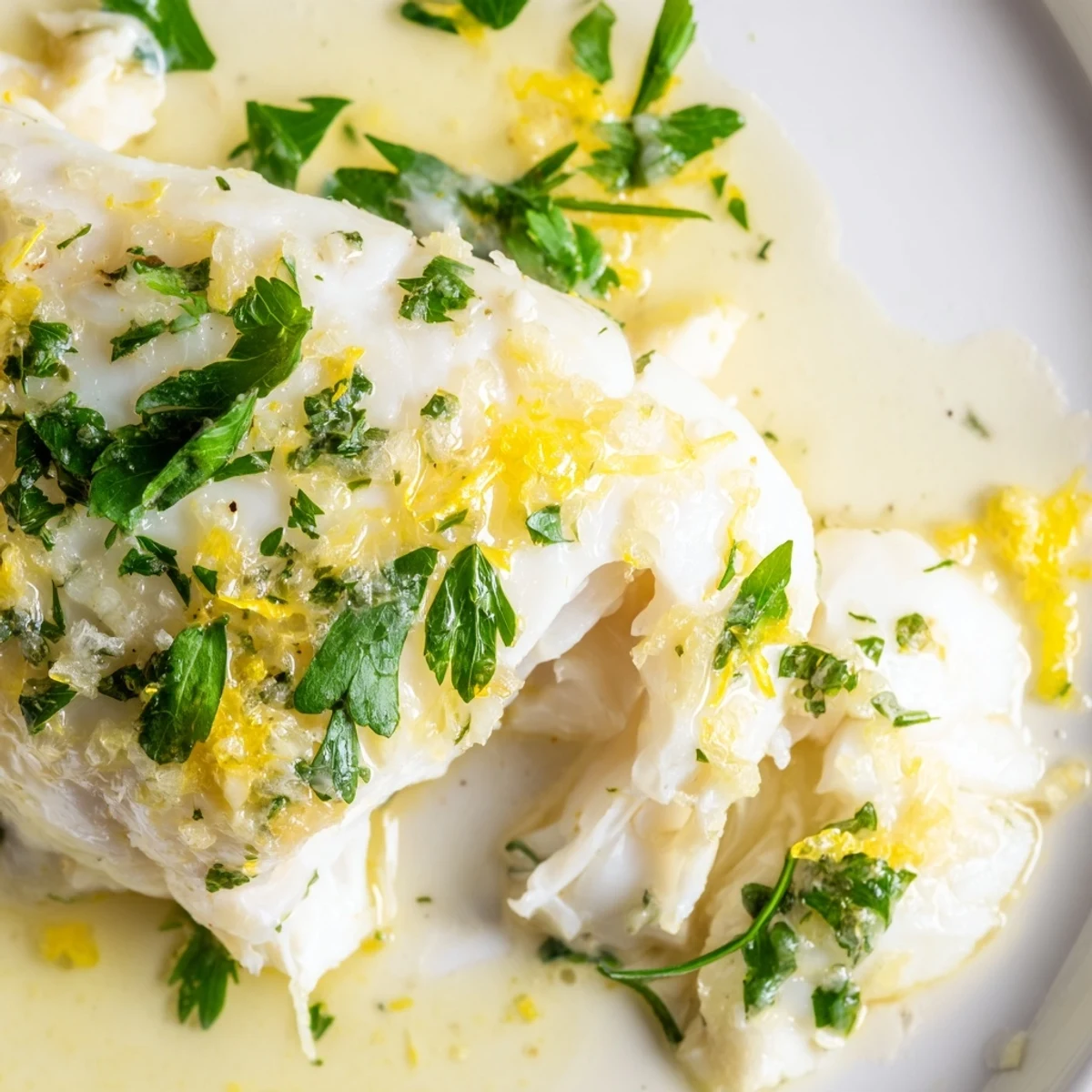
 Oven-baked halibut is prepared with simple seasonings and olive oil before being smothered in a melted garlic and lemon butter mixture. The dish cooks quickly at 400°F, resulting in flaky, tender fish. Finished with fresh parsley and optional lemon wedges, this American-style main course is gluten-free and perfect for a healthy weeknight meal.
There's something magical about the smell of butter and garlic hitting a hot oven—it fills the kitchen with this golden warmth that makes everyone pause and ask what's cooking. I discovered this halibut recipe on a Tuesday evening when I had friends coming over and absolutely nothing planned, and somehow these few ingredients transformed into something that felt far more impressive than the effort required. The fish stays impossibly tender, the butter turns into this silky sauce, and the whole thing comes together in less time than it takes to set the table. It became my go-to when I needed to feel confident in the kitchen without the stress.
I made this for my sister's birthday dinner when she was trying to eat healthier, and I remember her taking that first bite and actually closing her eyes—not in a polite way, but in genuine surprise that something this simple could taste so good. That's when I realized this recipe does something special: it respects the fish instead of overshadowing it, lets the butter do just enough talking, and somehow feels both comforting and elegant at the same time.
Ingredients
- Halibut fillets (4, about 6 oz each): Look for thick, creamy-white fillets with no browning or dryness on the edges—the quality of your fish here matters more than anywhere else in the recipe, so don't skip the good stuff.
- Olive oil (1 tablespoon): This is just enough to help the fish cook evenly and prevent sticking without making it feel heavy.
- Salt and black pepper: Season generously because fish needs it; don't be shy with the pepper either.
- Unsalted butter (4 tablespoons): Melted butter carries flavor better than cold butter, and using unsalted lets you control the salt.
- Garlic (3 cloves, minced): Fresh garlic releases its sweetness as it sits in the warm butter, so don't use powdered here—it changes the whole thing.
- Fresh lemon juice (1 tablespoon) and zest (1 teaspoon): The zest gives you those little bright bits, while the juice adds acidity that prevents the richness from becoming heavy.
- Fresh parsley (2 tablespoons): This feels like the final note that brings everything into focus—it's fresh and green and cuts through the richness beautifully.
Instructions
- Get your oven ready and prep the dish:
- Preheat to 400°F and line a baking dish with parchment paper—this small step means you'll never fight with stuck fish or spend twenty minutes scrubbing. If you don't have parchment, a light grease works fine too.
- Prepare the fish:
- Pat the halibut completely dry with paper towels because any moisture will steam the fish instead of letting it bake gently. Arrange the fillets in the dish, brush lightly with olive oil, and season both sides well with salt and pepper—this is your only chance to season the fish itself.
- Make the butter sauce:
- Whisk together the melted butter, minced garlic, lemon juice, and zest in a small bowl until everything is combined. The warmth of the melted butter will start releasing the garlic's flavor, so you'll smell it getting more fragrant as you work.
- Pour on the sauce:
- Spoon the garlic lemon butter evenly over each fillet, making sure the garlic gets distributed so no piece ends up without any. You want the sauce pooling slightly around the fish, not drowning it.
- Bake until flaky and tender:
- Pop it in the oven for 15 to 18 minutes—the fish is done when it's opaque and flakes gently with a fork, not when it starts to break apart. Thicker fillets might need a minute or two extra, so watch carefully toward the end.
- Finish and serve:
- Pull the pan from the oven, sprinkle with fresh parsley, and serve immediately while the butter is still silky and warm. A lemon wedge on the side lets people add brightness if they want it.
 Save to Pinterest
 My favorite moment with this recipe came when a guest who said she didn't usually like fish took a second helping and asked for it again the next week. That's when I understood—it's not really about becoming a fish person, it's about gentle cooking and letting good ingredients speak for themselves.
Why This Works Every Time
The magic here isn't complicated technique or fancy tricks—it's trusting that halibut already knows how to be delicious and just giving it the right environment. High heat, short timing, and a silky sauce that soaks in at the last second create something that tastes sophisticated without being fussy. Every time I make this, someone says "this tastes like restaurant food" and seems genuinely surprised that it came from my kitchen.
Making It Your Own
The beauty of this recipe is that it's flexible without losing its identity—you can shift the flavor in small ways that feel natural. Red pepper flakes add warmth without heat, a pinch of paprika brings earthiness, and dill works beautifully if you want to go in a different direction. I've even made it with thyme once when parsley wasn't in the house, and it was still wonderful.
Sides and Serving Ideas
The halibut itself is rich enough that you don't need much alongside it, but a few options make the meal feel complete without stealing the spotlight. Steamed green beans dressed with a little of the butter sauce work perfectly, roasted potatoes become special when they catch some of those pan drippings, and rice gives you something to soak up every drop. A crisp white wine—Sauvignon Blanc or even a light Chardonnay—sits quietly beside this without competing, and some crusty bread to finish the plate is honestly all you need.
- If you substitute cod or haddock, watch the timing closely since they cook faster and dry out more easily than halibut.
- Make extra garlic lemon butter and drizzle it over your vegetables—this sauce makes everything better.
- Serve immediately because the fish stays best when warm and the butter is still glossy.
 Save to Pinterest
 This recipe lives in that perfect space between simple enough for Tuesday and impressive enough for guests, which is why it keeps making its way back onto my table. Once you make it, you'll understand why butter, garlic, lemon, and good fish are all you really need.
Recipe Questions & Answers
- → How do I know when the halibut is fully cooked?
-
The halibut is ready when it turns opaque throughout and flakes easily with a fork. Thicker cuts may need an extra minute or two in the oven.
- → Can I substitute halibut with another type of fish?
-
Yes, white fish varieties like cod or haddock are excellent substitutes. They have a similar texture and will absorb the garlic lemon butter flavor well.
- → Is this main dish gluten-free?
-
This dish is naturally gluten-free as long as you ensure all your seasonings and sides are certified gluten-free.
- → What temperature should the oven be set to?
-
Preheat your oven to 400°F (200°C) for the best results. This high heat ensures the fish bakes quickly while remaining tender.
- → How can I make this dairy-free?
-
Substitute the unsalted butter with a high-quality vegan butter alternative to maintain the richness without dairy.
