
 Save to Pinterest
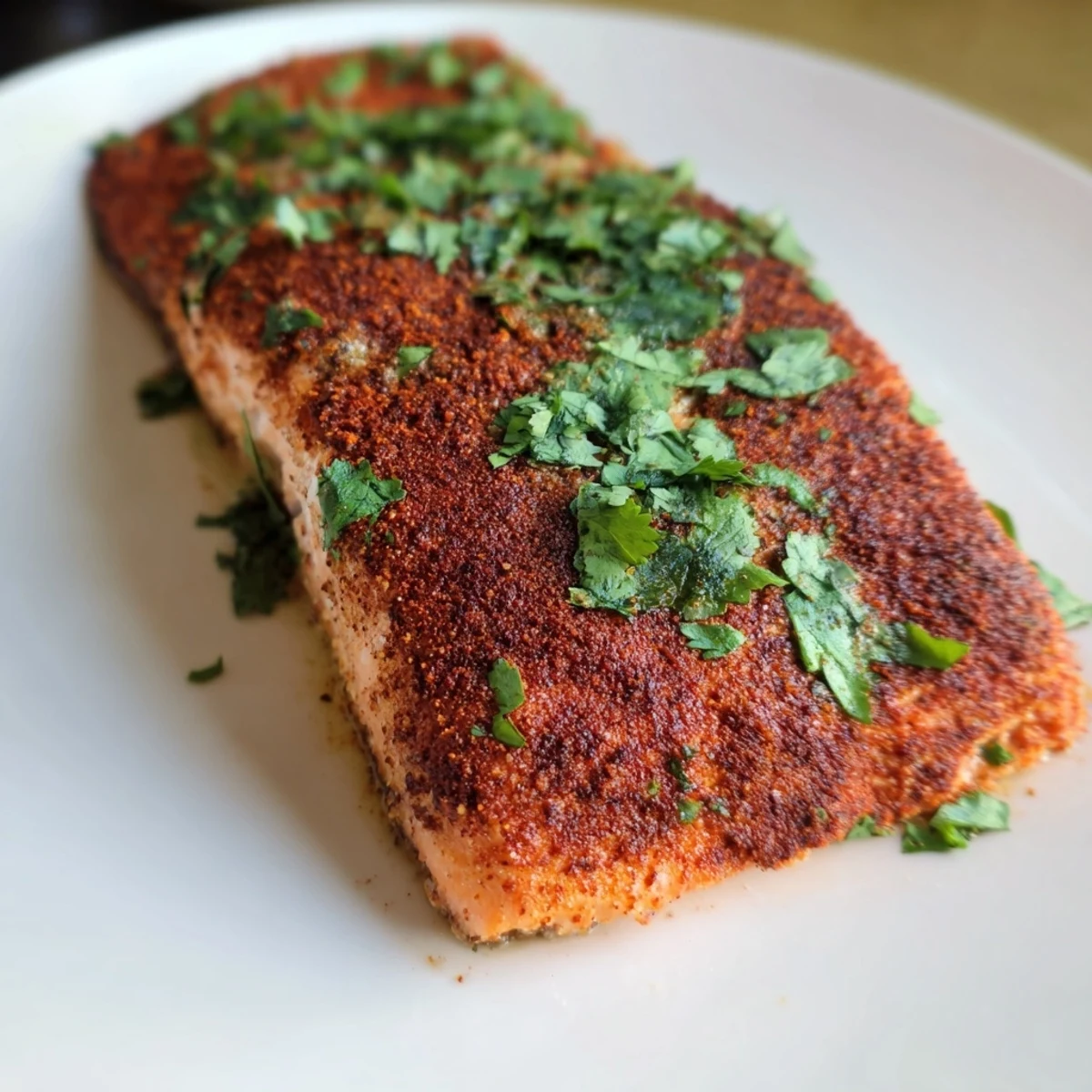
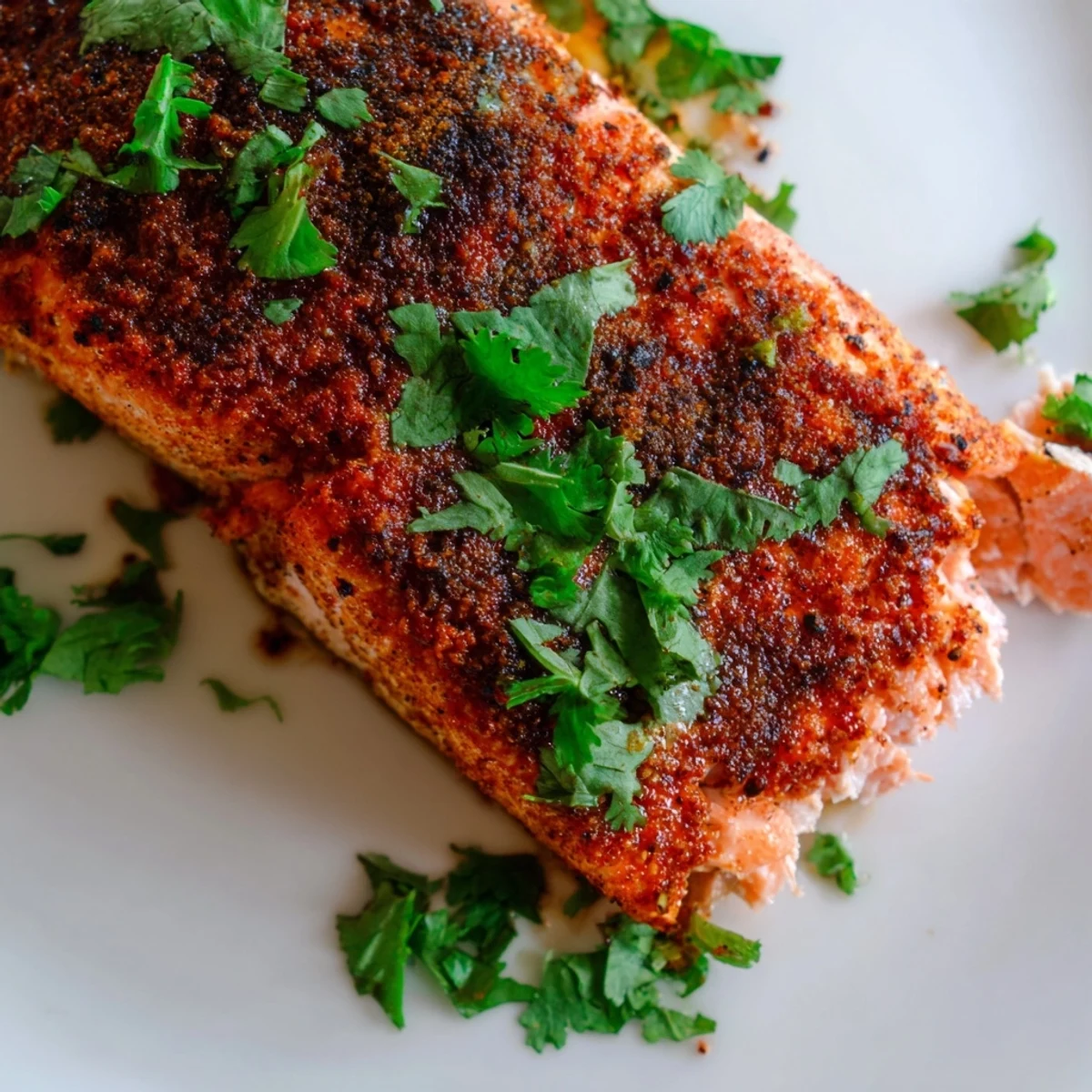
 This baked salmon features a bold Cajun spice blend balanced by fresh lime juice for a vibrant touch. Simply coated with olive oil and spices, then oven-cooked until flaky and tender. Perfect for a quick, healthy meal, it pairs wonderfully with steamed rice or roasted vegetables. Garnishing with citrus slices and herbs adds freshness and visual appeal. Suitable for gluten-free and low-carb diets.
My neighbor knocked on my kitchen door one evening with a bag of wild salmon he'd just caught, and I had maybe twenty minutes before dinner guests arrived. I remembered a Cajun spice blend sitting in my cabinet from a New Orleans trip, grabbed a lime from the fruit bowl, and threw together what became my go-to salmon recipe. That night, the smell of toasted spices and citrus filling the kitchen felt like magic—and it still does every time I make it.
I'll never forget feeding this to my partner's parents, who were skeptical about fish until they took that first bite and went completely quiet. That silence meant everything—they asked for seconds, and I realized that sometimes the simplest dishes made with confidence are the ones people remember.
Ingredients
- Salmon fillets (4, about 170 g each): Skin-on or skinless, whatever you prefer—the skin crisps up beautifully if you leave it on, but there's no shame in taking it off if that's your style.
- Olive oil (2 tbsp): This carries all your spices directly onto the fish, so use something you actually like tasting.
- Cajun seasoning (2 tbsp): Store-bought works perfectly, though you can blend your own with paprika, cayenne, garlic powder, and a pinch of thyme if you're feeling adventurous.
- Salt (1/2 tsp) and black pepper (1/4 tsp): These are your safety net in case the Cajun blend needs a gentle hand.
- Limes (2 whole): One gets squeezed over the fish before baking, and the other slices into pretty little wheels for the plate.
- Fresh cilantro or parsley (2 tbsp, chopped): Optional, but the green color and fresh bite at the end feel like a small celebration.
Instructions
- Get your oven ready:
- Preheat to 200°C (400°F) and line a baking tray with parchment paper or give it a light oil. This prevents sticking and makes cleanup feel like less of a chore.
- Dry your salmon:
- Pat the fillets completely dry with paper towels—this one step makes the difference between salmon that steams and salmon that actually cooks. Lay them skin-side down on your prepared tray.
- Make your spice paste:
- Mix olive oil, Cajun seasoning, salt, and pepper in a small bowl until it looks like wet sand. Brush or rub this mixture over the top and sides of each fillet, getting into every corner.
- Squeeze the lime:
- Cut your first lime in half and squeeze the juice evenly over all the salmon. Don't be shy—this juice will mingle with the spices and create something delicious.
- Bake with intention:
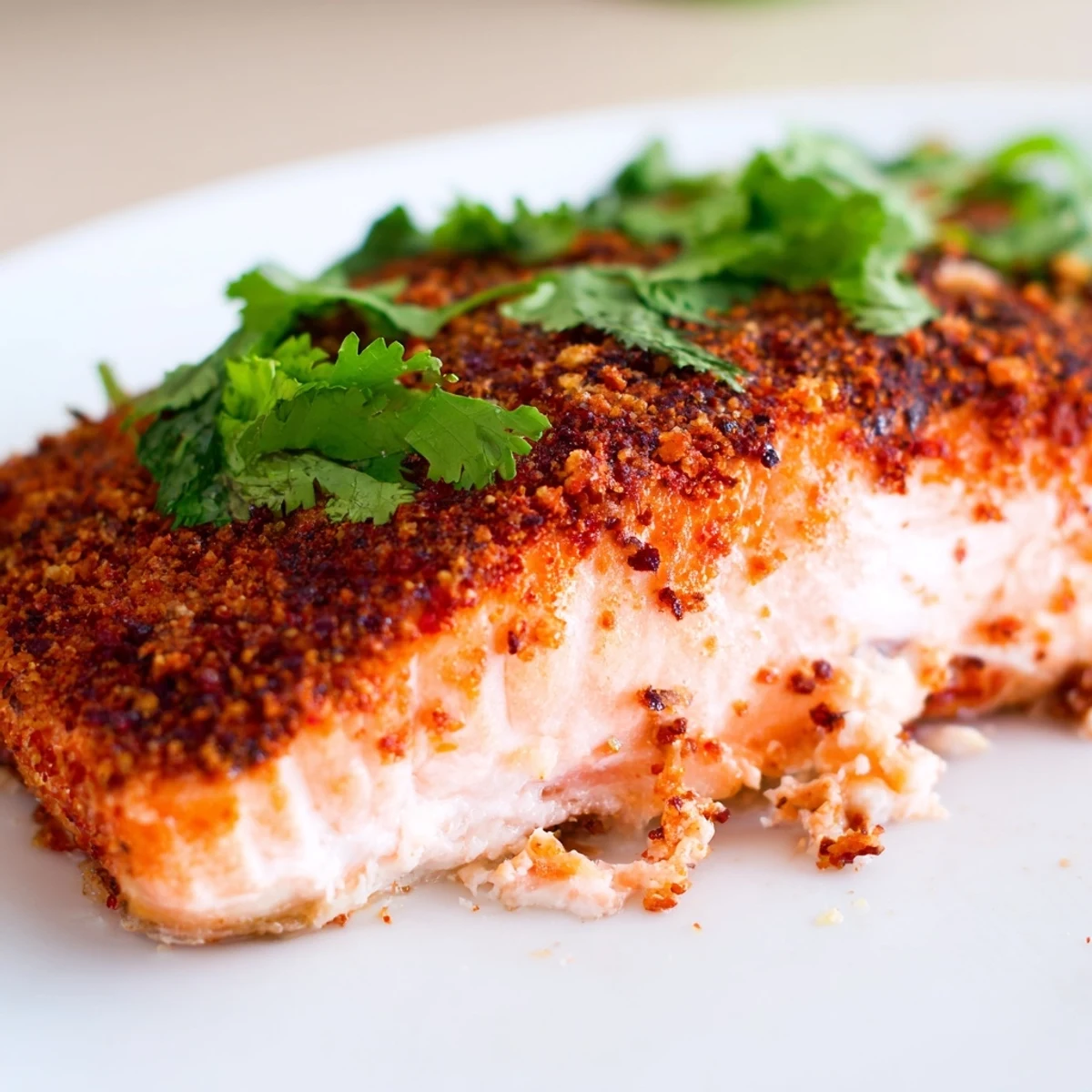
- Slide the tray into your oven for 12 to 15 minutes, watching for the moment when the flesh flakes easily with a fork and the center looks just opaque, not translucent. That's your signal it's done.
- Finish with flair:
- Slice your second lime into thin rounds and scatter them over the hot salmon along with the cilantro or parsley if you're using it. This final touch tastes as good as it looks.
 Save to Pinterest
 There's a quiet moment that happens about halfway through the baking when your kitchen fills with that warm, spiced aroma and you know dinner is going to be good. That's when I usually pour a glass of something cold and remind myself that cooking doesn't have to be complicated to feel like an accomplishment.
Picking Your Salmon
The quality of your salmon matters more than you might think, and it doesn't have to mean spending a fortune at a fancy fishmonger. A good piece of salmon should smell like the ocean, not like fish past its prime—fresh should mean a clean, slightly briny scent that makes you want to cook it right away. If you can choose between wild-caught and farmed, I lean toward wild when the budget allows, but honestly, a well-seasoned and perfectly-cooked farmed salmon beats an overcooked wild one every single time.
Cajun Seasoning: Store-Bought vs. Homemade
I keep a tin of store-bought Cajun seasoning in my pantry because sometimes you just want to cook, not prep, and there's nothing wrong with that. But if you find yourself making this recipe regularly and want to dial in the flavors, mixing your own is surprisingly simple and takes about two minutes. Paprika, garlic powder, onion powder, cayenne pepper, dried thyme, and a little salt combined in a jar become something you'll reach for constantly.
Make It Your Own
This recipe is a foundation, not a rule, and the best meals come from tweaking things to match what you actually like. I've added smoked paprika for depth, a touch of honey to balance the spice, and even a sprinkle of everything bagel seasoning when I was feeling experimental. The lime is negotiable too—lemon works beautifully, and orange juice brings a different sweetness that some people prefer.
- Add lime zest directly to your spice mixture for an extra citrus punch that stays in every bite.
- Serve alongside roasted vegetables or steamed rice to soak up all those beautiful juices.
- Leftovers are wonderful cold the next day, flaked into a salad or tucked into a simple sandwich.
 Save to Pinterest
 This salmon has fed friends, family, and even some skeptics who thought they didn't like fish until they tasted this version. I hope it becomes one of those recipes you make without thinking, the one you turn to when you need something that feels both effortless and special.
Recipe Questions & Answers
- → What type of salmon is best for baking?
-
Fresh or thawed salmon fillets, skin on or off depending on preference, work well for even cooking and moist results.
- → How do I adjust the spice level of the Cajun seasoning?
-
Use less Cajun seasoning or opt for a mild blend to reduce heat while keeping flavor balanced.
- → Can I prepare this dish ahead of time?
-
Yes, you can season the salmon in advance and bake just before serving to retain freshness and texture.
- → What sides complement this baked salmon?
-
Steamed rice, roasted vegetables, or a crisp green salad pair beautifully with the bold flavors.
- → Is this suitable for gluten-free diets?
-
Yes, ensure Cajun seasoning is gluten-free and all ingredients meet dietary needs.
- → How long should the salmon bake?
-
Bake 12 to 15 minutes at 200°C (400°F) until salmon flakes easily with a fork.
