
 Save to Pinterest
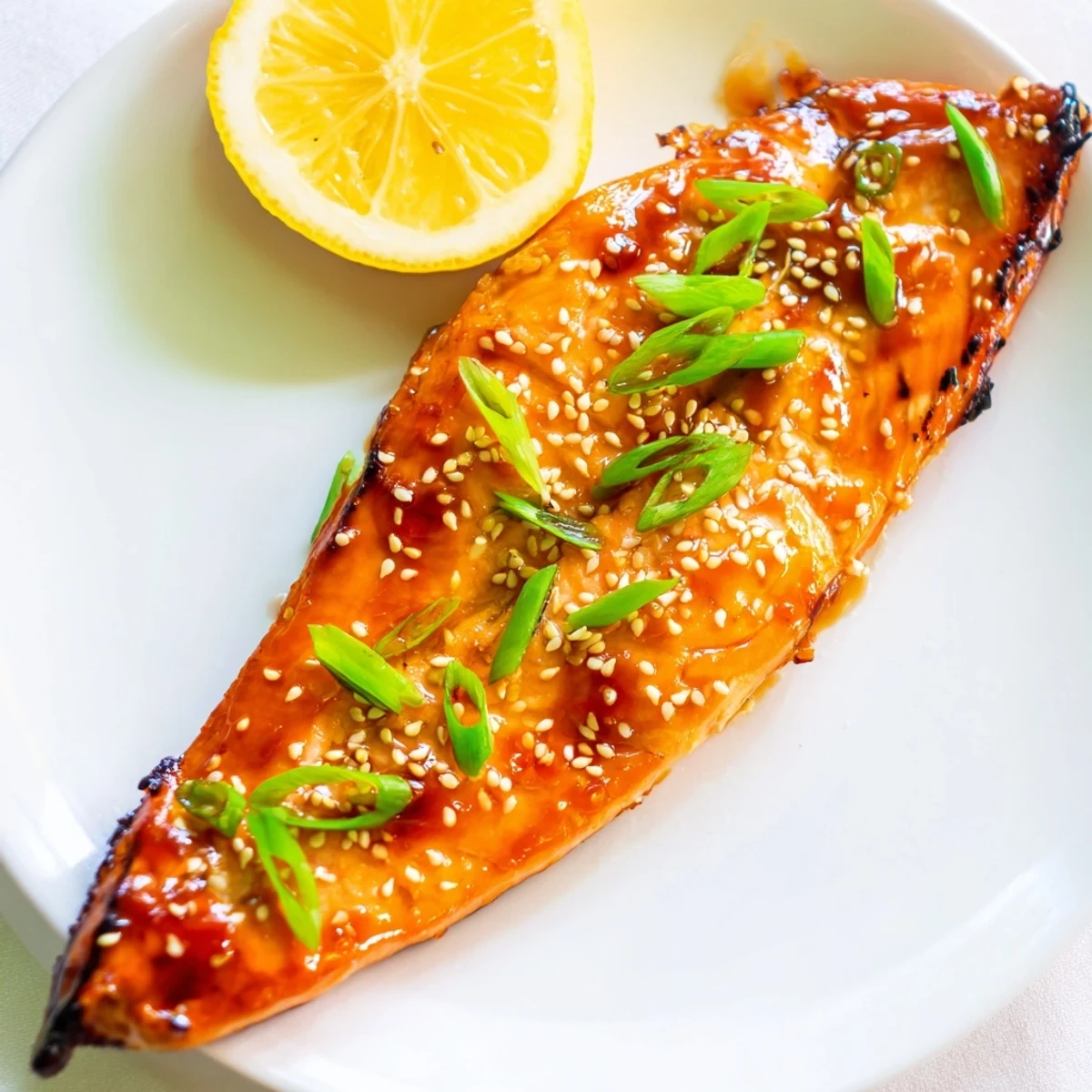
 This dish features oven-baked salmon fillets brushed generously with a homemade teriyaki glaze combining soy sauce, honey, garlic, and ginger. The salmon is seasoned lightly with olive oil, salt, and pepper before baking at 400°F until flaky and tender. The glaze thickens on the stovetop and is applied during baking, with optional broiling for caramelization. Garnished with toasted sesame seeds, green onions, and lemon wedges, it pairs well with steamed rice or vegetables for a balanced and easy weeknight dinner.
I was running late on a Tuesday and had salmon thawing on the counter with no real plan. I tossed together soy sauce, honey, and whatever was in the pantry, brushed it over the fillets, and slid them into the oven. Twenty minutes later, the kitchen smelled like a restaurant, and my family thought I'd been planning it all day.
The first time I made this for guests, I was nervous about timing. I pulled the salmon out just as it turned opaque and flaky, drizzled the extra glaze over the top, and watched everyone go quiet as they took their first bite. One friend asked if I'd ordered it in secret.
Ingredients
- Salmon fillets: Skin-on or skinless both work, but skin-on helps the fish hold together and crisps up nicely if you broil it at the end.
- Olive oil: Just enough to keep the fish from sticking and to help the seasoning cling to the surface.
- Soy sauce: Low sodium is best so you can control the saltiness, and tamari works perfectly if you need it gluten-free.
- Honey: This is what gives the glaze its shine and slight sweetness, but maple syrup is a great swap if you want to avoid refined sugar.
- Brown sugar: Adds depth and helps the glaze thicken and caramelize under heat.
- Rice vinegar: Cuts through the sweetness with a gentle tang that balances the whole sauce.
- Mirin: Optional, but it adds a subtle sweetness and authentic teriyaki flavor if you have it on hand.
- Sesame oil: A small amount goes a long way, bringing that toasty, nutty aroma that makes the dish smell incredible.
- Garlic and ginger: Freshly minced and grated, these two are the backbone of the glaze and fill your kitchen with warmth.
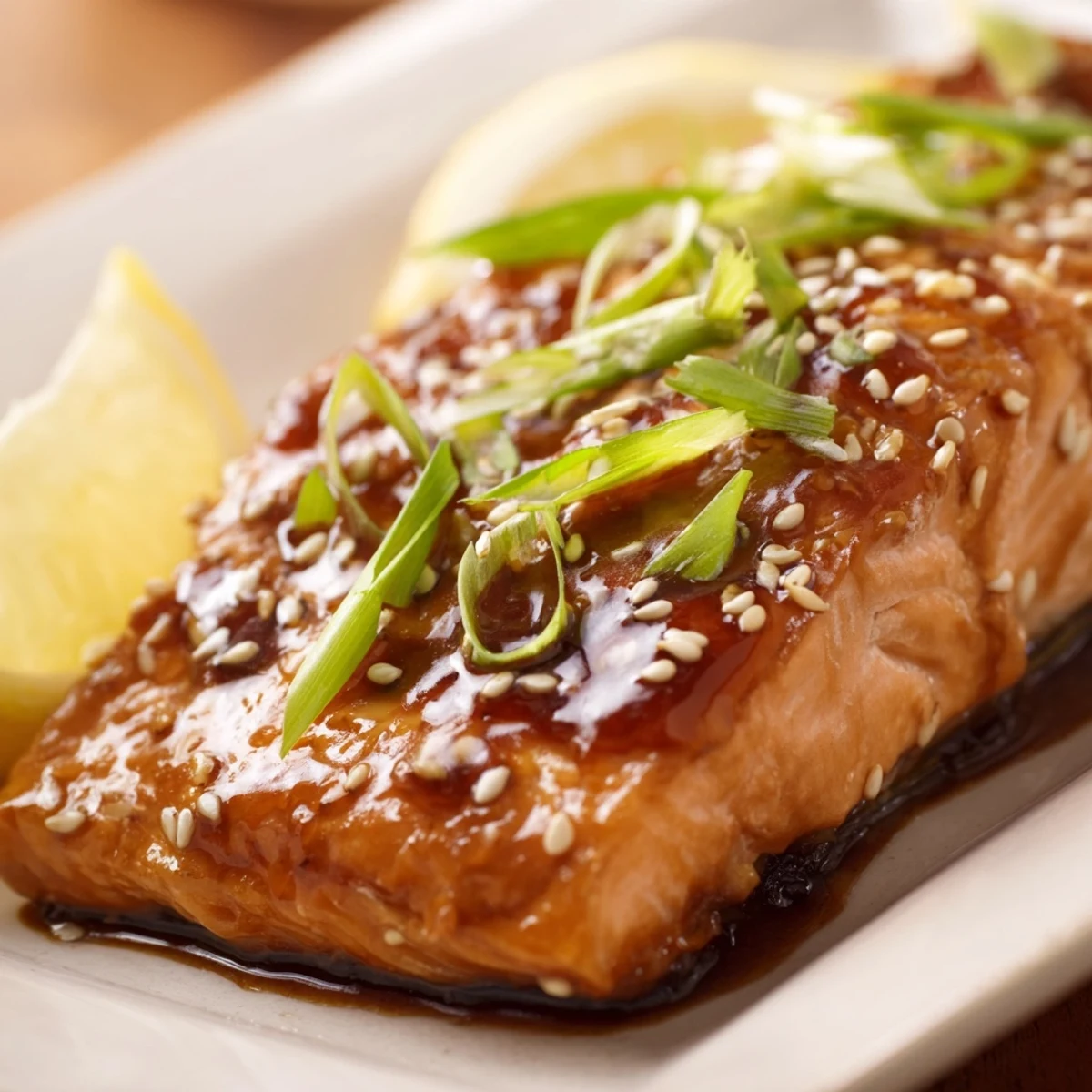
- Cornstarch slurry: This is the trick to getting a thick, glossy glaze that clings to the salmon instead of running off.
- Sesame seeds and green onions: Optional, but they add crunch, color, and a fresh finish that makes the plate look polished.
Instructions
- Prep the oven and salmon:
- Preheat your oven to 400°F and line a baking sheet with parchment paper. Pat the salmon fillets dry with a paper towel, rub them lightly with olive oil, and season both sides with salt and pepper before placing them skin-side down on the sheet.
- Make the teriyaki glaze:
- In a small saucepan, combine soy sauce, honey, brown sugar, rice vinegar, mirin, sesame oil, garlic, and ginger. Bring it to a gentle simmer over medium heat, stirring occasionally until the sugar dissolves and the kitchen smells amazing.
- Thicken the sauce:
- Mix the cornstarch with cold water in a small bowl to make a smooth slurry, then stir it into the simmering sauce. Let it cook for 2 to 3 minutes, stirring constantly, until it thickens and coats the back of a spoon.
- Glaze the salmon:
- Use a pastry brush to generously coat each fillet with the teriyaki glaze, making sure to cover the top and edges. Set aside some glaze in a small bowl for drizzling later.
- Bake the salmon:
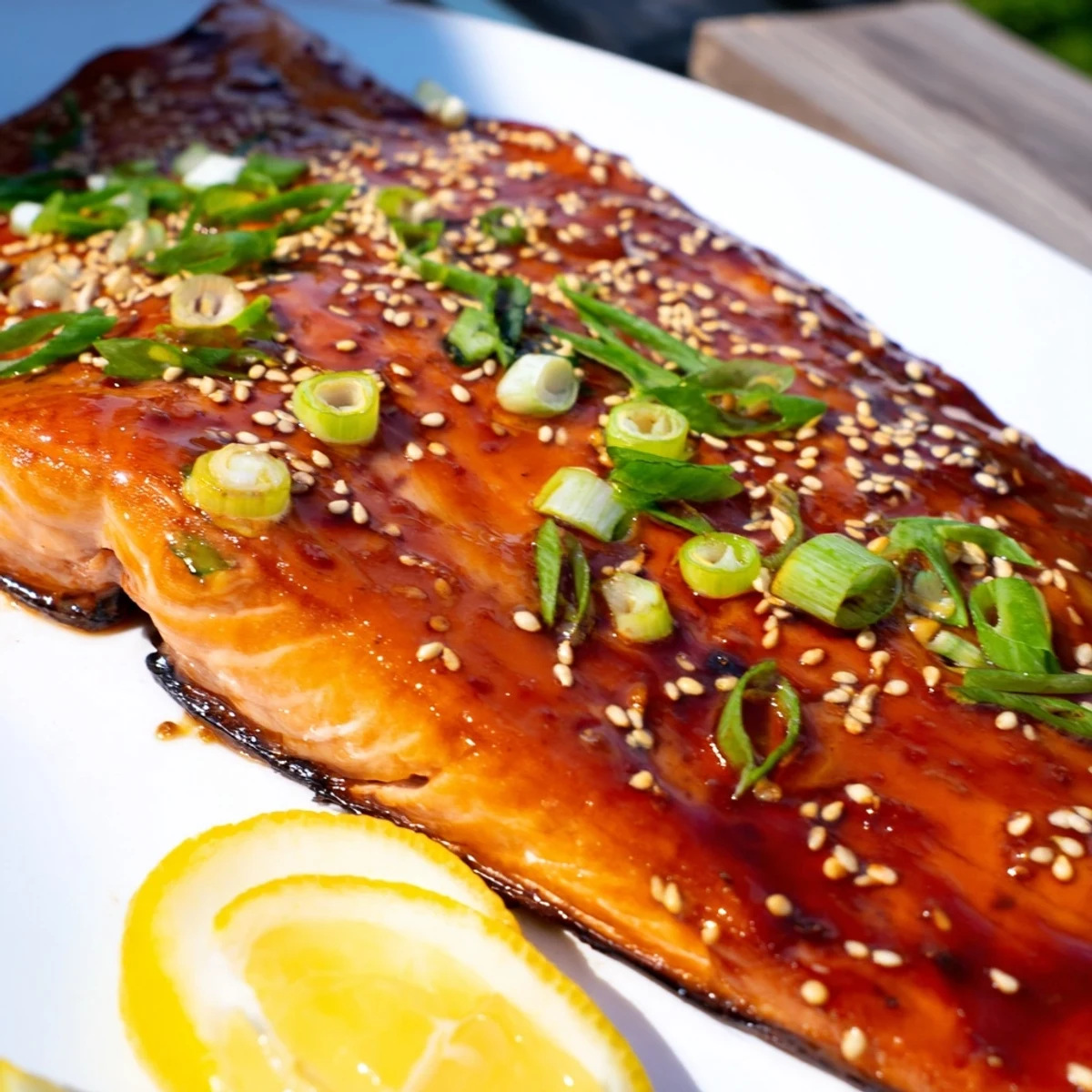
- Slide the baking sheet into the oven and bake for 12 to 15 minutes, or until the salmon is just cooked through and flakes easily with a fork. If you want a caramelized, slightly charred top, switch the oven to broil for 1 to 2 minutes at the end.
- Serve and garnish:
- Transfer the salmon to plates, drizzle with the reserved glaze, and sprinkle with toasted sesame seeds and sliced green onions. Serve with lemon wedges on the side for a bright, fresh finish.
 Save to Pinterest
 I remember serving this on a rainy evening with a big bowl of steamed rice and roasted broccoli. My kids, who usually pick at fish, scraped their plates clean and asked if we could have it again the next week. That was when I knew this recipe was a keeper.
What to Serve With It
This salmon pairs beautifully with steamed jasmine rice, which soaks up the extra glaze, or a crisp green salad with sesame dressing. Ive also served it over soba noodles or alongside sautéed bok choy and snap peas for a complete, balanced meal that feels light but satisfying.
Storage and Reheating
Leftover salmon keeps well in an airtight container in the fridge for up to three days. Reheat it gently in a low oven or enjoy it cold, flaked over a salad or mixed into fried rice. The glaze stays sticky and flavorful even after a day or two.
Variations and Swaps
You can easily make this recipe your own by swapping honey for maple syrup or agave, or by adding a pinch of chili flakes or sriracha to the glaze for heat. Ive also used this same glaze on chicken thighs and tofu with great results.
- Use tamari instead of soy sauce to make it gluten-free.
- Skip the mirin if you dont have it, the glaze will still be delicious.
- Try brushing the glaze on grilled salmon for a smoky twist.
 Save to Pinterest
 This recipe has become my go-to for nights when I want something special without the stress. I hope it brings the same warmth and ease to your table.
Recipe Questions & Answers
- → What type of salmon is best for baking?
-
Fresh or frozen salmon fillets, skin-on or skinless, work well; skin-on helps retain moisture during baking.
- → How can I thicken the teriyaki glaze?
-
Mix cornstarch with cold water and stir it into the simmering sauce until thickened, usually within a few minutes.
- → Can I make the glaze gluten-free?
-
Yes, substitute tamari or gluten-free soy sauce for regular soy sauce in the glaze.
- → What sides complement this dish?
-
Serve with steamed rice, sautéed vegetables, or a fresh green salad to balance the flavors and textures.
- → How do I get a caramelized top on the salmon?
-
After baking, broil the salmon for 1-2 minutes to achieve a caramelized and slightly crispy glaze top.
