
 Save to Pinterest
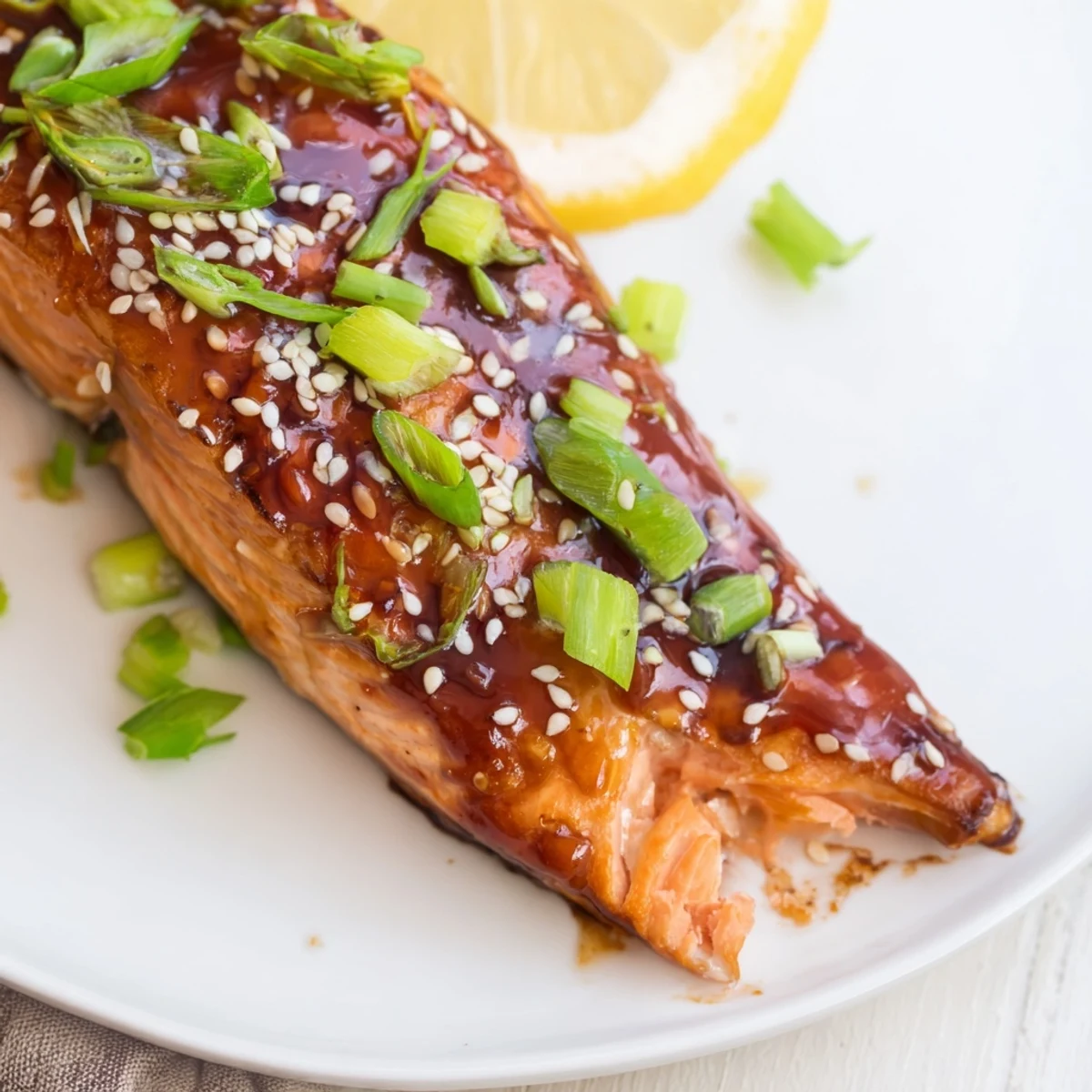
 This dish presents tender salmon fillets baked to flaky goodness, richly coated in a glossy teriyaki glaze. The glaze blends soy sauce, honey, ginger, and garlic, delivering a harmonious balance of sweet and savory notes. Garnished with green onions and sesame seeds, it offers both pleasing textures and flavors. Perfect for an easy and elegant main course, the salmon pairs beautifully with steamed rice and greens.
The cooking process involves simmering a mixture of soy sauce, honey, rice vinegar, and aromatics until thickened, then brushing it generously over the fillets before and after baking. The end result is a moist, flavorful fish with a caramelized finish. Optional broiling adds extra glaze caramelization for enhanced depth.
The smell of ginger hitting hot sesame oil always stops me in my tracks, no matter what room I'm in. This teriyaki salmon recipe came together on a Tuesday night when I needed something impressive but had zero energy for complicated techniques. Now it's my go-to when friends say they're 'just stopping by' because it looks restaurant-worthy but takes barely any active time.
Last summer my sister visited and watched me make this, quietly taking notes on her phone. Three days later she texted me a photo of her version with the caption 'I cooked fish and nobody died' followed by 'actually, it was amazing.' That's when I knew this recipe was a keeper for people who think they can't cook seafood.
Ingredients
- 4 salmon fillets (6 oz each): Skin-on holds together better but skinless works too, just handle gently when brushing with glaze
- 1/4 cup low-sodium soy sauce: Regular soy sauce makes the glaze too salty, so stick with low-sodium for balanced flavor
- 2 tbsp honey or maple syrup: Honey gives a classic glaze, while maple adds subtle depth both work beautifully
- 1 tbsp rice vinegar: This brightens all the rich flavors and prevents the glaze from being cloyingly sweet
- 1 tbsp mirin (optional): Adds authentic Japanese sweetness but won't break the recipe if you skip it
- 1 tbsp fresh ginger, grated: Fresh makes a huge difference here, don't try to substitute ground ginger
- 2 cloves garlic, minced: Mince it finely so no one bites into big raw garlic pieces
- 1 tsp toasted sesame oil: Toasted is key here, regular sesame oil doesn't have that deep nutty aroma
- 1 tsp cornstarch mixed with 2 tsp water: This slurry transforms the thin sauce into a glossy coating that actually clings to the salmon
- 2 green onions, sliced: These add fresh crunch and color against the shiny glaze
- 1 tsp toasted sesame seeds: Toast them in a dry pan for 2 minutes first if they're raw
- Lemon wedges: A squeeze right before serving cuts through the richness beautifully
Instructions
- Get your oven ready:
- Preheat to 400°F and line a baking sheet with parchment paper, which makes cleanup effortless and prevents sticking
- Make the glaze base:
- Combine soy sauce, honey, rice vinegar, mirin, ginger, garlic, and sesame oil in a small saucepan over medium heat
- Thicken it up:
- Stir in your cornstarch slurry and let it bubble for 1 to 2 minutes until it coats the back of a spoon, then remove from heat
- Prep the salmon:
- Arrange fillets skin-side down on your prepared baking sheet and brush them generously with half the teriyaki glaze
- Bake to perfection:
- Slide into the oven for 12 to 15 minutes until the fish flakes easily with a fork but still looks moist inside
- Finish with flair:
- Brush the remaining glaze over the hot salmon, then scatter with green onions and sesame seeds before serving
 Save to Pinterest
 My neighbor smelled this cooking through our shared wall and actually knocked on my door to ask what I was making. We ended up eating together on my back porch, and she admitted she'd always been intimidated by salmon until that night. Food has a way of bringing people together like that.
Making It Gluten-Free
Swap regular soy sauce for tamari or a certified gluten-free brand and this recipe becomes completely safe for gluten-free guests. I keep a bottle of tamari specifically for this dish since so many people are avoiding gluten these days.
Getting That Restaurant Caramelization
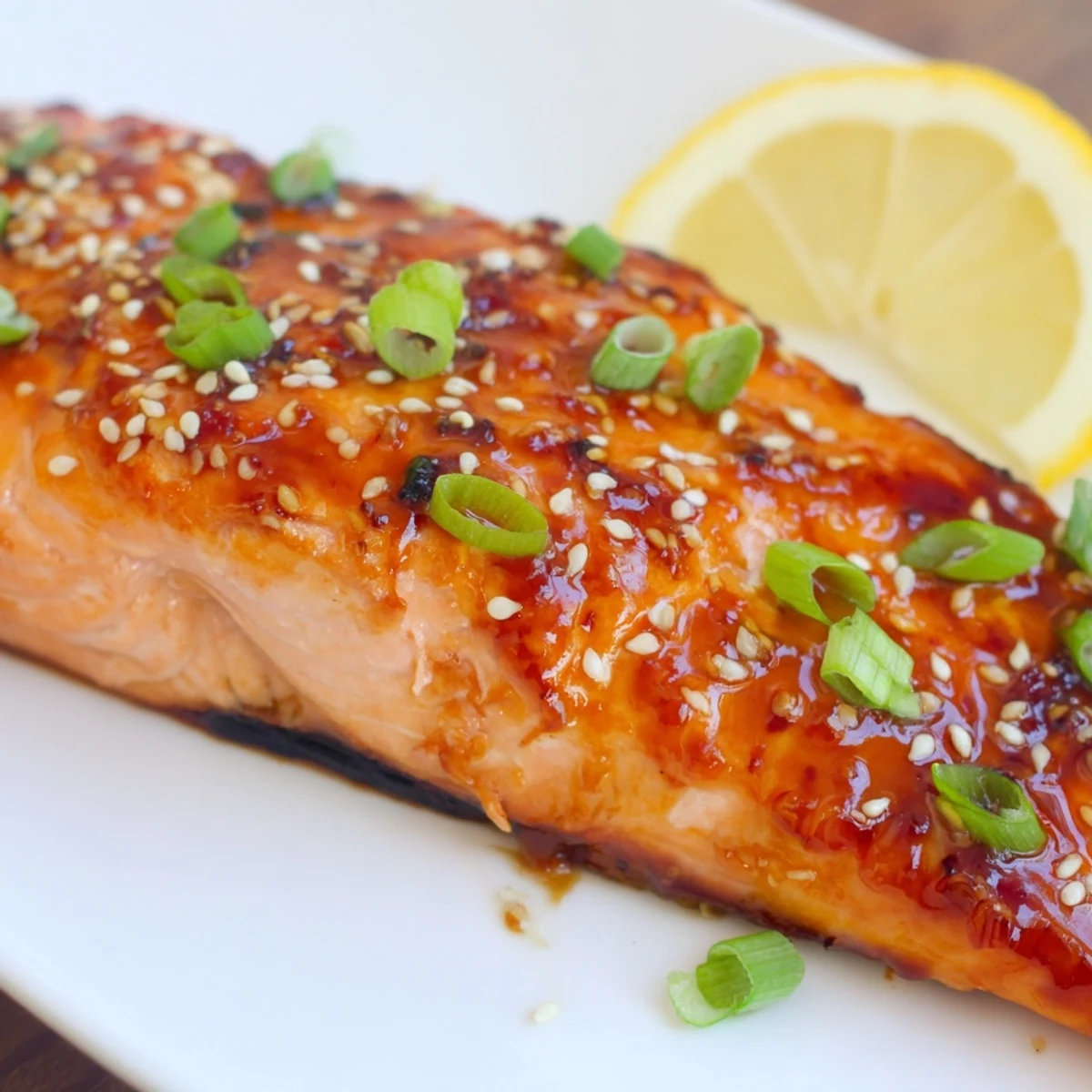
For those gorgeous charred edges you see in restaurants, switch to broil for just the last 2 minutes of baking. Watch it like a hawk though, the sugar content in the glaze means it goes from perfect to burned faster than you'd expect.
Serving Suggestions That Make It A Meal
Steamed jasmine rice soaks up the extra glaze beautifully, or try cauliflower rice for a lighter option. Sautéed bok choy with garlic makes a perfect vegetable side and comes together in the same amount of time as the salmon.
- Cook extra glaze to drizzle over rice or vegetables
- Serve with pickled ginger for a sushi bar vibe
- Keep a bottle of sriracha handy for guests who want heat
 Save to Pinterest
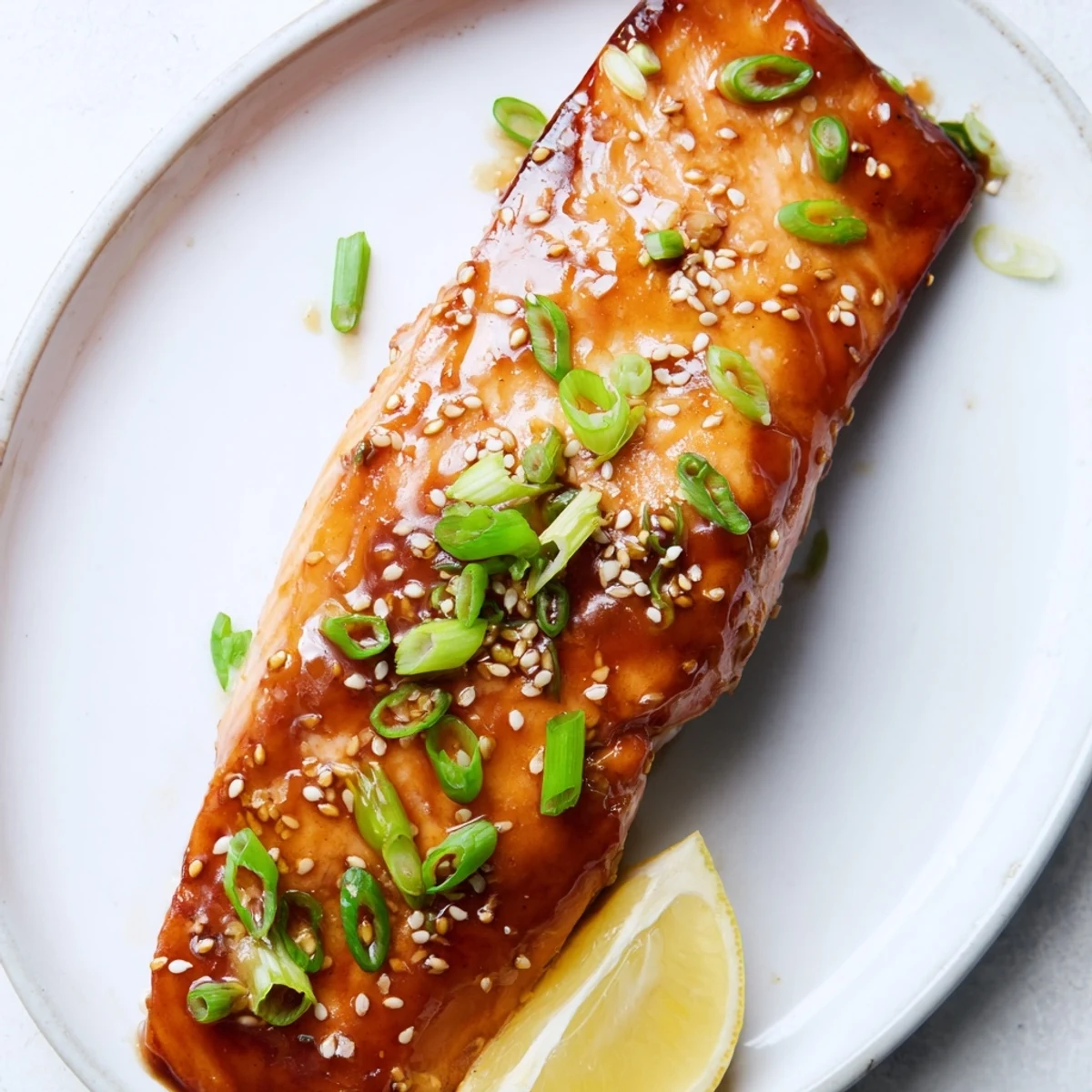
 This recipe has become my backup plan for every dinner party and casual weeknight alike. There's something about that sticky, sweet-and-salty glaze that makes people ask for seconds before they've even finished their first serving.
Recipe Questions & Answers
- → What type of fish is best for this dish?
-
Salmon fillets, either skin-on or skinless, work best due to their firm texture and rich flavor that complements the teriyaki glaze.
- → Can I make the teriyaki glaze gluten-free?
-
Yes, substituting regular soy sauce with tamari or certified gluten-free soy sauce makes the glaze suitable for gluten-free diets.
- → How do I achieve a thick teriyaki glaze?
-
Simmer the mixture of soy sauce, honey, ginger, and other ingredients, then add a cornstarch slurry to thicken it until glossy and smooth.
- → Is it necessary to brush the glaze twice?
-
Brushing the glaze before and after baking ensures the salmon absorbs the flavors and gets a shiny, flavorful finish.
- → What garnishes enhance this dish?
-
Finely sliced green onions and toasted sesame seeds add fresh, nutty notes and a pleasing texture contrast.
- → Can I use maple syrup instead of honey?
-
Yes, maple syrup is a great alternative that maintains the glaze's balance of sweetness and depth.
