
 Save to Pinterest
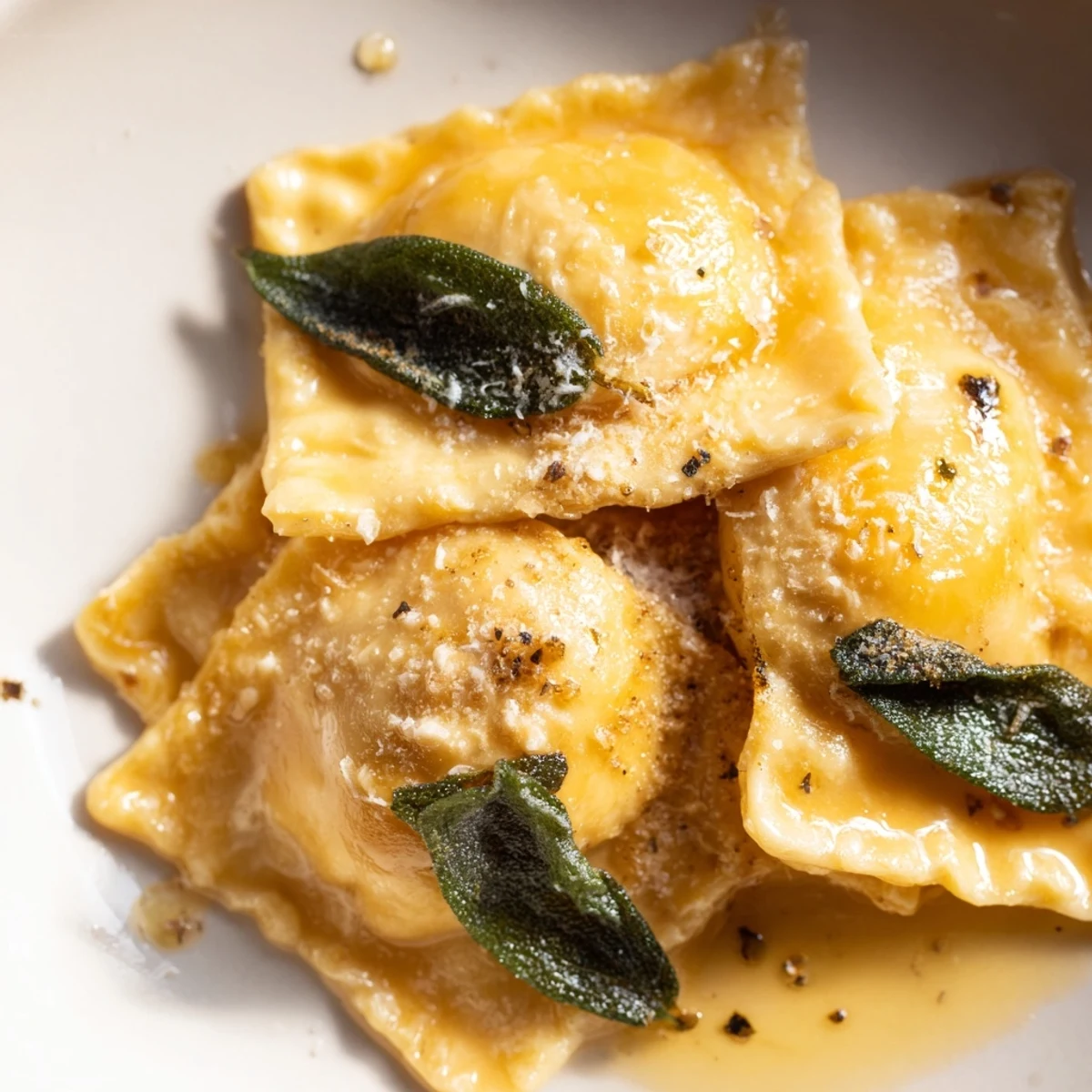
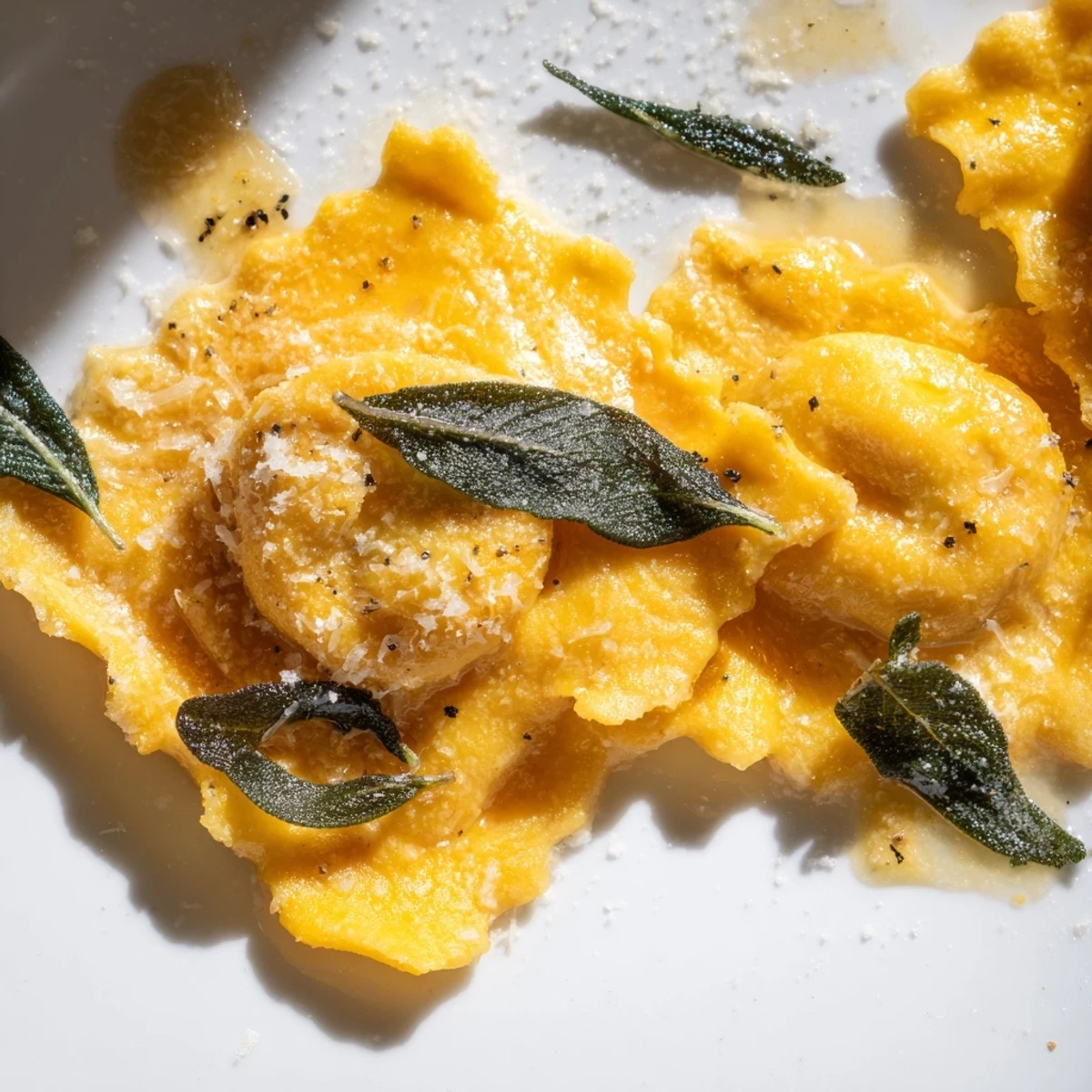
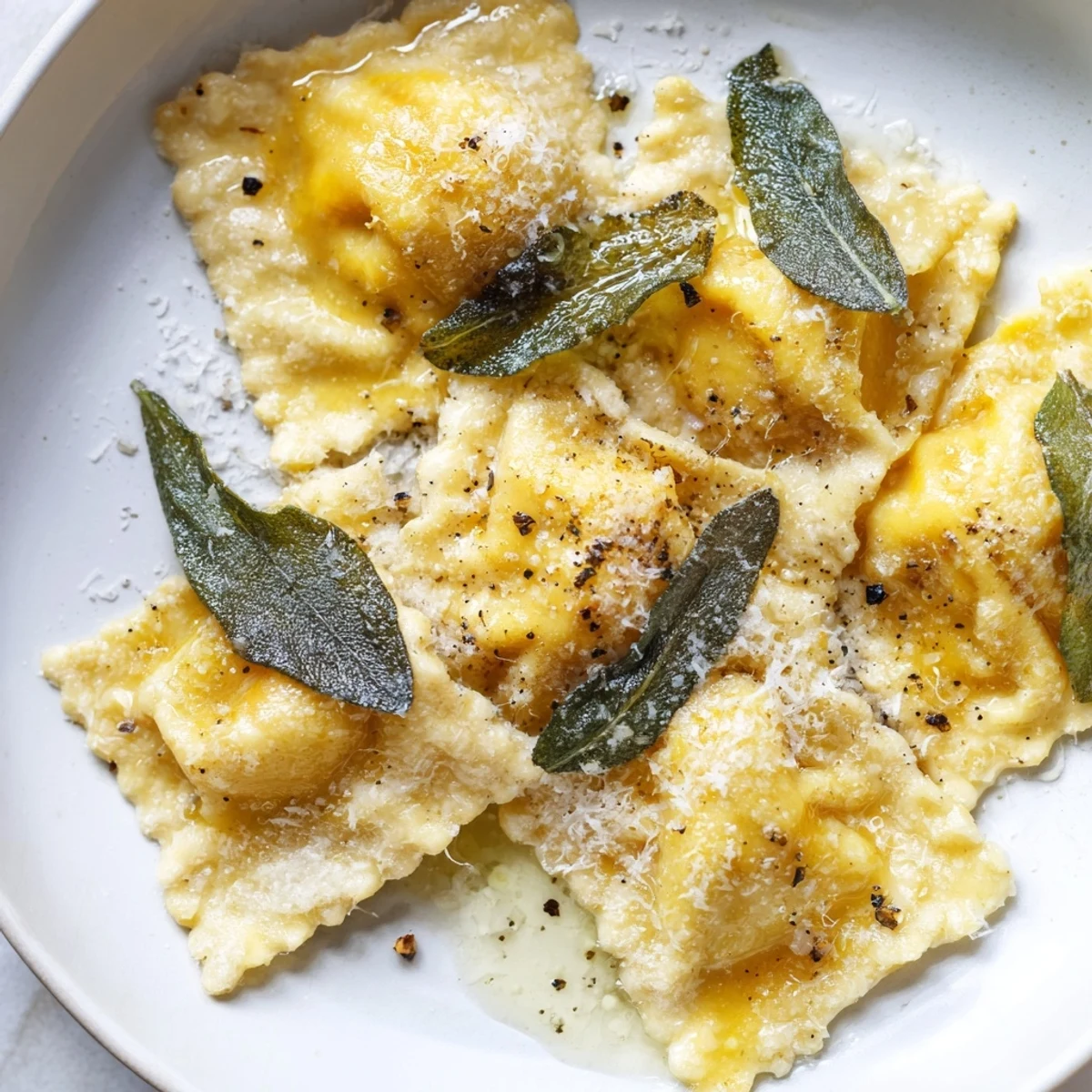
 This dish features delicate homemade ravioli filled with sweet, roasted butternut squash combined with creamy ricotta and Parmesan. The pasta is gently cooked and finished in a fragrant brown butter sauce infused with fresh sage leaves, offering a rich, nutty flavor. A dusting of Parmesan and cracked black pepper complete this comforting, vegetarian Italian-inspired dish. The preparation includes roasting the squash to caramelize its natural sweetness and making fresh pasta dough to achieve tender, flavorful ravioli.
The first time I made butternut squash ravioli from scratch, my kitchen filled with the smell of caramelizing squash just as my roommate walked in asking what smelled so good. That moment—watching someone's face light up at the aroma alone—made me realize this dish had something special. There's something almost magical about folding homemade pasta around a pillowy filling of roasted squash and ricotta, then finishing it all in nutty brown butter with crispy sage leaves. It became the dish I make whenever I want to feel like I'm cooking in an Italian grandmother's kitchen, even though I'm just in my small apartment.
I made this for a dinner party on a cold November evening, and I remember standing at the stove watching the sage leaves dance in the butter, getting more golden by the second. My friend Sarah kept peeking into the kitchen asking if it was ready yet, and when I finally plated everything, the quiet that fell over the table told me everything. Nobody talked much for the first few minutes—they were too busy eating.
Ingredients
- All-purpose flour (2 cups): The foundation of tender, delicate pasta sheets; I always measure by weight when I can because volume can vary, but spooning and leveling works too.
- Eggs (3 large): These create the silky texture that makes homemade pasta worth the effort; room temperature eggs incorporate more smoothly into the flour.
- Salt: Essential in both dough and filling for building flavor at every layer.
- Butternut squash (1 medium): The star ingredient that roasts into something almost candy-like; the caramelized edges are non-negotiable for depth of flavor.
- Olive oil (1 tbsp plus more for handling): Just enough to help the squash caramelize without turning it greasy.
- Ricotta cheese (1/2 cup): The creamy component that balances the squash's sweetness; using fresh ricotta makes a noticeable difference.
- Parmesan cheese (1/4 cup grated): Adds salty, umami depth to the filling and works beautifully as a finish.
- Ground nutmeg (1/4 tsp): This small amount is the secret whisper that makes people wonder what makes the filling taste so perfect.
- Black pepper: Freshly ground pepper in the filling and on top matters more than you'd think.
- Unsalted butter (1/2 cup): High-quality butter is worth it here since it's the foundation of your sauce; watch it carefully as it browns.
- Fresh sage leaves (12): Fragrant, piney, and transformed by heat; dried sage won't give you the same delicate texture.
Instructions
- Roast your squash until it's golden and tender:
- Preheat your oven to 400°F and toss cubed butternut squash with olive oil, salt, and pepper. Spread everything on a baking sheet and let it roast for 25 to 30 minutes, stirring halfway through if you remember. You want the edges caramelized and the insides so soft they fall apart with a fork—that's where the magic happens.
- Build your pasta dough while the squash roasts:
- Mound your flour on a clean counter, make a well in the center, and crack your eggs into it with the salt. Using a fork, gradually pull flour from the inside walls into the eggs, mixing gently until it starts coming together, then get your hands in there and knead for 8 to 10 minutes until the dough is smooth and slightly elastic. Wrap it in plastic and let it rest at room temperature for 30 minutes—this makes rolling it out so much easier.
- Make the filling while everything else rests:
- Once your roasted squash has cooled slightly, mash it until it's mostly smooth (a few small lumps are fine and actually add texture). Fold in the ricotta, Parmesan, nutmeg, salt, and pepper until everything is creamy and well combined.
- Roll and fill your pasta sheets:
- On a well-floured surface, roll your dough out thin—about 1/16 inch or 2 millimeters, which you can gauge by being able to almost see your hand through it. Place small teaspoons of filling about 1.5 inches apart on one sheet, brush the spaces between filling with water, then lay your second sheet on top and press down firmly to seal. Use a ravioli cutter or knife to cut into individual pieces, then arrange them on a floured surface and cover with a towel so they don't dry out.
- Make the sage butter sauce:
- About 10 minutes before you plan to cook the ravioli, melt your butter in a large skillet over medium heat and add the sage leaves. Let it bubble gently for 3 to 4 minutes, watching as it transitions from pale yellow to golden to deep amber—this is the browning that gives the sauce its nutty, rich flavor. The sage will crisp up and darken slightly, and that's exactly what you want.
- Cook and finish your ravioli:
- Bring a large pot of salted water to a gentle boil—you want it hot but not violently rolling, which could burst your ravioli. Cook them in batches so they have room to move; they'll float to the surface after 2 to 3 minutes, and that's your signal they're ready. Remove them with a slotted spoon and drop them straight into your sage butter, tossing gently to coat every piece.
- Plate and serve:
- Transfer your ravioli to warm bowls or plates, pour any extra sage butter over the top, and finish with a generous handful of Parmesan and freshly ground black pepper.
 Save to Pinterest
 There's a specific moment when I know a recipe is truly special: it's when someone who usually orders the simplest thing at a restaurant asks if they can take the leftover ravioli home. That happened at that November dinner party, and I've been making this ever since.
Making Pasta Dough by Feel
The first few times I made pasta dough, I obsessed over exact hydration ratios and watched videos about what the texture should feel like. Eventually I realized the best way to learn is just to make it—your hands will tell you if the dough needs more flour (it's sticky) or more moisture (it's cracking). The dough should feel smooth and slightly elastic, like a soft earlobe, and once you've felt it once you'll recognize it forever. Room temperature is important because cold dough fights you, and overly warm dough gets sticky, so if your kitchen is very cold or very hot adjust accordingly.
Filling and Sealing Tips
Less filling is actually better than more—I learned this when I overstuffed my first batch and they burst open in the boiling water. The ideal amount is about a teaspoon per ravioli, which sounds small but creates a perfect ratio of pasta to filling. Wetting your fingers slightly (not soaking them) before pressing the edges together helps the dough seal without making everything soggy.
Variations and Serving Suggestions
This ravioli is naturally vegetarian, and you can serve it as-is or get creative based on what you have and what mood you're in. A crisp Pinot Grigio or Vermentino alongside is truly the dream pairing, but even just some good bread and a simple salad makes this feel complete. Some nights I add a pinch of chili flakes to the butter for heat, other times I finish with crispy sage leaves scattered on top for texture.
- Substitute pumpkin puree if you can't find butternut squash, though the flavor will be slightly more muted.
- A tiny pinch of chili flakes added to the sage butter creates an unexpected warmth that balances the sweetness beautifully.
- Make the ravioli ahead and freeze them on a tray before transferring to a bag—they cook straight from frozen, just add a minute or two to the cooking time.
 Save to Pinterest
 There's something deeply satisfying about creating something as delicate and elegant as homemade ravioli in your own kitchen. Make this when you want to feel proud of what you've created, when you're cooking for someone special, or when you just want your apartment to smell like an Italian restaurant.
Recipe Questions & Answers
- → How do I roast the butternut squash for best flavor?
-
Toss cubed squash with olive oil, salt, and pepper, then roast at 400°F (200°C) for 25–30 minutes until soft and caramelized to enhance sweetness.
- → What is the purpose of the sage in the butter sauce?
-
The fresh sage leaves infuse the brown butter with an aromatic, earthy flavor, adding depth and complexity to the sauce.
- → Can I prepare the pasta dough in advance?
-
Yes, the dough can be made ahead and wrapped tightly to rest refrigerated up to 24 hours before rolling and filling.
- → How to ensure ravioli seals properly?
-
Brush water around the filling edges before sealing with the second pasta layer to prevent openings during cooking.
- → How long should ravioli be cooked?
-
Cook ravioli in gently boiling salted water for 2–3 minutes or until they float, indicating they are done.
- → What can I serve with this dish?
-
Pair with a crisp white wine like Pinot Grigio or a light salad to complement the rich flavors.
