
 Save to Pinterest
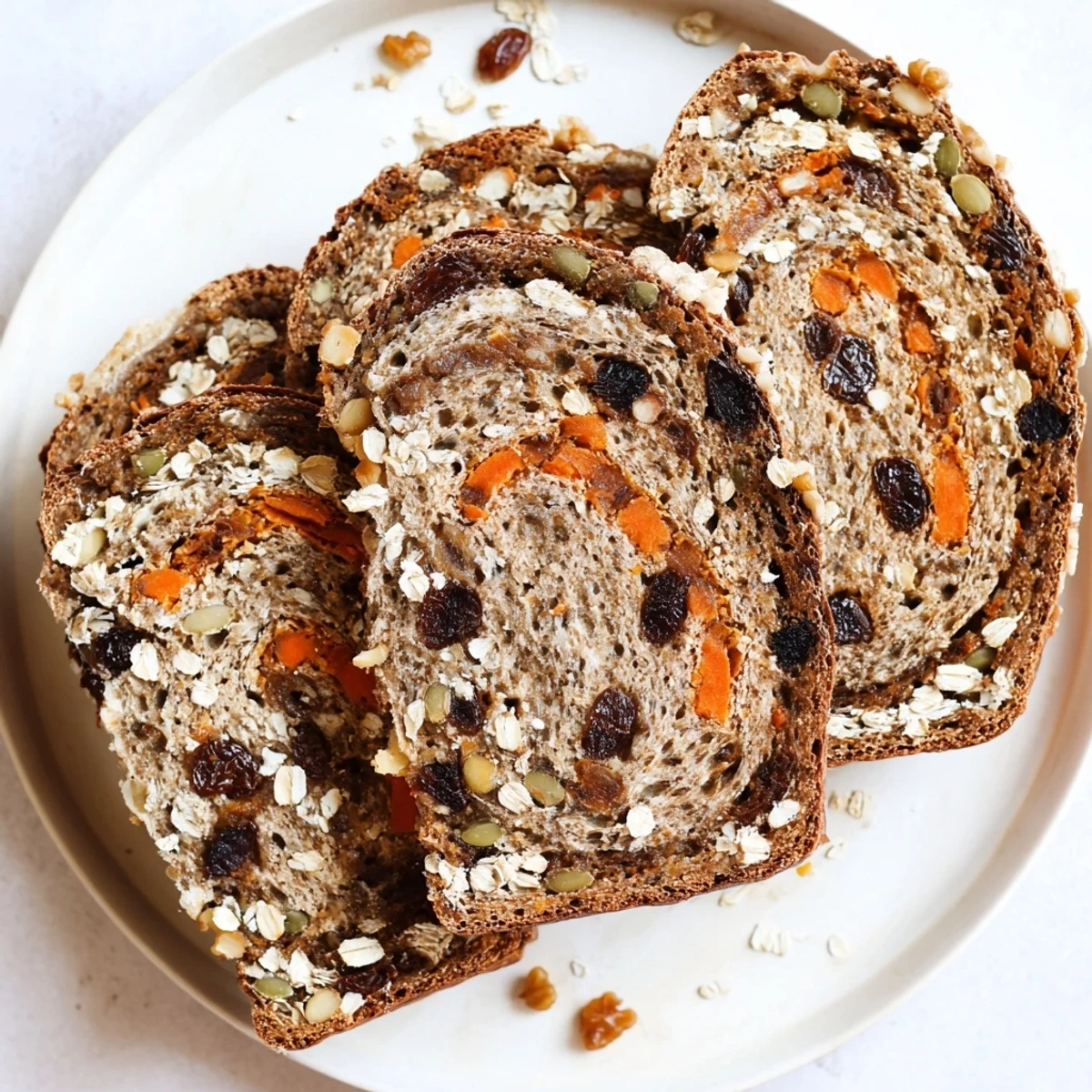
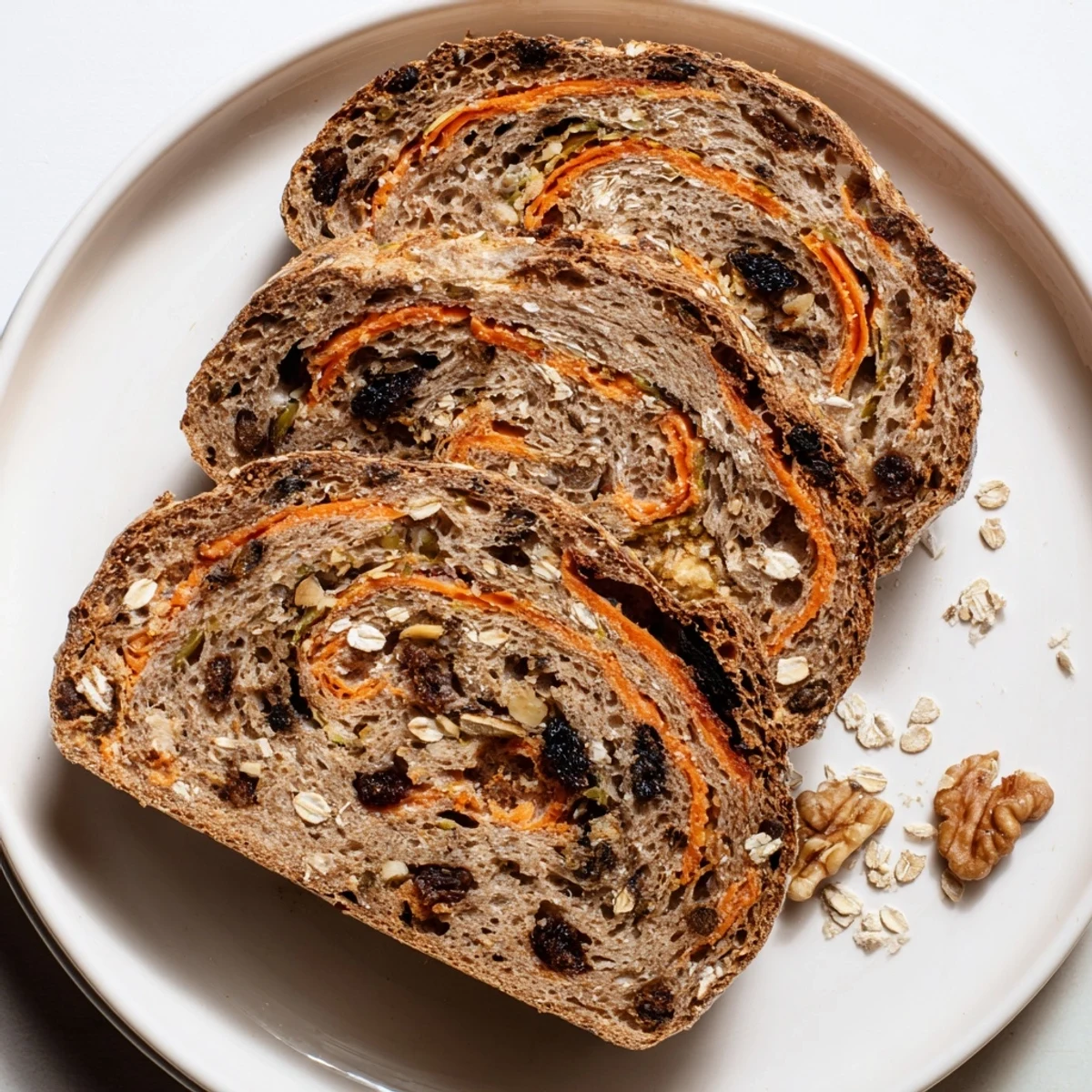
 This remarkable fusion loaf brings together the best of both worlds: the complex tang and chewy texture of traditional sourdough with the comforting warmth of spiced carrot cake. Grated carrots add natural sweetness and moisture, while cinnamon, nutmeg, and ginger create aromatic depth. The long fermentation process develops flavor and makes nutrients more accessible. Optional raisins and walnuts provide delightful texture contrast. Perfect toasted with cream cheese for breakfast or enjoyed as an afternoon treat with tea.
The kitchen smelled like autumn morning the first time I grated fresh carrots into sourdough starter. I had this wild idea about combining two comfort foods and my roommate just laughed. But when that loaf came out of the oven, all doubts vanished. Now it is the one bread that disappears first at every gathering.
Last winter I made six loaves in one weekend because everyone kept asking for more. My mother took one bite and immediately demanded the recipe. Now she makes it for her book club and claims she invented the combination. That is what happens when food becomes part of family stories.
Ingredients
- Active sourdough starter: The backbone of this bread, must be bubbly and fed within the last 8 hours
- Bread flour: Provides structure to support all those heavy add-ins
- Whole wheat flour: Adds nutty depth and complements the carrot flavor beautifully
- Grated carrots: Freshly grated releases moisture that keeps the bread tender
- Brown sugar: Feeds the starter and creates that gorgeous caramelized crust
- Warming spices: Cinnamon, nutmeg, and ginger echo classic carrot cake flavors
- Salt: Crucial for flavor balance and controlling fermentation
- Lukewarm water: Should feel like bath temperature to wake up your starter
- Raisins and nuts: Optional but add texture pockets throughout the crumb
- Topping seeds: Oats and sunflower seeds create that bakery finish
Instructions
- Mix the base:
- Stir starter, water, and brown sugar until fully dissolved. The mixture should look smooth and slightly milky.
- Build the dough:
- Add all flours, spices, and salt. Mix until no dry flour remains but do not overwork it yet.
- Add the good stuff:
- Fold in carrots, raisins, and nuts until evenly distributed. The dough will feel sticky and loaded.
- Gentle kneading:
- Work the dough just 3 to 4 minutes to barely combine everything. We want to develop structure gently.
- Let it rest:
- Cover the bowl and walk away for 30 minutes. This autolyse period lets flour fully hydrate.
- Stretch and fold:
- Perform 3 to 4 sets every 30 minutes. Grab one edge, stretch up, and fold over the center.
- Bulk rise:
- Let dough rise 4 to 6 hours until doubled. The kitchen temperature affects timing dramatically.
- Shape for beauty:
- Form into a neat boule or batard. Place in a lined banneton smooth side down.
- Overnight magic:
- Refrigerate 8 to 10 hours. This slow ferment develops incredible flavor depth.
- Preheat everything:
- Heat oven to 230°C with your Dutch oven inside. Getting it screaming hot matters.
- Score and top:
- Turn dough onto parchment, sprinkle with oats and seeds, then slash the top boldly.
- Bake covered:
- Carefully transfer to Dutch oven and bake 25 minutes covered. Steam creates the crust.
- Reveal the glory:
- Uncover and bake 20 more minutes until deeply golden. Listen for that hollow tap sound.
- Patience pays:
- Cool completely on a wire rack. Slicing warm bread ruins the crumb structure.
 Save to Pinterest
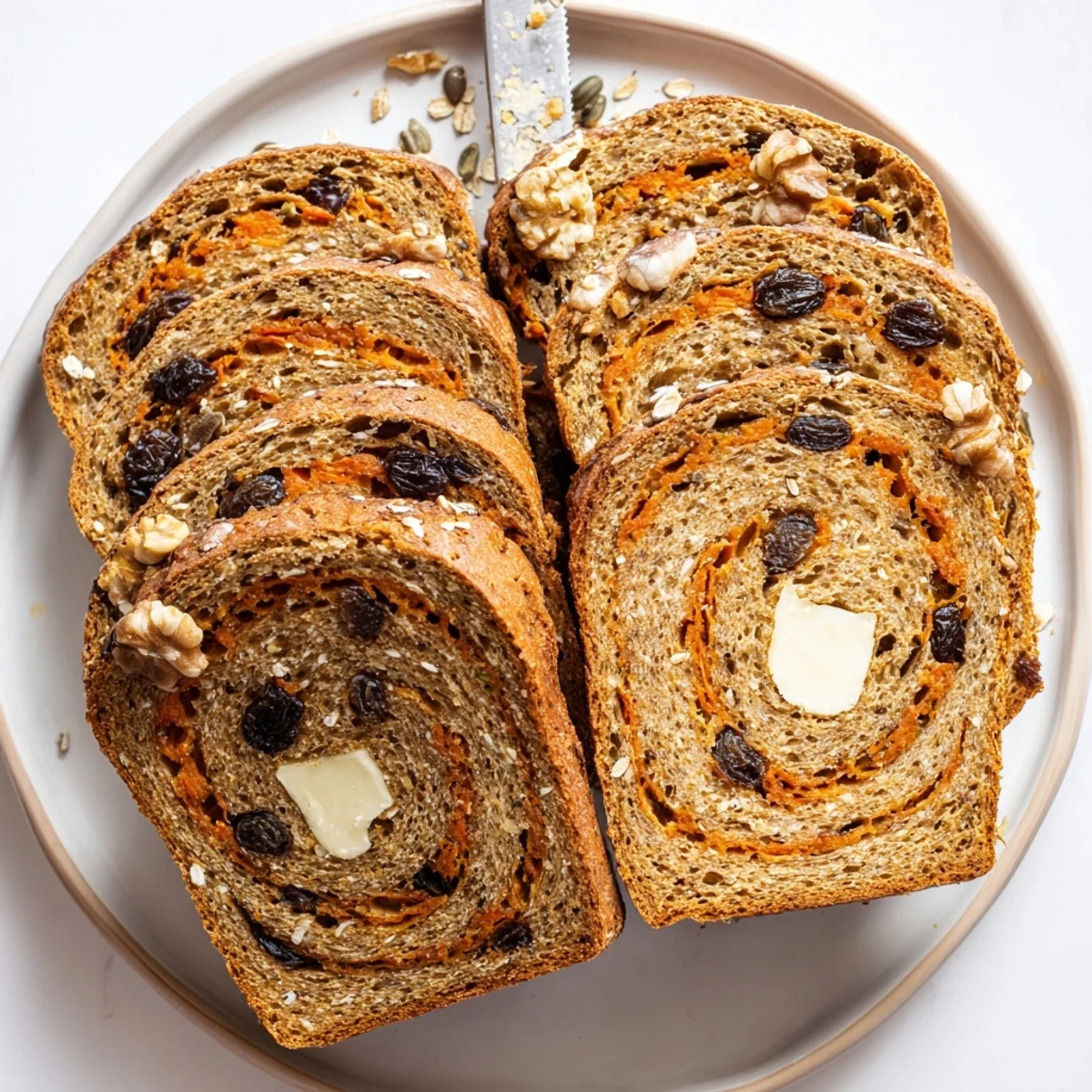
 My neighbor smelled this baking and knocked on my door with a block of cream cheese. We stood in the kitchen eating warm slices slathered with cheese, talking until sunset. That unexpected moment turned a recipe into a friendship tradition.
Timing Your Ferment
Room temperature dramatically affects how fast your dough rises. In summer I do 4 hours, winter takes closer to 6. Watch the dough, not the clock.
Shaping Success
Creating surface tension while shaping helps the loaf hold its shape in the oven. Use your bench scraper to tighten the skin before placing it in the banneton.
Serving Suggestions
Toast thick slices and spread with salted butter or cream cheese. The contrast between warm bread and cool spread is absolute perfection.
- Try pairing with sharp cheddar for a sweet savory snack
- Extra cinnamon sprinkled on top before baking intensifies aroma
- Leftovers make incredible french toast the next morning
 Save to Pinterest
 Every time I pull this loaf from the oven, I am reminded that the best recipes come from trusting your instincts. May your kitchen fill with warmth and wonderful experiments.
Recipe Questions & Answers
- → What makes carrot cake sourdough different from regular carrot cake?
-
This hybrid loaf uses active sourdough starter instead of commercial yeast, resulting in a complex tangy flavor that balances beautifully with sweet carrots and warm spices. The texture is more bread-like than cake, with a chewy crumb and crispy crust.
- → Can I make this without a sourdough starter?
-
While the characteristic tang comes from the starter, you can substitute with 200g active yeast dough and add 1 tablespoon vinegar or lemon juice to mimic the acidity. The fermentation time will be shorter, but you'll still get a flavorful loaf.
- → How long does the fermentation process take?
-
The total fermentation requires 4-6 hours at room temperature for the initial rise, followed by 8-10 hours of overnight refrigeration. This slow fermentation develops complex flavors and improves digestibility. Plan ahead for best results.
- → What's the best way to store carrot cake sourdough?
-
Store at room temperature in a paper bag for up to 3 days, or freeze slices for longer storage. Avoid plastic bags which make the crust soft. The flavors actually improve after a day as the spices meld with the sourdough tang.
- → Can I add other mix-ins besides raisins and walnuts?
-
Absolutely! Dried cranberries, chopped pecans, sunflower seeds, or even shredded coconut work beautifully. You could also add a cream cheese swirl by spreading softened cream cheese and folding it in during shaping.
- → Why is a Dutch oven recommended for baking?
-
A preheated Dutch oven creates steam that helps the loaf rise dramatically and develop a crispy, crackly crust. The trapped heat mimics a professional bread oven. If you don't have one, use a heavy pot with a tight-fitting lid or bake on a stone with a tray of ice cubes below.
