
 Save to Pinterest
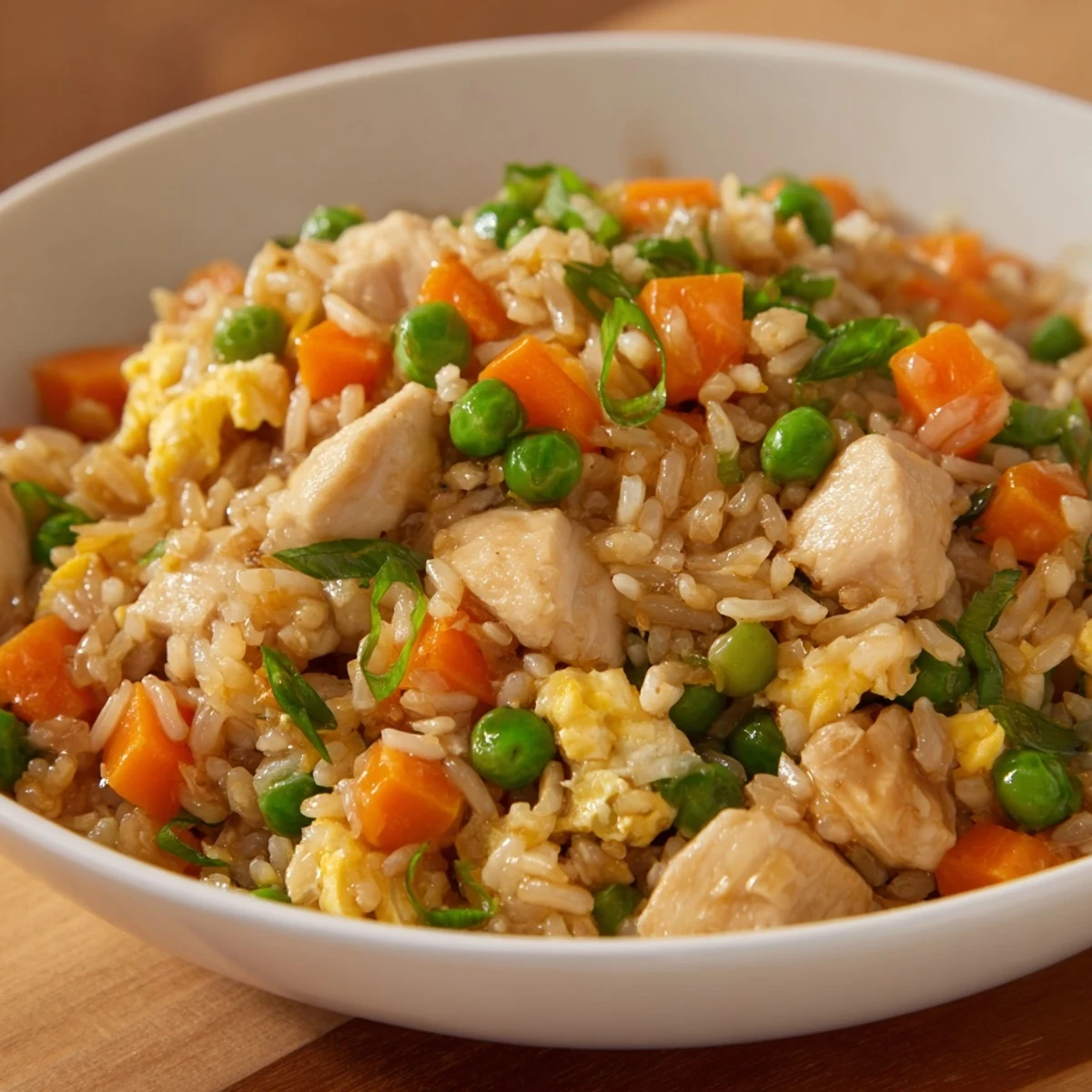
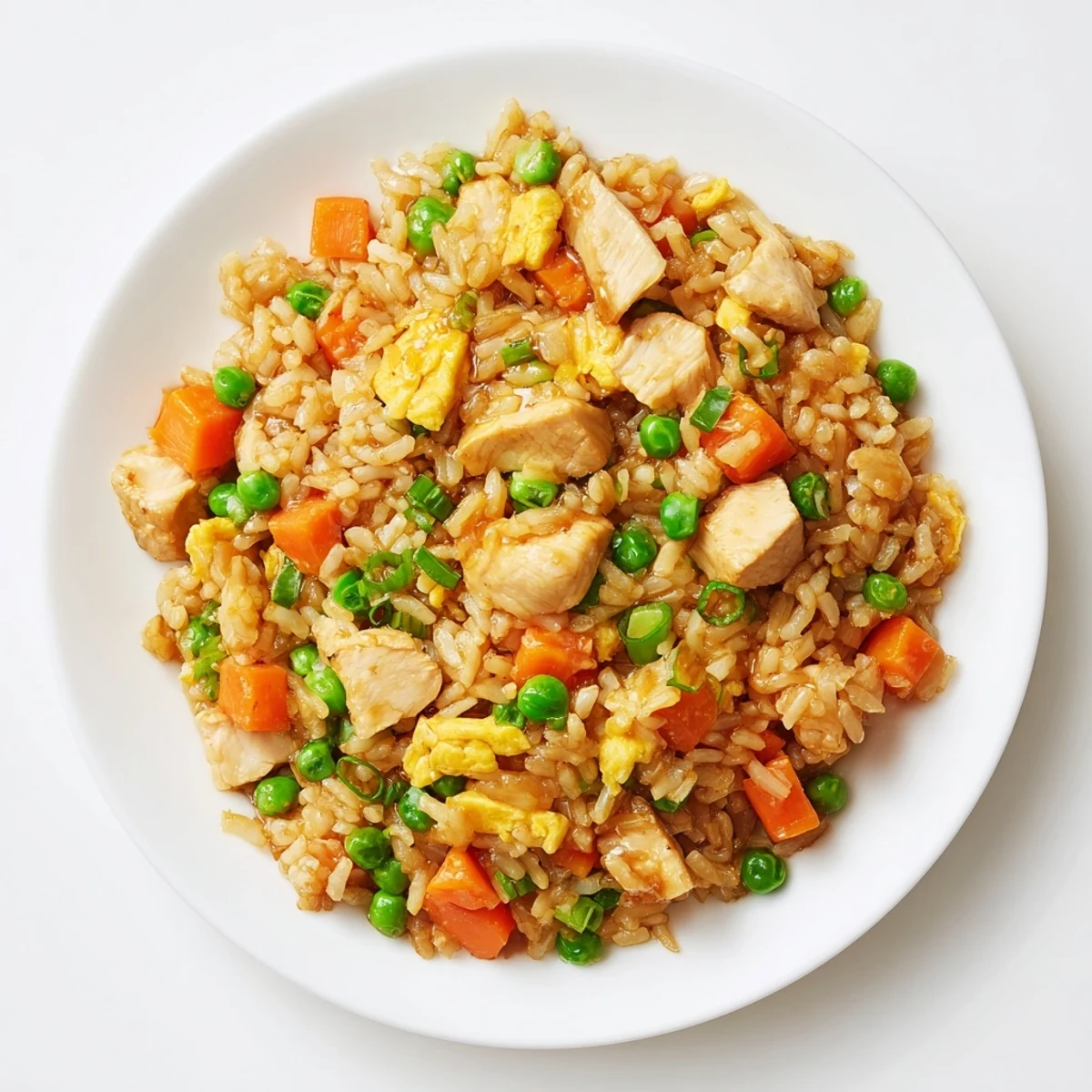
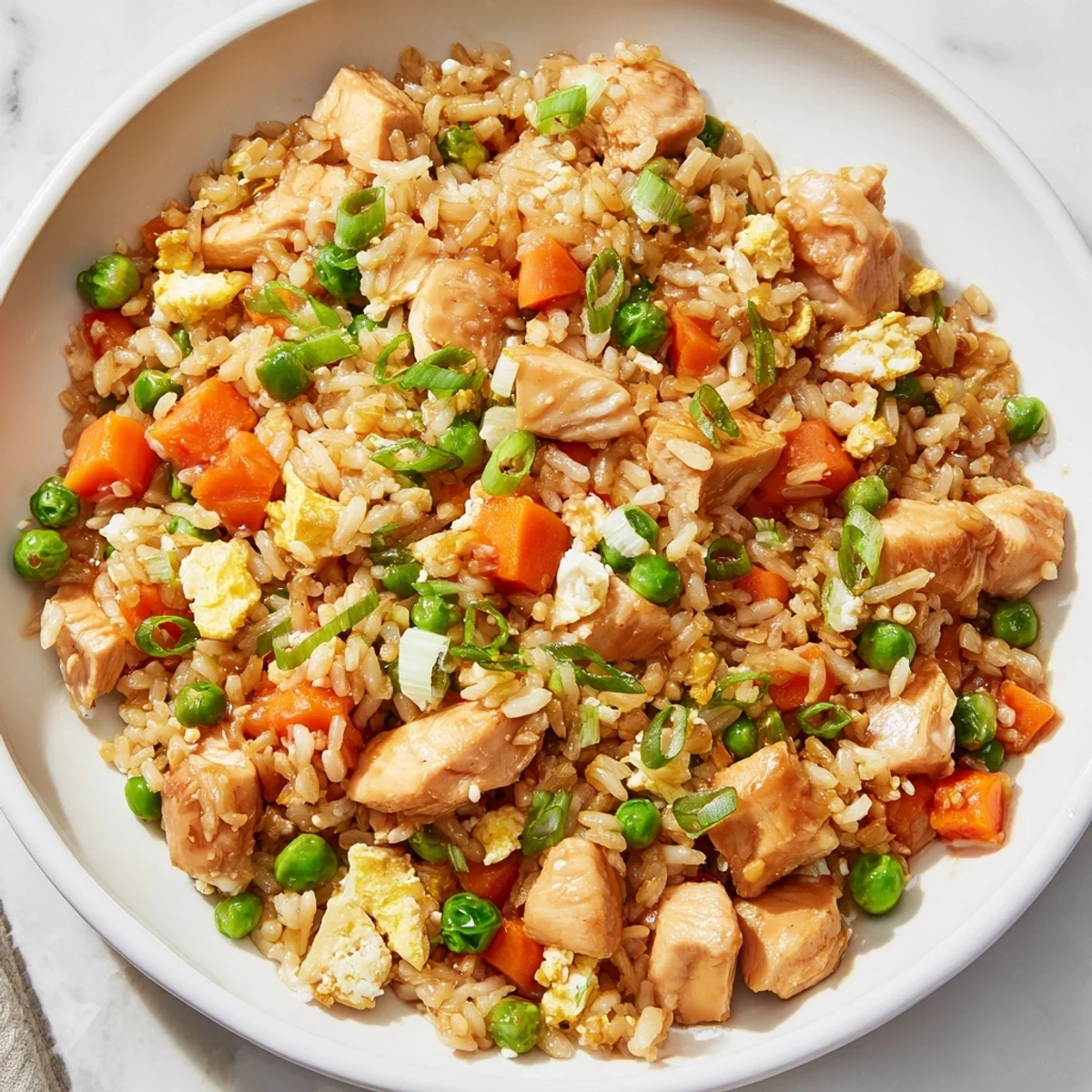
 This vibrant dish combines tender chicken, sweet peas, and diced carrots with perfectly cooked rice, infused with soy and sesame oils for rich flavor. Quick cooking and simple steps make it ideal for a satisfying weeknight meal. Aromatic garlic and green onions add freshness, while eggs provide a soft, scrambled texture that blends seamlessly with the stir-fry. Using day-old rice ensures ideal texture without clumps.
Easy to customize with alternative proteins or added spice, this dish balances savory and mild sweetness with a hint of pepper. Pair with crisp sides or enjoy as is, embracing the comforting yet bright flavors typical of Asian-inspired stir-fry techniques.
I threw this together on a Tuesday night when the fridge was nearly empty and everyone was starving. The sizzle of chicken hitting hot oil filled the kitchen, and suddenly it felt less like desperation and more like possibility. By the time I stirred in the cold rice and watched it all come together, I knew this would become one of those recipes I'd make without thinking. It tasted better than takeout, and I didn't have to wait 45 minutes or put on real pants.
The first time I made this for my kids, they went quiet, which is the highest compliment in my house. My daughter picked out every single pea, but she ate three helpings of everything else. Now it's the meal they request when friends come over, and I've stopped feeling guilty that it's this easy. Sometimes the best cooking is just knowing when to crank the heat and when to leave things alone.
Ingredients
- Boneless, skinless chicken breasts: I dice them small so they cook fast and distribute evenly, and I've learned to pat them dry first so they actually brown instead of steam.
- Large eggs: They add richness and little pockets of flavor throughout the rice, scramble them right in the pan and don't overthink it.
- Frozen peas: I just thaw them under warm water for a minute, they stay bright and sweet without turning mushy.
- Carrots: Dice them small and even so they soften in the same amount of time as everything else cooks.
- Green onions: I slice them thin and toss them in at the very end so they stay sharp and fresh.
- Garlic: Mince it fine and add it after the carrots have a head start, or it'll burn and turn bitter.
- Cooked jasmine or long grain rice: Day old and cold is the secret, fresh rice turns gummy and clumps no matter how much you stir.
- Soy sauce: This is where most of the salt and umami come from, I use low sodium so I can control the seasoning myself.
- Oyster sauce: It adds a deep, slightly sweet background flavor that makes the dish taste more complex than it actually is.
- Sesame oil: Just a little bit at the end brings a toasty, nutty aroma that ties everything together.
- Ground white pepper: It has a sharper, more floral heat than black pepper, and it's traditional in fried rice for a reason.
- Vegetable oil: I use this for high heat cooking because it doesn't burn or add any competing flavors.
Instructions
- Cook the chicken:
- Heat 1 tablespoon oil in a large skillet or wok over medium high heat until it shimmers. Add the diced chicken in a single layer and let it sit for a minute before stirring, so it gets a nice golden crust, then cook for another 3 to 4 minutes until cooked through and set aside.
- Cook the carrots and garlic:
- Add the remaining tablespoon of oil to the same pan and toss in the diced carrots, stirring occasionally for about 2 minutes until they start to soften. Add the minced garlic and cook for 30 seconds, just until fragrant and golden.
- Scramble the eggs:
- Push the vegetables to one side of the pan and crack the eggs into the empty space. Scramble them gently with your spatula until just set but still a little glossy, then mix them into the vegetables.
- Add rice, peas, and chicken:
- Toss in the cold rice, breaking up any clumps with the edge of your spatula, then add the thawed peas and cooked chicken. Stir fry everything together over high heat for a couple of minutes, letting some of the rice get a little crispy on the edges.
- Season and finish:
- Pour in the soy sauce, oyster sauce, sesame oil, and white pepper, stirring constantly so every grain of rice gets coated. Taste it and add a pinch of salt if needed, then stir in the sliced green onions right before you take it off the heat.
 Save to Pinterest
 There was a night last winter when I made this after a long day and my husband looked up from his bowl and said it tasted like the little restaurant we used to go to before we had kids. I hadn't been trying to recreate anything, but that comment made it feel like I'd brought something back we didn't even know we missed. Food has a way of doing that, tying you to a place or a feeling without you even planning it.
What to Do with Leftovers
This reheats surprisingly well in a hot skillet with a tiny splash of water to steam it back to life. I've also packed it cold in lunchboxes and my kids eat it straight from the container without complaining. If it's been in the fridge for more than two days, I'll crack an egg over it and fry it up again to refresh everything.
How to Make It Your Own
I've swapped the chicken for shrimp, diced pork, or even crumbled tofu depending on what I have around. Sometimes I throw in leftover roasted vegetables or a handful of edamame to stretch it further. If someone wants heat, I'll drizzle sriracha or chili crisp on top and let them adjust it themselves at the table.
Mistakes I Made So You Don't Have To
The first time I made fried rice, I used warm, freshly cooked rice and ended up with a gummy, sticky mess that I had to scrape off the pan. I also learned the hard way that adding soy sauce too early makes everything soggy instead of letting the rice get crispy in spots. Now I wait until the very end to season, and I use high heat so the rice actually fries instead of just sitting there absorbing liquid.
- Don't skip the step of breaking up rice clumps before adding it to the pan, or you'll end up with uneven texture.
- Taste before adding extra salt, the soy sauce and oyster sauce already bring plenty of sodium.
- If the pan isn't hot enough, everything will steam and turn mushy instead of getting that signature fried rice texture.
 Save to Pinterest
 This is one of those recipes that gets better the more you make it, because you'll start to know exactly when the rice is crispy enough and when to pull it off the heat. It's forgiving, fast, and honest, and that's why it keeps showing up on my table.
Recipe Questions & Answers
- → What type of rice works best?
-
Day-old jasmine or long-grain rice is ideal as it prevents clumping and absorbs flavors well during stir-frying.
- → Can I substitute the chicken?
-
Yes, shrimp, tofu, or additional vegetables make excellent alternatives without compromising taste.
- → How do I prevent the rice from sticking?
-
Use cold, dry rice and a hot pan with enough oil. Stir frequently to keep ingredients separated.
- → What seasoning enhances the dish's flavor?
-
Soy sauce, oyster sauce, sesame oil, and white pepper combine to create a balanced, savory profile.
- → Is it possible to add heat to this dish?
-
Absolutely. A dash of chili sauce or fresh chili peppers can give it a pleasant spicy kick.
