
 Save to Pinterest
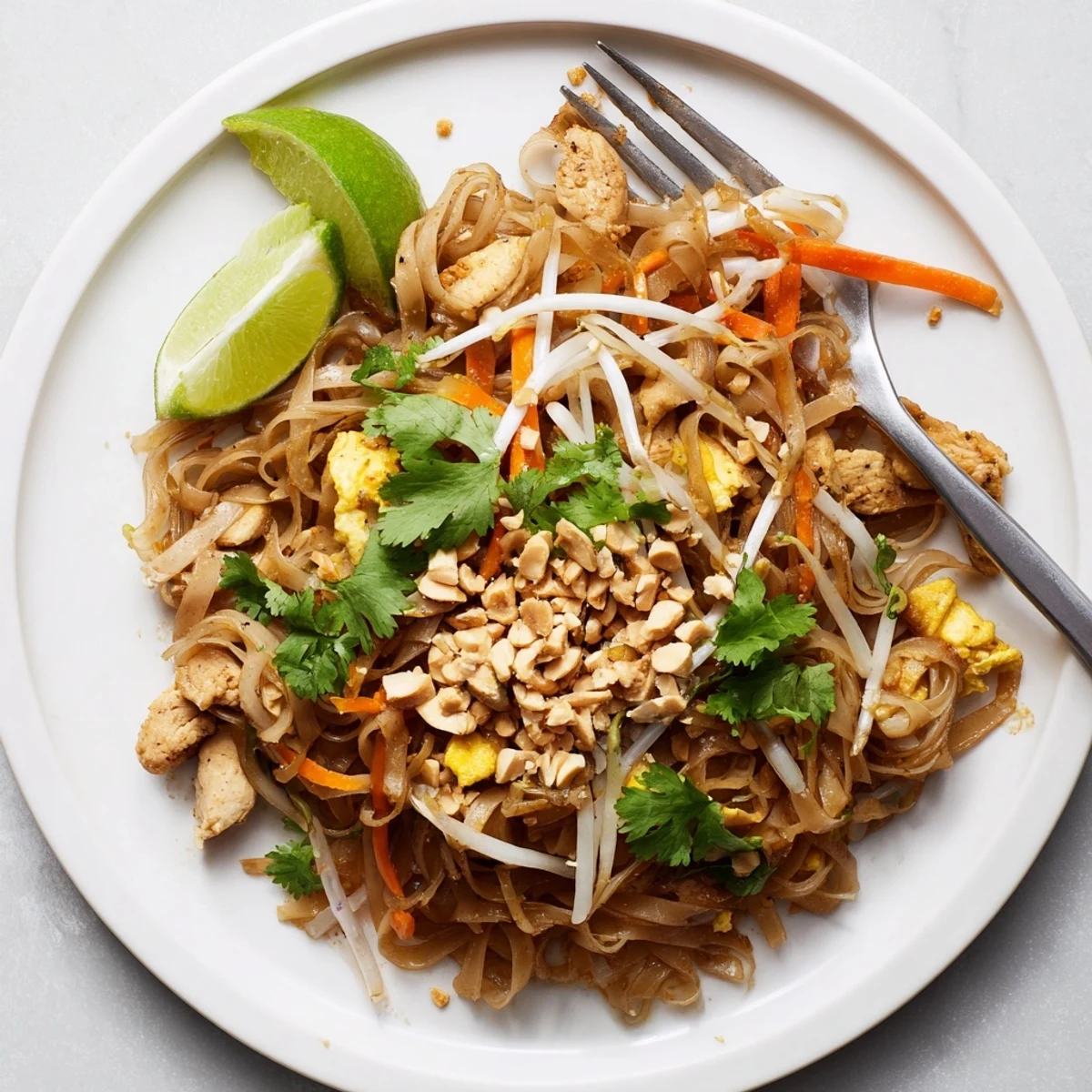
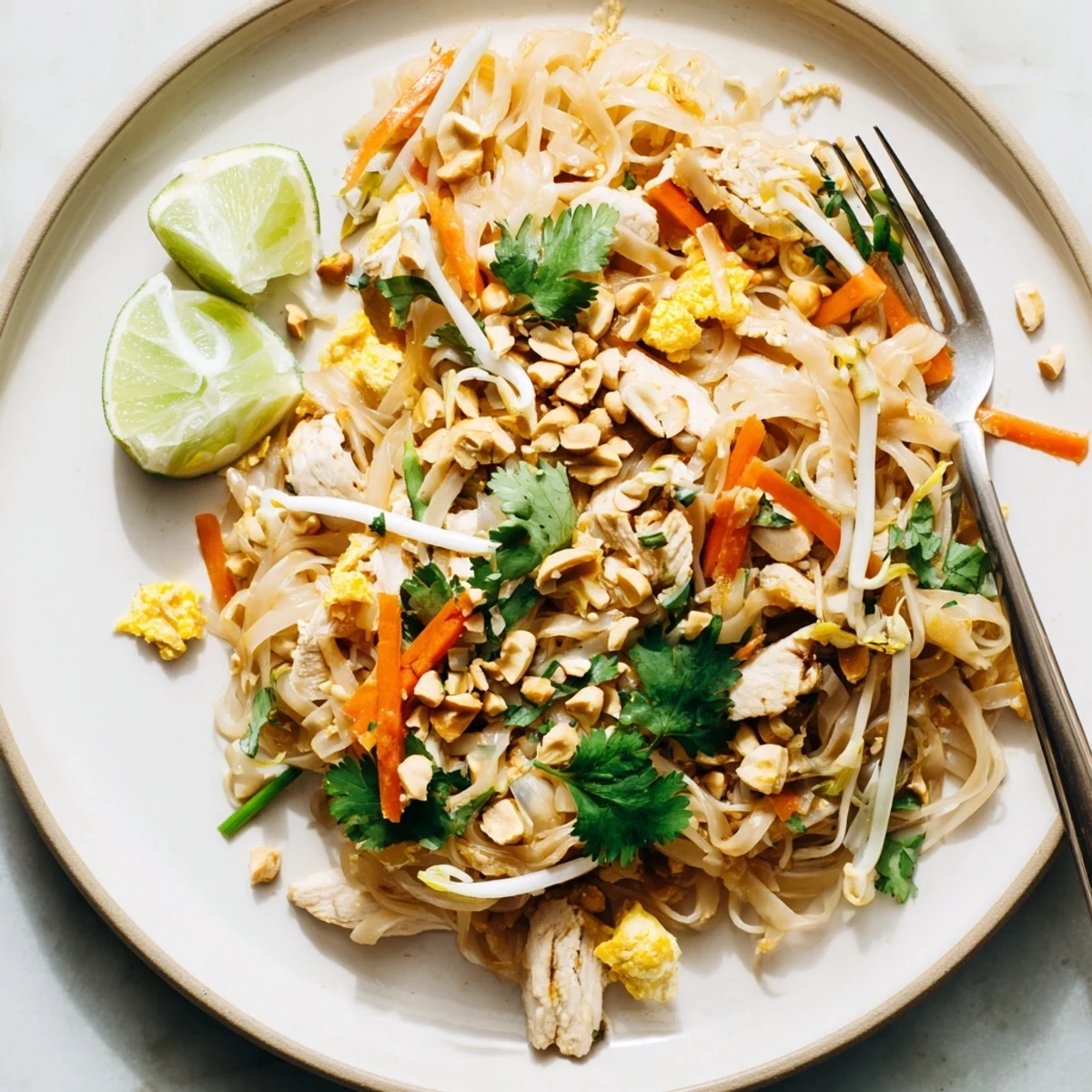
 This vibrant Thai stir-fry combines tender chicken pieces with flat rice noodles coated in a tangy-sweet tamarind sauce. The dish features aromatic garlic and shallots, crisp bean sprouts, and finished with crushed roasted peanuts, fresh cilantro, and lime wedges. Perfect for weeknight dinners, this authentic flavor comes together in just 40 minutes and serves four people generously.
My tiny apartment kitchen filled with steam and the impossible aroma of tamarind, fish sauce, and caramelizing sugar. I'd been craving restaurant style Pad Thai for months, too intimidated to try it myself until a rainy Sunday forced my hand. The wok hissed and popped, threatening to splatter hot oil everywhere, but somehow everything came together in a chaotic dance of textures and flavors that made my kitchen feel like a Bangkok street stall.
The first time I made this for friends, I was so nervous about the sauce balance that I had my roommate taste test it three times before they arrived. They ended up asking for the recipe before they even finished their plates, and now it's become our go to comfort food whenever life gets overwhelming. Something about the rhythm of prep work and the sizzling wok makes even the most stressful week feel manageable.
Ingredients
- 400 g boneless skinless chicken breast or thighs, thinly sliced: Thighs stay juicier in the high heat of stir frying, but breast works perfectly if that is what you have on hand
- 2 large eggs: Room temperature eggs scramble more evenly and incorporate beautifully into the noodles
- 250 g dried flat rice noodles: The quarter inch width is traditional and holds up better to tossing than thinner varieties
- 3 tbsp fish sauce: This is the savory backbone, do not substitute with salt or the dish will taste flat
- 2 tbsp tamarind paste: Look for the concentrated kind in jars, not the watery tamarind juice in tetra packs
- 2 tbsp palm sugar or light brown sugar: Palm sugar has a subtle caramel flavor, but brown sugar works in a pinch
- 1 tbsp soy sauce: Adds depth and that gorgeous reddish brown color to the finished dish
- 3 tbsp vegetable oil, divided: Neutral oil lets the other flavors shine without competing
- 3 garlic cloves, minced: Freshly minced garlic releases more oils than pre minced jar stuff
- 1 small shallot, finely chopped: Shallots have a milder sweetness than onions and cook faster
- 100 g bean sprouts: Add these at the very end to maintain their satisfying crunch
- 2 spring onions, sliced: Separate the white and green parts, they go in at different times
- 60 g roasted unsalted peanuts: Roughly chop them yourself for better texture and freshness
- 1 lime, cut into wedges: Fresh lime juice is non negotiable for that authentic bright finish
- Fresh cilantro leaves: Pull the leaves off the stems just before serving to keep them perky
- Chili flakes: Start with less than you think, you can always add more at the table
Instructions
- Prep the noodles:
- Soak rice noodles in warm water for 20 to 30 minutes until they are pliable but still have some bite to them, then drain well
- Mix the sauce:
- Whisk together fish sauce, tamarind paste, sugar, and soy sauce until the sugar completely dissolves into a smooth mixture
- Cook the chicken:
- Heat half the oil in a wok over medium high heat, add chicken slices and stir fry until just cooked through, then remove from pan
- Sizzle the aromatics:
- Add remaining oil to the hot wok, toss in garlic and shallots, and stir fry for 30 seconds until fragrant but not browned
- Scramble the eggs:
- Push aromatics to one side of the wok, crack in eggs, and scramble quickly until just set but still creamy
- Combine everything:
- Add drained noodles and sauce mixture, toss constantly with tongs until noodles are evenly coated and beginning to char slightly
- Finish with vegetables:
- Return chicken to wok, add bean sprouts, spring onion whites, and carrot, stir fry for 2 to 3 minutes until everything is heated through
- Garnish and serve:
- Remove from heat immediately, top with chopped peanuts, spring onion greens, cilantro, lime wedges, and chili flakes
 Save to Pinterest
 This recipe became my comfort during a particularly lonely winter, the steam fogging up my kitchen windows while I stirred and tasted and adjusted. Now whenever I make it, I'm transported back to that first successful attempt, the satisfaction of creating something so complex and delicious from simple ingredients. It is more than just dinner, it is a reminder that patience and practice pay off in the most delicious ways.
Getting The Sauce Balance Right
The secret is tasting your sauce mixture before it hits the wok, adjusting the sugar or tamarind until it hits that perfect sweet and sour harmony. I keep a small spoon nearby and taste constantly as I cook, remembering that the flavors concentrate slightly as everything reduces together. Trust your palate over the exact measurements, every brand of tamarind and fish sauce has a different intensity.
Wok Temperature Mastery
Professional cooks talk about wok hei, that smoky char flavor you get from cooking at super high heat. At home, work in batches if your stove is not powerful enough, crowding the pan drops the temperature and leads to steaming instead of stir frying. The wok should be smoking slightly when you add ingredients, and everything should sizzle loudly on contact.
Noodle Secrets For Success
Over soaked noodles are the downfall of many home cooks attempting Pad Thai. They should bend easily but still snap when you fold them, retaining enough structure to withstand the vigorous tossing in the wok. If in doubt, under soak rather than over soak, you can always splash a little water into the pan to help them finish cooking.
- Use kitchen shears to snip overly long noodles, makes tossing and eating so much easier
- Rinse the noodles briefly after soaking to remove excess starch if they seem sticky
- Do not let the drained noodles sit too long or they will stick together in an unbreakable clump
 Save to Pinterest
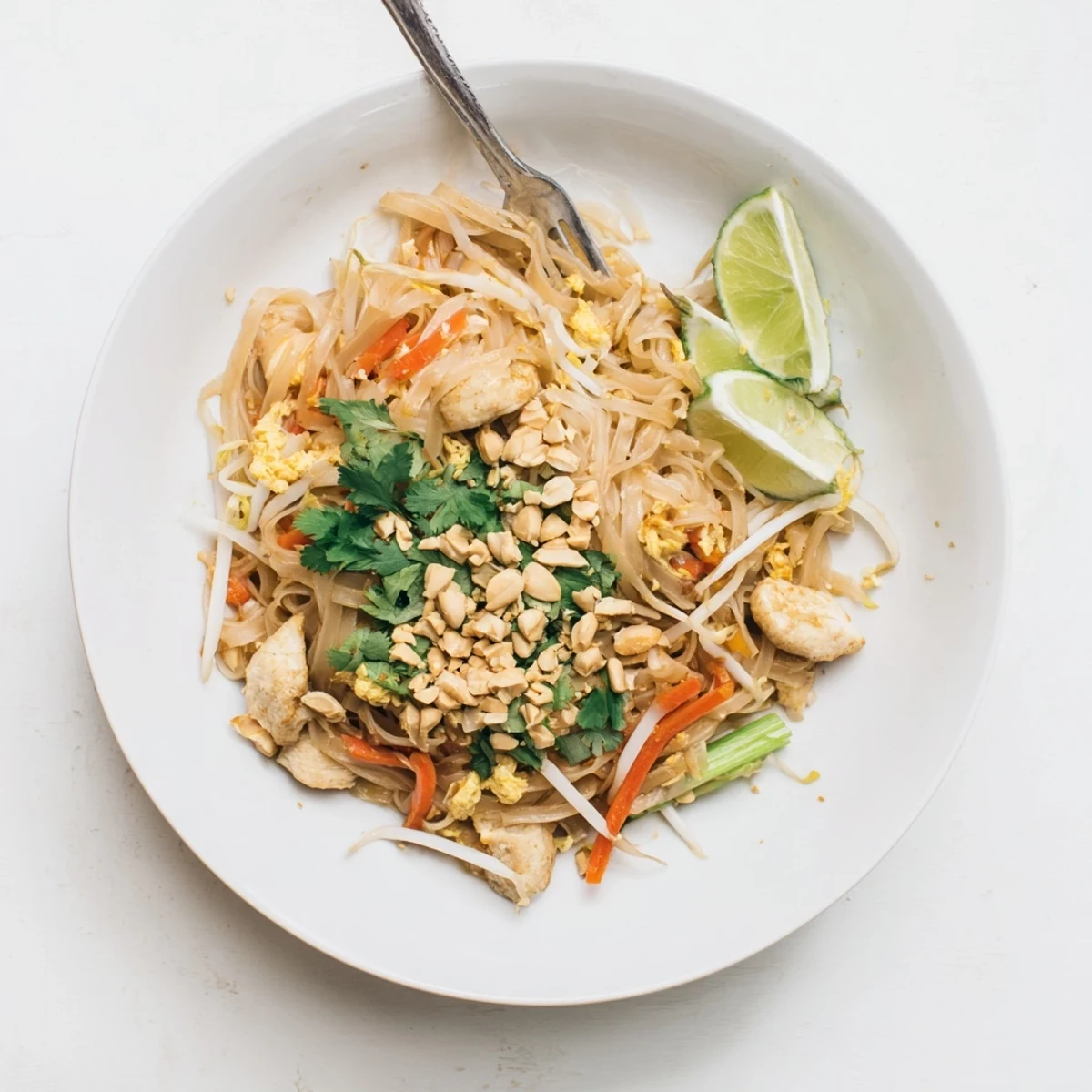
 Gather your favorite people, squeeze some fresh lime over the top, and enjoy the satisfying slurp of noodles that taste like they came from a street cart in Bangkok.
Recipe Questions & Answers
- → What makes pad thai sauce authentic?
-
Traditional pad thai sauce relies on tamarind paste for tanginess, fish sauce for savory depth, and palm sugar for subtle sweetness. This balance creates the distinctive sweet-sour-savory flavor profile that defines authentic Thai street food style pad thai.
- → How do I prevent rice noodles from sticking?
-
Soak noodles in warm water until pliable but not fully soft, usually 20-30 minutes. Drain well before stir-frying. The high heat and constant tossing in the wok helps prevent sticking while ensuring even sauce coating.
- → Can I make this vegetarian?
-
Yes, substitute firm tofu for chicken and use soy sauce or a vegan fish sauce alternative instead of regular fish sauce. The cooking method remains the same, creating a equally delicious plant-based version.
- → What type of noodles work best?
-
Look for dried flat rice noodles labeled as pad thai noodles or rice stick noodles, about ¼ inch wide. These absorb the tamarind sauce beautifully while maintaining a satisfying chewy texture after stir-frying.
- → How spicy should authentic pad thai be?
-
Traditional pad thai is typically not very spicy. Heat is served on the side through chili flakes or fresh chilies, allowing diners to adjust spice levels according to their preference. The dish focuses more on the tangy-sweet sauce balance.
- → Why add lime at the end?
-
Fresh lime wedges are essential for cutting through the rich tamarind sauce and adding bright acidity. Squeezing lime just before eating elevates all flavors and creates the authentic Thai dining experience.
