
 Save to Pinterest
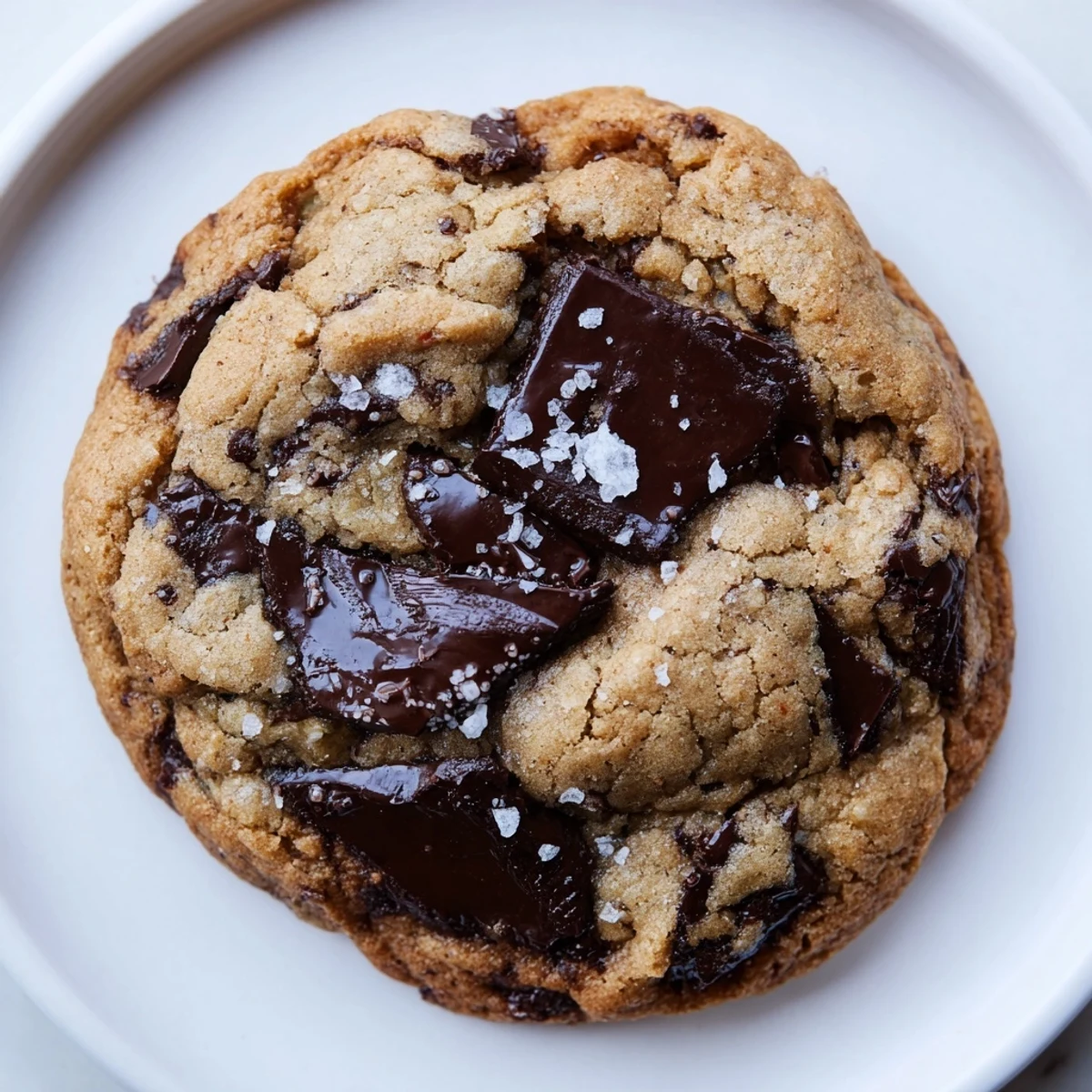
 These chewy chocolate chip cookies feature rich dark chocolate chunks folded into a soft dough, finished with a sprinkle of flaky sea salt for a perfect balance of sweet and salty flavors. Combining buttery, vanilla-infused batter with slightly crisp edges and tender centers, these cookies deliver a satisfying texture with every bite. Options include adding nuts or substituting chocolate types. Ideal baked until golden with a soft inside, they pair wonderfully with milk or coffee.
There's something magical about the moment when butter and sugar hit the mixer and suddenly your kitchen smells like a bakery. I discovered these cookies during one of those late afternoons when I had a friend stopping by unexpectedly, and I needed something impressive but honest on the table. The dark chocolate and sea salt combination wasn't planned—it was one of those happy accidents where I grabbed what I had and ended up creating something neither of us could stop eating.
I'll never forget pulling the first batch from the oven and sprinkling those delicate sea salt flakes on top while they were still warm enough to stick. My friend took one bite, paused, and said something like, "Wait, is this cookie trying to be fancy?" It became our thing after that—whenever someone needed comfort food with a little personality.
Ingredients
- All-purpose flour (2 1/4 cups): This is your structural backbone, and measuring it right matters more than you'd think—spoon it into your measuring cup rather than scooping directly from the bag.
- Baking soda (1 teaspoon): Don't skip this; it's what gives you that spread and those crispy edges while keeping the centers tender.
- Fine sea salt (1/2 teaspoon): The fine granules distribute evenly through the dough and build flavor without grittiness.
- Unsalted butter (1 cup): Room temperature is non-negotiable here—cold butter won't cream properly, and you'll lose that light, fluffy structure.
- Granulated sugar and brown sugar (3/4 cup each): The combination of both sugars creates complexity; brown sugar adds moisture and chewiness while granulated gives crispness.
- Eggs (2 large): These bind everything together, so use room temperature eggs if you can—they incorporate more smoothly.
- Vanilla extract (2 teaspoons): Pure vanilla matters here; it's one of the few ingredients you actually taste on its own.
- Dark chocolate chips (2 cups): Use good quality chocolate that you'd actually want to eat on its own, not the waxy supermarket stuff.
- Walnuts or pecans (1 cup, optional): Toasting them lightly first brings out their oil and deepens their flavor throughout the cookie.
- Flaky sea salt, for sprinkling: This is your secret weapon—maldon salt or similar has larger crystals that don't dissolve immediately and create pockets of saltiness.
Instructions
- Get your oven ready and prep your pans:
- Preheat to 350°F and line two baking sheets with parchment paper. This temperature is moderate enough to let the cookies spread and develop color without burning the bottoms.
- Mix your dry ingredients:
- Whisk together the flour, baking soda, and fine sea salt in a medium bowl. This aerates the flour slightly and distributes the leavening evenly so you don't get random soda pockets in your dough.
- Cream butter and sugars until it's fluffy:
- Beat them together for about 2 minutes until the mixture is pale and noticeably lighter—this incorporates air and sets you up for tender cookies. You'll actually see the transformation happen.
- Add eggs one at a time, then vanilla:
- Beat well after each egg so it fully incorporates before you add the next one. This prevents a separated, greasy mixture and ensures even moisture distribution.
- Combine wet and dry gently:
- Add the flour mixture on low speed, stirring just until you don't see white streaks anymore. Overmixing develops gluten, which makes cookies tough instead of tender.
- Fold in chocolate and nuts:
- Use a spatula for this last step to keep things gentle and avoid overworking the dough. The physical folding is actually more delicate than machine mixing.
- Scoop dough and sprinkle salt:
- Use a heaping tablespoon or cookie scoop to keep sizes consistent, and space them about 2 inches apart. Sprinkle a pinch of flaky sea salt on each one right away so it sticks to the warm surface.
- Bake until edges are golden but centers are still soft:
- This takes 11 to 13 minutes depending on your oven and how thick your cookies are. The centers will look almost underdone when you pull them out, but they continue cooking on the warm pan.
- Cool strategically:
- Let them sit on the baking sheet for 5 minutes so they firm up enough to move, then transfer to a wire rack. This two-stage cooling keeps them chewy instead of hard.
 Save to Pinterest
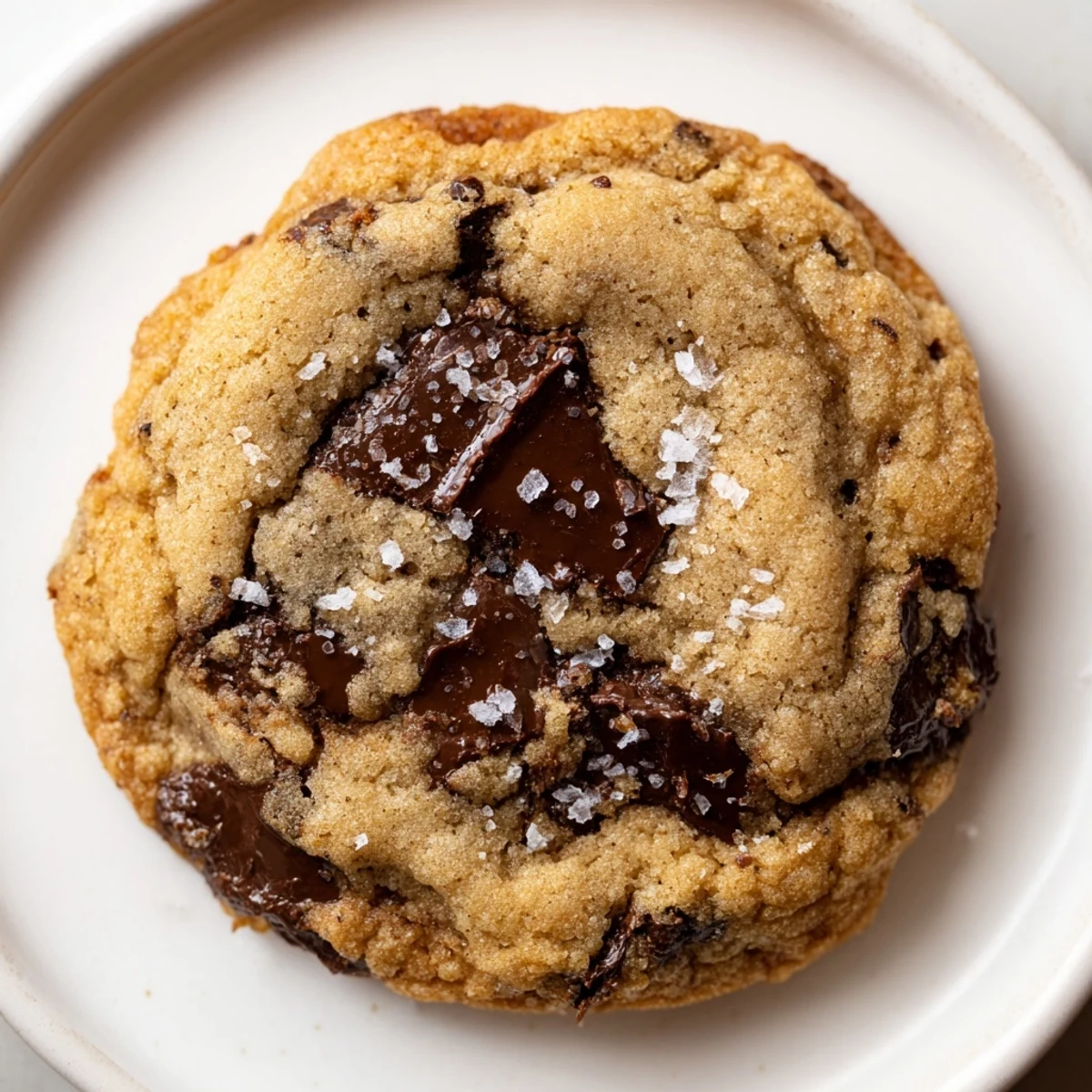
 There's a specific moment when a warm cookie with sea salt and dark chocolate stops being just dessert and becomes a small act of generosity. Whether you're making these for someone else or just for yourself at 10 p.m. when you need something that tastes like comfort, they deliver.
The Chemistry of Chewy vs. Crispy
Cookies are actually pretty forgiving once you understand what's happening. Brown sugar has molasses, which attracts moisture and keeps things tender; the eggs add richness and structure; baking soda creates spread and helps with browning. The underbaking isn't laziness—it's intentional, because the carryover heat on the pan continues cooking the bottom while the center stays soft. Pull them out when they look slightly raw in the middle, and you'll get that textural contrast that makes people reach for seconds.
Why Dark Chocolate and Sea Salt Works
This combination became popular for a reason. Dark chocolate has bitter, complex notes that can feel heavy if it's all you're tasting, but a hit of salt on your tongue resets your palate and makes the sweetness pop again. It's the same principle as how a good chip pairing works—the salt isn't fighting the chocolate, it's highlighting it. Flaky sea salt is crucial because fine salt dissolves too quickly; you want those crystals to stay distinct so you get separate waves of flavor.
Storage and Make-Ahead Tips
These cookies keep beautifully in an airtight container for up to 5 days, though they usually disappear faster. If you want fresh-baked cookies on demand, you can scoop the raw dough onto a baking sheet, freeze it until solid, then store the frozen scoops in a bag and bake directly from frozen, adding just a minute or two to the time. Some of my best moments have been pulling a sheet of these from the oven on a random Tuesday because I'd planned ahead.
- Keep them in a container with a piece of bread or apple to add moisture and keep them chewy longer.
- Room temperature dough is easier to scoop, so pull it from the fridge 10 minutes before baking if you made it ahead.
- These freeze beautifully for up to 3 months, so make a double batch and thank yourself later.
 Save to Pinterest
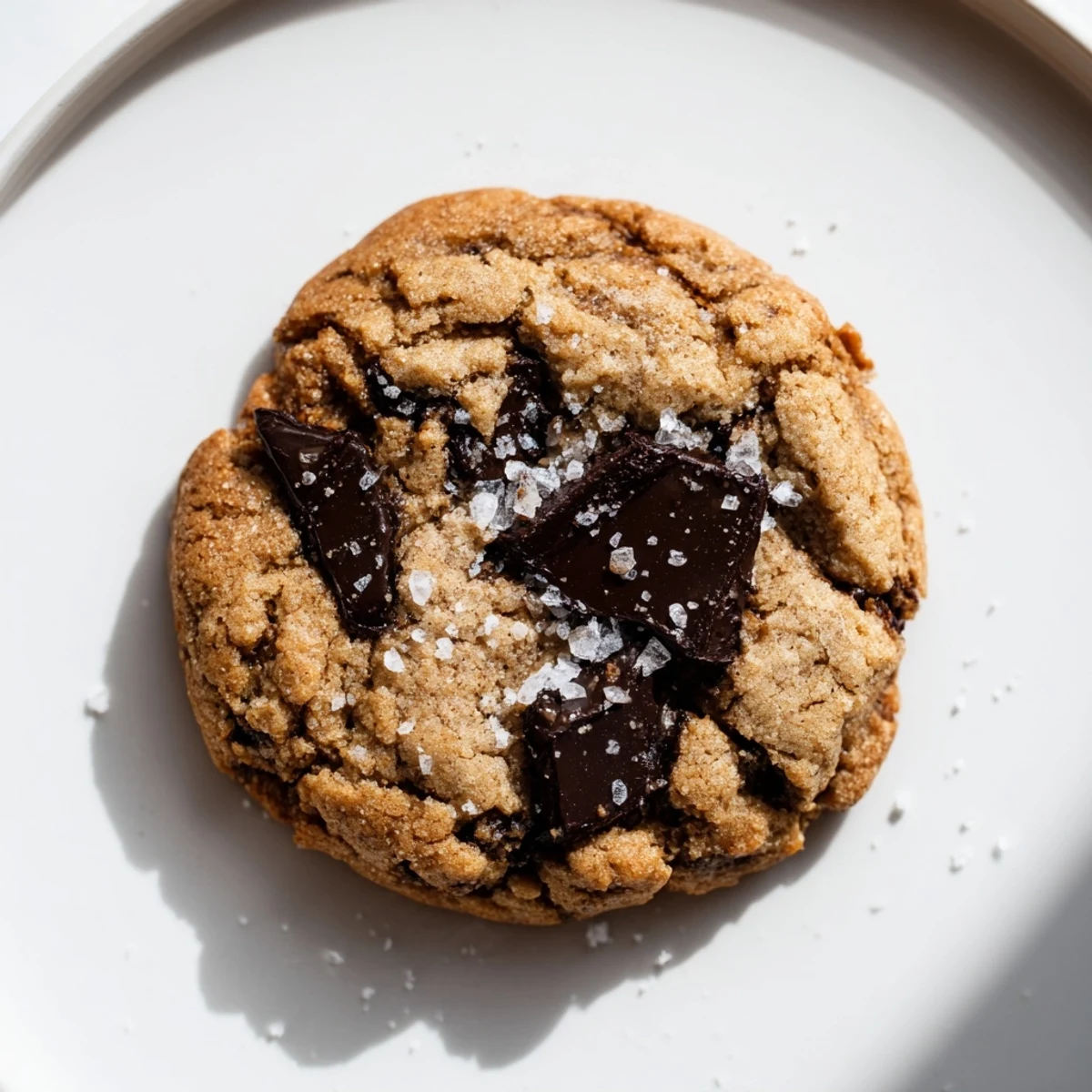
 Bake these for someone you want to impress, or for yourself on a day when you need reminding that good things don't have to be complicated. The sea salt flakes are your signature move.
Recipe Questions & Answers
- → How can I achieve chewy texture?
-
Underbake slightly and let the cookies cool on the baking sheet to maintain chewiness.
- → Can I use different types of chocolate?
-
Yes, milk or white chocolate chips can be used as alternatives to dark chocolate for varied flavors.
- → Are nuts necessary in the dough?
-
Nuts are optional; omitting them results in a nut-free version without compromising flavor.
- → What is the purpose of sprinkling sea salt?
-
The sea salt flakes add a crunchy texture and enhance the sweet flavors by providing a subtle salty contrast.
- → How should I store the cookies?
-
Store in an airtight container at room temperature to keep them fresh and maintain the chewy texture.
