
 Save to Pinterest
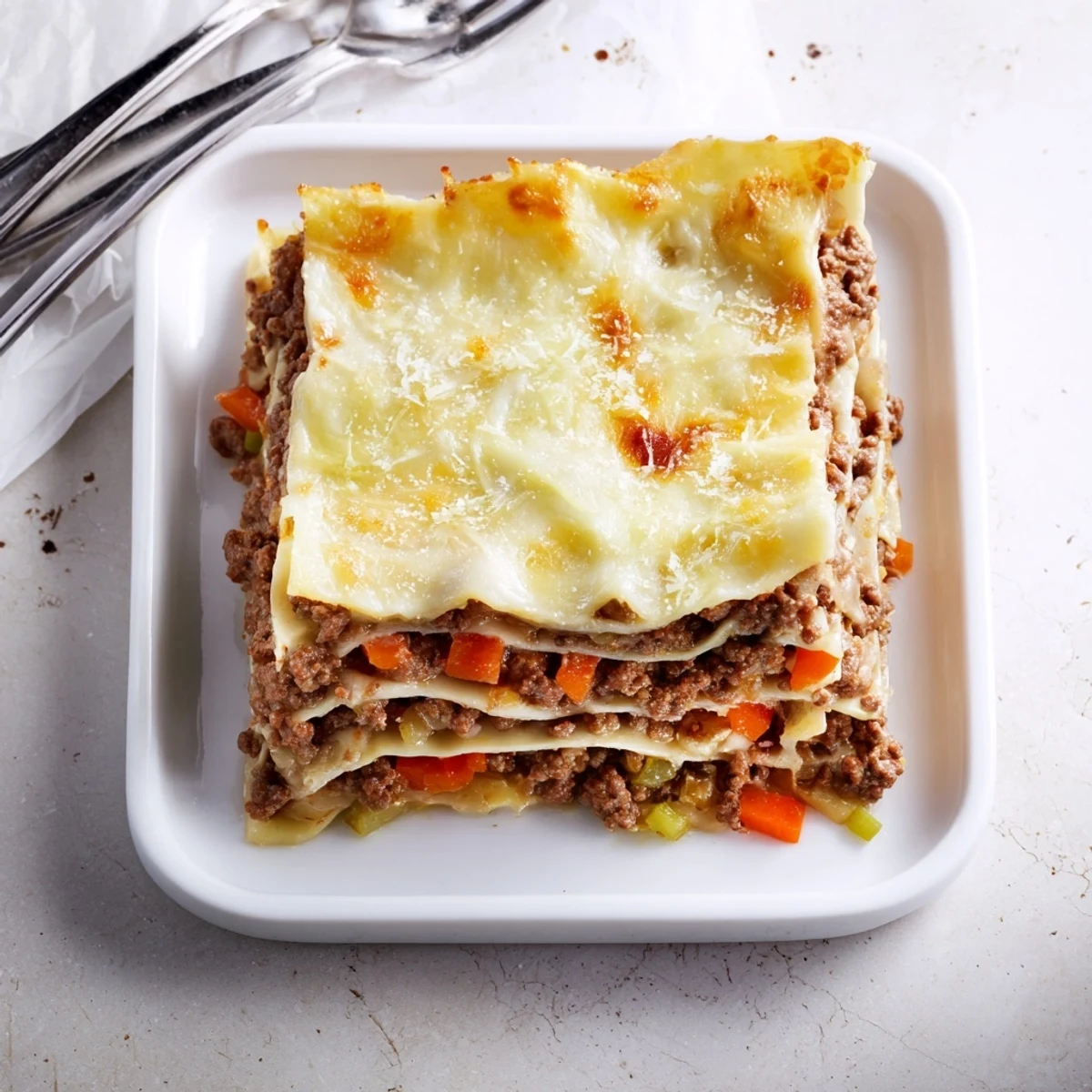
 This traditional Italian favourite combines slow-simmered beef ragu with handmade bechamel sauce and delicate pasta sheets. The ragu develops deep flavour through aromatic vegetables, herbs, and red wine, while the white sauce adds velvety richness. After layering and baking, the top becomes beautifully golden with melted mozzarella and parmesan. Allowing the dish to rest before serving ensures clean slices and lets the flavours meld together.
The winter our boiler broke, my tiny London kitchen became the warmest room in the house, mostly because I spent three Sundays in a row perfecting this lasagne. Something about standing over a simmering pot of ragù, watching steam fog up the windows while rain tapped against the glass, made everything feel slower and better.
My neighbor knocked on my door during the third batch, drawn by the smell of bubbling cheese and tomato. We ate standing up in the kitchen, burning our tongues on the first bites because neither of us could wait. She asked for the recipe before she even finished her square.
Ingredients
- 2 tablespoons olive oil: Creates the foundation for sautéing your vegetables into sweet, aromatic goodness
- 1 large onion, finely chopped: Adds essential sweetness and depth to the ragù base
- 2 carrots, diced: Balances the acidity of tomatoes with natural sweetness
- 2 celery stalks, diced: Provides subtle savory notes that round out the flavor
- 3 garlic cloves, minced: Brings aromatic punch to the beef mixture
- 750 g (1.7 lbs) ground beef: The hearty backbone of your ragù, choose beef with some fat for richness
- 2 tablespoons tomato paste: Concentrates the tomato flavor and adds deep umami notes
- 800 g (28 oz) canned crushed tomatoes: Forms the saucy body of your ragù
- 125 ml (½ cup) dry red wine: Adds complexity and brightness, use something you would drink
- 1 teaspoon dried oregano: Brings classic Italian herb essence
- 1 teaspoon dried basil: Complements oregano with sweet, floral notes
- 1 teaspoon salt: Essential for bringing all flavors forward
- ½ teaspoon black pepper: Adds gentle heat and dimension
- 1 teaspoon sugar (optional): Tames acidity if your tomatoes taste too sharp
- 60 g (¼ cup) unsalted butter: Creates the roux base for your silky béchamel
- 60 g (½ cup) all-purpose flour: Thickens the milk into a creamy sauce
- 800 ml (3⅓ cups) whole milk, warmed: Makes the béchamel rich and velvety
- ¼ teaspoon ground nutmeg: Adds warm, subtle complexity that makes béchamel taste professional
- ½ teaspoon salt: Seasons the white sauce perfectly
- ¼ teaspoon white pepper: Provides heat without visible specks in the sauce
- 12 no-boil lasagne sheets (approx. 250 g / 9 oz): Convenient noodles that cook perfectly in the oven
- 150 g (1½ cups) grated mozzarella cheese: Creates that irresistible golden, stretchy top
- 60 g (½ cup) grated Parmesan cheese: Adds salty, nutty depth to the final layer
Instructions
- Build your ragù foundation:
- Heat olive oil in a large skillet over medium heat, then add onion, carrot, and celery, sautéing for 6 to 8 minutes until the vegetables soften and turn fragrant. Stir in garlic and cook for just 1 minute until it releases its aroma.
- Brown the beef:
- Add ground beef to the skillet, breaking it up with a wooden spoon, and cook until it browns completely. This is where layers of flavor start building, so let the meat develop some color.
- Add depth and simmer:
- Stir in tomato paste and let it cook for 2 minutes to caramelize slightly. Pour in red wine and simmer until mostly evaporated, then add crushed tomatoes, oregano, basil, salt, pepper, and sugar if using. Simmer uncovered for 30 to 40 minutes, stirring occasionally, until the sauce thickens beautifully.
- Create the béchamel:
- Melt butter in a saucepan over medium heat, whisk in flour, and cook for 1 to 2 minutes. Gradually whisk in warm milk, cooking and stirring constantly until the sauce thickens and becomes smooth, about 6 to 8 minutes.
- Season the white sauce:
- Remove béchamel from heat and season with nutmeg, salt, and white pepper. The sauce should be velvety and thick enough to coat the back of a spoon.
- Start layering:
- Preheat your oven to 180°C (350°F). Spread a thin layer of ragù on the bottom of a 23x33 cm (9x13-inch) baking dish to prevent sticking.
- Build the lasagne:
- Add a layer of lasagne sheets, then spread one quarter of the ragù over the noodles, followed by one quarter of the béchamel. Repeat this layering process three more times, finishing with béchamel on top.
- Add the cheese topping:
- Sprinkle mozzarella and Parmesan evenly over the final layer of béchamel. This will create that gorgeous golden crust everyone fights over.
- Bake to perfection:
- Cover loosely with foil and bake for 30 minutes, then remove foil and bake for an additional 15 to 20 minutes until the top is golden brown and bubbling around the edges.
- Let it rest:
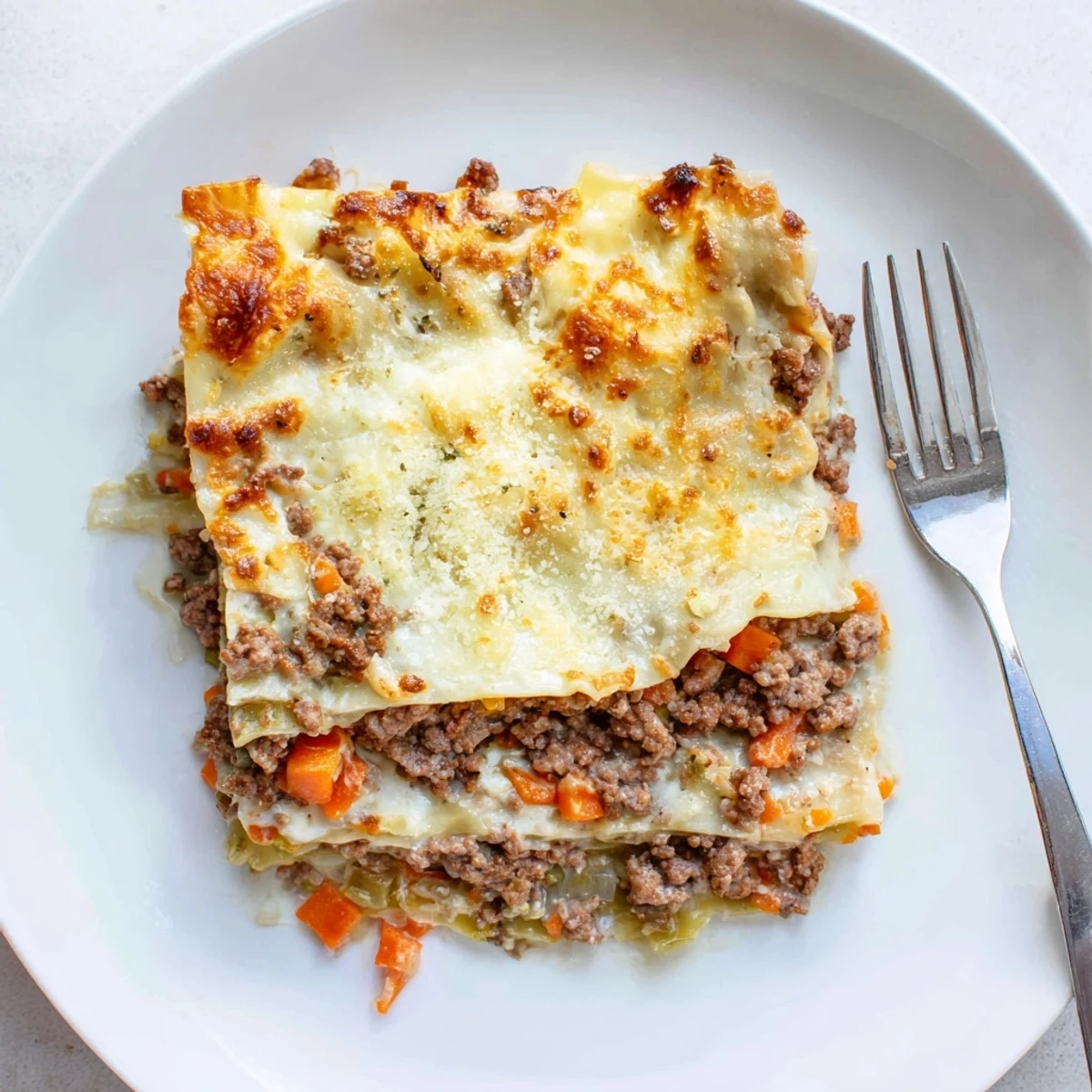
- Allow the lasagne to rest for 15 minutes before slicing. This feels like forever when you are hungry, but it is the secret to clean, neat squares that hold their shape.
 Save to Pinterest
 This recipe became my go to for housewarming gifts and new parents. There is something incredibly personal about handing someone a dish of homemade lasagne, knowing it will feed them for days and make their kitchen smell wonderful.
Make Ahead Magic
The ragù develops incredible depth when made 24 to 48 hours ahead. Let it cool completely before refrigerating, and you will notice the flavors have married and intensified. You can also assemble the entire lasagne the day before and refrigerate it unbaked.
Cheese Choices
While mozzarella creates that classic melt, mixing in some provolone adds sharpness and better browning. Fresh Parmesan is worth the investment over pre grated, it melts into the sauce instead of sitting on top.
Serving Suggestions
A simple green salad with bright vinaigrette cuts through the richness. Crusty bread for soaking up extra sauce is never a bad idea. This lasagne needs nothing more than a glass of red wine and good company.
- Leftovers reheat beautifully in the microwave with a splash of water
- Freeze individual portions for quick weeknight dinners
- The edges are always the most coveted part, so share fairly
 Save to Pinterest
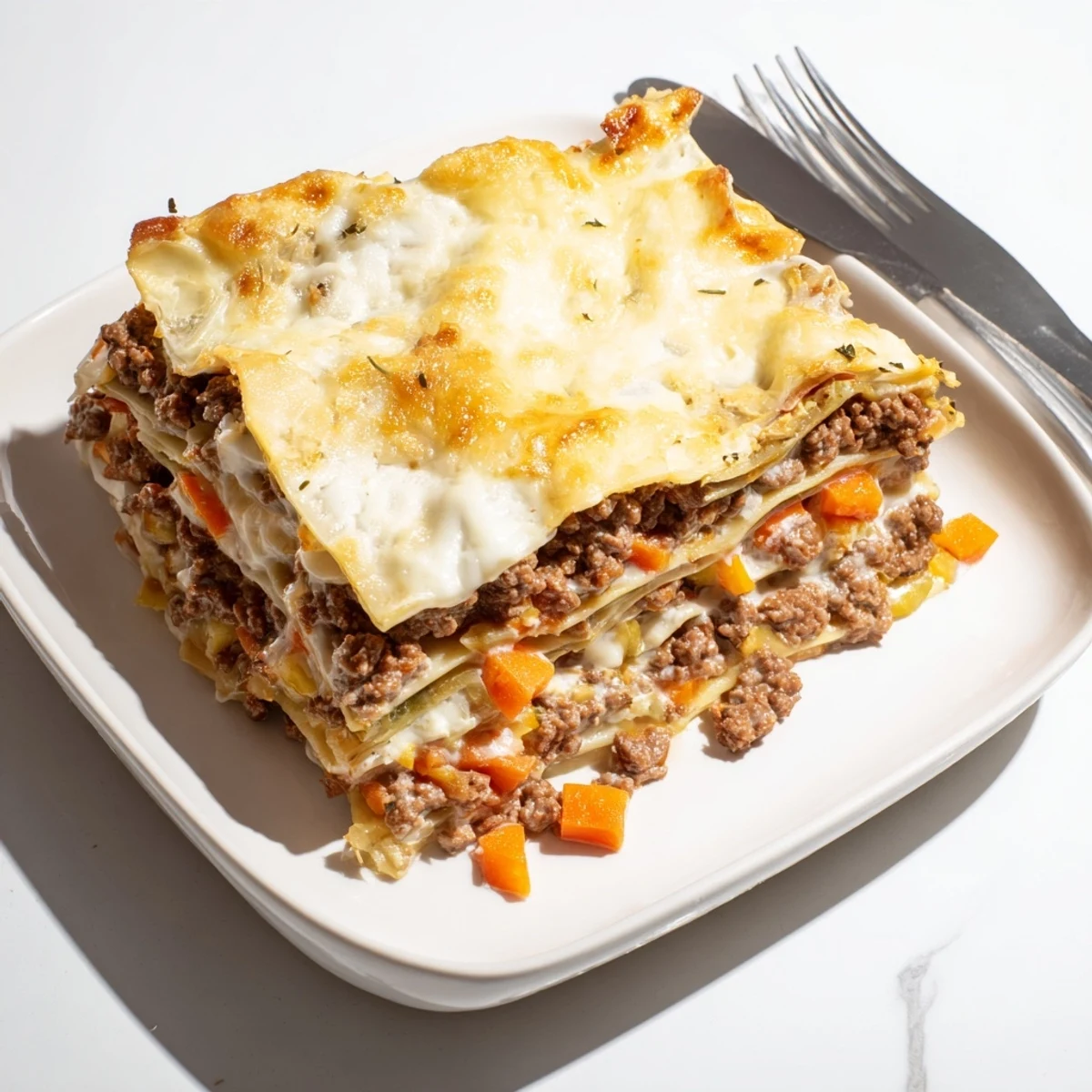
 There is nothing quite like pulling a bubbling lasagne from the oven and watching people gather around the counter, drawn by the smell. This is the kind of food that makes a house feel like home.
Recipe Questions & Answers
- → Can I prepare this ahead of time?
-
Yes, assemble the entire dish up to 24 hours in advance and refrigerate. Add 10-15 minutes to baking time if cooking from cold. Alternatively, freeze unbaked for up to 3 months.
- → What type of beef works best?
-
Ground beef with 15-20% fat content provides optimal flavour and moisture. Extra-lean beef may result in a drier ragu. You can also blend equal parts beef and pork for added depth.
- → Why does my bechamel sauce become lumpy?
-
Lumps typically form when cold milk hits the roux or when adding milk too quickly. Always warm your milk beforehand and whisk continuously while pouring in a thin, steady stream.
- → How do I know when the lasagne is done?
-
The dish is ready when the cheese is deeply golden and bubbling around the edges. A knife inserted into the centre should feel hot, and the pasta should be tender when pierced.
- → Can I use fresh pasta instead of no-boil sheets?
-
Fresh pasta sheets work beautifully and often require less baking time—reduce covered baking by about 10 minutes. Par-boil fresh sheets for 2 minutes if they seem thick.
- → What wine pairs well with this dish?
-
Italian reds like Chianti, Sangiovese, or Barbera complement the rich beef and tomato flavours. Their acidity cuts through the creamy bechamel while matching the ragu's intensity.
