
 Save to Pinterest
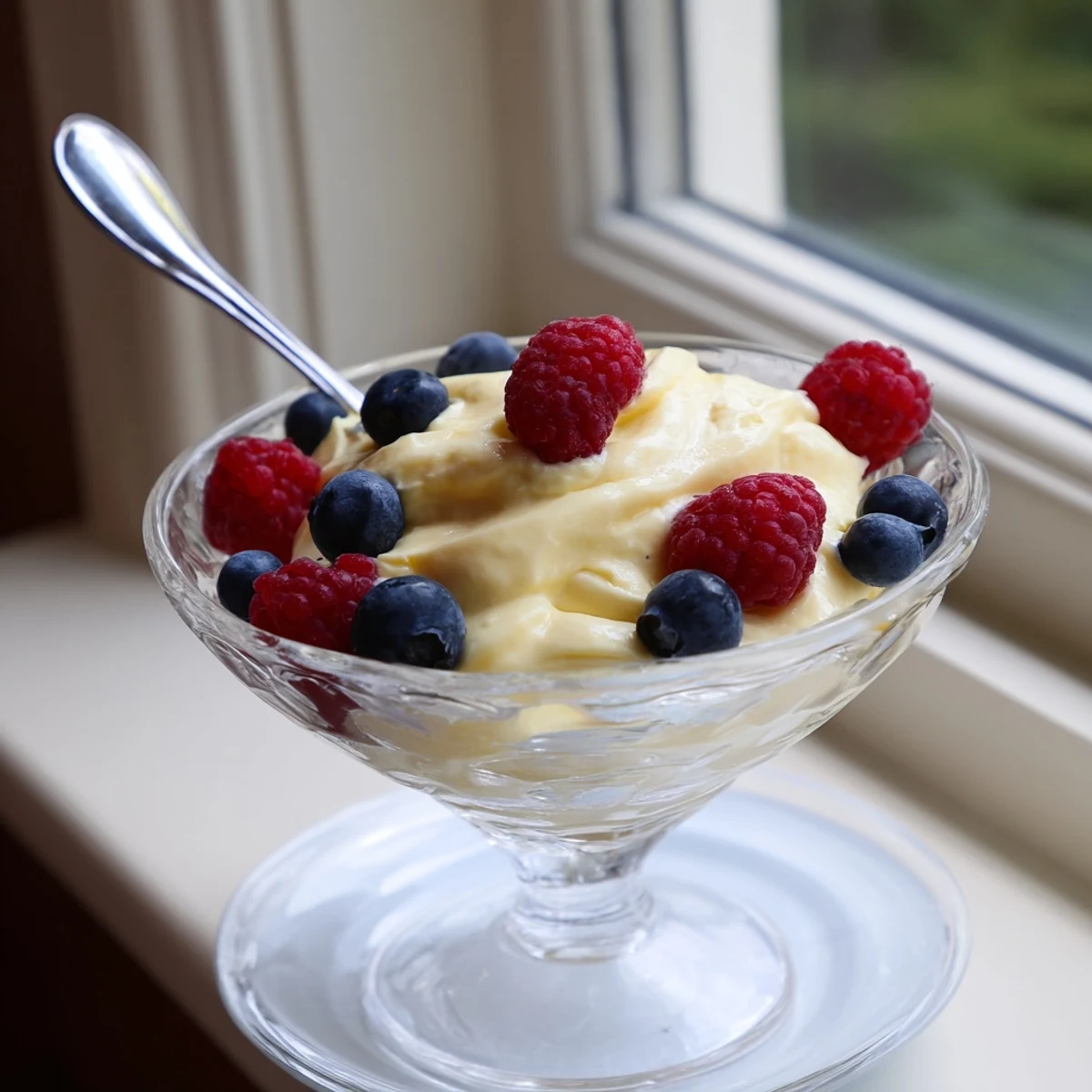
 Create this beloved Italian sweet with just three main ingredients. Whisk egg yolks and sugar over gently simmering water until pale, then gradually incorporate Marsala wine while continuously whisking. The mixture transforms into a silky, tripled-volume custard with soft ribbon consistency. Best served warm in elegant glasses, optionally accompanied by fresh berries or traditional ladyfingers.
The first time I watched an Italian nonna make zabaglione, I was certain she'd made a mistake. Just three ingredients, whisked over simmering water until they turned into this impossibly light, frothy cloud. The kitchen filled with the warm aroma of Marsala and sugar, and when she handed me a spoon to taste, I understood why something so simple has endured for centuries.
I made this for a dinner party once, frantically whisking while my guests finished their main course. When I carried those little glasses of warm, golden custard to the table, conversation stopped completely. There's something almost magical about the transformation that happens right before your eyes.
Ingredients
- 6 large egg yolks: Room temperature eggs whisk up faster and hold more air, giving you that cloud-like texture
- 1/2 cup granulated sugar: White sugar dissolves quickly and creates the right sweetness without overpowering the Marsala
- 1/2 cup Marsala wine: This fortified wine is the heart of zabaglione, though dry sherry works in a pinch
- Fresh berries: The tartness cuts through the rich custard beautifully
- Ladyfingers or biscotti: Perfect for dunking into the warm dessert
Instructions
- Set up your water bath:
- Fill a medium saucepan with about two inches of water and bring it to a gentle simmer, not a rolling boil. You want steady heat that won't scramble the eggs.
- Whisk the base:
- In a large heatproof bowl, whisk together those egg yolks and sugar until they turn pale and slightly thickened. This takes about two minutes of steady whisking.
- Start the double boiler:
- Place your bowl over the simmering water, making sure the bottom doesn't actually touch the water. This indirect heat is crucial for gentle cooking.
- Add the Marsala:
- Pour in the Marsala gradually while whisking constantly. Don't stop, or you'll end up with sweet scrambled eggs instead of silky custard.
- Watch the transformation:
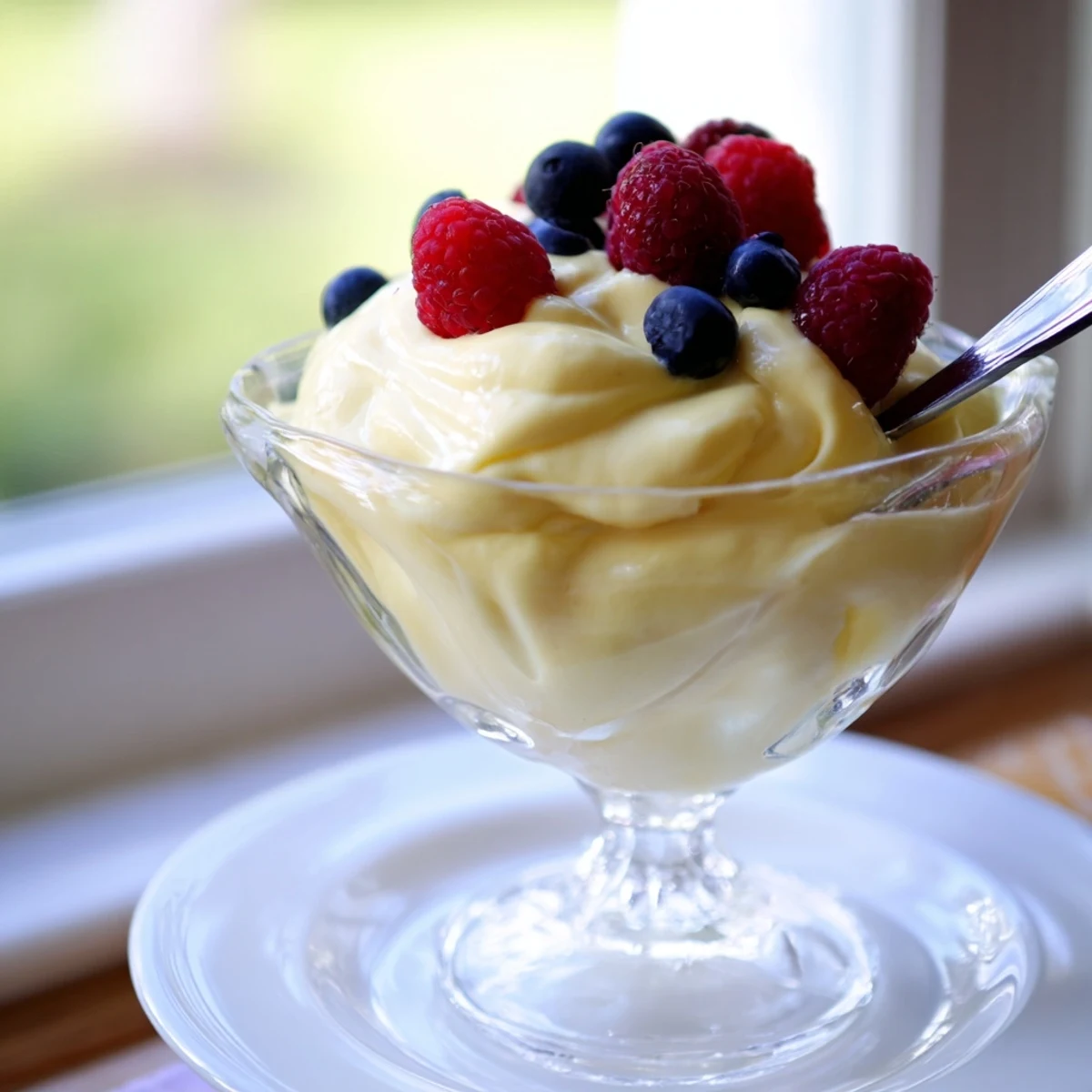
- Keep whisking for eight to ten minutes. The mixture will triple in volume and form thick, soft ribbons when you lift the whisk. You'll feel it getting heavier and more luxurious.
- Serve immediately:
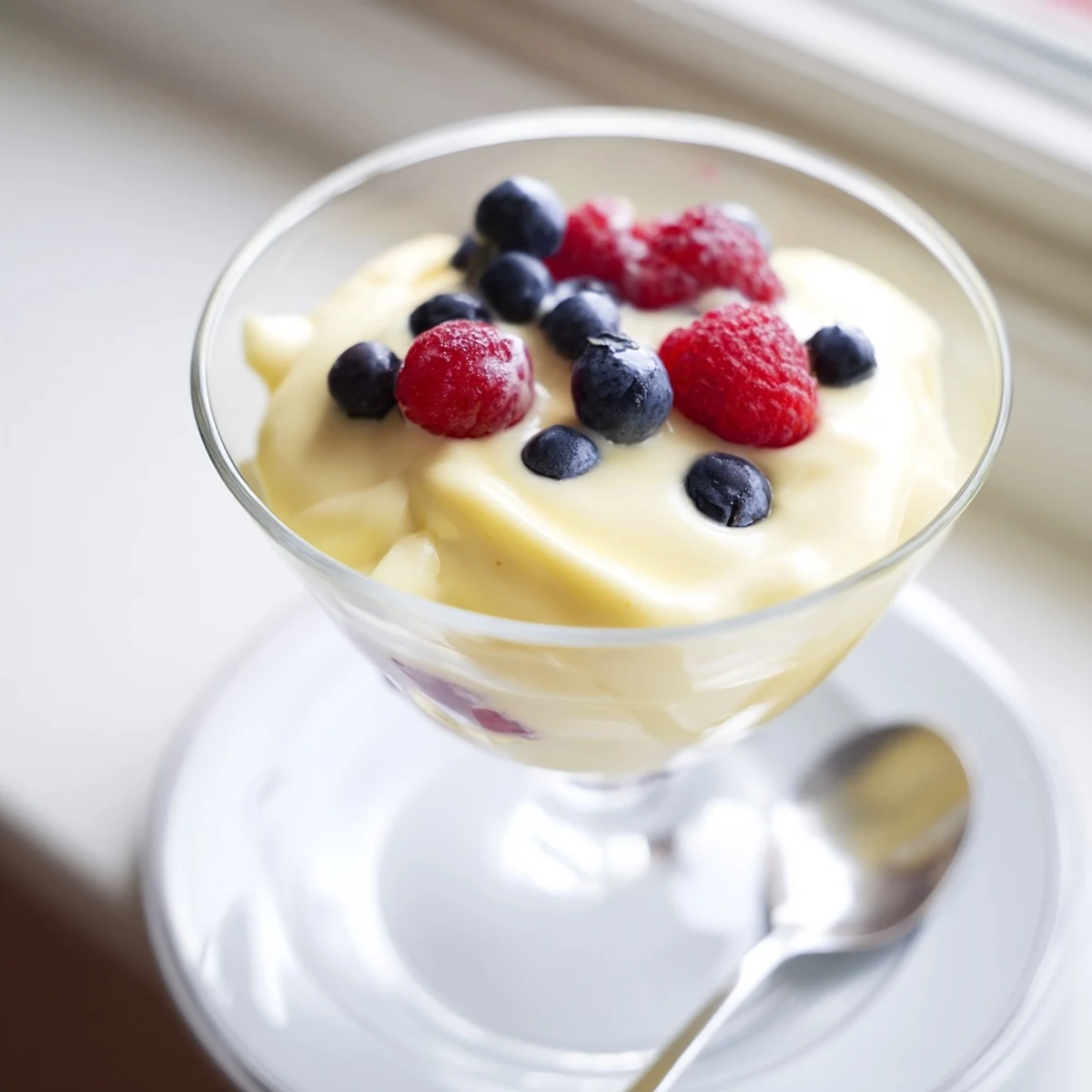
- Remove from heat and divide among dessert glasses or small bowls. Zabaglione is best enjoyed warm, when it's at its most ethereal.
 Save to Pinterest
 My grandmother used to make zabaglione on Sunday evenings, the smell of Marsala drifting through the house while we watched old movies. It became one of those recipes I associate with comfort and celebration all at once.
Making It Your Own
While traditional zabaglione is perfect as is, I've learned that a pinch of cinnamon or nutmeg whisked in at the end adds lovely warmth. Sometimes I fold in a tablespoon of mascarpone cheese for extra richness, creating a dessert that straddles the line between custard and mousse.
Serving Suggestions
Beyond the classic berries and ladyfingers, try pouring warm zabaglione over vanilla gelato for an affogato-style dessert. I've also served it in hollowed-out strawberries for dinner parties, and once I layered it between thin slices of panettone during the holidays. The possibilities are endless.
Troubleshooting Common Issues
If your zabaglione isn't thickening after ten minutes, your water might not be hot enough, but be careful increasing the heat too much. On the flip side, if it's thickening too fast and looking grainy, move the bowl to a cool surface for thirty seconds, then return it to the heat. Most problems come from rushing the process or walking away from the whisk.
- Room temperature ingredients make all the difference
- A copper bowl traditionally helps stabilize the egg yolks
- Practice your whisking arm beforehand, seriously
 Save to Pinterest
 There's something deeply satisfying about creating such an elegant dessert from such humble ingredients. This is the kind of recipe that reminds me why I fell in love with cooking in the first place.
Recipe Questions & Answers
- → What makes zabaglione unique among Italian desserts?
-
Zabaglione stands out for its incredibly airy texture achieved through whisking egg yolks and sugar over gentle heat. Unlike heavier custards, it triples in volume creating delicate ribbons while remaining luxuriously silky.
- → Can I make zabaglione without alcohol?
-
Yes, substitute Marsala wine with fresh orange juice for a non-alcoholic version. The citrus variation creates a lovely bright flavor while maintaining the signature texture and preparation method.
- → What's the secret to perfect zabaglione consistency?
-
Constant whisking is essential - never stop or the eggs may scramble. The mixture should form thick, soft ribbons when you lift the whisk, and the volume should triple. This typically takes 8-10 minutes over gentle simmering water.
- → Should zabaglione be served warm or chilled?
-
Traditional zabaglione is best served immediately while warm, showcasing its silky texture. However, you can chill it for a different consistency - it becomes more like a dense mousse. Both ways are delicious.
- → What pairs well with zabaglione?
-
Fresh berries provide lovely contrast and acidity. Traditional accompaniments include ladyfingers for dipping or biscotti for crunch. The custard also complements poached pears or serves as a topping for pound cake.
- → Can I prepare zabaglione ahead of time?
-
While best fresh, you can make zabaglione up to 2 hours ahead. Gently reheat over simmering water while whisking briefly to restore texture. Avoid refrigerating for extended periods as the texture may become grainy.
