
 Save to Pinterest
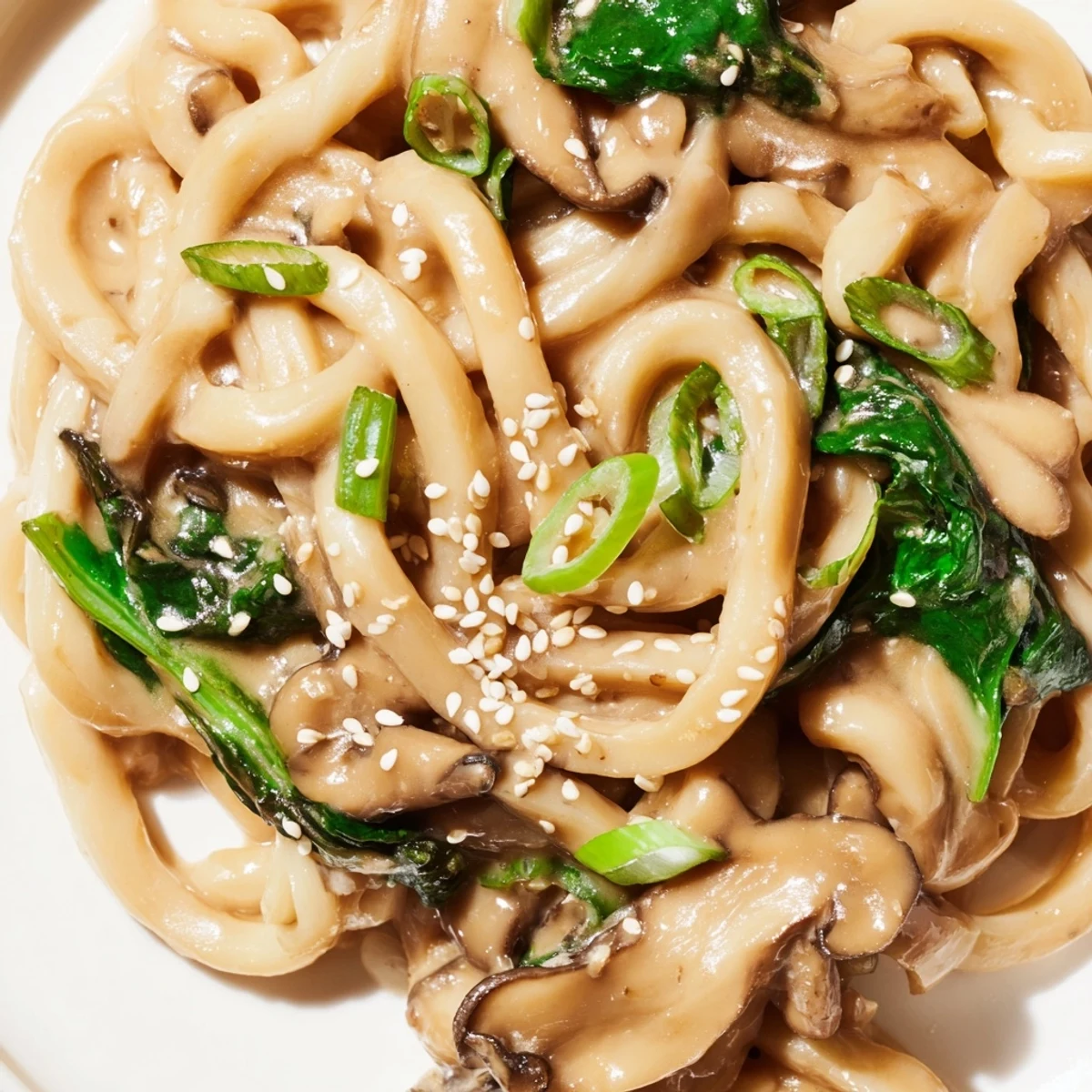
 This Japanese-inspired udon dish combines thick, chewy noodles with a velvety miso cream sauce that delivers deep umami flavor in every bite. The sauce strikes a perfect balance between savory miso paste, aromatic ginger and garlic, and luxurious cream.
Shiitake mushrooms add meaty texture while baby spinach brings fresh color and nutrients. The entire dish comes together in just 25 minutes, making it perfect for weeknight dinners when you want something comforting yet sophisticated.
The sauce clings beautifully to each noodle, ensuring every mouthful is flavorful. Top with crunchy sesame seeds, fresh green onions, and a sprinkle of chili flakes for extra heat if desired. This versatile dish works as a satisfying main course that will please both vegetarians and meat-lovers alike.
The first time I stumbled upon miso cream sauce, I was honestly skeptical. Who puts fermented soybean paste into heavy cream? But one forkful of those glossy, caramel coated udon noodles completely changed my mind. Now it is become my go to when I need something that feels fancy but actually takes less than half an hour.
My roommate walked in while I was testing this recipe and immediately hovered over the stove. The smell of garlic and ginger hitting the hot miso cream stopped her in her tracks. She ended up eating straight from the skillet while I tried to photograph it, which I think says everything you need to know.
Ingredients
- 200 g fresh or frozen udon noodles: These thick chewy noodles are the perfect vehicle for a rich sauce and hold up beautifully when tossed
- 1 tablespoon neutral oil: Canola or sunflower oil works best to let the other flavors shine without competing
- 1 small onion thinly sliced: They become sweet and tender as they cook down forming the aromatic base
- 1 cup shiitake mushrooms sliced: Earthy and meaty these add texture and another layer of umami
- 1/2 cup baby spinach leaves: Wilts perfectly in the hot sauce adding a pop of color and freshness
- 2 tablespoons white miso paste: The soul of the dish bringing that deep salty savory quality
- 2 teaspoons soy sauce: Enhances the miso and adds depth to the cream sauce
- 1 teaspoon sesame oil: Just enough to whisper nuttiness without overwhelming
- 1 teaspoon grated ginger: Fresh ginger cuts through the richness beautifully
- 1 clove garlic minced: Because almost everything is better with garlic
- 200 ml heavy cream: Creates that luscious velvety texture (plant based cream works wonderfully too)
- 60 ml water: Thins the sauce just enough so it coats not clumps
- 1 tablespoon sliced green onions: Fresh bite and color on top
- 1 teaspoon toasted sesame seeds: That little crunch makes every bite interesting
Instructions
- Get your noodles going:
- Cook the udon according to package directions then drain and set aside. Fresh udon only needs a couple of minutes while frozen might take a bit longer.
- Build your vegetable base:
- Heat the neutral oil in a large skillet over medium heat. Add the sliced onion and let it soften for about 2 minutes until it starts to turn translucent.
- Add the mushrooms:
- Toss in the shiitake slices and sauté for 3 to 4 minutes. They should shrink down and become golden brown in spots which means they are developing flavor.
- Bloom the aromatics:
- Stir in the minced garlic and grated ginger cooking for just 1 minute until fragrant. Do not let them brown or they will turn bitter.
- Whisk your sauce:
- In a bowl combine the miso paste soy sauce sesame oil heavy cream and water. Whisk until completely smooth with no lumps of miso remaining.
- Create the cream sauce:
- Pour the sauce mixture into the skillet with your vegetables. Bring it to a gentle simmer and let it cook for 2 to 3 minutes stirring frequently. The sauce will thicken slightly and coat the back of a spoon.
- Bring it all together:
- Add the cooked udon noodles and baby spinach to the skillet. Toss everything together with tongs until the noodles are glossy and coated and the spinach has just wilted.
- Final seasoning check:
- Taste a noodle and adjust if needed. The miso and soy sauce might be salty enough but trust your palate.
- Finish and serve:
- Plate the noodles immediately while they are hot and glossy. Top with sliced green onions toasted sesame seeds and chili flakes if you like a little heat.
 Save to Pinterest
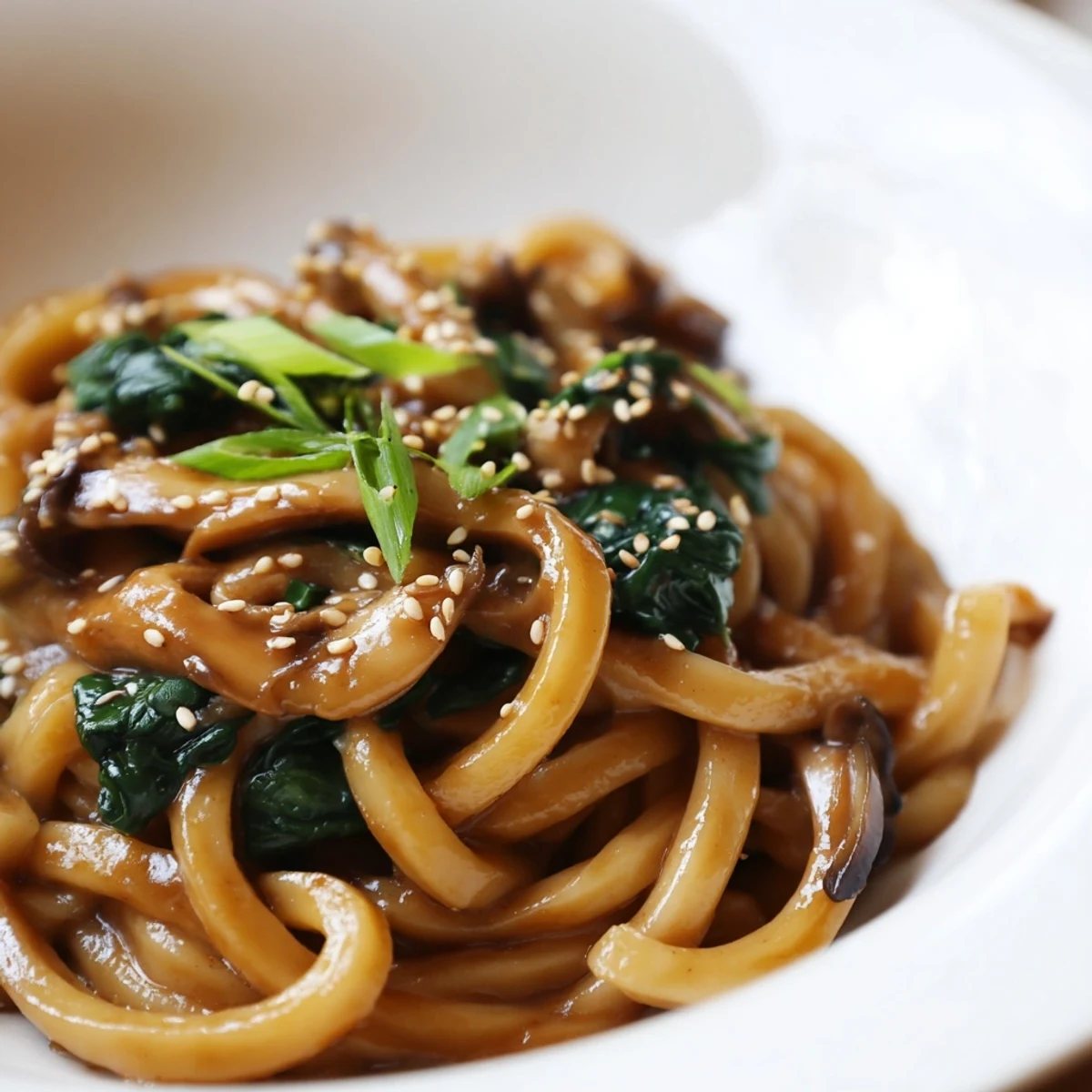
 This recipe became a staple during a particularly cold February when nothing sounded good but everything needed to be warm and substantial. Something about the combination of slurpy noodles and that golden sauce just makes everything feel right with the world.
Making It Your Own
Once you have the basic miso cream formula down the variations are endless. I have added cubed tofu for protein swapped spinach for bok choy and even made it with brown rice udon when that was all the store had. The sauce works with pretty much any vegetable that wilts nicely.
Kitchen Wisdom
When whisking miso into liquids it helps to mash it against the side of the bowl first to break up any clumps. The fermented paste can be stubborn but a little patience at this stage means perfectly smooth sauce later. Also invest in good miso. The difference between artisanal miso and the cheap stuff is night and day.
Perfect Pairings
This dish is rich enough to stand alone but a simple cucumber salad with rice vinegar cuts through the creaminess beautifully. If you want to make it a full spread add some steamed gyoza or tempura vegetables on the side.
- A cold crisp beer or dry sake balances the richness perfectly
- Lemon wedges on the let brighten everything up if you want contrast
- Extra chili flakes never hurt anybody
 Save to Pinterest
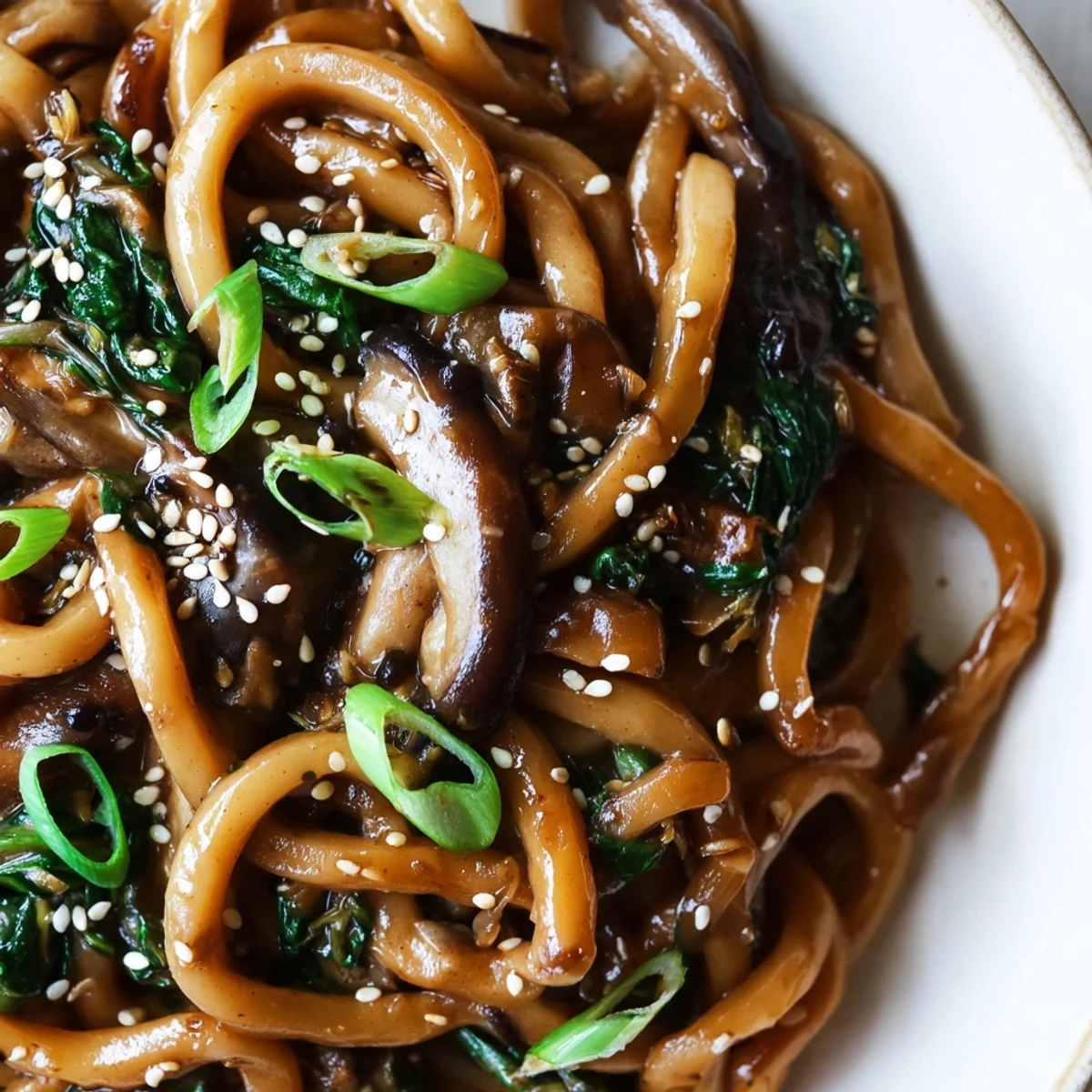
 There is something profoundly satisfying about slurping up these miso coated noodles while they are still steaming hot. Hope this recipe brings you as many cozy nights as it has brought me.
Recipe Questions & Answers
- → Can I make this dish vegan?
-
Yes, simply substitute heavy cream with your favorite plant-based cream alternative such as coconut cream, cashew cream, or oat cream. Ensure your udon noodles are egg-free, which most traditional udon already are.
- → What type of miso works best?
-
White miso paste (shiro miso) is ideal here as it provides a milder, slightly sweet flavor that won't overpower the cream sauce. Red miso can be used if you prefer a stronger, more intense fermented taste.
- → Can I add protein to this dish?
-
Absolutely. Crispy tofu cubes, pan-fried tempeh, or edamame would all be excellent additions. You could also top with a soft-boiled egg or grilled chicken if you eat meat.
- → How do I store leftovers?
-
Store in an airtight container in the refrigerator for up to 3 days. The sauce may thicken when cold, so add a splash of water or cream when reheating. Note that udon noodles can become softer after storage.
- → Can I use different vegetables?
-
Yes, this dish is very adaptable. Try bok choy, snap peas, shredded carrots, or bell peppers. Leafy greens like kale or Swiss chard work well too—just add them a minute earlier if they're heartier than spinach.
- → Is this dish gluten-free?
-
Traditional udon contains wheat, but you can use gluten-free noodles made from brown rice or buckwheat. Substitute soy sauce with tamari to make the entire dish gluten-free while maintaining the same flavor profile.
