
 Save to Pinterest
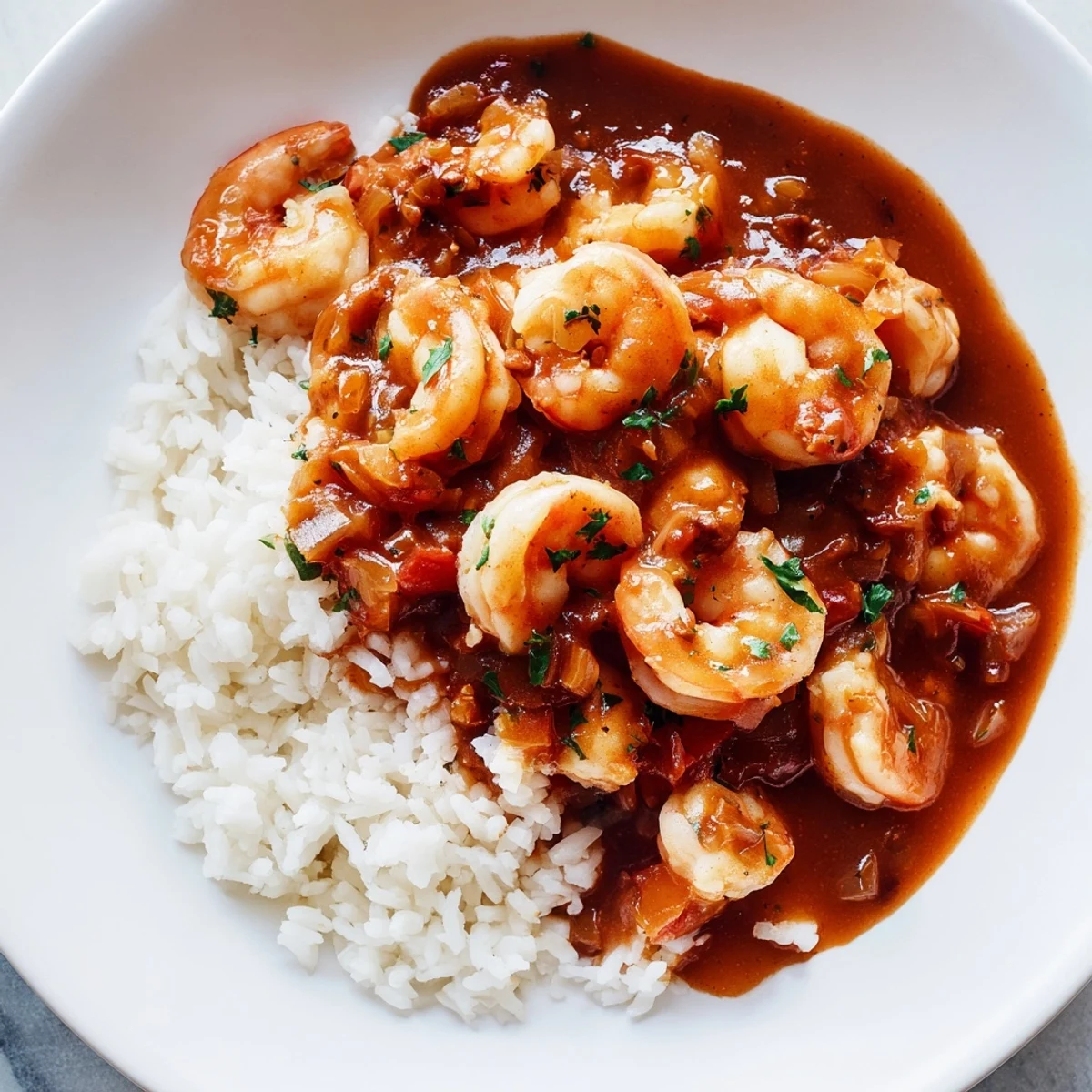
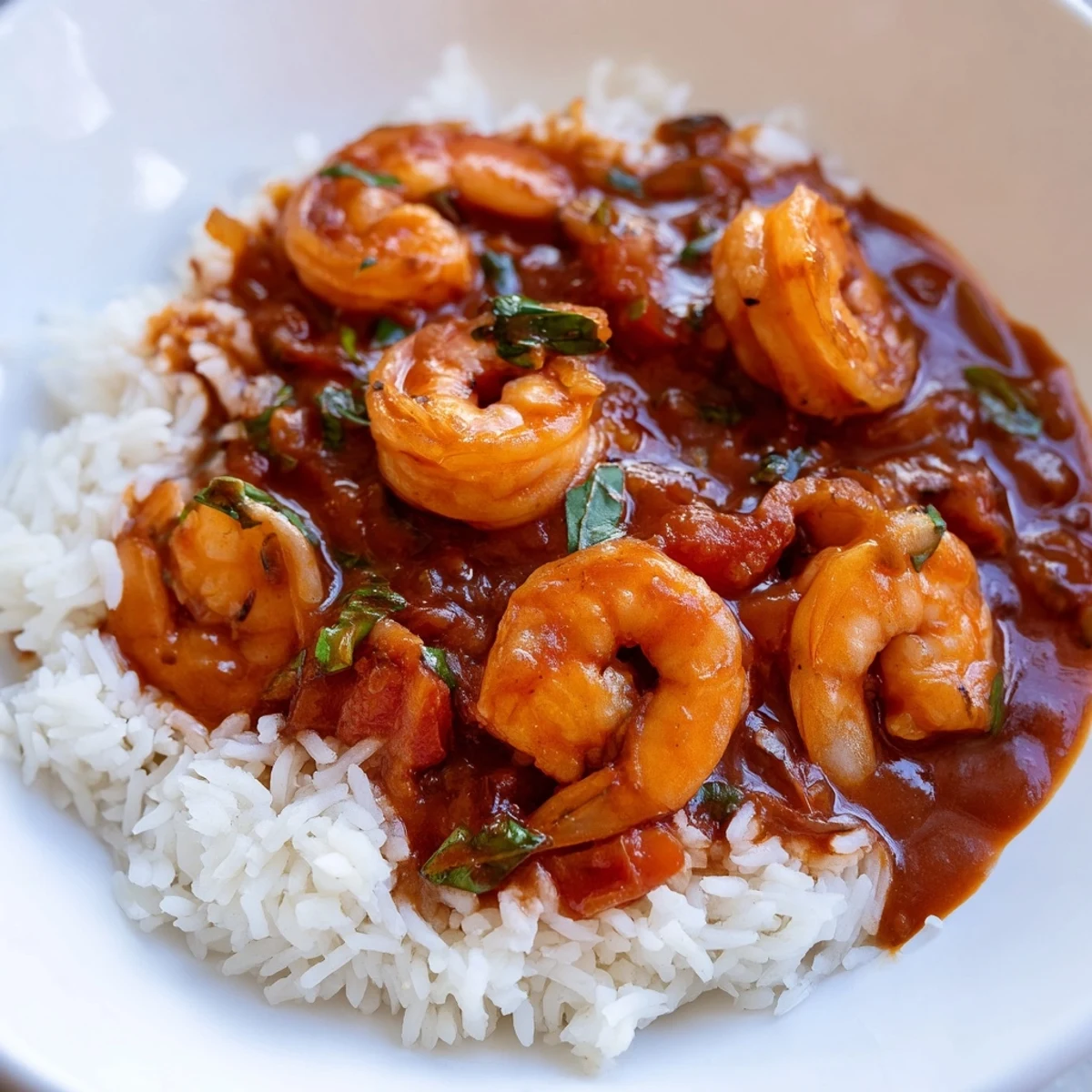
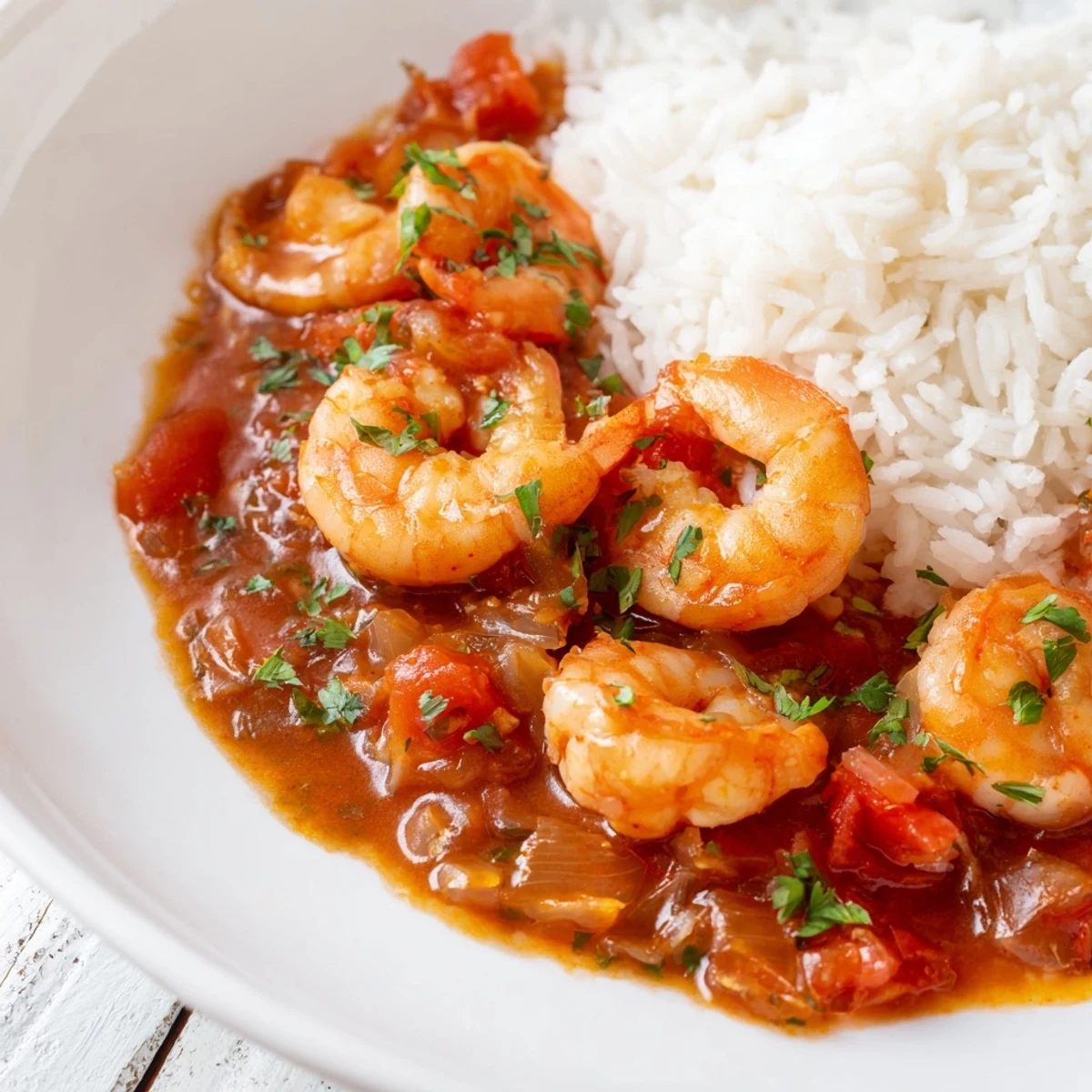
 This authentic Creole shrimp étouffée combines tender Gulf shrimp with a deeply flavored sauce built on the holy trinity of onions, bell peppers, and celery. A light roux creates the perfect base for a rich, spicy broth infused with tomatoes, seafood stock, and warm Creole spices including smoked paprika and thyme. The shrimp cook quickly to tender perfection, finished with bright lemon juice and fresh parsley. Served over fluffy long-grain white rice, this elegant yet approachable dish delivers restaurant-quality flavor in just one hour.
The aroma of the Holy Trinity - that perfect mix of onions, bell peppers, and celery - always takes me back to my first trip to New Orleans. I wandered into a small restaurant off Bourbon Street where the chef insisted I try his shrimp étouffée. The rich, brick-red sauce clung perfectly to each plump shrimp, and I knew this was a dish I needed in my life permanently.
Last summer, I made this étouffée for my seafood-skeptical brother-in-law who claimed he could never enjoy shrimp. The look of surprise that spread across his face after the first bite was priceless. He not only cleaned his plate but asked for the recipe before leaving that night.
Ingredients
- The Holy Trinity: Equal parts onion, green bell pepper, and celery form the backbone of authentic Creole cooking, and I never rush the sautéing process because this is where your flavor foundation begins.
- Large Shrimp: I learned the hard way that smaller shrimp overcook quickly in this hot sauce, so stick with large or jumbo shrimp and leave the tails on for extra flavor.
- Seafood Stock: Though chicken stock works in a pinch, seafood stock creates a noticeable difference in depth, especially if you make a quick one by simmering your shrimp shells for 15 minutes.
- Creole Seasoning: Every Louisiana cook has their own blend, but a good store-bought version works beautifully when you balance it with your own additions of thyme and cayenne.
Instructions
- Perfect Your Rice First:
- Always start with the rice since it can stay warm while you prepare the étouffée. The rinsing step is non-negotiable for removing excess starch that would make your rice gummy instead of fluffy.
- Build Your Flavor Base:
- Let the Holy Trinity vegetables sweat slowly until they become translucent and fragrant. You should hear a gentle sizzle, not an aggressive fry.
- Create a Light Roux:
- When adding the flour to your vegetable mixture, keep stirring constantly to prevent any burning. Watch as it transforms from white to a light peanut butter color that will thicken your sauce beautifully.
- Layer In Liquids:
- Add your stock gradually while stirring to prevent lumps from forming. The sauce should coat the back of your wooden spoon when ready.
- Shrimp Timing Matters:
- Shrimp cook remarkably quickly, so add them at the very end and watch for that moment when they turn from translucent gray to opaque pink. Pull the pot off the heat just as they finish cooking.
 Save to Pinterest
 My neighbor Elaine, who grew up in Baton Rouge, tasted my étouffée after I had been tweaking the recipe for months. She took one bite, closed her eyes, and whispered, This tastes like coming home. That moment of culinary connection across our different backgrounds meant more than any formal cooking accolade ever could.
Making It Ahead
The base sauce for étouffée actually improves after a day in the refrigerator, allowing all those complex flavors to meld together. I often prepare everything up to the shrimp-adding step the day before a dinner party, then simply reheat the sauce and add fresh shrimp just before serving.
Serving Suggestions
While purists might disagree, I find a small side of buttered French bread essential for sopping up every last bit of that precious sauce. The contrast between the crisp bread crust and the velvety étouffée creates one of those perfect bites that makes everyone at the table go quiet for a moment.
Adjusting The Heat
The beauty of étouffée is how personal you can make it with just minor adjustments to the spice level. During one memorable dinner party, I served small dishes of extra cayenne, hot sauce, and sliced fresh jalapeños on the table, letting guests customize their heat preference.
- For mild palates, omit the cayenne entirely and use a gentle hand with the Creole seasoning.
- For medium heat that most people enjoy, follow the recipe as written with just a pinch of cayenne.
- For true heat lovers, double the cayenne and add a finely diced jalapeño with the Holy Trinity vegetables.
 Save to Pinterest
 This étouffée has become my signature dish, the one friends request for birthdays and the recipe most frequently borrowed from my collection. Its proof that sometimes the most meaningful dishes are the ones that connect us to places weve been or people weve loved.
Recipe Questions & Answers
- → What is the holy trinity in Creole cooking?
-
The holy trinity refers to the combination of onions, celery, and bell peppers. These three vegetables form the aromatic base for countless Creole and Cajun dishes, similar to the French mirepoix. They're typically sautéed together to develop flavor and provide the foundation for the dish.
- → How do I know when the shrimp is cooked through?
-
Shrimp cooks very quickly, typically in 3-5 minutes. It's done when it turns from translucent gray to opaque pink and curls slightly into a C-shape. Overcooked shrimp becomes rubbery, so watch carefully and remove from heat as soon as the color changes.
- → Can I make this dish ahead of time?
-
Yes, you can prepare the sauce up to 24 hours in advance and refrigerate it. Reheat gently on the stovetop before adding the shrimp. Cook the shrimp fresh when ready to serve for best texture. The rice is best prepared fresh, but you can make it a few hours ahead and reheat with a splash of water.
- → What's the difference between étouffée and gumbo?
-
Étouffée means "smothered" and features a thicker sauce that clings to the protein, while gumbo is a more broth-like stew with a roux base and often includes okra or filé powder as thickening agents. Étouffée is served over rice, whereas gumbo can be served as a standalone stew.
- → How can I adjust the spice level?
-
The cayenne pepper is optional and controls heat intensity. Start with 1/4 teaspoon and add more to taste if you prefer extra heat. The Creole seasoning also contributes mild spice. You can also reduce or omit it depending on your spice tolerance. Taste the sauce before adding shrimp and adjust seasonings accordingly.
- → What wines pair well with this dish?
-
Crisp white wines work best to balance the richness and spice. Sauvignon Blanc is recommended, but Pinot Grigio, Albariño, or even a dry rosé are excellent choices. The acidity and light body complement the shrimp and sauce without overwhelming the delicate flavors.
