
 Save to Pinterest
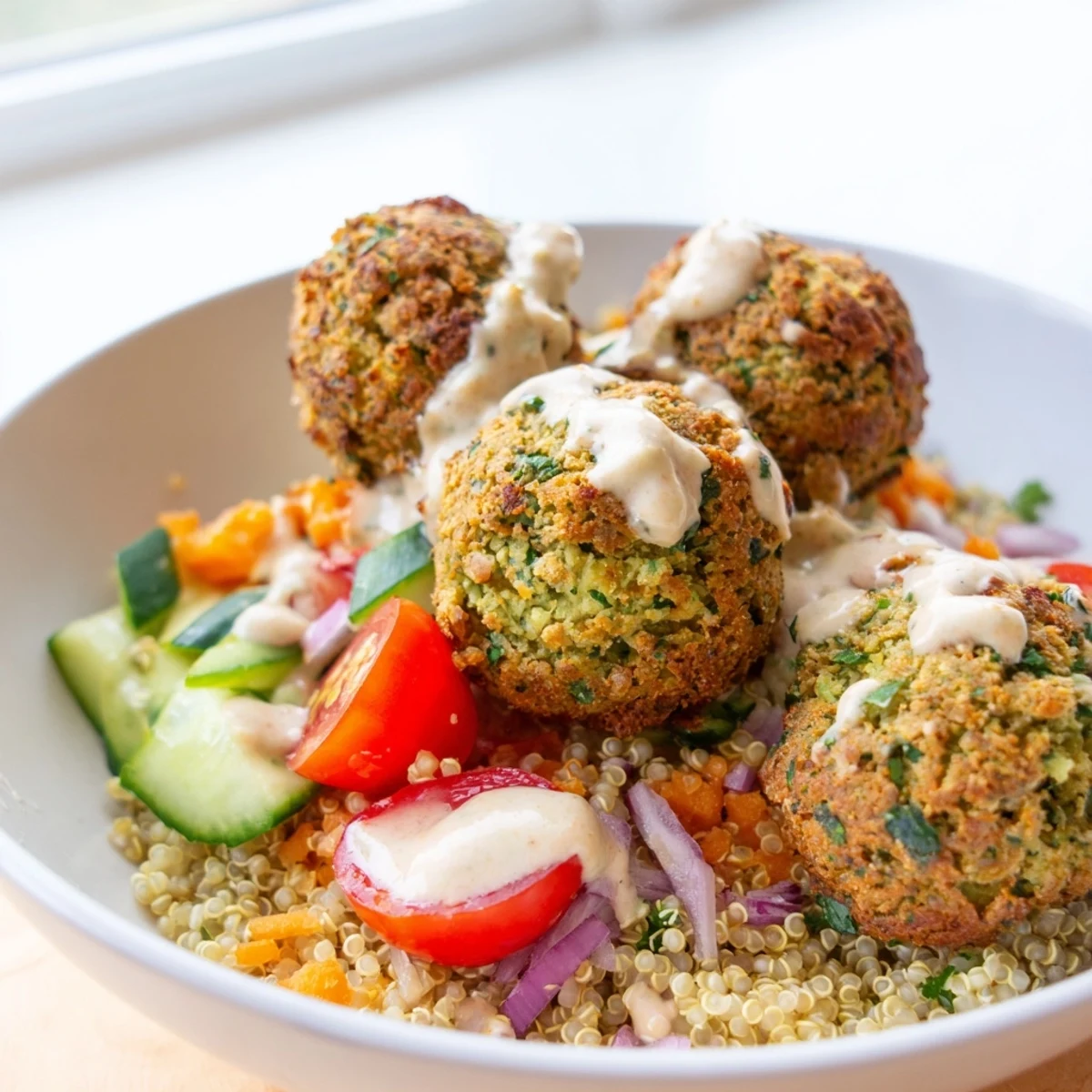
 This falafel grain bowl brings together golden, pan-fried chickpea falafel with fluffy quinoa or brown rice and a colorful medley of fresh vegetables. The creamy tahini-lemon dressing ties everything together beautifully.
Ready in about 50 minutes, it makes a satisfying main dish for four. Each component is simple to prepare — pulse the falafel mixture in a food processor, pan-fry until crisp, cook your grains, and whisk together the dressing. Assembly is as easy as dividing everything among bowls and drizzling generously with tahini.
It's naturally vegetarian and dairy-free, easily adaptable for gluten-free diets by swapping in chickpea flour. Feel free to customize with toppings like pickled turnips, olives, or a sprinkle of za'atar for extra Middle Eastern flair.
The sizzle of falafel hitting a hot pan on a lazy Sunday afternoon is one of those sounds that instantly makes a kitchen feel alive. I started making these grain bowls during a phase when I was obsessed with meal prep but tired of boring salads. The combination of crispy spiced chickpea patties over fluffy quinoa with a tangy tahini drizzle converted me into someone who actually looks forward to leftovers.
My roommate walked in halfway through assembling the first batch and declared she was only going to eat falafel bowls for the rest of her life. We ended up standing around the kitchen counter eating straight from the serving plates before we even made it to the table.
Ingredients
- Cooked chickpeas: Canned works beautifully but drain and rinse them well because excess moisture makes the falafel fall apart.
- Small onion, roughly chopped: Half an onion is all you need to add sweetness and moisture to the mixture.
- Garlic cloves: Two cloves give a gentle warmth without overpowering the herbs.
- Fresh parsley and cilantro: These two herbs together create that classic Middle Eastern flavor so do not skip either one.
- Ground cumin and coriander: A simple spice duo that does heavy lifting in the flavor department.
- Baking powder: Just a half teaspoon keeps the falafel light inside rather than dense.
- All purpose flour or chickpea flour: This binds the mixture and chickpea flour makes it fully gluten free.
- Olive oil for pan frying: Three tablespoons in a hot skillet gives a golden crust that rivals any deep fried version.
- Quinoa or brown rice: Quinoa cooks faster and adds protein but brown rice has a nutty chew that is equally satisfying.
- Cherry tomatoes, halved: Their sweetness balances the earthy grains and savory falafel.
- Cucumber, diced: Cool crunch that refreshes every bite.
- Mixed greens: Arugula adds a peppery kick that pairs especially well with tahini.
- Carrot, shredded: A handful of shreds brings color and a slight sweetness.
- Red onion, thinly sliced: Sharpness that cuts through the richness of the falafel.
- Tahini: The backbone of the dressing so use a good quality brand that tastes nutty and smooth.
- Lemon juice: Fresh is non negotiable here because bottled juice tastes flat against the tahini.
Instructions
- Cook the grains:
- Rinse your quinoa or rice under cold water until it runs clear then combine with water or broth and salt in a saucepan. Bring it to a boil, drop to a simmer, cover, and let it cook until tender and fluffy.
- Build the falafel mixture:
- Toss chickpeas, onion, garlic, herbs, spices, baking powder, flour, salt, and pepper into a food processor. Pulse until everything is coarse and combined but stop before it turns into hummus because you want texture.
- Shape and pan fry:
- Roll the mixture into small balls or patties about two tablespoons each, then lay them gently into a hot oiled skillet. Cook three to four minutes per side until each falafel is deeply golden and crisp, then transfer to a paper towel.
- Whisk the tahini dressing:
- Stir together tahini, lemon juice, olive oil, water, minced garlic, salt, and pepper in a small bowl until silky and pourable. Add another splash of water if it seizes up or feels too thick.
- Build each bowl:
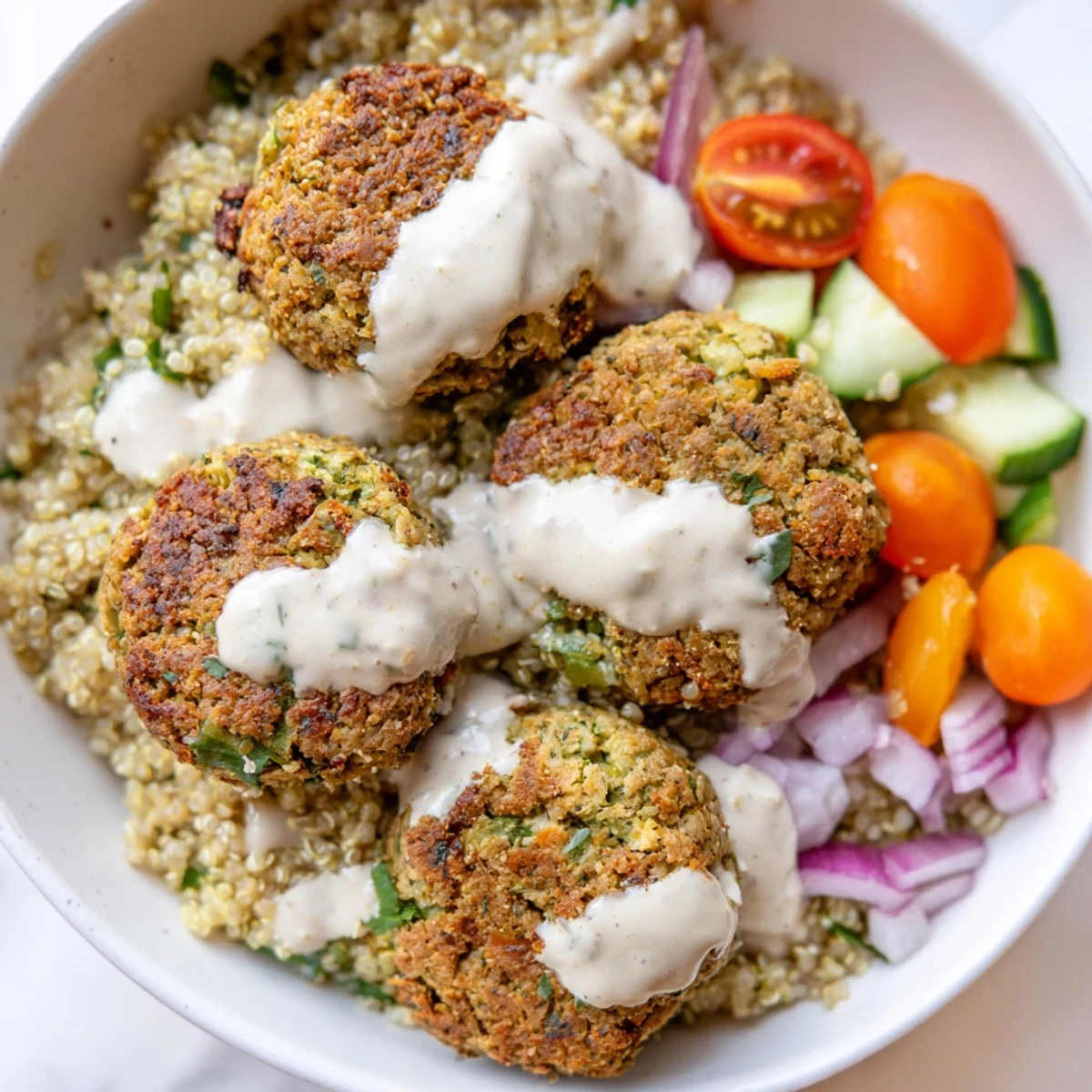
- Divide the warm grains among four bowls and arrange greens, tomatoes, cucumber, shredded carrot, red onion, and any pickled vegetables over the top. Nestle the falafel into each bowl and finish with a generous drizzle of dressing.
 Save to Pinterest
 I brought a big batch of these bowls to a potluck picnic once and watched a self proclaimed meat lover go back for thirds. That moment taught me that a really good vegetarian dish never needs an apology.
Getting the Falafel Texture Right
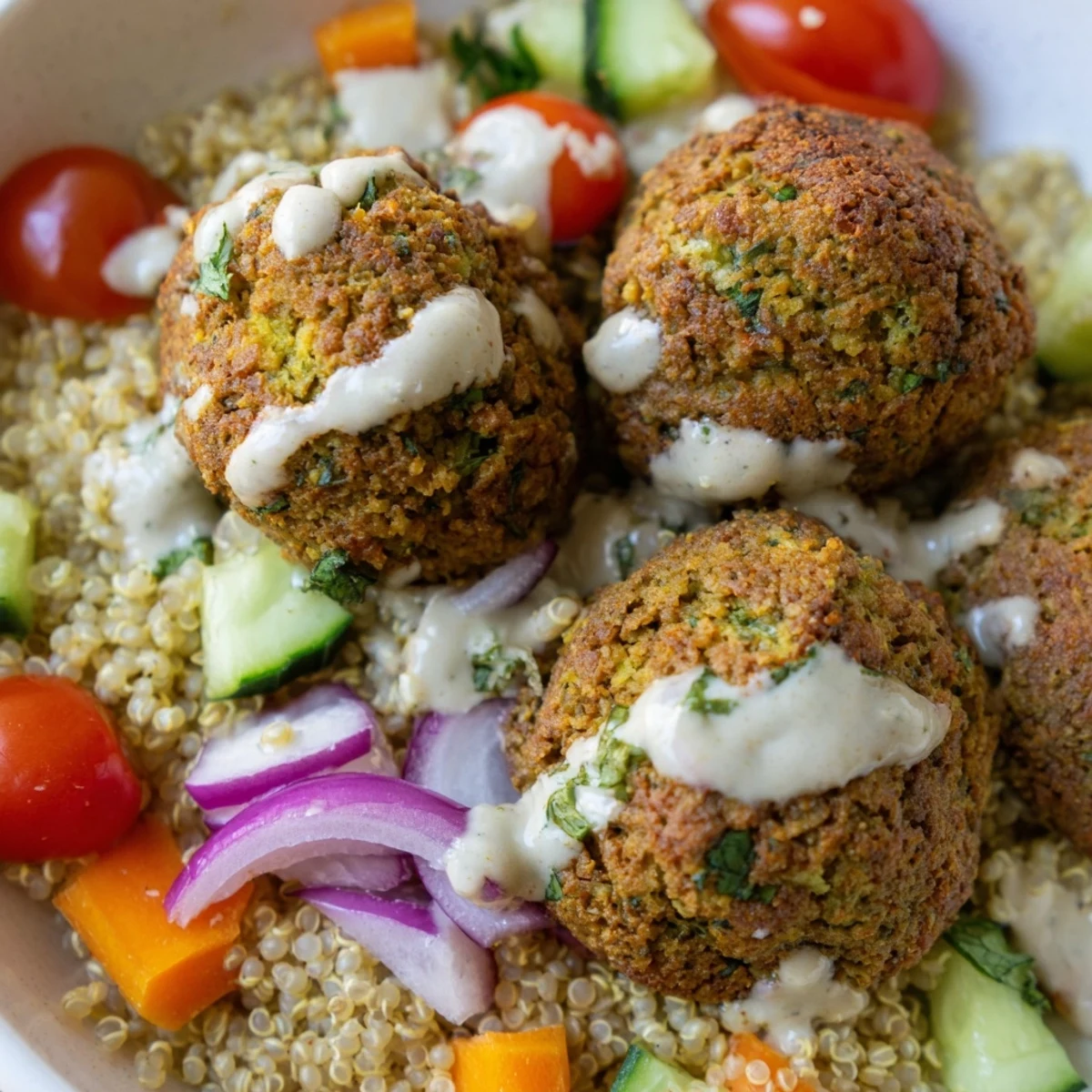
The trick is stopping the food processor at exactly the right moment. You want the mixture to hold together when squeezed but still see flecks of herb and bits of chickpea throughout.
Making It Your Own
Swap in farro or bulgur if you want a chewier grain base, or scatter crumbled feta and a pinch of zaatar over the top for extra personality. Olives, roasted red peppers, or a spoonful of hummus all belong here too.
Storing and Reheating
The falafel keeps well in the fridge for up to four days and reheats beautifully in a dry skillet to bring back the crunch.
- Store the dressing separately so the greens do not get soggy.
- Cooked grains freeze in airtight containers for up to a month.
- Always taste the dressing again before serving because tahini thickens as it sits.
 Save to Pinterest
 Keep this recipe in your back pocket for any week when you need something wholesome that actually excites you. The bowls are filling, colorful, and taste even better the next day.
Recipe Questions & Answers
- → Can I bake the falafel instead of pan-frying?
-
Yes, you can bake the falafel at 375°F (190°C) for about 20–25 minutes, flipping halfway through. Brush or spray them lightly with olive oil before baking to help achieve a crispy exterior. Baked falafel will be slightly less crispy than pan-fried but still delicious and lower in oil.
- → What grains work best as a base?
-
Quinoa and brown rice are both excellent choices. Quinoa cooks faster at around 15 minutes and adds a light, fluffy texture with complete protein. Brown rice takes about 35 minutes and offers a chewier, heartier bite. You can also use farro, bulgur, or couscous depending on your preference and dietary needs.
- → How do I store leftovers?
-
Store each component separately in airtight containers in the refrigerator for up to 3 days. Keep the falafel, grains, vegetables, and dressing in separate containers to maintain the best texture. Reheat falafel in a skillet or oven to restore crispness, and whisk the dressing again before drizzling as it may thicken when chilled.
- → Can I make the falafel mixture ahead of time?
-
Absolutely. The falafel mixture can be prepared and stored in the refrigerator for up to 24 hours before shaping and cooking. You can also shape the patties or balls ahead and freeze them on a baking sheet, then transfer to a freezer bag for up to 3 months. Cook from frozen, adding a few extra minutes to the cooking time.
- → What can I substitute for tahini in the dressing?
-
If you have a sesame allergy or prefer a different flavor, you can substitute tahini with plain yogurt, hummus, or a cashew-based cream. For a Mediterranean twist, try a lemon-herb vinaigrette with olive oil, lemon juice, dried oregano, and a touch of Dijon mustard. Keep in mind the flavor profile will shift away from the traditional Middle Eastern character.
- → Is this dish suitable for meal prep?
-
Yes, this bowl is great for meal prep. Cook a large batch of grains and falafel, chop all vegetables, and prepare the dressing on Sunday. Portion the components into containers and assemble fresh each day. The falafel holds up well refrigerated, and the flavors actually develop nicely overnight. Just reheat the falafel briefly to bring back some crunch.
