
 Save to Pinterest
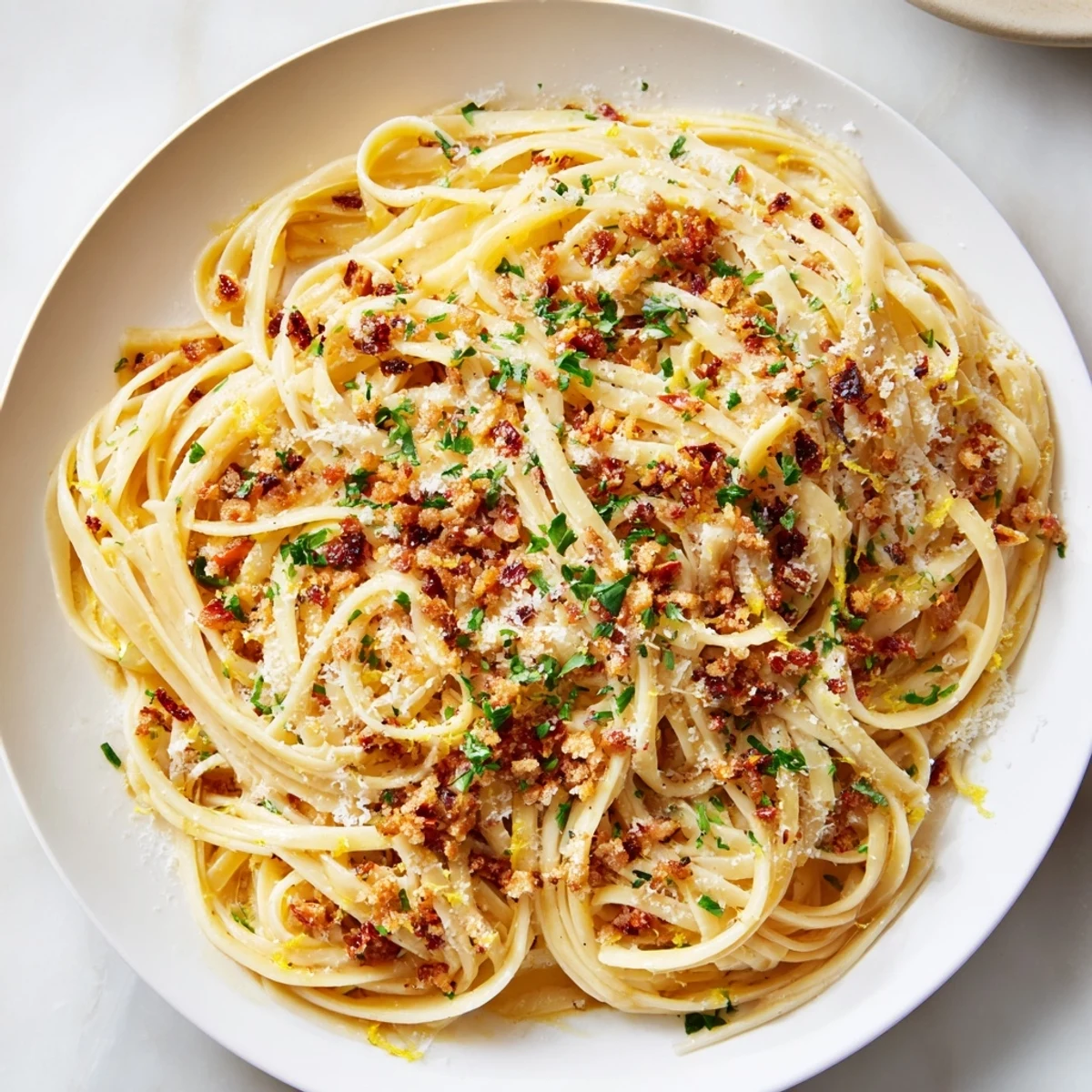
 This garlic pasta features spaghetti tossed in rich, fragrant olive oil infused with golden garlic slices. The dish is brightened with fresh parsley, freshly ground pepper, and a hint of lemon zest. Parmesan cheese adds a creamy finish, creating a light yet flavorful accompaniment ideal for vegetarian meals or as a side. Preparation is quick and straightforward, involving cooking pasta al dente, gently sautéing garlic, and combining all elements to achieve a silky and aromatic dish perfect for any occasion.
I still remember the first time I made this garlic pasta on a quiet Tuesday evening, when I had almost nothing in my pantry except for some dried spaghetti, a head of garlic, and good olive oil. There was something magical about how those simple ingredients transformed into something so deeply satisfying—a dish that reminded me that cooking doesn't need to be complicated to be memorable. That night, I learned that sometimes the most elegant meals come from restraint, not abundance.
Years later, I made this same pasta for my neighbor who had just moved in, and as she took that first bite, her eyes lit up in a way that made me realize how food creates instant connection. She kept asking what restaurant I'd ordered from, and when I told her it was just garlic, oil, and pasta, she asked for the recipe immediately. That's when it truly hit me—this isn't just a side dish, it's a small edible love letter.
Ingredients
- Spaghetti or linguine (250g / 9 oz): The long, thin strands catch and hold the silky garlic oil beautifully—this is where texture matters more than you'd think, so don't skimp on quality pasta
- Extra-virgin olive oil (4 tablespoons): This is the soul of the dish, so use the best bottle you have; it's the only ingredient that truly stands alone here, and it deserves respect
- Large garlic cloves (4, thinly sliced): Slicing rather than mincing gives you those tender, almost caramelized pieces that are a joy to find in every bite—and always slice them thin so they cook evenly without burning
- Crushed red pepper flakes (1/4 teaspoon, optional): A whisper of heat that wakes up your palate without overwhelming the delicate garlic flavor
- Fresh parsley (1/4 cup, chopped): The bright green herb adds freshness and prevents the dish from feeling too heavy, plus it makes everything look more inviting
- Sea salt (1/2 teaspoon, plus more for pasta water): Use good salt—you'll taste the difference in every bite
- Freshly ground black pepper (1/4 teaspoon): Always freshly ground; pre-ground pepper tastes tired by comparison
- Freshly grated Parmesan cheese (1/3 cup, plus extra for serving): Grate it yourself just before cooking—pre-grated versions have anti-caking agents that prevent it from melting smoothly into the pasta
- Lemon zest (from 1 lemon, optional): A bright, almost invisible touch that lifts the entire dish and reminds you why citrus is a cook's secret weapon
Instructions
- Set Up Your Pasta Water:
- Fill a large pot with water and generously salt it—this is your only chance to season the pasta itself, so don't be shy. The water should taste like the sea. Bring it to a rolling boil while you do everything else. When the water is truly boiling, add your spaghetti and stir it for the first minute to prevent sticking, then let it cook according to package directions until it's al dente, with just a slight firmness when you bite it.
- Infuse the Oil with Garlic:
- While the pasta cooks, pour your olive oil into a large skillet and set it over medium-low heat—this is crucial, as high heat will turn your garlic bitter and burnt. Once the oil shimmers, add your thinly sliced garlic and listen for the gentle sizzle. Stir it slowly and mindfully for about two minutes, watching as the slices transform from pale white to a light golden color. You want to smell that intoxicating garlic aroma without any hint of browning. The moment it starts to turn golden at the edges, you're at the perfect point—any longer and you've crossed from caramelized to ruined.
- Bring It Together:
- Before you drain the pasta, reserve about half a cup of the starchy cooking water—this is your secret sauce maker. Add the hot drained pasta directly into your garlic-infused oil and toss it gently but thoroughly, making sure every strand gets coated. Now, add the reserved pasta water a little at a time, stirring constantly, watching as the starch from the water emulsifies with the oil to create a silky, cohesive sauce that clings to the pasta rather than pooling at the bottom.
- Finish with Brightness:
- Stir in the fresh parsley, salt, black pepper, and freshly grated Parmesan cheese, tossing everything together until it's evenly distributed. If you're using lemon zest, add it now—it brings a subtle brightness that makes people ask what the secret ingredient is.
- Serve with Purpose:
- Plate it immediately into warm bowls and top each serving with a shower of extra Parmesan. Eat it right away, while the pasta is still warm and the oil still glistening.
 Save to Pinterest
 I think the moment I truly understood this dish was when my daughter, who usually picks at her vegetables, asked for seconds and then thirds of this simple pasta. Watching someone you love enjoy food that you made with intention—that's when cooking stops being a chore and becomes something sacred.
The Art of Simplicity
There's a beautiful lesson in cooking that only reveals itself when you strip everything away. This garlic pasta teaches you that four or five quality ingredients, treated with respect and cooked with attention, can create something more satisfying than a dish cluttered with dozens of elements. It's taught me to slow down, to notice the small changes in color and aroma, and to understand that good cooking is really about presence.
Variations to Keep It Interesting
Once you've mastered the basic version, this dish becomes a canvas for your mood. Some nights I add a handful of toasted breadcrumbs for texture and a nutty undertone. Other times, I'll toss in sautéed spinach or broccoli florets during the last minute of cooking—the pasta's heat will soften them just enough, and the dish transforms into something more substantial. I've had friends add a pinch of anchovy paste to the oil (you won't taste it as fishy, but you'll wonder why everything tastes so much deeper), or finish with crispy sage leaves that have been fried separately.
Pairing and Serving Suggestions
This pasta shines brightest as a side dish, nestled beside grilled chicken or roasted fish—the garlic oil complements both without fighting for attention. I've served it at countless dinner parties, always as an accompaniment, and it never fails to make people feel cared for. If you're serving it as a light main course, a simple arugula salad with lemon vinaigrette alongside it creates balance and freshness. For wine pairings, think light and crisp: Pinot Grigio, Sauvignon Blanc, or even a dry Prosecco work beautifully, cutting through the richness of the oil while highlighting the garlic's subtle sweetness.
- Make it vegan by using nutritional yeast or a good plant-based Parmesan alternative instead of dairy cheese
- For a spicier version, increase the red pepper flakes or add a pinch of cayenne for deeper heat
- Leftovers can be gently reheated with a splash of water and a drizzle of fresh oil, though honestly, this pasta is best eaten fresh
 Save to Pinterest
 This dish has taught me that sometimes the most profound cooking comes from knowing when to stop, when to let ingredients be exactly what they are. Every time I make it, I'm reminded that home cooking doesn't require fancy techniques or precious ingredients—just presence, attention, and respect for what's in front of you.
Recipe Questions & Answers
- → How do I prevent the garlic from burning?
-
Cook the garlic over medium-low heat and stir frequently until it turns golden and fragrant. Burning garlic becomes bitter and affects flavor.
- → Can I use different types of pasta for this dish?
-
Yes, spaghetti or linguine work best, but any long pasta can be used to coat well with the garlic oil.
- → What can I substitute for Parmesan cheese?
-
For dairy-free options, omit Parmesan or use plant-based alternatives like nutritional yeast or vegan cheese.
- → Is it possible to add extra vegetables?
-
Yes, sautéed spinach or steamed broccoli are great additions, adding nutrition and color.
- → How can I adjust the spice level in this pasta?
-
Include or omit crushed red pepper flakes according to your preferred heat level.
