
 Save to Pinterest
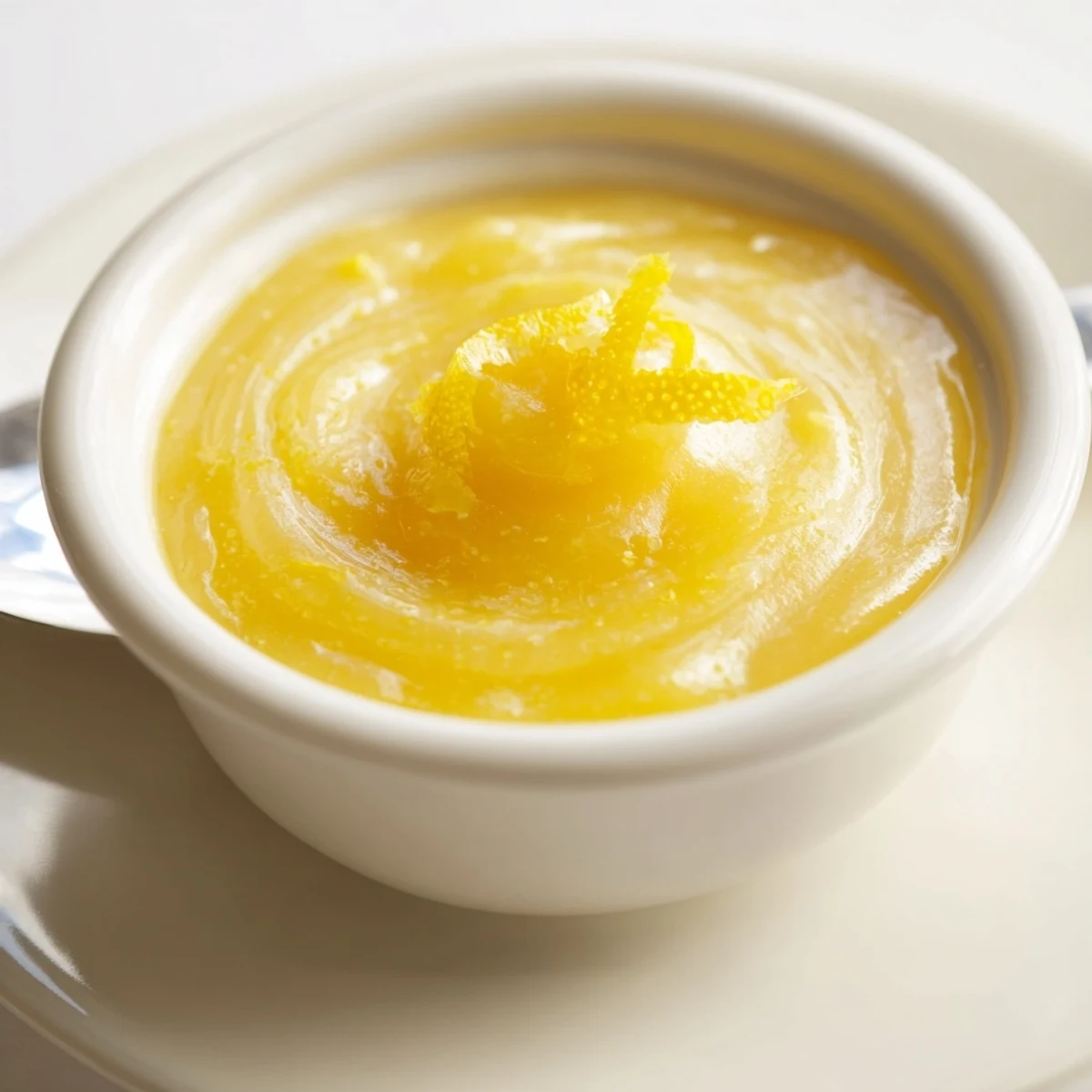
 Whisk whole eggs, an extra yolk, sugar, lemon zest and juice, then cook gently over a simmering pan (double boiler), stirring constantly. Add cubed butter and continue whisking until the mixture thickly coats a spoon, about 10–15 minutes. Strain for a silky texture, cover to prevent a skin, cool and chill at least 2 hours. Stores up to two weeks refrigerated.
The smell of lemon zest hitting a warm bowl is one of those small kitchen pleasures that makes you stop and breathe deeper. My friend Sarah once walked into my kitchen while I was making this curd and declared it smelled like a London morning, which made no geographic sense but somehow felt completely accurate. I have been making this on lazy Sunday mornings ever since, usually in slippers with the radio on, and it never fails to turn a ordinary weekend into something worth savoring.
I once brought a jar of this to a brunch potluck and three people asked for the recipe before they even finished their scones. There is something about homemade lemon curd that makes people feel genuinely cared for, like you gave them a small jar of sunshine that took real effort even though it barely took any time at all.
Ingredients
- 3 large lemons (zest finely grated and juiced, about 120 ml juice): Use unwaxed lemons if you can find them because the zest carries so much of the fragrance and you want it clean and bright.
- 115 g unsalted butter (cubed): Cold cubes help control the temperature as they melt gradually into the mixture.
- 3 large eggs plus 1 large egg yolk: The extra yolk is what gives this curd its velvety richness without making it too heavy.
- 200 g granulated sugar: This balances the sharpness of the lemon without muting its character.
Instructions
- Whisk everything together:
- Crack the eggs and extra yolk into a medium heatproof bowl, then pour in the sugar, lemon zest, and juice. Whisk until the mixture looks smooth and uniformly yellow with no streaks of sugar hiding at the bottom.
- Set up your double boiler:
- Fill a saucepan with about two inches of water and bring it to a gentle simmer, then rest the bowl on top making sure the bottom never touches the water. The indirect heat is the whole secret to avoiding scrambled lemon eggs.
- Add butter and cook patiently:
- Drop in the cubed butter and whisk constantly as it melts and blends into the mixture. Keep going for about ten to fifteen minutes until the curd thickens enough to coat the back of a spoon and leave a clean trail when you run your finger through it.
- Strain for silkiness:
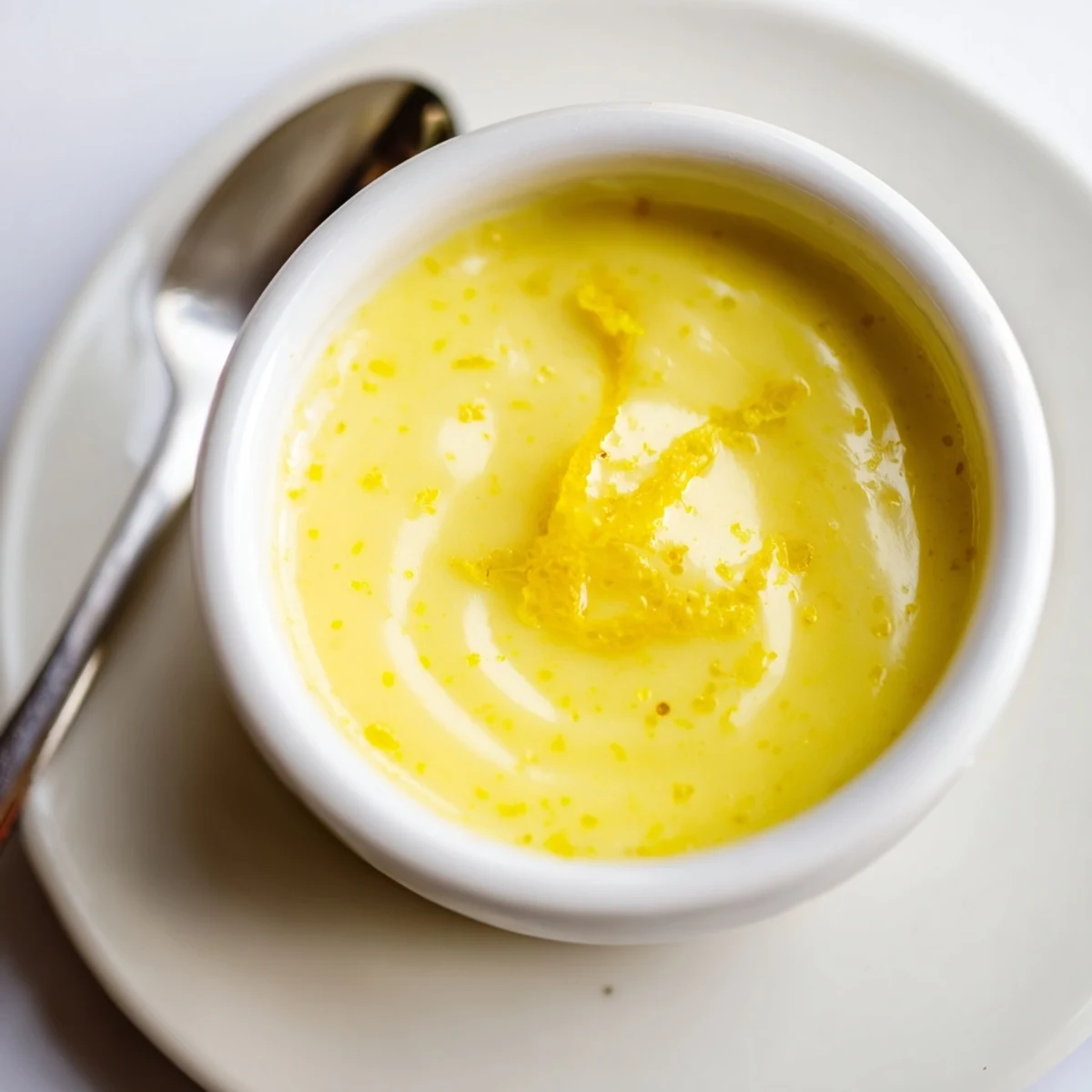
- Remove the bowl from heat and pour the curd through a fine mesh sieve into a clean bowl, pressing it through with a spatula to catch any bits of cooked egg or stray zest chunks.
- Cool and rest:
- Press plastic wrap directly against the surface of the curd so no skin forms, then let it cool completely before refrigerating for at least two hours. The texture transforms beautifully as it chills and sets.
 Save to Pinterest
 The first time I gifted a jar of this to my neighbor she stood in the hallway eating it with a spoon straight from the jar and pretending she was going to share it with her husband. That jar never made it home, and now I always make extra when I know she is around.
How to Store and Keep It Fresh
This curd keeps beautifully in an airtight container in the fridge for up to two weeks, though in my experience it rarely lasts that long. You can also freeze it for up to three months if you want to stash a batch ahead of brunch season. Just thaw it overnight in the fridge and give it a good stir before serving.
Ways to Use It Beyond Toast
Layer it between sponge cake rounds, swirl it into yogurt, or spread it under fresh berries in a tart shell for a dessert that looks elaborate but is secretly effortless. I have also been known to dollop it onto pancakes when nobody is watching, which is arguably the best use of all.
What If Something Goes Wrong
Most lemon curd problems trace back to heat that is too high or whisking that stopped too soon, and both are easy to fix next time. If your curd ends up too thin you can return it to the double boiler for a few more minutes of gentle cooking.
- A slightly overcooked curd can often be rescued by whisking in a spoonful of cold butter off the heat.
- If you see tiny white lumps after cooking, the straining step will catch them so do not panic.
- Always taste before chilling because once it is cold the lemon flavor will be slightly muted and harder to adjust.
 Save to Pinterest
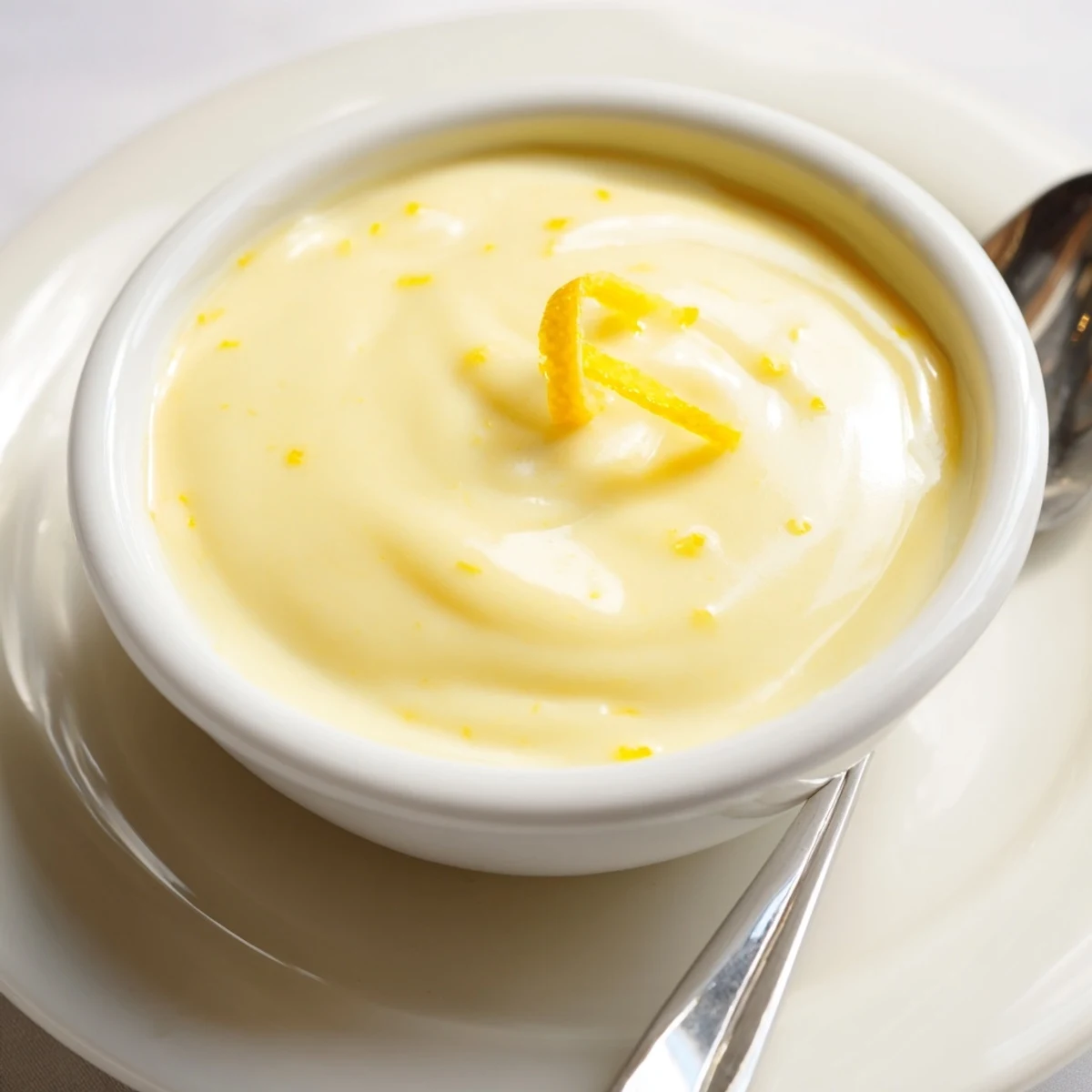
 A small jar of this lemon curd tied with a bit of twine and a handwritten label makes a gift that feels far more thoughtful than the twenty five minutes it actually took to make. Keep a batch in your fridge and you will always be ready for whatever the morning brings.
Recipe Questions & Answers
- → Can I use only egg yolks for a richer result?
-
Yes. Using only yolks yields a richer, creamier curd with a custard-like texture, though it will be denser and set firmer than a curd made with whole eggs.
- → How do I prevent the mixture from curdling or scrambling?
-
Cook over gentle heat using a double boiler and whisk continuously. Keep the water at a gentle simmer, not a rapid boil, and remove from heat as soon as it thickens to avoid overheating.
- → Why should I strain the curd?
-
Straining removes any bits of cooked egg, zest fibers, or bubbles, producing a glossy, velvety texture that spreads smoothly on scones and fills tarts cleanly.
- → How long does lemon curd keep and how should I store it?
-
Cool completely, transfer to an airtight container, and refrigerate. It keeps about two weeks. Always use a clean spoon to avoid contamination.
- → Can I speed up the thickening without sacrificing texture?
-
Maintain steady gentle heat and vigorous whisking; adding very small pieces of cold butter gradually helps emulsify and thicken without overheating. Avoid high direct heat to prevent graininess.
- → What are the best uses for this curd?
-
Use it as a spread for toast and scones, a filling for tarts and cakes, a swirl for yogurt, or layered into trifles for bright citrus flavor and smooth richness.
