
 Save to Pinterest
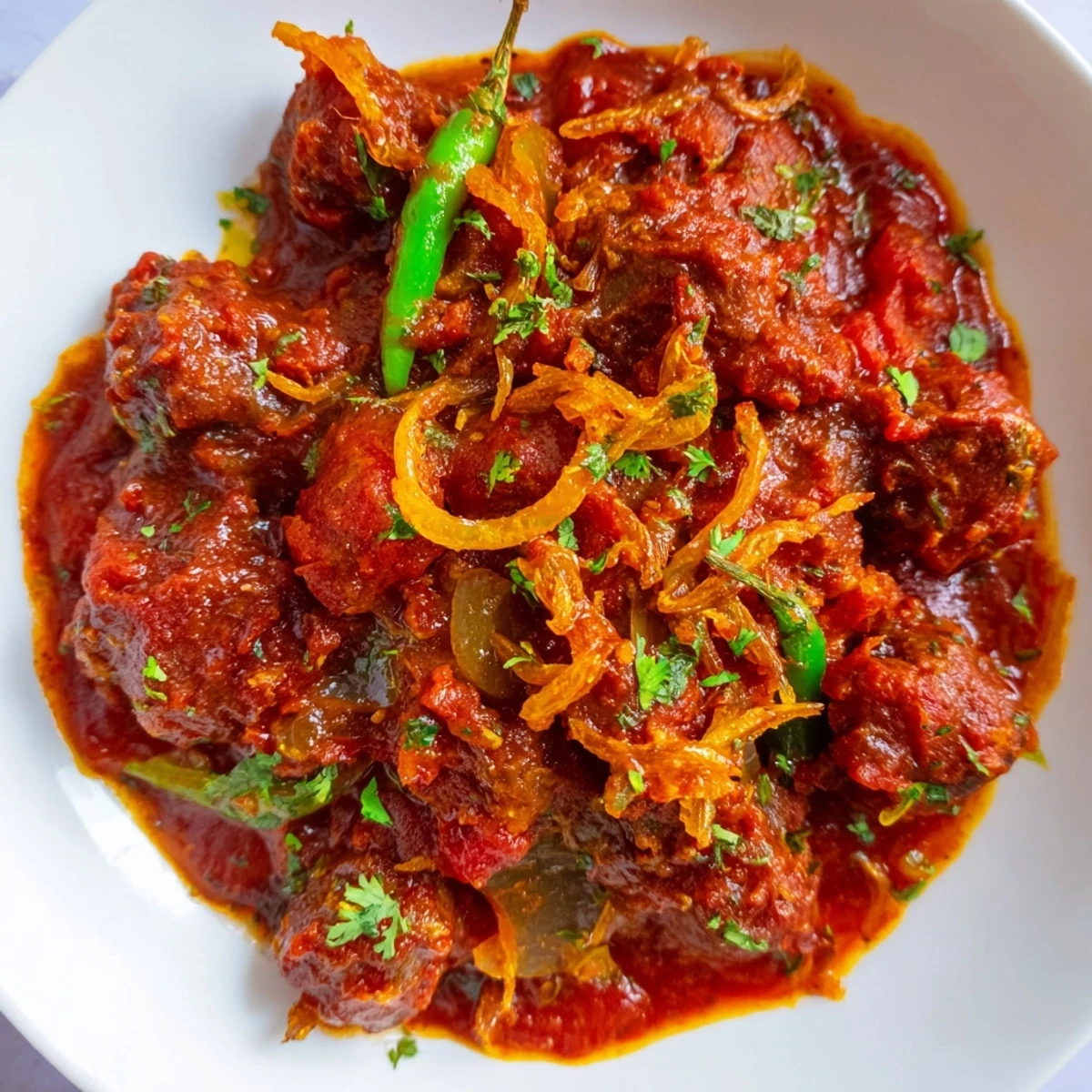
 This classic Kenyan preparation transforms goat meat into a tender, aromatic dish through a two-stage cooking process. The meat first simmers with aromatics until tender, then finishes in a spiced tomato-onion base that creates a signature wet, glossy coating. The blend of paprika, ground coriander, turmeric, and fresh ginger-garlic builds deep flavor layers while green chilies add customizable heat. Fresh coriander finishes the dish with bright herbal notes.
My Kenyan host mother stood over her charcoal jiko, humming softly as she stirred onions in a cast iron pan. The scent of ginger hitting hot oil filled her tiny kitchen in Nairobi, and I watched, mesmerized, as she transformed tough cuts of goat meat into something luxurious. She taught me that wet fry is about patience, letting the meat render its own fat while the tomatoes break down into a glossy sauce. That afternoon changed how I understood African cooking completely.
I once made this for a dinner party using beef instead of goat, and my Kenyan friend took one bite and closed his eyes. He said it reminded him of Sunday lunches at his grandmothers house in Kisii. We spent the rest of the evening eating with our hands, dipping torn chapati into the sauce, and he told me stories about learning to cook over an open fire as a boy.
Ingredients
- Goat meat: The bone-in pieces add incredible depth to the sauce, but boneless works beautifully too
- Onions: Slicing them rather than chopping creates sweet ribbons that melt into the sauce
- Tomatoes: Really ripe ones break down faster and create that signature glossy finish
- Fresh ginger and garlic: The paste made from these two aromatics is the foundation of the flavor
- Ground coriander and paprika: These warm spices build that authentic Kenyan taste profile
- Fresh coriander: Adding it at the end brightens the rich sauce
- Water: Just enough to braise the meat, not drown it
Instructions
- Braise the goat meat:
- Place the meat in a large saucepan with half the onions, garlic, ginger, and some water. Simmer covered for about 30 minutes until the meat is tender and most liquid has evaporated.
- Caramelize the onions:
- Heat oil in a heavy pan and cook the remaining sliced onions until they turn golden brown and smell sweet.
- Build the sauce base:
- Add diced tomatoes and green chilies, cooking until they soften completely and the mixture thickens nicely.
- Combine and coat:
- Add the cooked goat meat with its juices to the pan, then stir in all the ground spices and remaining salt.
- Finish to glossy perfection:
- Cook uncovered for 10 to 15 minutes, stirring often, until the sauce coats the meat thickly and shines.
- Garnish and serve:
- Toss in fresh coriander leaves, cook for just one minute more, then serve immediately.
 Save to Pinterest
 This recipe has become my go-to when I want to serve something impressive but uncomplicated. Last Christmas, my brother who claims to dislike goat meat went back for thirds. There is something deeply satisfying about watching a tough, economical cut of meat transform into something restaurant quality.
Choosing The Right Meat
Goat meat from older animals has more flavor but requires longer cooking. Look for pieces with some fat marbling, and do not shy away from bone-in cuts. If you cannot find goat, lamb shoulder works wonderfully, though the flavor will be milder. I have even used beef chuck with excellent results.
Making It Your Own
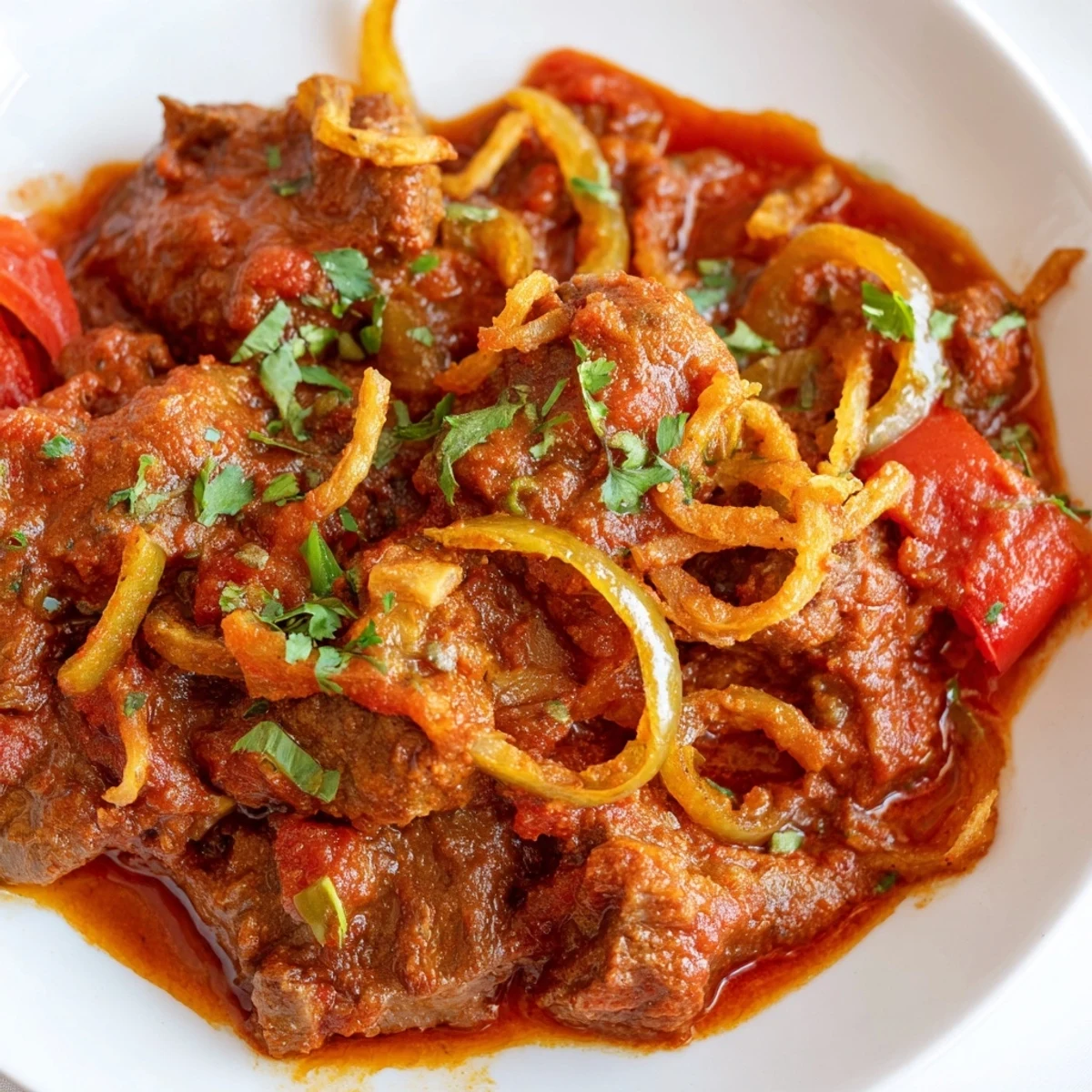
Sometime I add a diced bell pepper with the tomatoes for extra sweetness. A splash of coconut milk in the final minutes creates a creamy variation that my children love. The key is maintaining that balance between tender meat and thick, flavorful sauce.
Perfect Sides To Serve
Ugali is the traditional accompaniment, its mild corn flavor perfectly balancing the rich, spicy meat. Steamed rice works beautifully too, soaking up every drop of sauce. Warm chapati or naan bread for dipping rounds out the meal.
- Make extra sauce, it is even better the next day
- Have extra fresh coriander ready for garnish
- Keep some plain yogurt on hand to tame the heat
 Save to Pinterest
 This is the kind of dish that makes a house feel like a home. Hope you enjoy every fragrant, savory bite.
Recipe Questions & Answers
- → How do I know when the goat meat is properly tender?
-
The goat meat is ready when it easily yields to gentle pressure and most of the simmering liquid has absorbed, typically after 25-30 minutes of covered simmering. The meat should cut smoothly without resistance.
- → What consistency should the final sauce have?
-
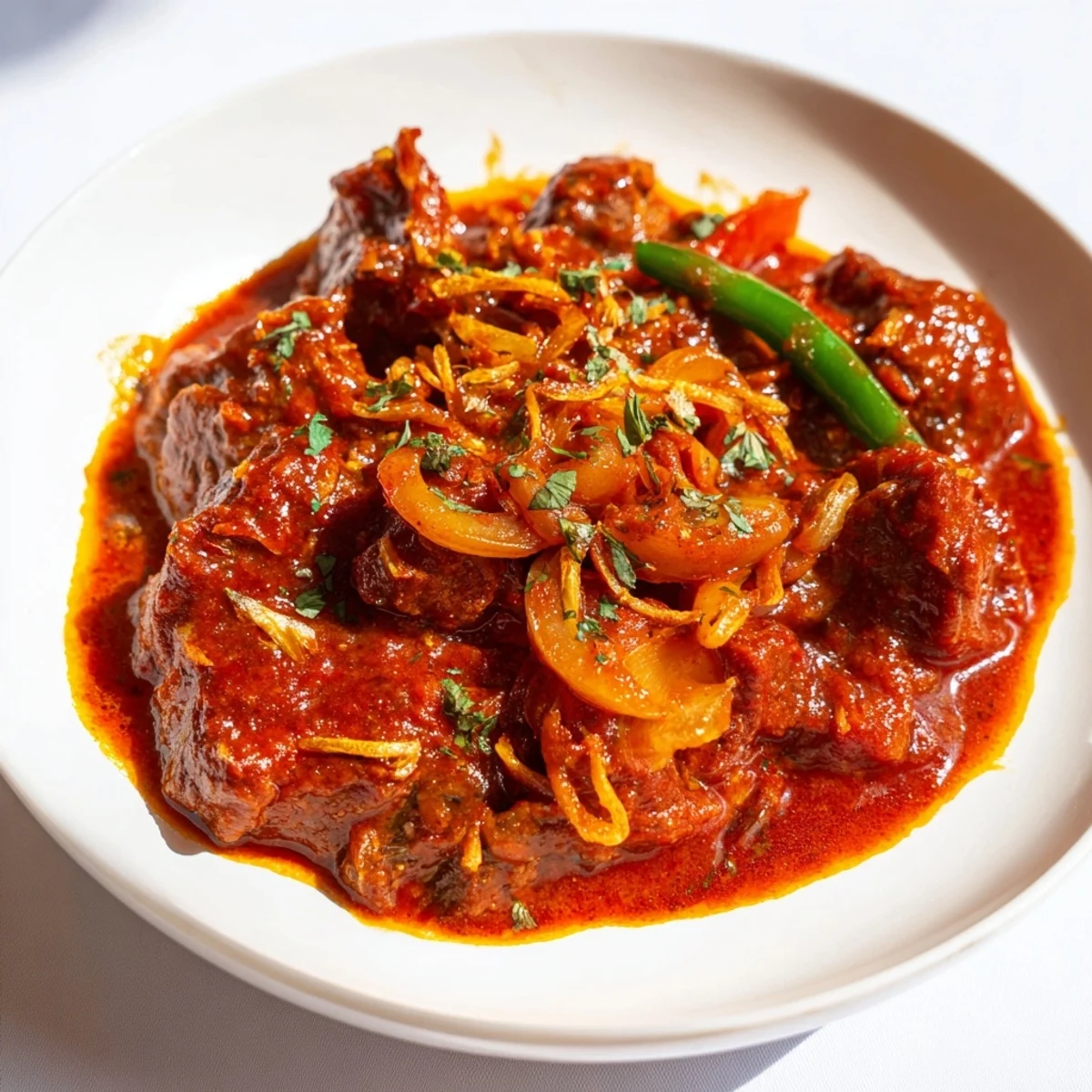
The finished sauce should coat the meat generously without being soupy or dry—a rich, glossy consistency that clings to each piece while leaving a flavorful film on the serving spoon.
- → Can I adjust the heat level?
-
Green chilies are optional and easily adjusted to taste. Start with one chili, then add more gradually during the tomato stage until you reach your preferred spice level.
- → What works best as a side dish?
-
Traditional ugali absorbs the sauce beautifully, while steamed rice or warm chapati also pair wonderfully. The slight sweetness of cornmeal ugali balances the savory, spiced meat.
- → Can I prepare this dish ahead?
-
The flavors deepen when made ahead—simply cool and refrigerate, then reheat gently with a splash of water. The sauce may thicken further in the fridge, so adjust consistency when reheating.
- → Is there a way to reduce cooking time?
-
Briefly searing the meat in hot oil before simmering can reduce tenderizing time slightly, but the traditional slow-simmer method produces the most succulent results and authentic texture.
