
 Save to Pinterest
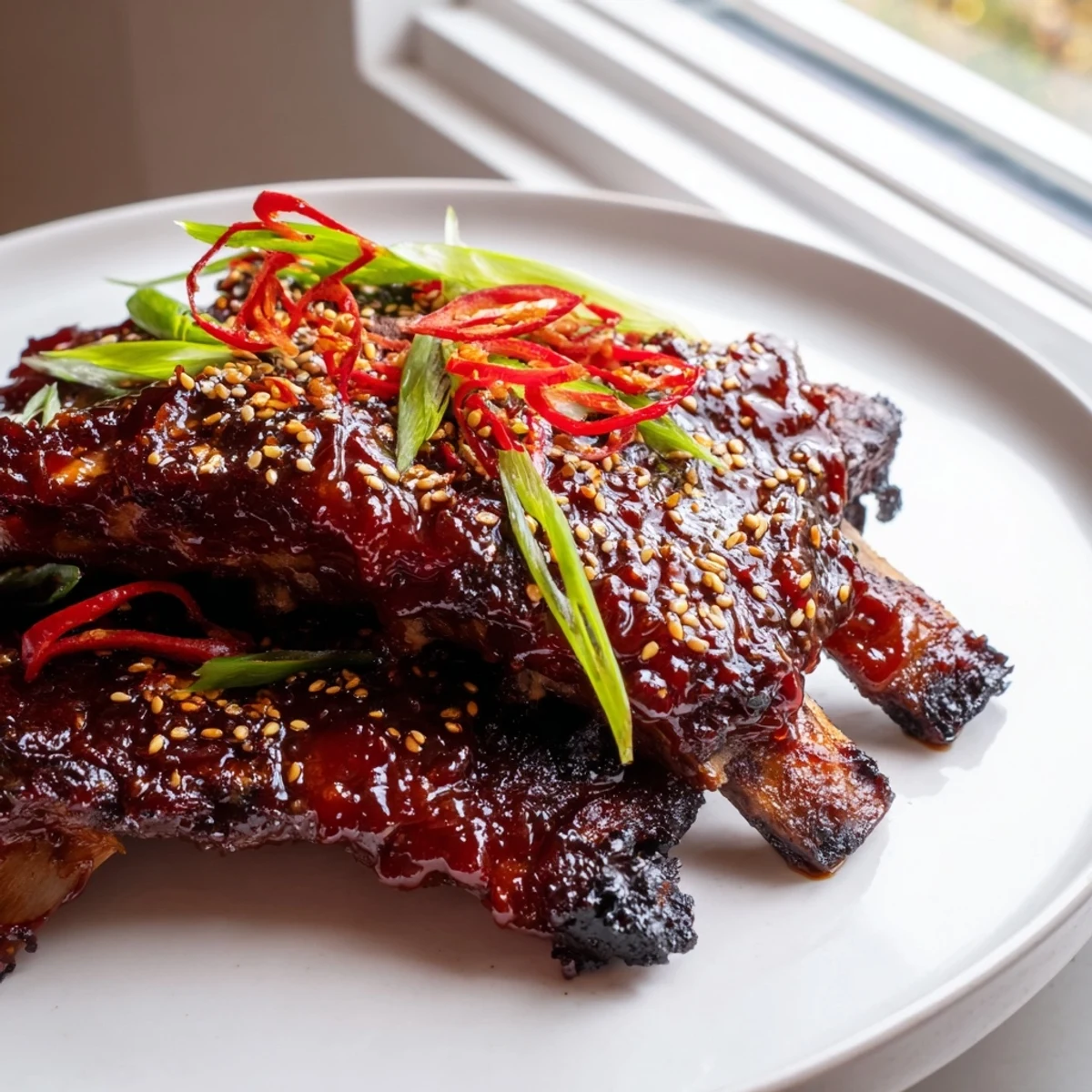
 These Korean BBQ lamb ribs deliver bold, sticky-sweet flavors with a citrusy punch. A rich marinade of gochujang, soy sauce, garlic, and ginger coats the ribs before a slow roast locks in tenderness.
A honey glaze builds caramelized edges, while a final yuzu squeeze cuts through the richness with fragrant acidity. Garnished with scallions, sesame seeds, and chili, this dish brings balance and fire to every bite.
The sizzle of lamb hitting a scorching grill pan on a rainy Tuesday changed my entire week. I had bought these ribs on impulse at the Korean market across town, drawn by the deep red color and the way the butcher tapped his cleaver against the bone like a metronome. That night my kitchen smelled like Seoul and something I could not quite name, and I have been chasing that exact scent ever since.
My neighbor Dave knocked on my door halfway through roasting these the first time, convinced I was running a pop up restaurant out of my apartment. He stayed for three racks and brought over a six pack the following weekend asking when the next batch would be ready.
Ingredients
- Lamb ribs (1.5 kg): Ask your butcher to trim excess fat but leave some on for flavor and moisture during the long roast.
- Gochujang (3 tbsp): This fermented Korean chili paste is the backbone of the marinade and builds depth you simply cannot replicate with anything else.
- Soy sauce (4 tbsp): Use a gluten free brand if needed and opt for a naturally brewed version for rounder umami.
- Brown sugar (2 tbsp): Helps the marinade caramelize into a sticky glaze under high heat.
- Sesame oil (1 tbsp): Toasted sesame oil adds a nutty warmth that ties the Korean flavors together beautifully.
- Garlic (4 cloves, minced): Fresh garlic is nonnegotiable here since the pre minced jar version lacks the sharp punch this dish needs.
- Fresh ginger (2 tsp, grated): Grate it finely so it melts into the marinade rather than leaving stringy bits on the meat.
- Rice vinegar (1 tbsp): Balances the sweetness and heat with a gentle acidity.
- Mirin (2 tbsp, optional): Adds a subtle sweetness and glossy sheen to the finished glaze.
- Black pepper (1 tsp): Freshly ground is best for a warm bite that lingers.
- Honey (2 tbsp): Mixed into the reserved marinade to create a lacquered finish during the final roast.
- Yuzu juice (2 tbsp): Floral and tart, this Japanese citrus transforms the dish in its final seconds.
- Toasted sesame seeds (1 tbsp): Sprinkle these on last for a gentle crunch and visual appeal.
- Scallions (2, sliced): Their fresh onion bite cuts through the sticky richness on the plate.
- Red chili (1 small, sliced, optional): For those who want an extra flash of heat scattered across the top.
Instructions
- Build the marinade:
- Whisk together gochujang, soy sauce, brown sugar, sesame oil, garlic, ginger, rice vinegar, mirin, and pepper in a bowl until the mixture is completely smooth and smells deeply savory.
- Coat the ribs:
- Slide the lamb ribs into a large resealable bag or shallow dish, pour the marinade over every surface, and use your hands to massage it into the meat.
- Let time do its work:
- Seal the bag, press out the air, and refrigerate for at least four hours, though overnight is when the real magic happens and the flavors truly sink in.
- Start low and slow:
- Heat the oven to 160 degrees Celsius, shake off excess marinade from the ribs, and arrange them on a wire rack set over a baking sheet before covering tightly with foil.
- Roast gently:
- Let the ribs cook for one full hour while you simmer the reserved marinade with honey in a small saucepan over low heat until it thickens into a glossy glaze.
- Crank and caramelize:
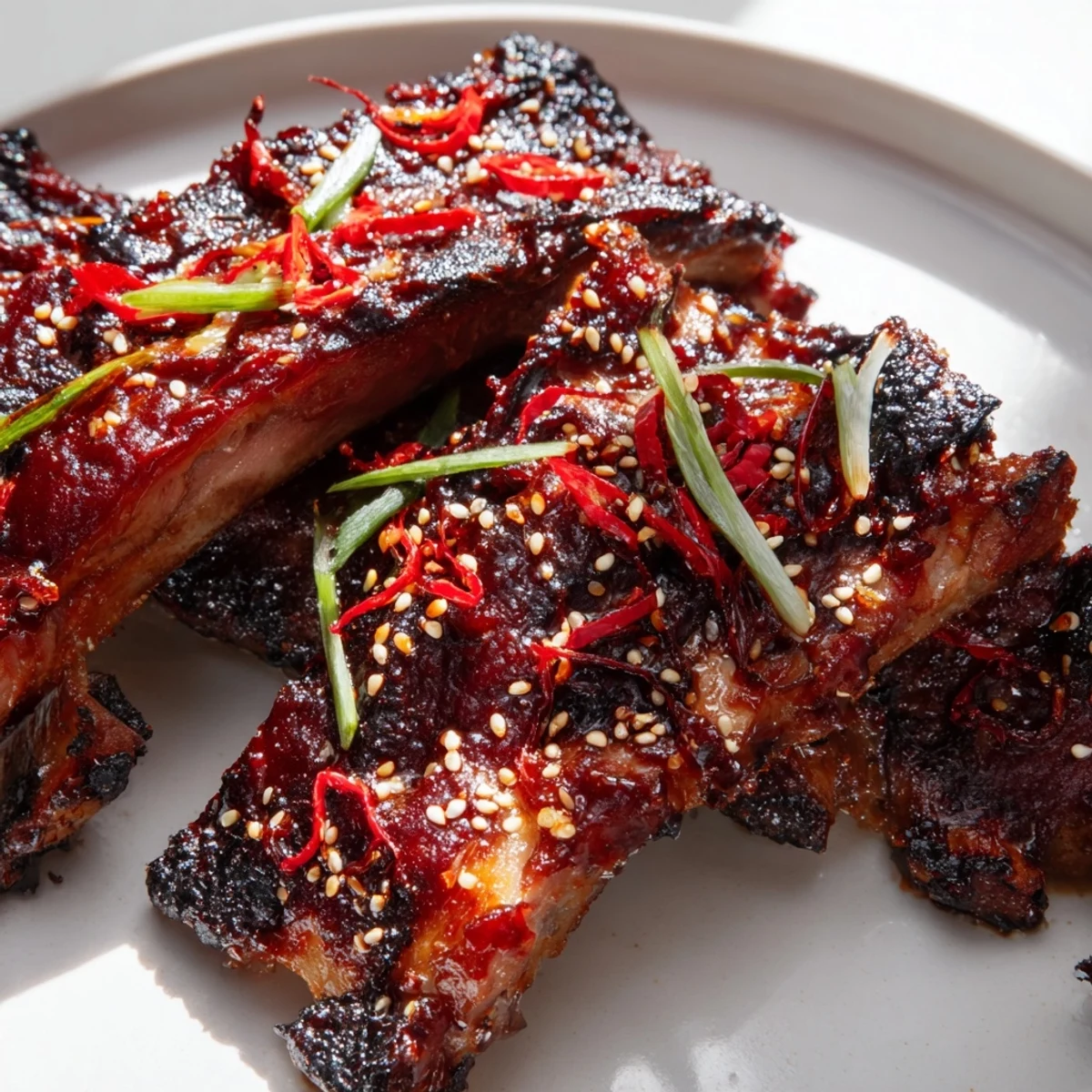
- Turn the oven up to 200 degrees Celsius, uncover the ribs, and brush them generously with the honey glaze before roasting uncovered for ten to fifteen minutes until the edges char and bubble.
- Finish with yuzu:
- Pull the ribs from the oven, let them rest for five minutes, then squeeze yuzu juice liberally over the top so it pools in the caramelized crevices.
- Garnish and serve:
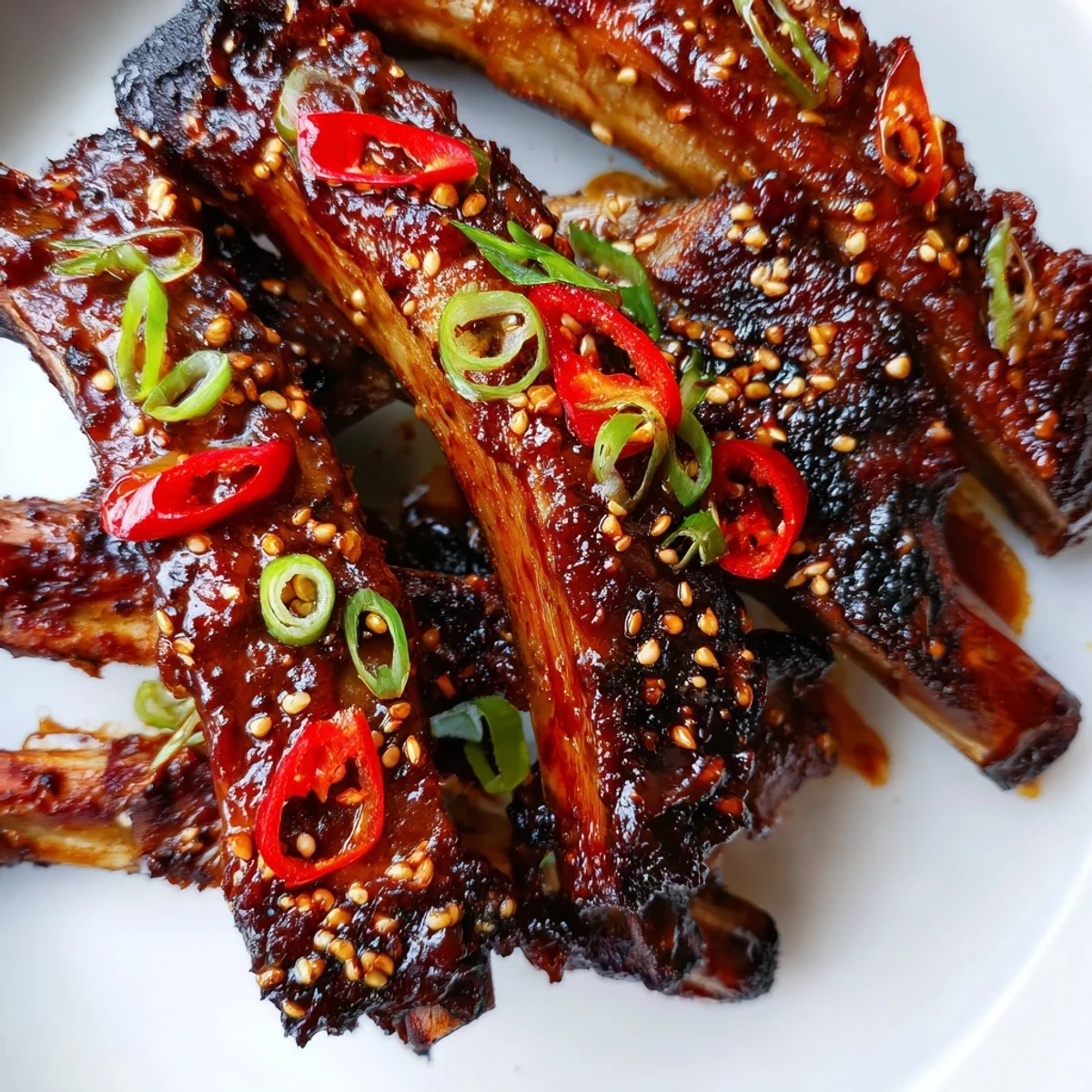
- Scatter scallions, sesame seeds, and sliced red chili across the rack and bring everything to the table on a cutting board for people to pull apart with their hands.
 Save to Pinterest
 There is something deeply satisfying about watching a room full of people fall silent because their mouths are too full to speak. These ribs have that effect every single time.
What to Serve Alongside
Steamed white rice is the obvious partner here because it soaks up the sticky juices pooling on the plate. Quick pickled cucumbers or radishes provide a crisp, acidic contrast that keeps the richness in check. A simple bowl of miso soup on the side rounds out the meal without competing for attention.
Handling the Heat
Gochujang varies wildly in intensity depending on the brand and how long it has been fermented. Taste a tiny dab from the tub before you mix the marinade so you know what you are working with. You can always add more chili later but you cannot take it away once those ribs are coated.
Making It Your Own
Once you master this base recipe the variations are endless and forgiving. Try different citrus in place of yuzu, swap lamb for pork belly, or add a spoonful of miso to the marinade for extra depth.
- Brush on a little extra honey glaze right at the end if you want more stickiness.
- Finish the ribs on a hot outdoor grill for two minutes per side if you crave a smoky char.
- Always check your gochujang label for gluten if that matters to you since many commercial brands contain wheat.
 Save to Pinterest
 Keep napkins nearby and embrace the mess, because eating ribs this good with a knife and fork would be a genuine shame.
Recipe Questions & Answers
- → Can I substitute yuzu juice with something else?
-
Yes, fresh lemon juice works as a substitute, though the flavor profile will differ. Yuzu offers a unique floral citrus aroma that lemon cannot fully replicate. Meyer lemon is a closer match if available.
- → How long should I marinate the lamb ribs?
-
For the best results, marinate the ribs for at least 4 hours. An overnight rest in the refrigerator allows the gochujang, soy, and garlic to deeply penetrate the meat for maximum flavor.
- → Can I finish these ribs on a grill instead of the oven?
-
Absolutely. After the initial slow roast at 160°C, you can transfer the ribs to a hot grill for 2–3 minutes per side. This adds an extra layer of smoky char that complements the sweet glaze beautifully.
- → Is this dish naturally gluten-free?
-
It can be. Use gluten-free soy sauce and verify that your gochujang brand is certified gluten-free, as some traditional versions contain wheat. Always check individual product labels to be certain.
- → What should I serve with Korean BBQ lamb ribs?
-
Steamed white rice is a natural pairing to soak up the sticky glaze. Pickled vegetables, kimchi, or a simple cucumber salad provide refreshing contrast to the rich, spiced ribs.
- → How do I adjust the spice level?
-
The heat comes primarily from the gochujang. Reduce the amount to 1–2 tablespoons for milder results, or add extra along with fresh sliced chili for a bolder kick.
