
 Save to Pinterest
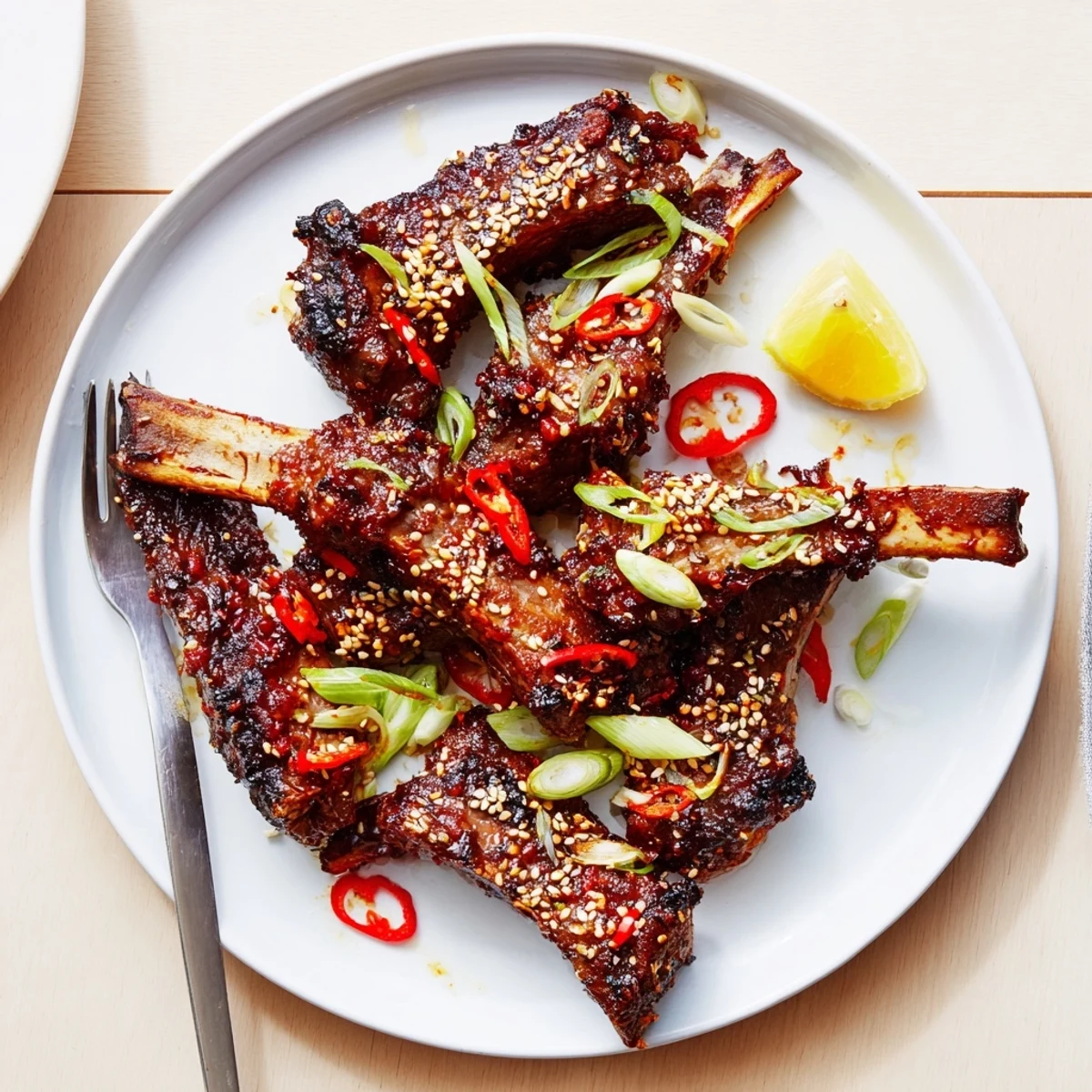
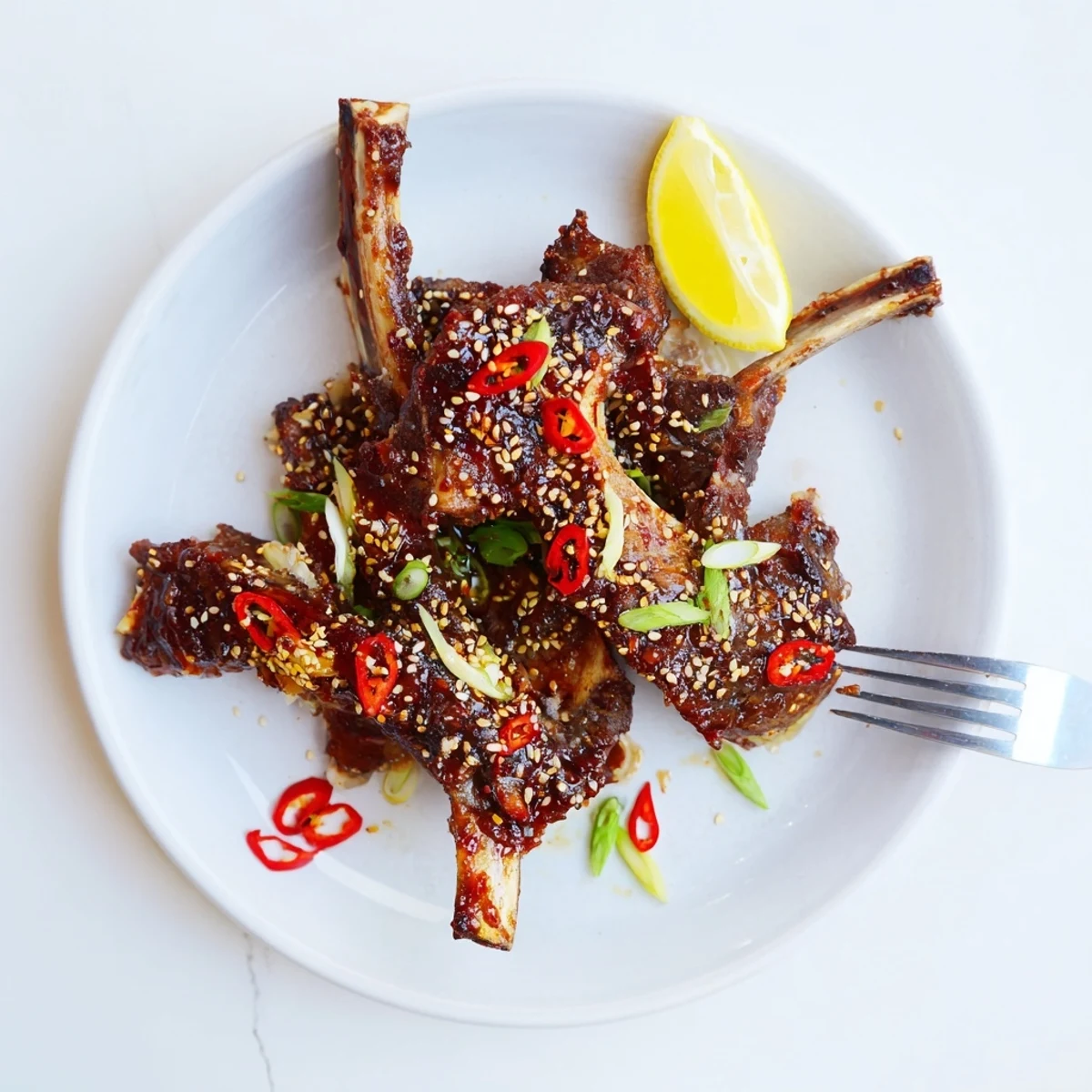
 These Korean BBQ lamb ribs are marinated in a bold mixture of gochujang, soy sauce, sesame oil, honey, garlic, and ginger until deeply flavorful. Slow-roasted in the oven for one hour, then finished on a hot grill to achieve that irresistible caramelized, slightly charred exterior.
The finishing touch is a generous squeeze of fresh yuzu juice, which cuts through the richness of the lamb with its unique floral citrus notes. Toasted sesame seeds, sliced spring onions, and optional red chili complete the dish.
Serve with steamed rice, kimchi, or grilled vegetables for a satisfying Korean fusion meal that feeds four.
The sizzle of lamb ribs hitting a hot grill is one of those sounds that makes everyone in the house wander toward the kitchen with expectant faces. My neighbor once knocked on my door holding a bottle of soju, claiming he could smell the gochujang from his backyard. That evening turned into an impromptu Korean barbecue session on my tiny apartment balcony, and these ribs have been a fixture at every gathering since.
I discovered yuzu at a Japanese market years ago and bought one out of pure curiosity, letting it sit on my counter for a week before I figured out what to do with it. Squeezing it over these smoky ribs was a whim that paid off enormously, and now I buy them by the bag whenever they appear in season.
Ingredients
- Lamb ribs (1.5 kg): Ask your butcher for ribs with good marbling, as the fat renders during slow roasting and keeps everything juicy.
- Soy sauce (4 tablespoons): Use a quality brewed soy sauce, and gluten-free versions work beautifully here without sacrificing depth.
- Gochujang (2 tablespoons): This fermented Korean chili paste is the backbone of the flavor, bringing heat, sweetness, and umami all at once.
- Sesame oil (2 tablespoons): Toasted sesame oil adds a nutty aroma that permeates the meat during marination.
- Honey (2 tablespoons): The honey helps create that glossy caramelized finish under the broiler.
- Garlic (4 cloves, minced): Fresh garlic is nonnegotiable here, as the preminced jars lose too much punch.
- Fresh ginger (2 tablespoons, grated): Grate it finely so it melts into the marinade rather than clumping on the meat.
- Rice vinegar (1 tablespoon): A subtle acidity that tenderizes the lamb while balancing the sweetness.
- Brown sugar (1 tablespoon): Works alongside the honey for a deeper caramel note during grilling.
- Black pepper (1 teaspoon): Freshly cracked makes a real difference in cutting through the fatty richness.
- Spring onions (2, finely chopped): These go into the marinade itself, releasing a mild onion sweetness as they sit.
- Fresh yuzu or yuzu juice (1 fruit or 3 tablespoons): If yuzu is unavailable, a half and half mix of lemon and lime juice is a solid standin.
- Toasted sesame seeds (1 tablespoon): Toast them in a dry pan just before serving for maximum fragrance.
- Spring onions for garnish (2, thinly sliced): Slice on a sharp bias for a pretty presentation and a fresh bite.
- Red chili (1, finely sliced): Optional, but the color and gentle heat elevate the whole plate.
Instructions
- Build the marinade:
- In a large bowl, whisk together the soy sauce, gochujang, sesame oil, honey, garlic, ginger, rice vinegar, brown sugar, pepper, and chopped spring onions until you have a smooth, deeply red paste that smells savory and slightly sweet.
- Coat the ribs:
- Place the lamb ribs in a large resealable bag or shallow dish, pour the marinade over them, and use your hands to massage it into every crevice and fold of the meat.
- Let time do its work:
- Seal the bag and refrigerate for at least one hour, though overnight transforms the flavor dramatically as the acids and enzymes break down the muscle fibers.
- Set up for roasting:
- Preheat your oven to 160 degrees Celsius (320 degrees Fahrenheit), line a baking sheet with foil, and set a wire rack on top so the ribs cook evenly with air circulating underneath.
- Slow roast:
- Arrange the marinated ribs on the rack, reserving any leftover marinade in a small bowl, and roast for one hour, basting the ribs with the reserved marinade at the halfway mark so they stay moist and flavorful.
- Char and caramelize:
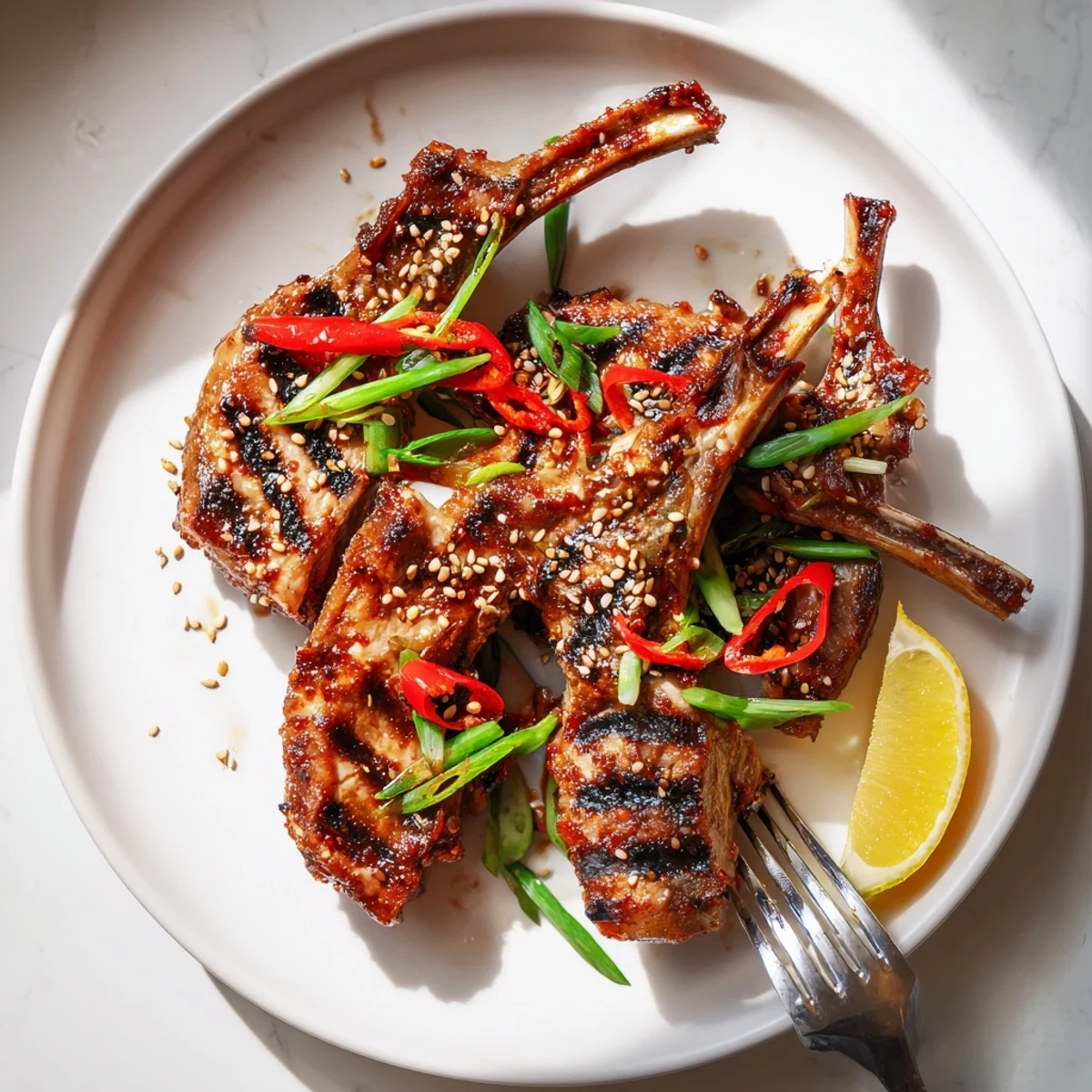
- Crank up your grill or broiler to high, transfer the ribs over direct heat, and cook for three to five minutes per side until the sugars darken and you get those irresistible slightly blackened edges.
- Finish with yuzu and garnish:
- Pull the ribs off the heat, squeeze fresh yuzu juice generously over the top, and scatter toasted sesame seeds, sliced spring onions, and chili across the surface while the meat is still glistening.
- Serve immediately:
- Arrange on a warm platter with extra yuzu wedges alongside, and encourage everyone to eat with their hands because these ribs demand it.
 Save to Pinterest
 The night I served these to a group of friends during a summer blackout, we ate them by candlelight with our fingers and laughed about how the power outage somehow made everything taste better.
Serving Suggestions That Actually Work
Steamed white rice is the obvious companion, soaking up the sticky marinade that drips from each rib, but a crisp cucumber salad dressed with sesame and vinegar provides a cooling contrast that the meal desperately needs. Kimchi is the traditional pairing and worth making or buying specifically for this dish, as its fermented funk mirrors the gochujang beautifully.
Handling and Storing Leftovers
Leftover ribs reheat surprisingly well when you wrap them loosely in foil and warm them in a 150 degree Celsius oven for about fifteen minutes. The microwave will steal your crust, so resist the temptation even when you are hungry and impatient.
Adapting This for Your Kitchen
You do not need an outdoor grill to succeed here, as a hot oven broiler produces excellent char when you position the rack close to the heat source. The marinade itself is versatile enough to use on chicken thighs or pork shoulder if lamb is not available or not your preference.
- For extra spice, double the gochujang or add a teaspoon of gochugaru flakes to the marinade.
- Check your gochujang label carefully, as many commercial brands contain wheat thickeners.
- Always let the ribs rest for five minutes after grilling so the juices redistribute before you slice.
 Save to Pinterest
 These ribs have a way of turning ordinary weeknights into something worth remembering, and I hope they become a staple in your kitchen the way they have in mine.
Recipe Questions & Answers
- → Can I substitute yuzu with another citrus?
-
Yes, if you cannot find fresh yuzu or yuzu juice, a blend of equal parts lemon and lime juice makes an excellent substitute. It won't replicate the exact floral notes of yuzu but will still provide a bright, refreshing finish.
- → How long should I marinate the lamb ribs?
-
Minimum marination time is one hour, but for the best results, marinate the ribs overnight in the refrigerator. The extended time allows the gochujang, soy sauce, and aromatics to penetrate deeply into the meat.
- → Can I cook these ribs entirely on the grill?
-
The two-step method of oven-roasting followed by grilling produces the most tender results. However, you can cook them entirely on a grill over indirect heat for about 1 hour, then finish over direct high heat for the char.
- → What cut of lamb ribs should I look for?
-
Look for lamb breast ribs or lamb riblets, which are readily available at most butchers. They have good fat content that renders during the slow roast, keeping the meat moist and flavorful.
- → Is this dish naturally gluten-free?
-
It can be gluten-free if you use gluten-free soy sauce or tamari. Be sure to check the label on your gochujang as well, since some brands contain wheat in their fermentation process.
- → What should I serve with these lamb ribs?
-
Steamed white rice, kimchi, pickled radish, or grilled vegetables all pair beautifully. A simple cucumber salad with sesame dressing also complements the bold, sweet-spicy flavors of the ribs.
