
 Save to Pinterest
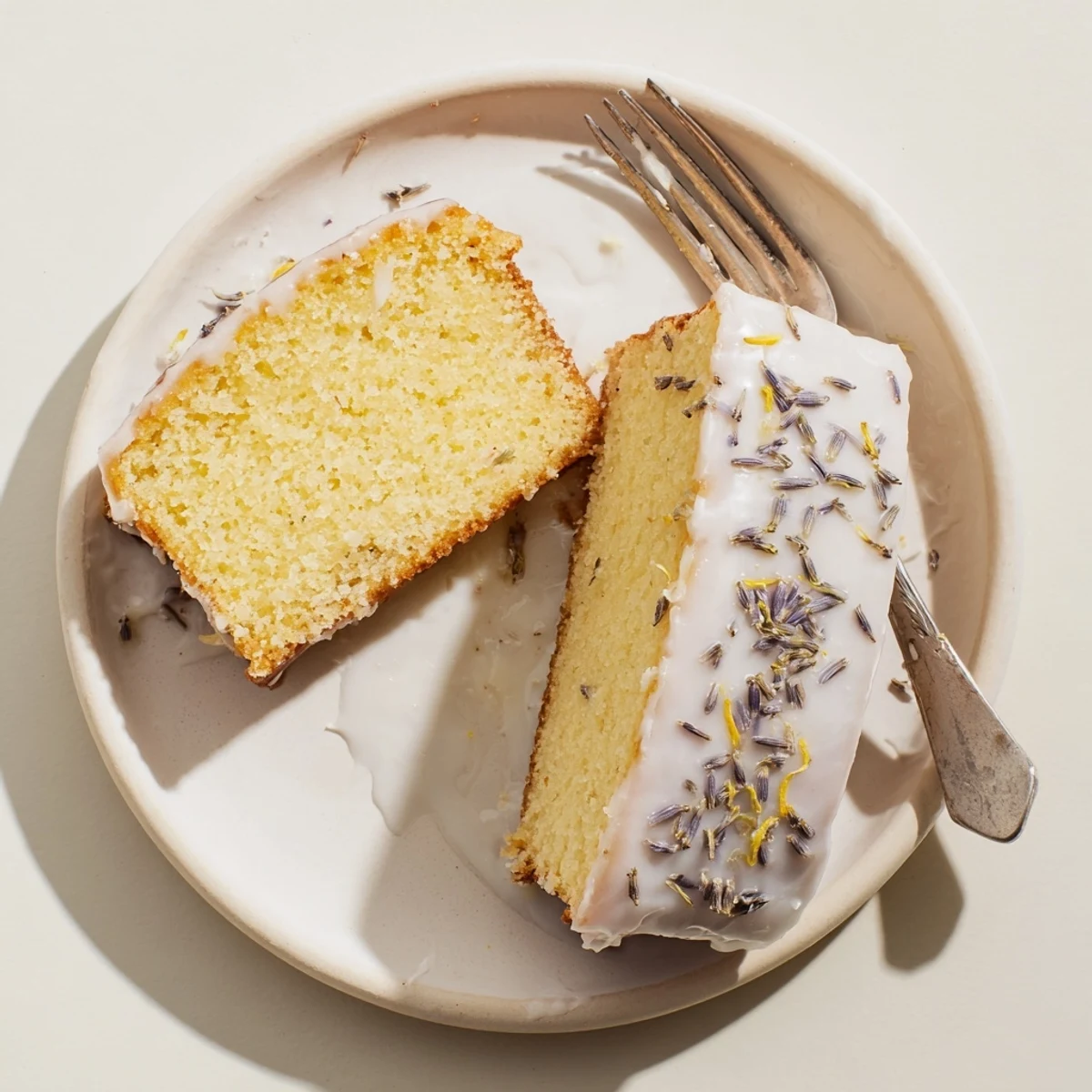
 This lemon lavender cake brings together bright citrus and delicate floral flavors in a wonderfully moist texture. The zesty lemon pairs beautifully with aromatic lavender, creating a sophisticated dessert perfect for spring celebrations or afternoon tea.
The cake comes together in about 55 minutes from start to finish and yields eight generous servings. A tangy lemon glaze adds the finishing touch, complementing the floral notes without overpowering them.
Key to success is using culinary-grade lavender and not overmixing the batter to maintain tenderness. The result is an elegant, bakery-worthy treat that balances sweetness with refreshing citrus and soothing lavender.
The first time I baked with lavender, I accidentally used three times the amount called for and ended up with a cake that tasted like expensive soap. My husband tried to be polite but eventually asked if I was experimenting with natural cleaning products.
Last spring I made this for my mothers birthday instead of her usual chocolate cake. She took one bite, closed her eyes, and said this was the flavor she wanted her wedding cake to be thirty five years ago but never found the right recipe.
Ingredients
- 2 cups all-purpose flour: The backbone that holds everything together without competing with the delicate flavors
- 1 ½ teaspoons baking powder: Gives you that lovely rise without making the cake taste metallic
- ½ teaspoon baking soda: Works with the acidic lemon juice to create extra tenderness
- ¼ teaspoon salt: Just enough to make the lemon sing without making the cake taste savory
- 1 tablespoon dried culinary lavender: Finely chop those buds yourself so the floral notes distribute evenly instead of clustering in weird pockets
- 1 cup granulated sugar: Rub this into the lemon zest first—it becomes this fragrant, yellow sugar that carries lemon flavor through every crumb
- Zest of 2 lemons: Use a microplane and only take the bright yellow part, none of the bitter white pith underneath
- ½ cup unsalted butter, softened: Leave it out for at least an hour so it creams properly into the sugar
- 2 large eggs: Room temperature eggs incorporate better and keep your batter from curdling
- 1 teaspoon vanilla extract: Pure vanilla only, never imitation which can taste harsh alongside the delicate lavender
- ¾ cup whole milk: Whole milk makes for a tender crumb—low fat versions can make the texture slightly tough
- ⅓ cup fresh lemon juice: Add this last so the baking soda has time to work its magic during baking
- 1 cup powdered sugar: Sift this first or your glaze will have tiny lumps no matter how much you whisk
- 2–3 tablespoons fresh lemon juice: Start with 2 tablespoons and add more until you reach honey consistency
- ½ teaspoon dried culinary lavender: Sprinkle this over the glaze while it is still wet so it adheres beautifully
Instructions
- Preheat your oven and prep the pan:
- Set your oven to 350°F and thoroughly grease a 9 inch round pan with butter, then dust it with flour, tapping out any excess. The parchment paper circle on the bottom is insurance against sticking and heartbreak.
- Whisk the dry ingredients together:
- In a medium bowl, combine flour, baking powder, baking soda, salt, and that chopped lavender. Give it a thorough whisking so the lavender gets evenly distributed throughout the flour.
- Infuse the sugar with lemon:
- Pour your sugar into a large mixing bowl, add the lemon zest, and use your fingers to rub them together until the sugar becomes fragrant and pale yellow. This step is worth the extra minute—it is what makes the lemon flavor present in every single bite.
- Cream the butter and sugar:
- Add your softened butter to that fragrant sugar and beat for about 3 minutes until the mixture looks pale and fluffy. You want plenty of air incorporated here for that tender, light texture.
- Add the eggs and vanilla:
- Beat in your eggs one at a time, letting each fully incorporate before adding the next. Stir in the vanilla until everything looks smooth and creamy.
- Combine wet and dry ingredients:
- Add your dry ingredients in three additions, alternating with the milk in two additions, starting and ending with the flour mixture. Finish by folding in the lemon juice just until combined—over mixing will make your cake tough.
- Bake until perfectly done:
- Pour the batter into your prepared pan, smooth the top with an offset spatula, and bake for 30 to 35 minutes. The cake is ready when a toothpick comes out clean or the top springs back when gently pressed.
- Cool and glaze:
- Let the cake rest in the pan for 10 minutes, then turn it out onto a wire rack to cool completely. Whisk the powdered sugar and lemon juice until smooth, drizzle it over the cooled cake, and sprinkle with lavender while the glaze is still tacky.
 Save to Pinterest
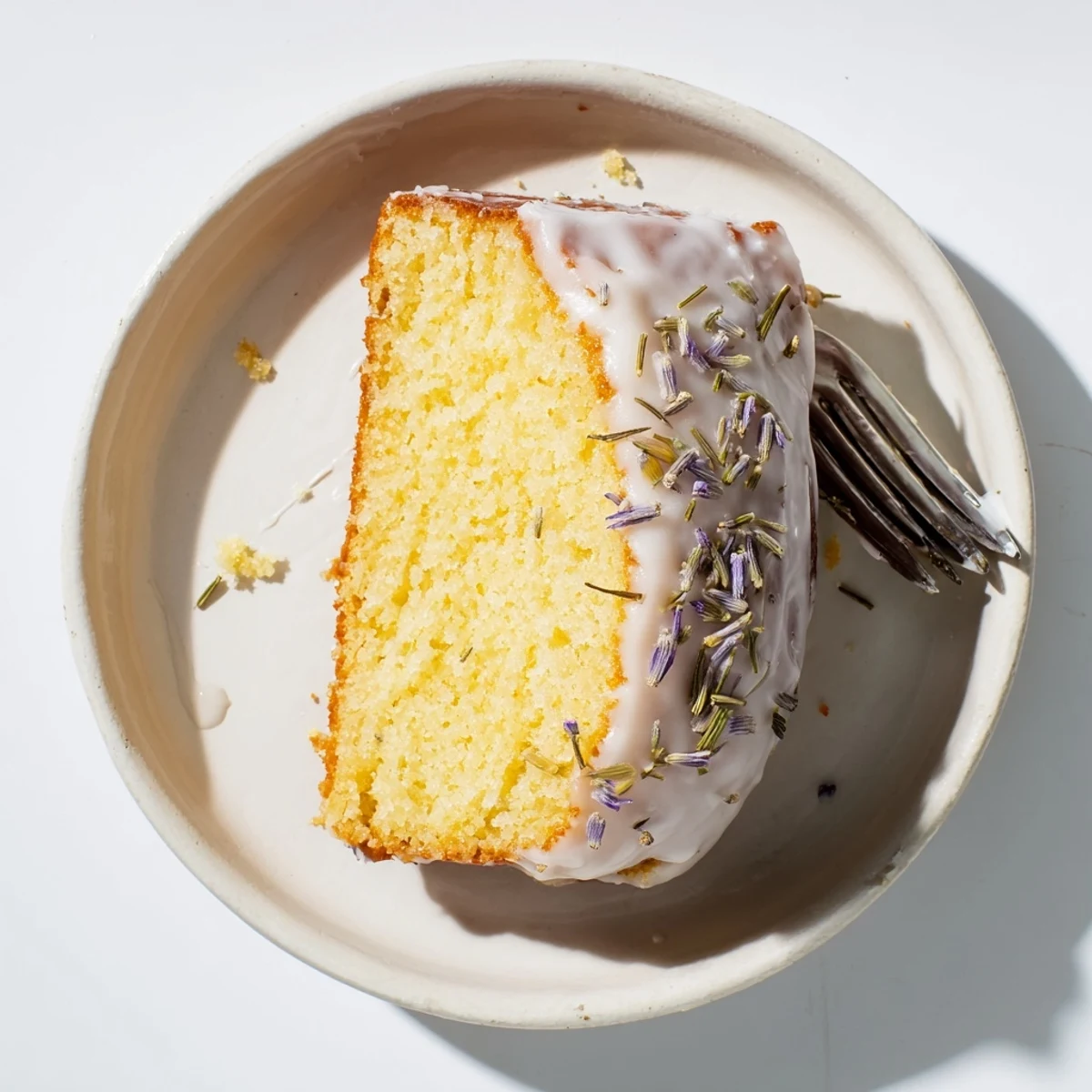
 This cake has become my go to for new neighbors and coworkers because it feels thoughtful without being overly intimate. People remember it months later and sometimes ask if I can teach them how to make it.
Getting the Lavender Balance Right
If you have never baked with lavender before, start with the listed amount and know that you can always adjust next time. The flavor develops as the cake cools, so do not be tempted to add more while you are mixing the batter.
Making It Ahead
The unfrosted cake actually improves after a day wrapped tightly at room temperature—the flavors meld and the texture becomes even more tender. Just add the glaze within a few hours of serving for the prettiest presentation.
Serving Suggestions
Slice this cake thinly because it is rich and the flavors are meant to be savored slowly. It pairs beautifully with a cup of Earl Grey tea or even a glass of prosecco for brunch.
- Let the glaze set completely before slicing or your cuts will look messy
- Room temperature cake has the best texture and flavor profile
- Leftovers keep well for three days if covered properly
 Save to Pinterest
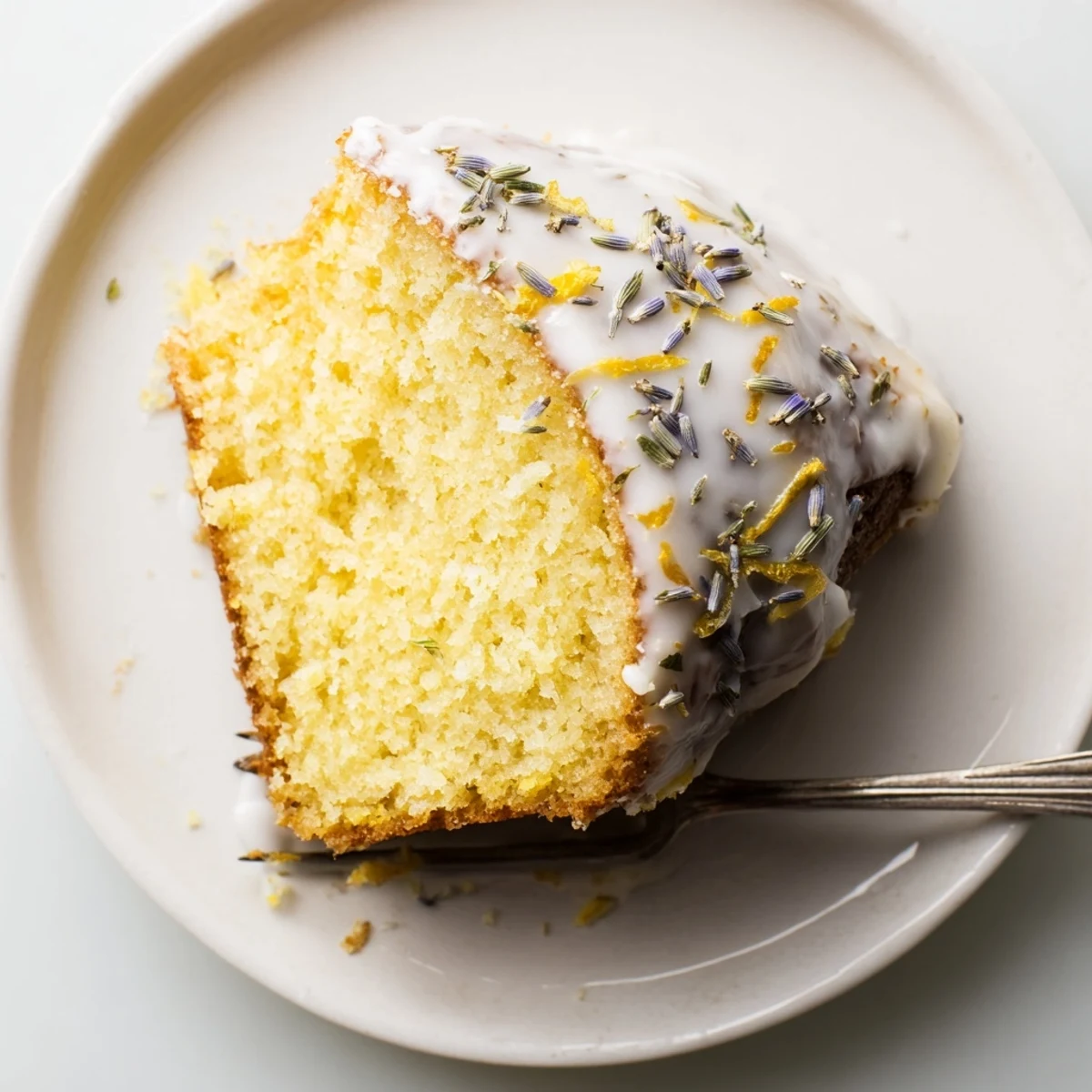
 There is something magical about a cake that tastes like a sunny garden and makes your whole kitchen smell like spring.
Recipe Questions & Answers
- → Can I use fresh lavender instead of dried?
-
While dried culinary lavender is preferred for consistent flavor, you can use fresh lavender buds. Use about twice the amount of fresh lavender since it's less potent than dried. Always ensure lavender is culinary-grade and meant for food consumption.
- → How should I store this cake?
-
Store the cake at room temperature in an airtight container for up to 3 days. If you've glazed it, let the glaze set completely before covering. For longer storage, refrigerate for up to a week, though bring to room temperature before serving for best texture.
- → Can I make this cake ahead of time?
-
Absolutely! The unfrosted cake can be baked a day in advance and stored wrapped in plastic at room temperature. Add the glaze the same day you plan to serve. The flavors actually develop and improve after resting for a day.
- → What can I substitute for whole milk?
-
You can use buttermilk for extra tanginess, or any plant-based milk like almond or oat milk for a dairy-free version. The cake's texture remains excellent with these substitutions. Adjust lemon juice slightly if using buttermilk.
- → Why is my cake dense?
-
A dense cake usually results from overmixing the batter once flour is added, which develops too much gluten. Mix only until ingredients are just combined. Also ensure your baking powder and soda are fresh, and measure flour accurately by spooning into measuring cups rather than dipping.
- → Can I make cupcakes instead?
-
Yes! This batter makes about 18-24 cupcakes. Reduce baking time to 18-22 minutes at 350°F. Test with a toothpick and let cool completely before glazing. Cupcakes are perfect for individual servings and easier to share at gatherings.
