
 Save to Pinterest
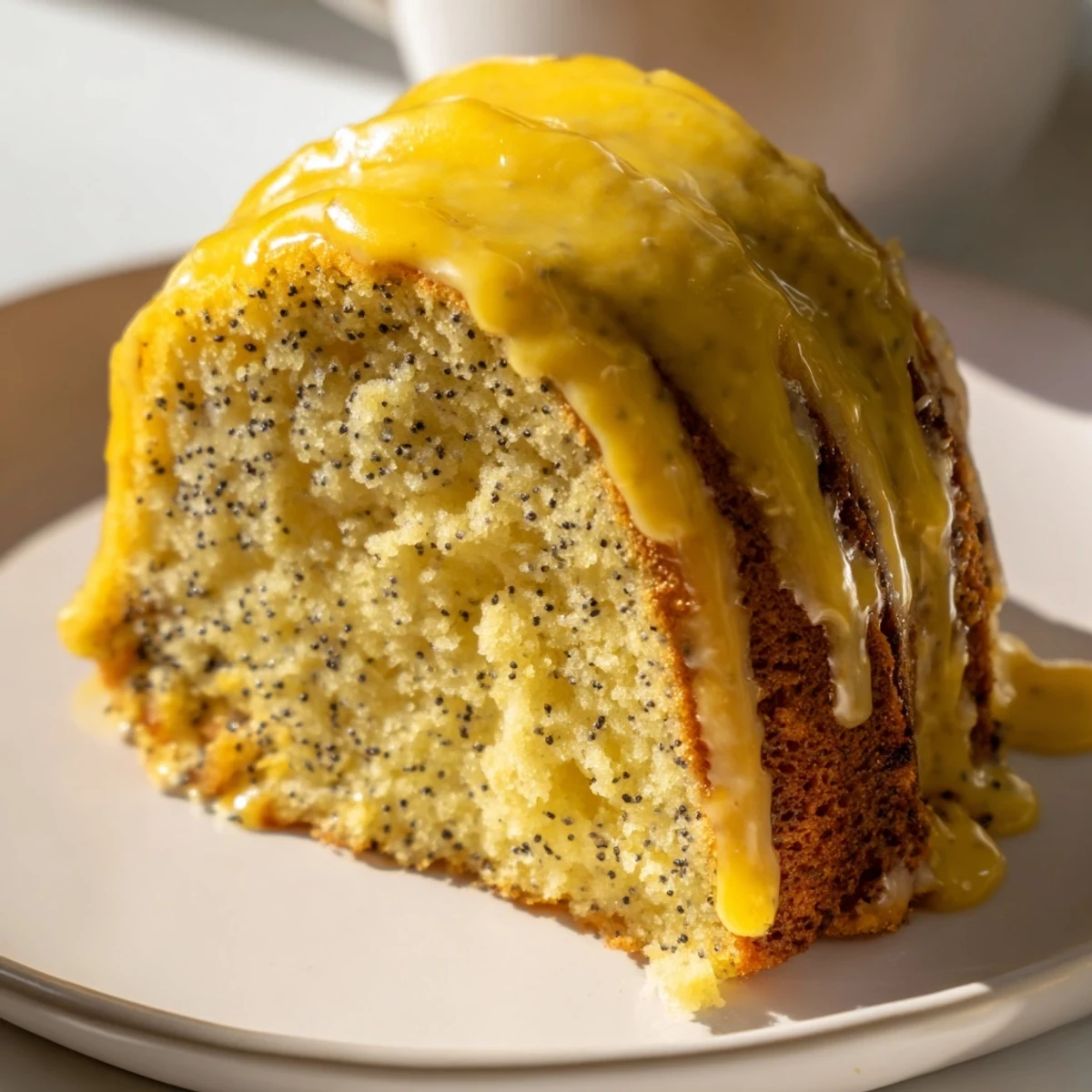
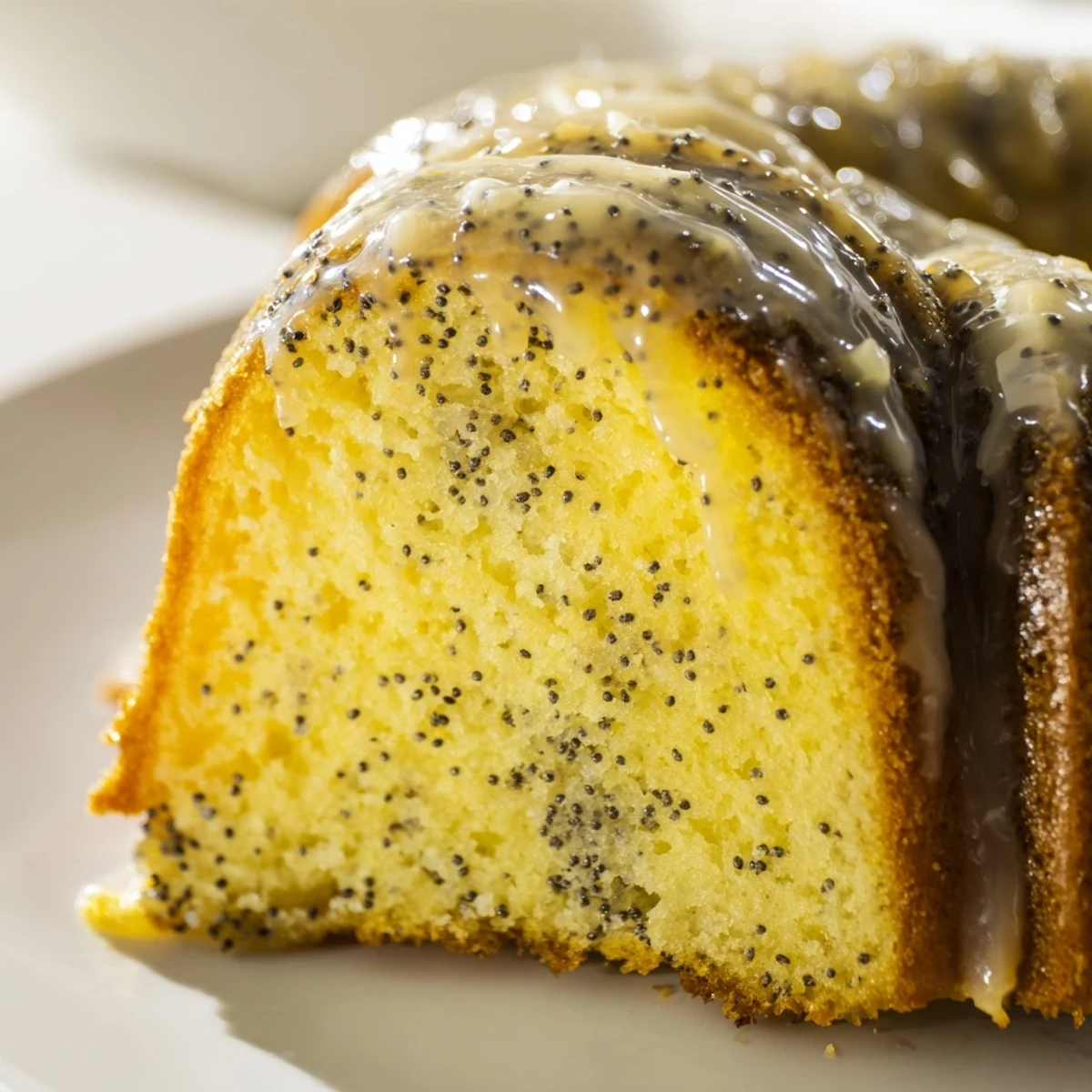
 This bundt offers a moist, tender crumb infused with fresh lemon zest and juice. Crunchy poppy seeds add texture throughout while a sweet lemon glaze drapes the top for a citrusy finish. Using simple pantry staples like flour, butter, sugar, and eggs, it combines bright flavors and rich buttery notes. The batter is mixed gently, baked until golden, then topped with a tangy glaze that sets into a subtle shine. It pairs wonderfully with fresh berries or a cup of tea for any special occasion or casual gathering.
The first time I made this lemon poppy seed bundt cake, my kitchen smelled like sunshine itself had moved in. My youngest kept wandering in asking if I was making lemonade, which I found hilarious given all the butter involved. That cake disappeared faster than anything I've ever baked, with neighbors actually knocking on the door to ask what smelled so incredible. Now it's my go to for bringing something bright to any gathering.
I made this cake for my mother's birthday brunch last spring when everything was in full bloom. She took one bite, closed her eyes, and told me it tasted exactly like the lemon pound cake her grandmother used to make from memory. Seeing that connection across generations through food made all the zesting and waiting completely worth it. Now whenever I see poppy seeds, I think of that morning.
Ingredients
- 3 cups all purpose flour: This forms the foundation of your cake structure, so measure by weight if you can for consistency
- 2 ½ teaspoons baking powder: Gives the cake its rise alongside the baking soda
- ½ teaspoon baking soda: Works with the acidic lemon juice to create lift
- ½ teaspoon salt: Enhances all the flavors without making it taste salty
- 3 tablespoons poppy seeds: These tiny seeds add the most delightful little crunch throughout every bite
- 1 cup unsalted butter softened: Room temperature butter incorporates properly for that tender crumb we all want
- 2 cups granulated sugar: Sweetens while helping create that lovely golden crust
- Zest of 2 lemons: This is where all that bright lemon oil lives, so zest thoroughly
- 4 large eggs room temperature: Cold eggs can seize your butter mixture, so let them sit out first
- 1 teaspoon vanilla extract: Rounds out the sharp lemon with warmth
- 1 cup whole milk: Whole milk creates the most tender texture
- ¼ cup fresh lemon juice: Use fresh squeezed nothing compares to that bright acidity
- 1 ½ cups powdered sugar: Creates that smooth sweet icing that drips beautifully
- 2 to 3 tablespoons fresh lemon juice: Adjust this to get your icing exactly how thick you like it
Instructions
- Prepare your oven and pan:
- Preheat oven to 350°F and really thoroughly grease and flour your bundt pan, getting into every crevice so nothing sticks
- Mix the dry ingredients:
- Whisk together flour, baking powder, baking soda, salt, and poppy seeds in a medium bowl until everything is well combined
- Cream the butter mixture:
- Beat butter, sugar, and lemon zest until pale and fluffy, which takes about 3 minutes of serious mixing
- Add the eggs:
- Add eggs one at a time, beating completely after each one, then mix in your vanilla extract
- Combine milk and lemon juice:
- Mix the milk and fresh lemon juice together in a measuring cup
- Combine everything:
- Alternately add the flour mixture and milk mixture to your butter mixture on low speed, starting and ending with flour, mixing just until combined
- Bake the cake:
- Pour batter into your prepared pan, smooth the top, and bake 45 to 55 minutes until a toothpick in the center comes out clean
- Cool completely:
- Let the cake rest in the pan 15 minutes, then carefully turn it onto a rack to cool completely before icing
- Make the lemon icing:
- Whisk powdered sugar with 2 tablespoons lemon juice, adding more juice until thick but pourable, then drizzle over the cooled cake
 Save to Pinterest
 My friend Sarah swears this cake saved her brunch last month when she forgot to make dessert until the last minute. She texted me a picture of the empty plate with just crumbs left, saying even her father in law who never eats sweets had two slices. There's something about lemon that just makes people happy, you know
Getting The Perfect Texture
The trick to that bakery quality texture is all about room temperature ingredients and gentle handling. I learned the hard way that cold butter creates tiny lumps that never quite disappear, leaving you with weird dense spots in an otherwise perfect cake. Take everything out at least an hour before you start baking.
Making It Your Own
Sometimes I add a drop of almond extract along with the vanilla, which gives this subtle marzipan note that people can never quite identify. My sister swaps some of the flour for almond flour when she makes it, creating this incredibly moist version that's become her signature. Fresh blueberries folded gently into the batter right before baking turn it into something entirely different but equally wonderful.
Serving And Storage Tips
This cake actually tastes better on day two once all those lemon flavors have had time to mingle and settle. I wrap mine tightly in plastic wrap at room temperature, never the refrigerator because that dries it out completely.
- Serve with fresh berries and a dollop of whipped cream for an impressive dessert
- A cup of Earl Grey tea brings out the lemon notes beautifully
- The uniced cake freezes well for up to a month if you want to bake ahead
 Save to Pinterest
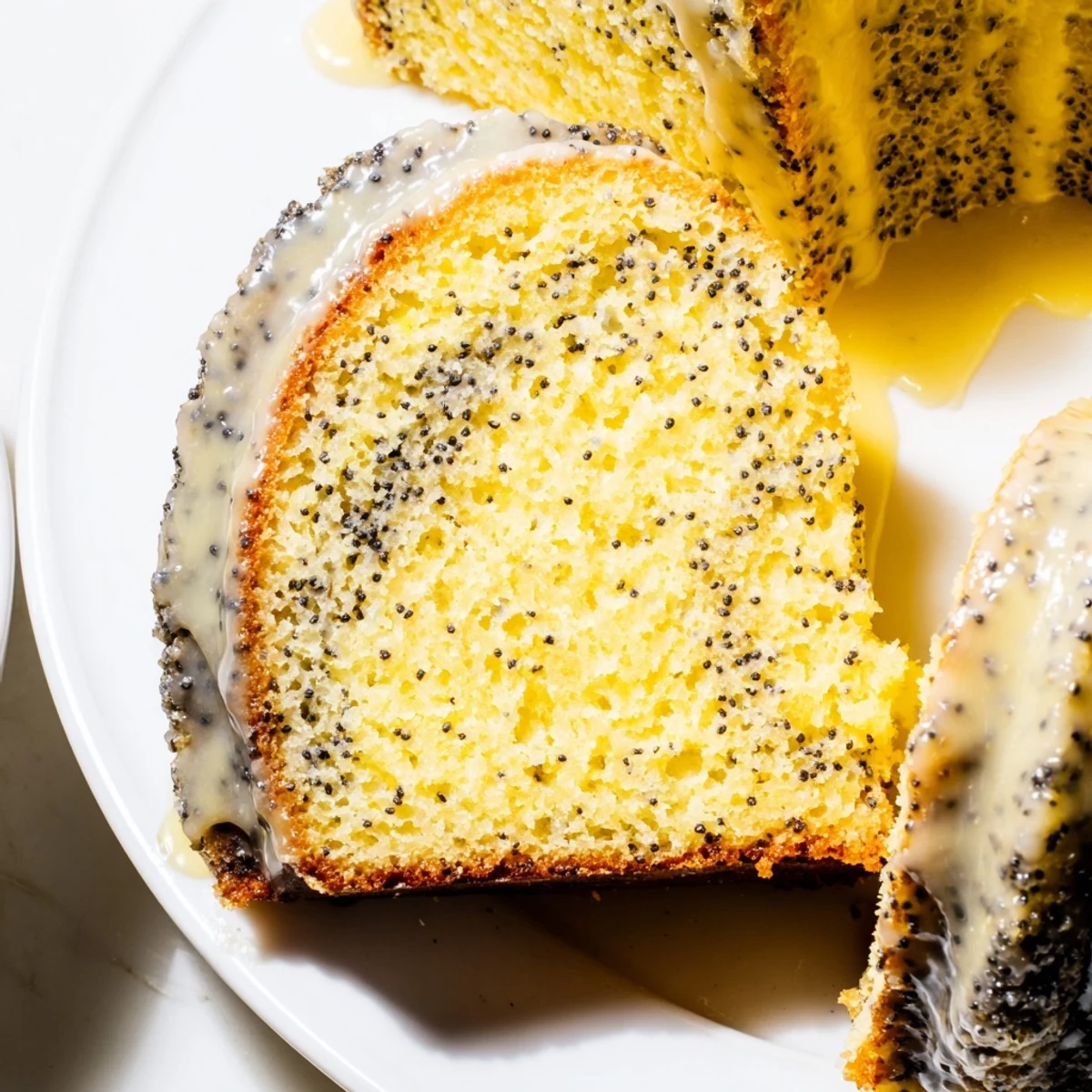
 Every time I pull this cake from the oven, that golden dome flecked with tiny seeds makes me smile before anyone even takes a bite. Hope it brings as much brightness to your table as it has to mine.
Recipe Questions & Answers
- → How do poppy seeds affect the texture?
-
Poppy seeds provide a pleasant crunch contrasting the tender crumb, adding a subtle nutty note.
- → What is the best way to ensure moistness?
-
Using room temperature butter and eggs, and alternating dry and wet ingredients gently helps keep the cake moist.
- → Can I use different pans?
-
A 10-cup bundt pan is ideal for even baking and shape; loaf pans will change baking time and texture.
- → How long to cool before glazing?
-
Cool the cake in the pan for 15 minutes, then fully on a rack to ensure the glaze doesn’t melt.
- → Are there alternatives to lemon glaze?
-
Vanilla or almond-flavored glazes complement the cake well, enhancing the citrus and nutty notes.
