
 Save to Pinterest
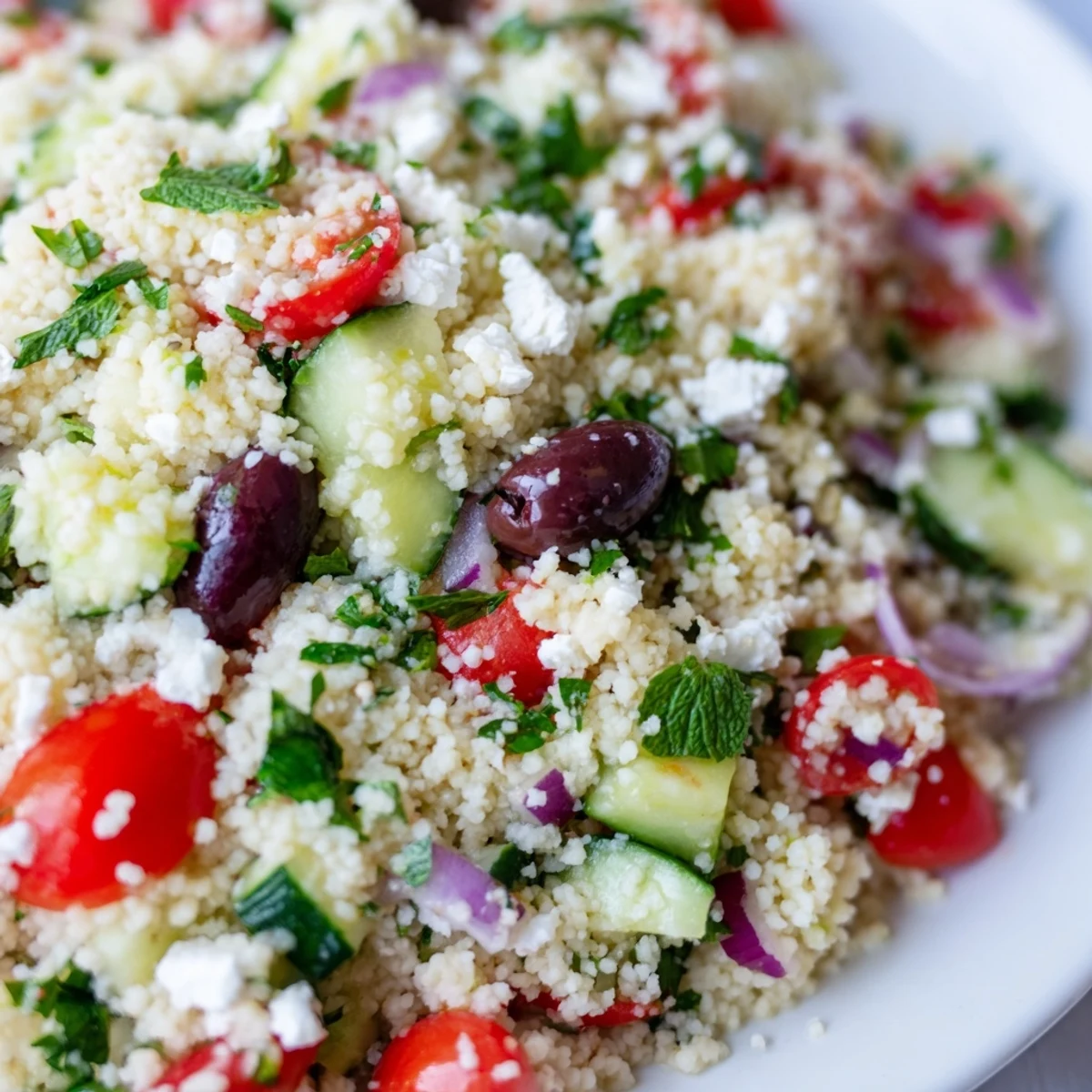
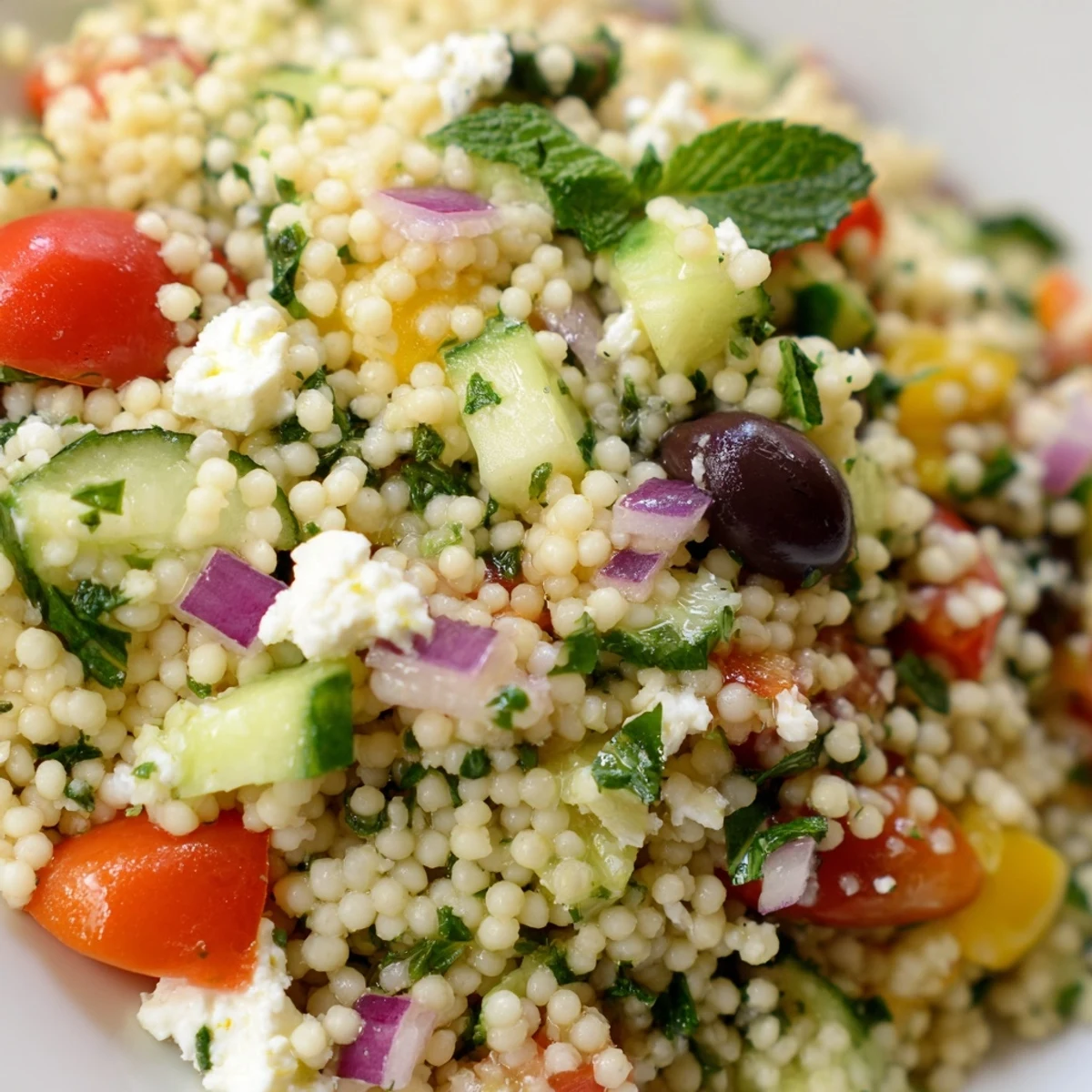
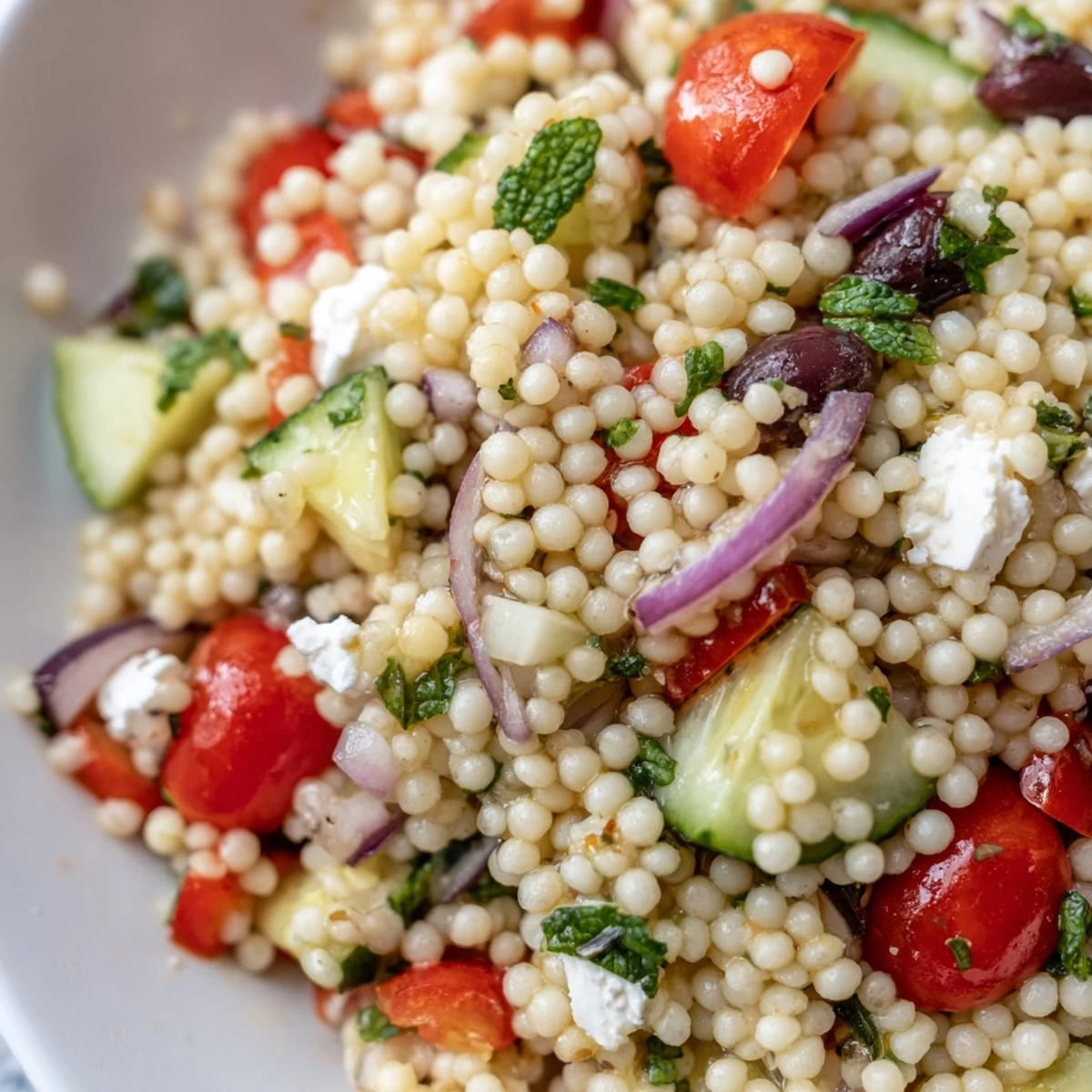
 This Mediterranean couscous combines fluffy grains with crisp cherry tomatoes, cucumbers, red onion, and bell pepper. Fresh herbs like parsley and mint add aroma while crumbled feta and Kalamata olives provide savory contrast. A zesty lemon, olive oil, and Dijon mustard dressing ties the flavors together. Quick to prepare and perfect for light meals or gatherings, it offers a refreshing balance of textures and tastes that highlight Mediterranean freshness.
One sunny afternoon, I was digging through my pantry looking for something quick to bring to a friend's impromptu garden gathering, and I spotted a box of couscous tucked behind some canned tomatoes. I'd never made it before, but something about combining it with the vegetables sitting in my crisper drawer felt right—almost like the salad was already waiting to happen. Twenty minutes later, I had a bowl so bright and fresh-tasting that my friend asked for the recipe before she'd even finished her first bite.
I brought this to a potluck once where I didn't know many people, and watching someone go back for thirds made me realize that sometimes the simplest dishes are the ones that get people talking. The fact that it looked colorful on the table probably helped too—it just feels like something worth tasting.
Ingredients
- Couscous: This tiny pasta cooks in just five minutes with boiling water, and it becomes wonderfully fluffy if you give it a moment to steam and cool before fluffing with a fork.
- Cherry tomatoes: Halving them instead of dicing keeps them from being too watery in the salad, and they burst with flavor in every bite.
- Cucumber: Dice it into roughly the same size as your other vegetables so everything feels balanced and cohesive.
- Red onion: A thin dice is key here because raw onion can overpower, but in small pieces it adds a sharp, fresh note that brightens everything.
- Red bell pepper: The sweetness of this plays beautifully against the tang of the feta and the brightness of the lemon dressing.
- Fresh parsley and mint: These herbs are what make this taste Mediterranean rather than just like a salad—don't skip them or use dried.
- Feta cheese: Its saltiness and creaminess are essential to the whole thing, but buy good quality if you can because it really matters here.
- Kalamata olives: Pit and slice them yourself if you have time; they're worth the small effort and taste better than pre-sliced.
- Extra-virgin olive oil: Use your best bottle for the dressing because it's one of only four ingredients and the quality shows.
- Fresh lemon juice: Squeeze it yourself—bottled just doesn't have the same brightness that makes this dressing work.
- Dijon mustard: This small amount acts as an emulsifier to help the dressing come together and adds a subtle sophistication.
- Garlic and oregano: The garlic should be minced tiny, and the oregano brings that Mediterranean warmth that ties everything together.
Instructions
- Prepare the couscous foundation:
- Combine your couscous with olive oil and salt in a large bowl, then pour the boiling water over it and cover tightly. The oil coating prevents clumping, and the salt seasons it from the start. After five minutes, fluff everything gently with a fork and let it cool completely—warm couscous will wilt your herbs and vegetables.
- Build the dressing:
- Whisk together the extra-virgin olive oil, lemon juice, mustard, minced garlic, oregano, and black pepper in a small bowl until it feels emulsified and balanced. Taste it on a piece of bread to make sure the lemon brightness isn't overpowered by the salt.
- Assemble the vegetables:
- Once the couscous is completely cool, add all your fresh vegetables, herbs, feta, and olives to the bowl. The cooling step is crucial because it means none of the fresh elements will wilt or get warm.
- Bring it all together:
- Pour the dressing over everything and toss gently but thoroughly, making sure the couscous grains get coated and the vegetables are evenly distributed. Taste as you go and adjust the salt, lemon, or oregano until it feels right to you.
- Rest and serve:
- You can eat it right away if you're hungry, but thirty minutes of chilling lets the flavors meld into something even better. It stays fresh and delicious in the refrigerator for about two days.
 Save to Pinterest
 There's something almost meditative about chopping vegetables for this salad—the rhythm of the knife, the smell of the red onion, the way the colors build up on your cutting board. By the time you're done, you already feel like you've made something intentional and thoughtful, which is part of why people respond to it the way they do.
Why This Works as a Meal
Couscous salad falls into that rare category of food that works everywhere—bring it to a picnic and it's perfect in the sun, serve it at a dinner party and it feels elegant, pack it for lunch and you'll actually want to eat it. The combination of grains, vegetables, protein from the feta, and fat from the olives and dressing means it's filling without being heavy, and the flavors are bright enough that you won't get tired of it halfway through the bowl. I've learned that the secret to food people want to eat again is balance, and this has it in every way.
Make It Your Own
Once you understand how this works, you can play with it without losing what makes it special. Swap the bell pepper for roasted red peppers if that's what you have, or add diced avocado right before serving for creaminess. Some people stir in cooked chickpeas for more substance, and others toss in grilled shrimp or chicken if they want it to be more of a main course. The dressing is also forgiving—if you like things more herbaceous, add extra parsley or a handful of fresh basil, or if you want it richer, increase the olive oil by a tablespoon. The foundation is strong enough to handle these changes without falling apart.
Tips From the Kitchen
The texture of this salad is what really matters, so don't feel like you need to cut everything the same precise size—just keep the pieces roughly similar so nothing dominates. If you're cooking for people with dietary restrictions, it's naturally easy to adapt: leave off the feta for a vegan version, use quinoa instead of couscous if gluten is a concern, or swap in cannellini beans for protein without dairy. The one thing I'd never skip is fresh herbs and good lemon juice, because those are what elevate this from a bowl of vegetables to something that tastes like it was made with care.
- Make the dressing up to a day ahead and store it in a jar in the fridge to save time on busy days.
- If you're bringing this somewhere, pack the dressing separately and toss it in right before serving to keep everything crisp.
- Leftovers actually taste better the next day as the flavors continue to get to know each other, but the texture softens, so eat within two days.
 Save to Pinterest
 This salad has become one of those recipes I make without thinking, the way you might hum a song you know by heart. It reminds me that some of the best dishes are the ones that feel effortless to make but taste like you put real thought into them.
Recipe Questions & Answers
- → Can I prepare the couscous ahead of time?
-
Yes, couscous can be cooked and cooled in advance. Store it covered in the refrigerator, then combine with the vegetables and dressing just before serving.
- → What can I substitute for feta cheese?
-
For a dairy-free option, use plant-based cheese alternatives or omit cheese entirely while boosting flavor with extra herbs or nuts.
- → How do I keep the salad fresh longer?
-
Store leftovers in an airtight container in the refrigerator for up to 2 days. Add dressing just before serving if stored separately.
- → Can I add protein to this dish?
-
Yes, chickpeas or grilled chicken complement the flavors well and provide extra protein for a more satisfying meal.
- → Is it possible to make this gluten-free?
-
Substitute couscous with quinoa or a certified gluten-free grain to avoid gluten while maintaining a similar texture.
