
 Save to Pinterest
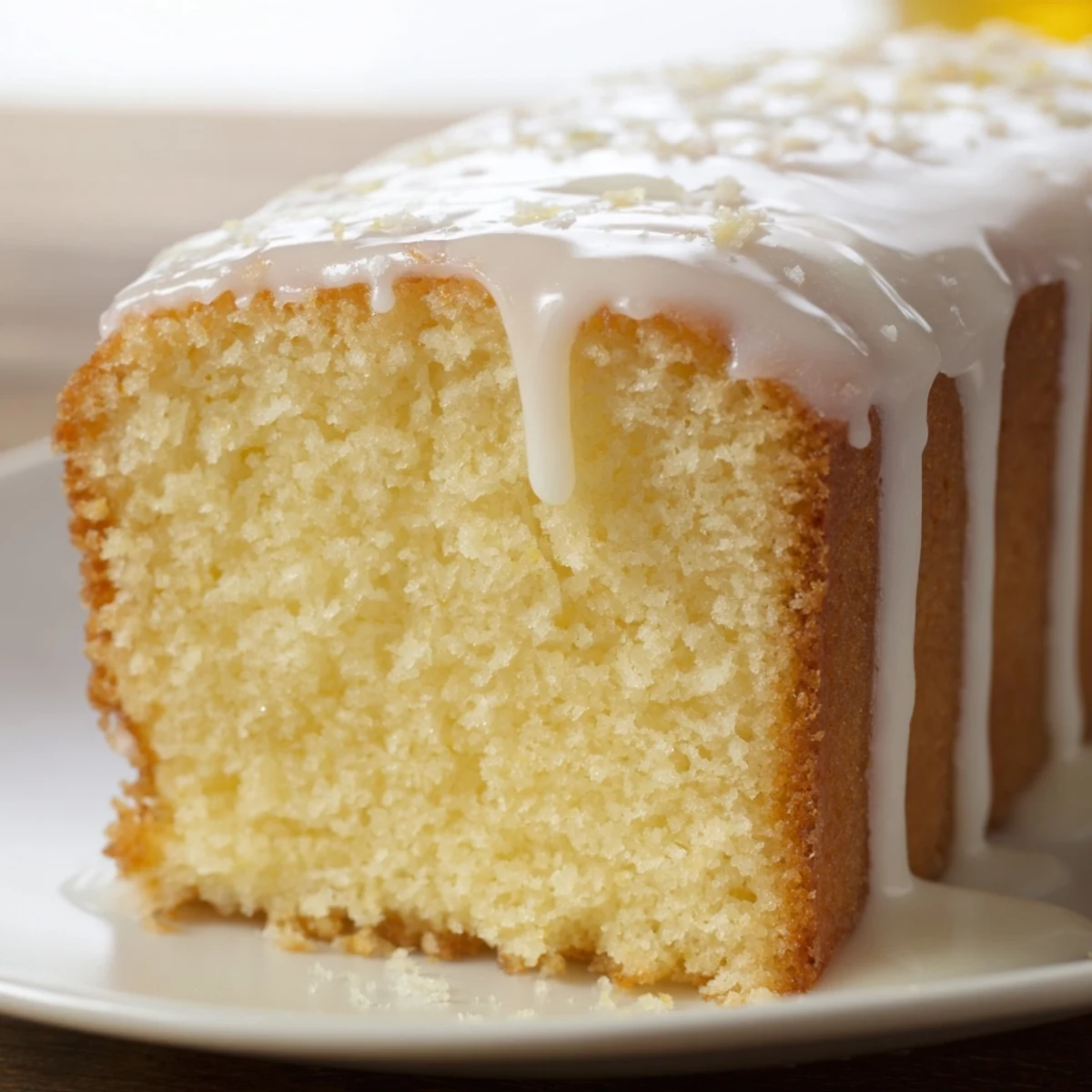
 This beloved community gathering dessert features a remarkably moist and tender vanilla sponge, topped with a sweet simple glaze. The batter comes together quickly using basic pantry ingredients, while buttermilk ensures a soft, delicate texture that stays fresh for days.
Ideal for feeding large groups, this 9x13-inch cake yields 12 generous servings. The preparation is straightforward—cream butter and sugar until fluffy, incorporate eggs and vanilla, then alternate adding dry ingredients with buttermilk for the perfect tender crumb.
The vanilla glaze adds just the right touch of sweetness without overwhelming the subtle vanilla flavor. Serve alongside coffee or tea at your next community event, church function, or family gathering.
The church hall always smelled like this cake on Sunday mornings, something about the way butter and vanilla wrapped around each other in the air. Mrs. Henderson brought it every month for forty years, and I finally got brave enough to ask for the recipe during a potluck when I was barely old enough to reach the stove. She wrote it on the back of a collection envelope, explaining that the secret was room temperature everything and not overthinking the glaze. Now whenever I bake it, my whole building knows something good is happening.
Last summer I made three of these for a neighborhood block party, stacked them on a folding table, and turned around to grab napkins. When I came back two minutes later, every single crumb was gone and people were actually asking for the recipe like it was some family secret. My neighbor texted me the next day saying her kids had already requested it for their birthday cakes this year.
Ingredients
- All purpose flour: Gives the cake structure without making it tough, and spooning and leveling instead of scooping keeps it light
- Baking powder and baking soda: Work together to create that beautiful rise, so check that theyre fresh before you start
- Unsalted butter: Softening it properly means no curdling when you mix it with sugar, and I leave mine out for at least an hour
- Granulated sugar: Creaming this with the butter creates tiny air pockets that make the cake tender
- Large eggs: Room temperature eggs incorporate better into the batter, preventing those little eggy streaks
- Vanilla extract: Use the real stuff here since its the main flavor, and I always add just a pinch extra
- Buttermilk: Adds tang and tenderness that regular milk cant achieve, and the acid activates the baking soda perfectly
- Powdered sugar: Sift it first for a glaze that drizzles like silk instead of forming clumps
- Milk: Start with two tablespoons and add more only if needed, since you want it pourable not runny
Instructions
- Get your oven and pan ready:
- Preheat to 350°F and grease your 9x13 pan thoroughly, getting into all the corners, then dust with flour and tap out any excess.
- Mix your dry ingredients:
- Whisk together flour, baking powder, baking soda, and salt in a medium bowl so theyre evenly distributed.
- Cream the butter and sugar:
- Beat butter and sugar on medium high speed for a full three minutes until its pale and fluffy, scraping down the bowl halfway through.
- Add the eggs and vanilla:
- Add eggs one at a time, beating for a full minute after each one, then mix in vanilla until you can smell it throughout the batter.
- Combine everything:
- Add flour mixture in three parts alternating with buttermilk in two parts, starting and ending with flour, and mix only until you no longer see dry streaks.
- Bake to perfection:
- Spread batter evenly, bake for 30 to 35 minutes, and test with a toothpick in the center which should come out clean or with just a few moist crumbs.
- Cool completely:
- Let the cake rest in the pan for 15 minutes so it sets, then move it to a wire rack until its completely cool to the touch.
- Make the glaze:
- Whisk powdered sugar with vanilla and two tablespoons milk, adding more milk a teaspoon at a time until it reaches a thick but pourable consistency.
- Finish and serve:
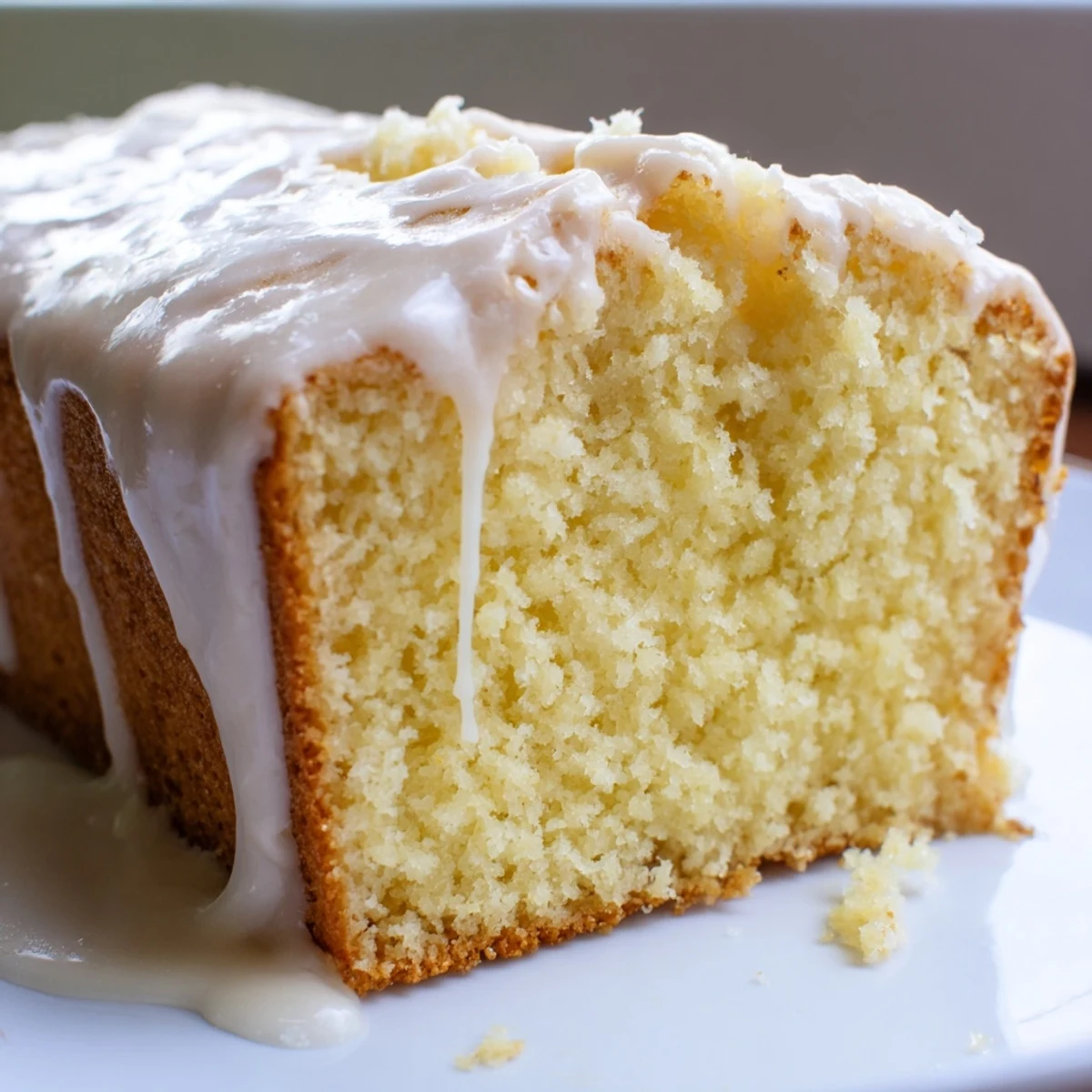
- Drizzle the glaze back and forth over the cake in lines, let it set for about 20 minutes until it forms a slight crust, then slice and serve.
 Save to Pinterest
 My daughter asked to help make the glaze last weekend, and I watched her little hands whisk the powdered sugar and milk with such concentration. She insisted on doing the drizzling part too, creating chaotic zigzag patterns that somehow looked even better than my neat lines. When we served it at dinner that night, she announced to everyone that it was our cake now.
Making It Your Own
Once you have the basic recipe down, lemon zest in the batter transforms it into something bright and special, especially in spring. I have also mixed in a cup of fresh blueberries right at the end, folding them gently so they dont burst and streak the batter.
Serving Suggestions
This cake is perfect as is, but sometimes I serve it with fresh strawberries on the side if summer berries are at their peak. A cup of strong coffee cuts through the sweetness beautifully, though tea works just as well for afternoon gatherings.
Storage and Make Ahead Tips
The unglazed cake keeps well wrapped in plastic at room temperature for two days, or refrigerated for up to five days. You can bake it a day ahead and glaze it the morning of your event, which actually helps the flavors develop even more.
- Freeze individual slices wrapped in plastic then foil for up to three months
- Bring the cake to room temperature before glazing if it has been refrigerated
- Add any mix ins like nuts right before spreading the batter so they dont sink
 Save to Pinterest
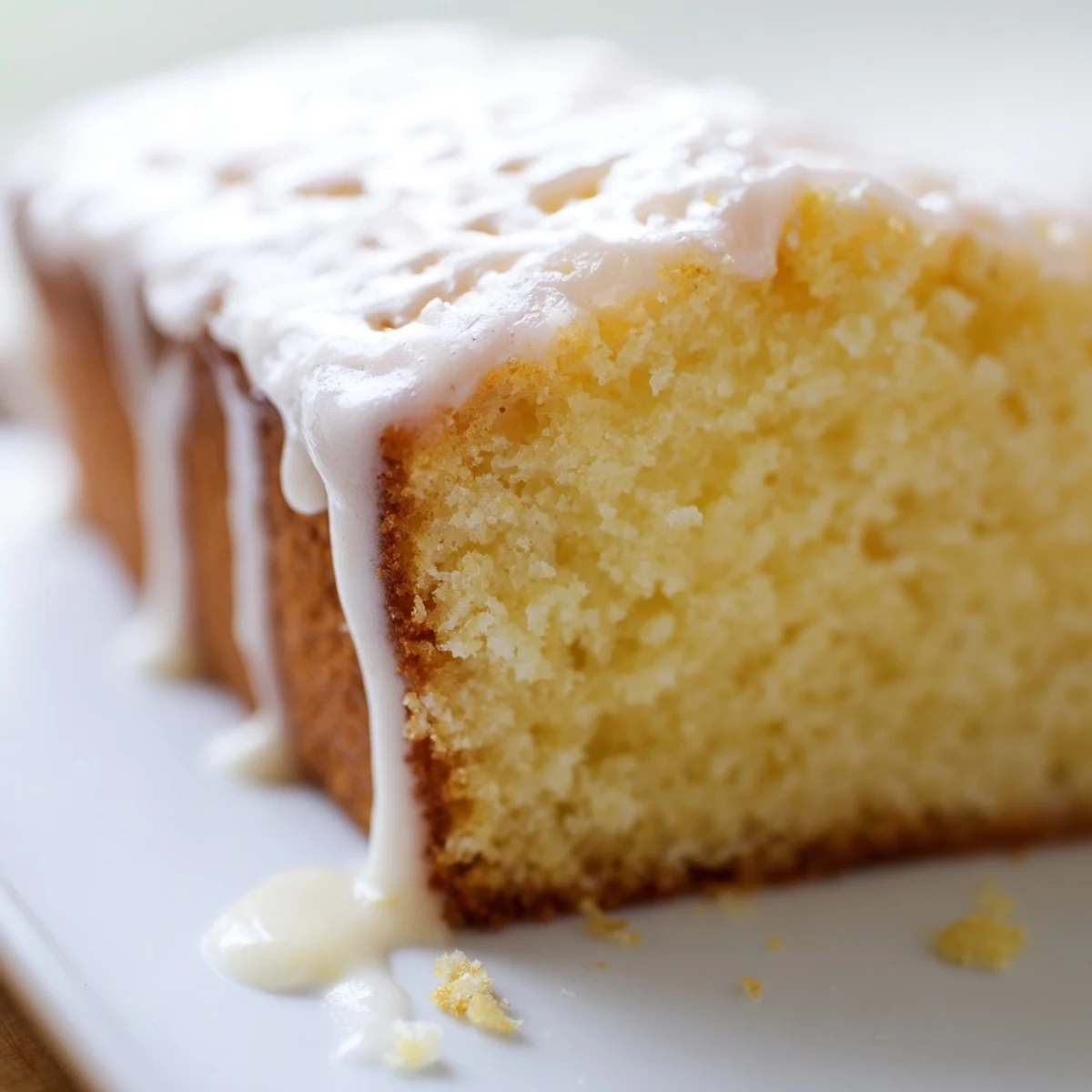
 There is something wonderful about a recipe that travels so well from church halls to kitchen tables, always making people feel at home. Hope this cake becomes part of your story too.
Recipe Questions & Answers
- → What makes church cake different from regular vanilla cake?
-
The buttermilk creates exceptional moisture and tenderness, while the 9x13-inch pan format yields generous portions perfect for serving large groups at community gatherings and potlucks.
- → Can I make this cake ahead of time?
-
Absolutely. The moisture from buttermilk keeps it fresh for 2-3 days at room temperature when covered, or freeze unfrosted for up to 3 months. Add glaze after thawing.
- → What if I don't have buttermilk?
-
Combine 1 cup regular milk with 1 tablespoon lemon juice or white vinegar. Let sit 5-10 minutes until slightly thickened. This creates the acidity needed for tender texture.
- → Why is my cake dense instead of fluffy?
-
Overmixing develops gluten, creating density. Mix until ingredients are just combined. Also ensure butter and eggs are room temperature, and avoid opening the oven door during baking.
- → Can I double this recipe for larger gatherings?
-
Yes, double all ingredients and bake in two separate 9x13-inch pans or use a half-sheet pan. Adjust baking time to 40-45 minutes and test for doneness with a toothpick.
- → What's the best way to store glazed cake?
-
Once glaze has completely set, cover with plastic wrap or aluminum foil. Store at room temperature for up to 3 days. Refrigerate only in very humid weather to prevent the glaze from becoming sticky.
