
 Save to Pinterest
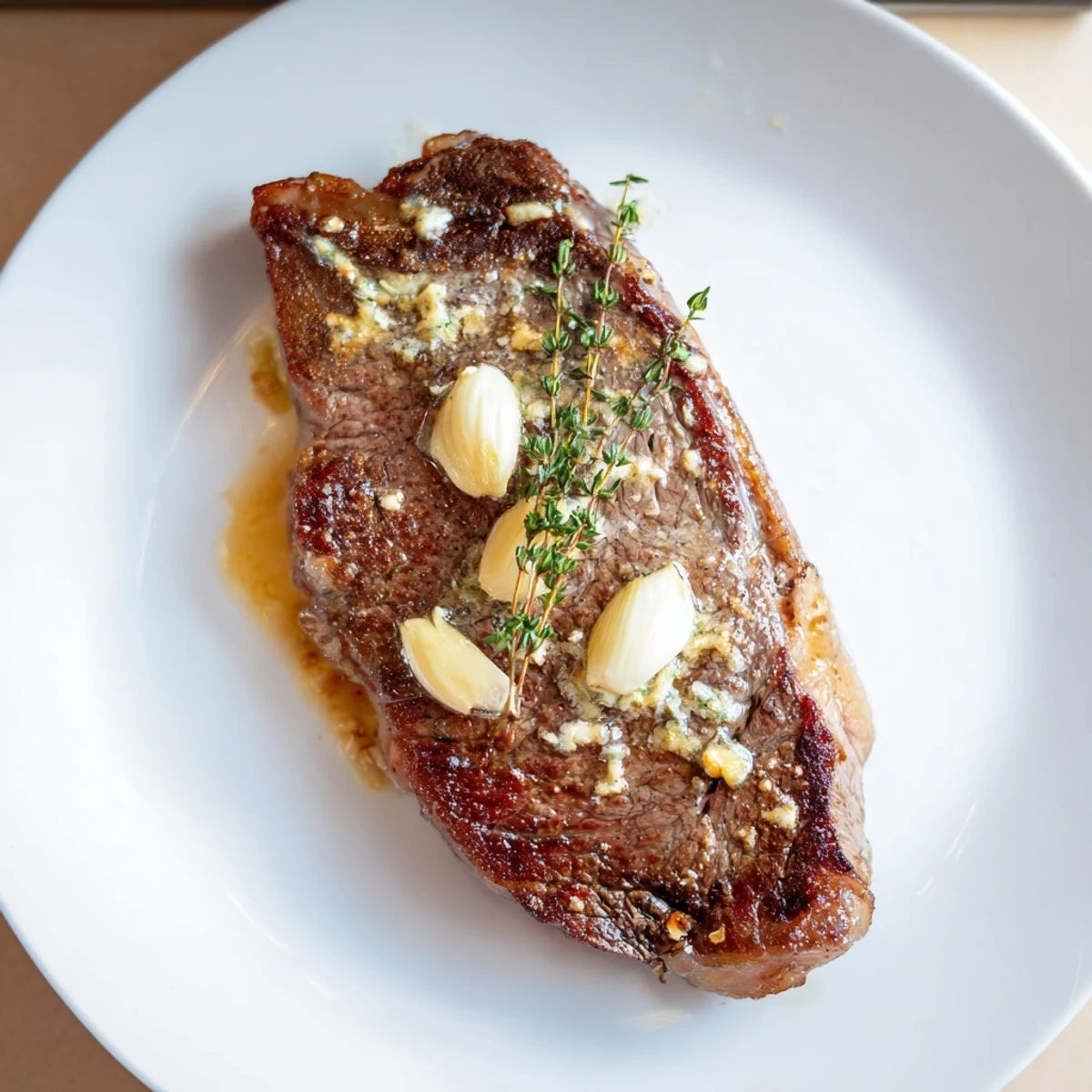
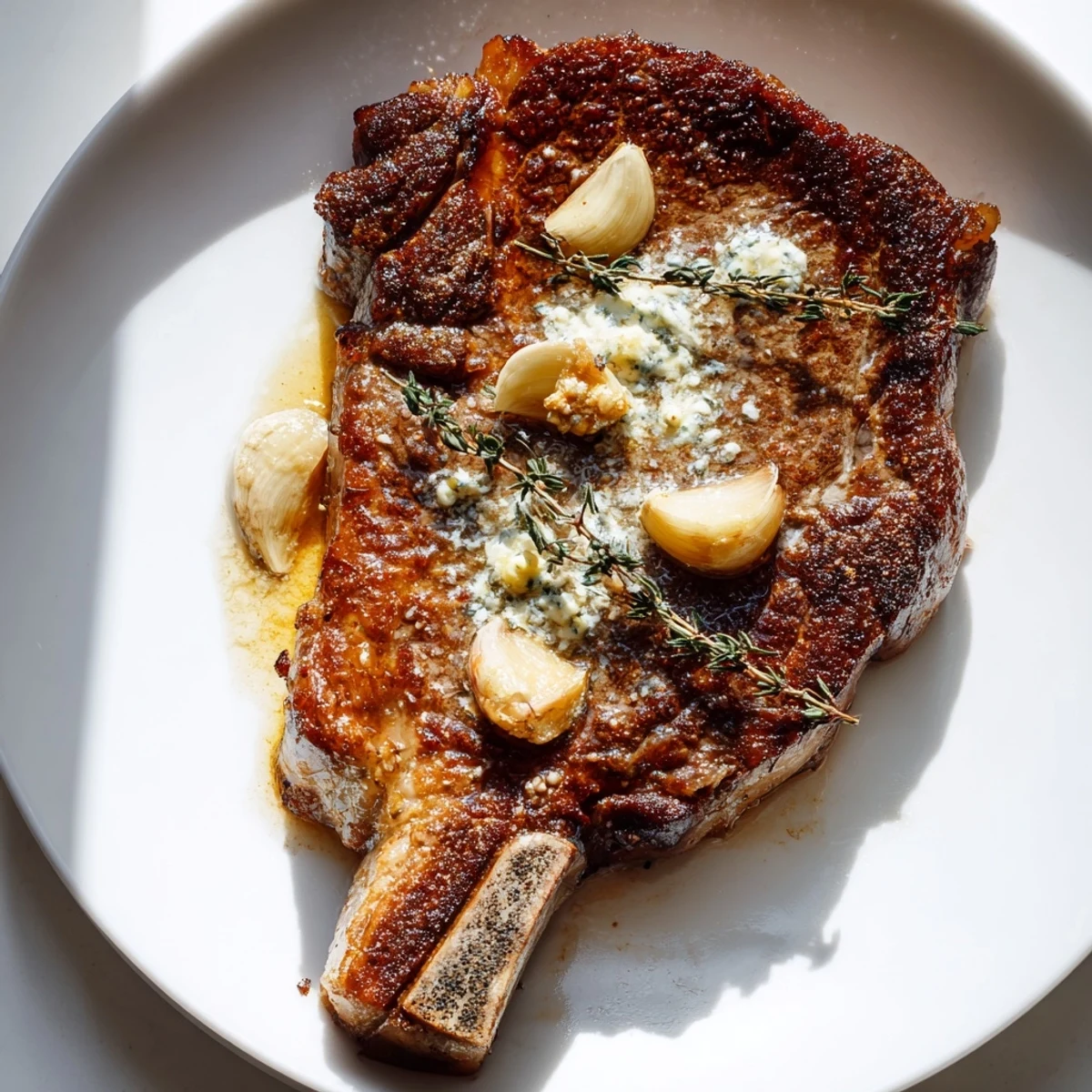
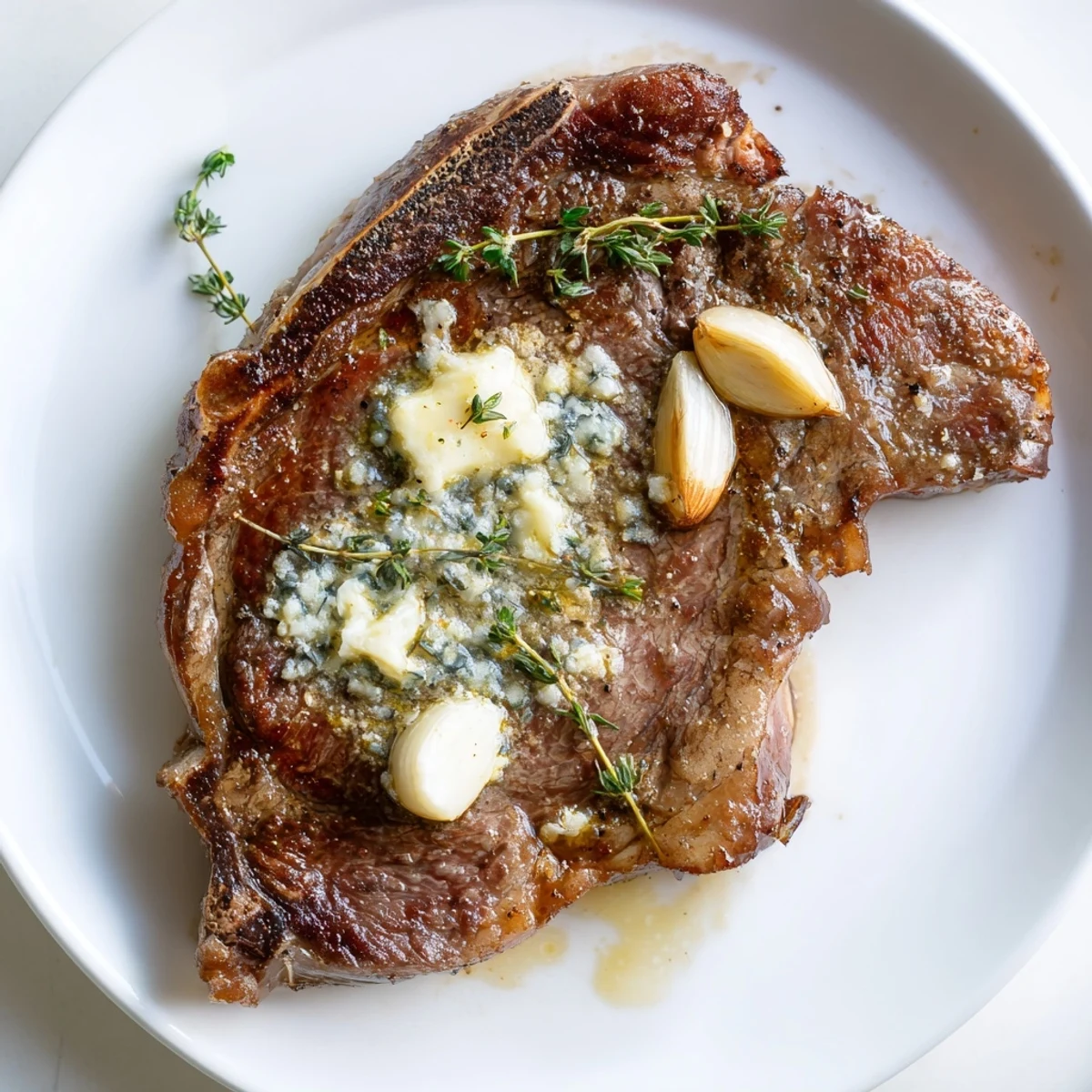
 This dish features steaks seared in a hot skillet to develop a rich, caramelized crust. Garlic, butter, and fresh herbs are added during cooking to infuse deep flavors. Resting the steak before serving ensures a juicy, tender interior. Suitable for quick, flavorful meals with easy preparation.
The sizzle when the steak hits the pan is still one of my favorite sounds in the kitchen. I used to overthink steak, worrying about timing and temperature, until a friend showed me how simple it could be with just heat, salt, and patience. Now its become my go-to for nights when I want something satisfying without the fuss. Theres something grounding about the smell of butter and garlic mingling with a perfectly browned crust.
I made this for my partner on a random Tuesday after a long day, and the way the kitchen smelled stopped them mid-step in the hallway. We ended up eating at the counter with a bottle of red wine, no sides, just steak and conversation. Its funny how a simple meal can turn into a memory you revisit.
Ingredients
- Boneless ribeye or strip steaks: Look for marbling and at least an inch of thickness, thinner cuts dry out too quickly and you lose that juicy center.
- Kosher salt: The coarse grains cling to the surface and pull out moisture for a better crust, I learned this after years of using fine table salt.
- Freshly ground black pepper: Crack it yourself if you can, the flavor is sharper and more aromatic than pre-ground.
- Vegetable oil: Use something neutral with a high smoke point like canola or grapeseed, olive oil will burn and turn bitter at these temperatures.
- Unsalted butter: This is where the magic happens, it foams and browns and carries the garlic and herbs into every bite.
- Garlic cloves, smashed: Smashing them releases more flavor than slicing, and they infuse the butter without burning as easily.
- Fresh thyme or rosemary: Optional but worth it, the herbs perfume the butter and cling to the steak as you baste.
Instructions
- Bring to room temperature:
- Let the steaks sit out for 20 to 30 minutes and pat them completely dry with paper towels. Cold, wet meat wont sear properly and youll end up steaming instead of browning.
- Season generously:
- Coat both sides with salt and pepper, more than you think you need. The crust is where all the flavor lives, so dont be shy.
- Heat the pan until smoking:
- Get your cast iron screaming hot over high heat, then add the oil and swirl it around. The pan should shimmer and almost smoke, thats when you know its ready.
- Sear without moving:
- Lay the steaks down away from you to avoid splatter and resist the urge to touch them for 2 to 3 minutes. Let the crust form on its own, flipping too early ruins it.
- Flip and add butter:
- Turn the steaks once, then drop in the butter, garlic, and herbs. Tilt the pan and use a spoon to baste the steaks continuously with the foaming butter.
- Check for doneness:
- Cook another 2 to 3 minutes for medium-rare, or use a thermometer to hit 130 to 135 degrees Fahrenheit. The steak will continue cooking as it rests, so pull it just before your target temperature.
- Rest before slicing:
- Move the steaks to a plate and let them sit for 5 minutes. This step is non-negotiable, cutting too soon and all the juices run out onto the board.
 Save to Pinterest
 The first time I nailed the crust, I stood there with my spatula feeling like Id unlocked something. My dad used to make steak on special occasions, and I remember thinking it was some kind of culinary wizardry. Now I realize it was just confidence, heat, and knowing when to leave things alone.
Choosing Your Steak
Ribeye has more fat and flavor, strip is leaner and still tender. I go for ribeye when I want something indulgent and strip when I want a cleaner bite. Either way, thickness matters more than the cut, anything under an inch cooks too fast and you lose control over the doneness.
Getting the Perfect Crust
The secret is a dry surface, high heat, and patience. I used to move the steak around out of nervousness, but that just prevents browning. Let it sit, let the Maillard reaction do its thing, and trust the process. The crust will release naturally when its ready to flip.
Serving and Pairing
I usually keep it simple with roasted potatoes or a crisp salad, but honestly the steak is the star. A bold red wine like Cabernet Sauvignon or Malbec cuts through the richness beautifully. Sometimes I make extra garlic herb butter and let it melt over the sliced steak at the table.
- If you want to go dairy-free, skip the butter and finish with a drizzle of good olive oil and flaky salt.
- Leftovers make an incredible steak sandwich the next day with arugula and horseradish.
- For a fancier touch, top with a pat of compound butter mixed with parsley, chives, and lemon zest.
 Save to Pinterest
 Theres a quiet pride in cooking a steak well, its one of those skills that feels both humble and impressive. I hope this becomes a recipe you return to when you want something honest and delicious.
Recipe Questions & Answers
- → What cut of steak works best for pan searing?
-
Boneless ribeye or strip steaks about 1 inch thick are ideal for achieving a juicy center with a caramelized crust.
- → How do I get a crispy, browned crust on the steak?
-
Use a heavy skillet heated over high heat with high smoke point oil. Sear the steak undisturbed for a few minutes until a deep brown crust forms.
- → Why add garlic and herbs during cooking?
-
Butter combined with smashed garlic and fresh herbs like thyme or rosemary enhances the steak with rich, aromatic flavors.
- → How can I check the steak's doneness?
-
A meat thermometer inserted into the thickest part should read 130–135°F (54–57°C) for medium-rare.
- → Why is it important to rest the steak after cooking?
-
Resting allows juices to redistribute, resulting in a more tender and flavorful eating experience.
