
 Save to Pinterest
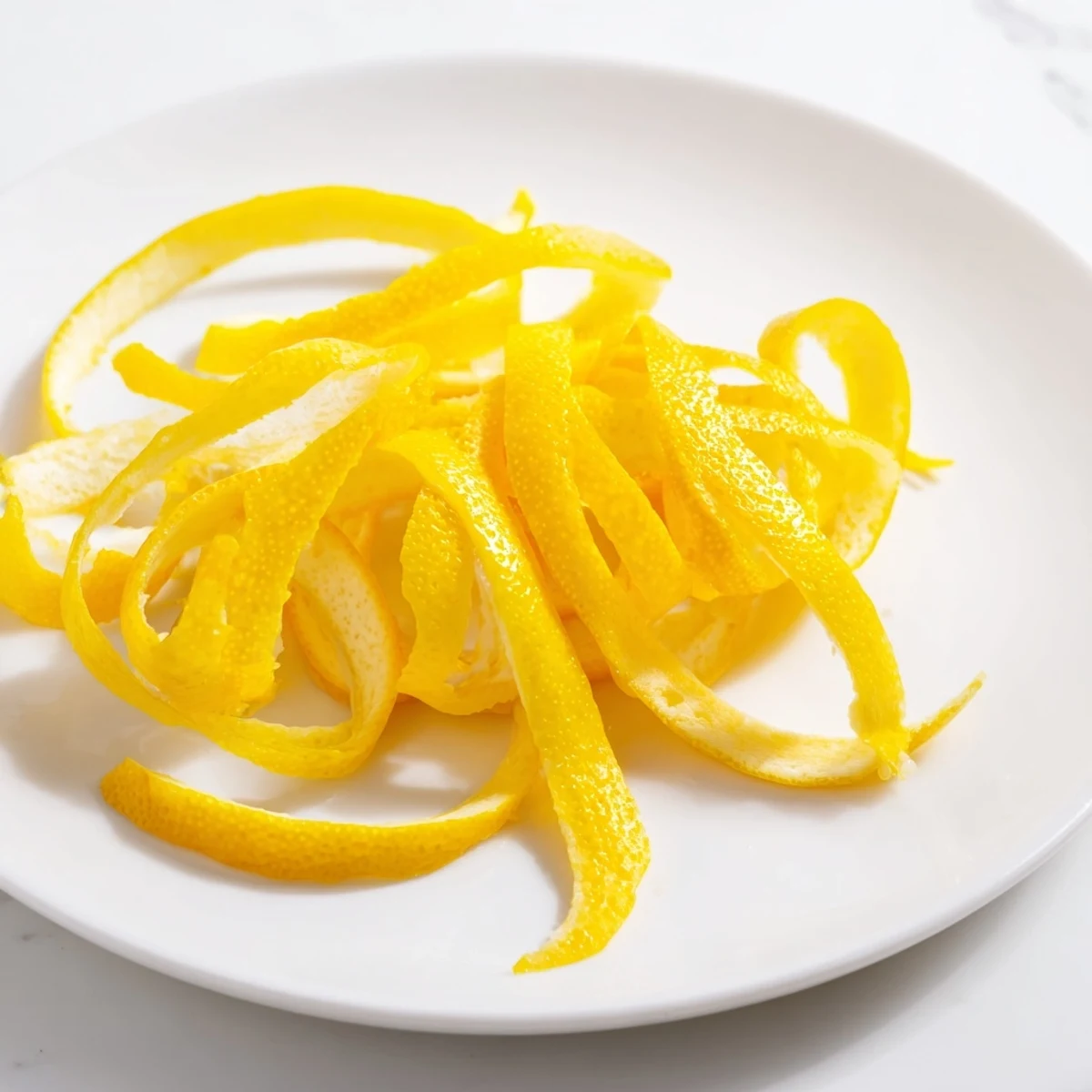
 Peeling a lemon to obtain fresh zest or strips is a quick and easy culinary technique that enhances flavor without bitterness. Using a vegetable peeler or paring knife, carefully remove the bright outer skin while avoiding the white pith beneath. For fine zest, a microplane grater works best. The peel can be used immediately or stored refrigerated, adding vibrant citrus notes to a variety of dishes and drinks.
There's a moment in every cook's kitchen journey when you realize that the brightest, most vibrant flavors often hide just beneath the surface. I discovered this while making a simple lemon cake one quiet afternoon—I'd always thrown away the peel without thinking twice, until my grandmother casually mentioned that the yellow part held more flavor than the juice itself. That single observation changed everything about how I cook, and now I can't imagine a dessert, cocktail, or sauce without reaching for a microplane and a fresh lemon.
I remember bringing a lemon posset to a dinner party and watching someone close their eyes after the first spoonful—they swore it tasted like sunshine, and all I'd done was dust the top with fresh zest. That's when I truly understood that peeling a lemon isn't just a prep step; it's the moment you decide whether your food will be ordinary or extraordinary.
Ingredients
- Fresh lemon, washed and dried: This is your entire canvas—choose one with unblemished, smooth skin and a weight that suggests juiciness, because the best zest comes from lemons bursting with oils.
Instructions
- Prepare your lemon:
- Hold the lemon firmly on a cutting board with one hand, feeling its weight and texture. Make sure it's completely dry, because moisture makes peeling unpredictable and messy.
- Peel with purpose:
- Using a vegetable peeler or sharp paring knife, angle your blade at a shallow slope and draw it gently down the lemon's curve. You're aiming for just the yellow layer—that thin, precious skin where all the fragrant oils live—and stopping before you hit the bitter white pith underneath.
- Harvest the finest zest:
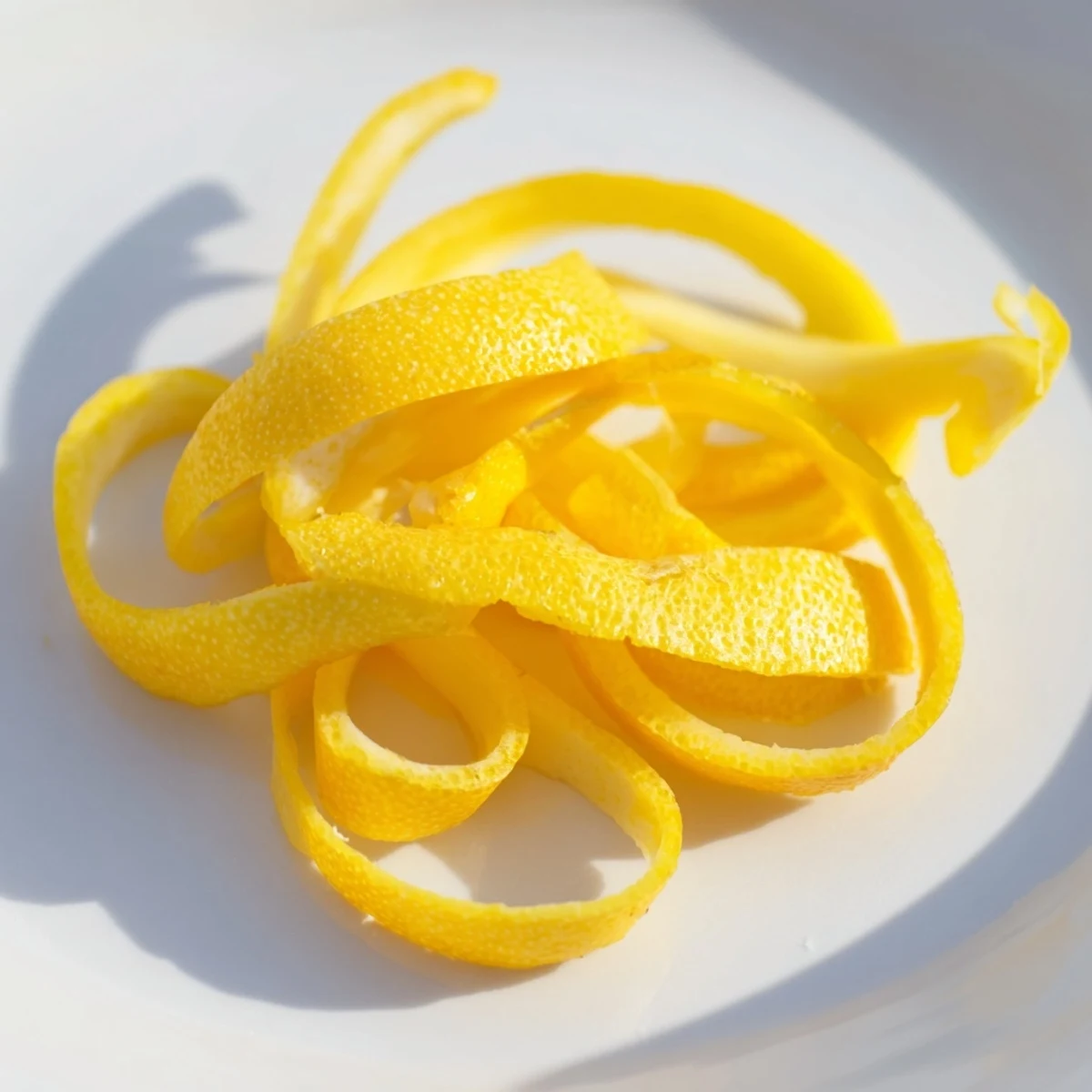
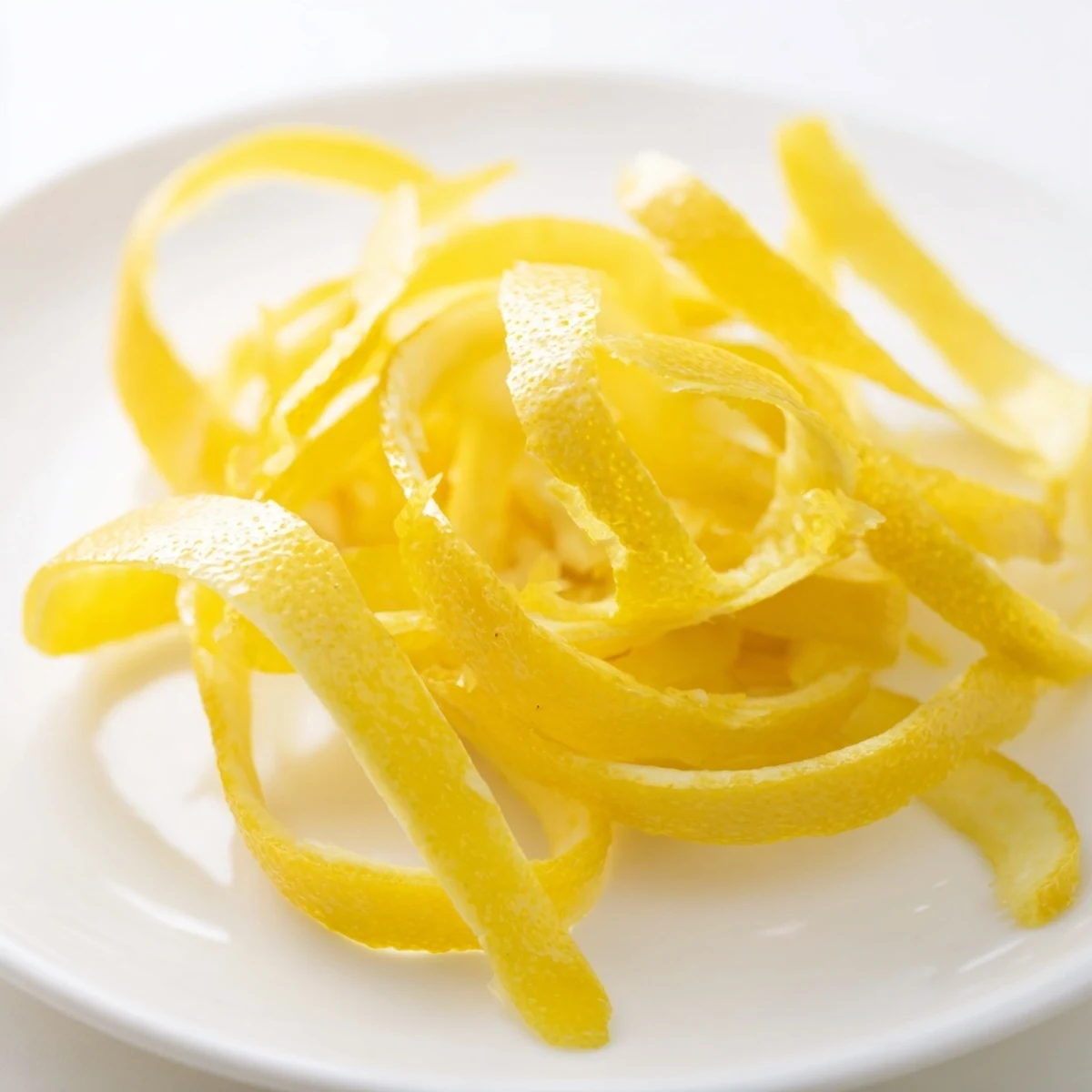
- If you want powdery zest for baking or finishing a dish, run a microplane over the yellow peel in light, quick strokes. For decorative strips or cocktail garnishes, use your peeler to create thin ribbons, then slice them even finer if you like.
- Use or store immediately:
- The most intense flavor blooms within minutes of peeling, so use it right away whenever possible. If you need to save it, transfer to an airtight container and refrigerate for up to three days.
 Save to Pinterest
 I learned the hard way that the difference between dainty, aromatic zest and a bitter disappointment is literally millimeters. Now I slow down at this step, almost meditative about it, because something this small deserves that respect.
When Zest Makes Magic
A whisper of lemon zest can save a flat dessert or wake up a dish that tasted like it was missing something. I've scattered it over brownies, swirled it into cream cheese frosting, and dusted the rim of a cocktail glass—each time, people pause mid-bite and ask what makes it so bright. That moment, when someone tastes the difference, is worth the two minutes of careful peeling.
The Tools That Matter
A good vegetable peeler is worth its weight, but if you only have a paring knife, that works too—the technique matters more than the tool. A microplane, though, is something special; it creates zest so fine it dissolves into batters and sauces like citrus dust. I've stood in kitchen supply stores just admiring good tools, and I always come back to my microplane because it's earned its place through sheer results.
Keeping Zest Fresh and Fragrant
There's something about preserved lemon zest that feels like bottled possibility—each tiny pinch a reminder that you planned ahead and cared enough to save it. An airtight glass container keeps it vibrant in the refrigerator, though I've learned that three days is the sweet spot before it starts to lose that bright, sharp character that makes it worth the effort.
- Fresh zest added at the very end of cooking tastes brighter than anything stirred into heat.
- For baking, mix zest into dry ingredients first so the oils distribute evenly throughout the batter.
- Dried zest is a pale shadow of fresh, so save this technique for moments when fresh really shines.
 Save to Pinterest
 This tiny technique is a gateway to flavor that tastes effortless but speaks volumes about caring in the kitchen. Once you've tasted what fresh zest can do, there's no going back.
Recipe Questions & Answers
- → What is the best tool to peel a lemon?
-
A vegetable peeler works well for strips, while a microplane grater is ideal for fine zest.
- → How do I avoid the bitter pith when peeling lemon?
-
Carefully peel only the thin outer yellow skin, avoiding the thicker white layer underneath to prevent bitterness.
- → Can lemon peel be stored for later use?
-
Yes, store peeled lemon zest or strips in an airtight container in the refrigerator for up to three days.
- → What dishes benefit from fresh lemon peel?
-
Lemon zest brightens desserts, salads, marinades, and cocktails with a fresh citrus aroma and flavor.
- → Is lemon peel suitable for special diets?
-
Lemon peel is naturally vegan, gluten-free, and low in carbohydrates, fitting many dietary preferences.
