
 Save to Pinterest
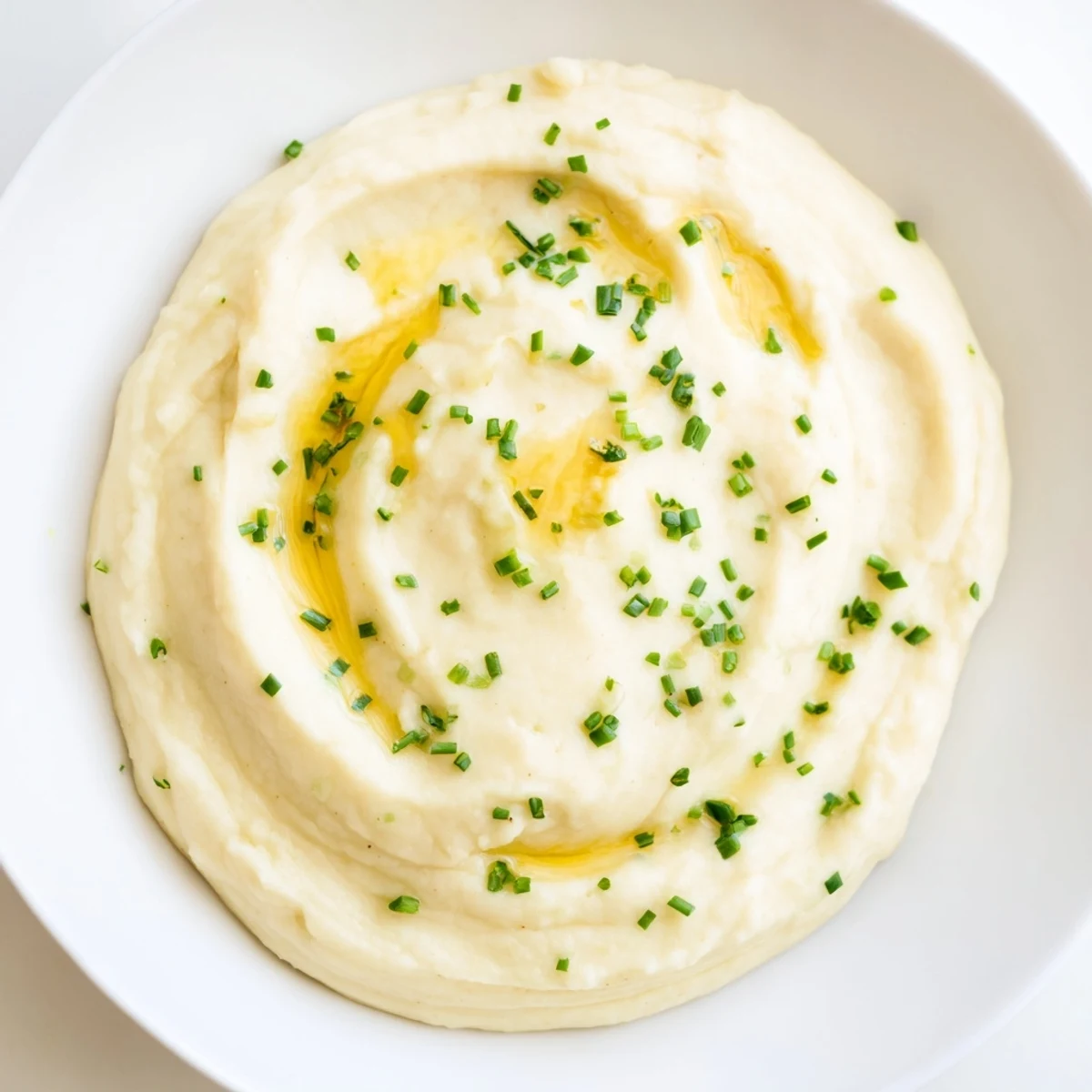
 This dish features tender cauliflower florets mashed to a creamy texture, combined with roasted garlic to add a deep, mellow flavor. Lightly seasoned with butter, milk, salt, and pepper, it serves as a smooth, low-carb alternative to traditional sides. Roasting the garlic enhances its sweetness, making the mash rich and aromatic. Garnished with fresh chives, it pairs excellently with roasted meats or vegetarian entrees. Enjoy a simple yet flavorful side made in under an hour.
I'll never forget the first time I served roasted garlic mashed cauliflower at a dinner party. I was nervous, honestly—would my guests miss the potatoes? But the moment they tasted it, their faces lit up with surprise. The cauliflower had transformed into something luxuriously creamy, and the roasted garlic brought this deep, sweet warmth that made everyone ask for seconds. That night, I realized this wasn't just a lighter side dish; it was something genuinely craveable that happened to be better for us.
My mother-in-law brought this to Thanksgiving one year, and I watched my skeptical father-in-law go back for thirds. He's not one for vegetables, but something about the way the roasted garlic mellowed into the creamy cauliflower won him over completely. Now it's become our family's quiet rebellion against the heavy sides—we still make it every holiday, and nobody even mentions the missing potatoes anymore.
Ingredients
- 1 large head cauliflower, cut into florets (about 1.2 kg / 2.5 lbs): Choose a head that feels dense and heavy for its size—this means fresher, more flavorful florets. Cut them into similar-sized pieces so they cook evenly
- 1 whole garlic bulb: Look for a bulb with tight, papery skin and no soft spots. When roasted whole and unpeeled, the cloves become sweet and nutty, completely transforming the dish
- 60 ml (1/4 cup) whole milk or dairy-free alternative: This is what creates the creaminess. If using dairy-free, unsweetened oat or cashew milk works beautifully
- 30 g (2 tbsp) unsalted butter or vegan butter: Unsalted lets you control the salt level perfectly. Real butter gives the richest flavor, but vegan versions work surprisingly well
- 1 tbsp olive oil: Use a good quality oil for roasting the garlic—it becomes part of the flavor profile
- 1/2 tsp salt plus more to taste: Start conservative; you can always add more, but you can't take it out
- 1/4 tsp freshly ground black pepper: Fresh ground makes a noticeable difference in brightness
- 2 tbsp chopped fresh chives (optional, for garnish): These add a fresh onion note and visual beauty, though fresh parsley works too
Instructions
- Set your oven and prepare the garlic:
- Preheat your oven to 200°C (400°F). While it's warming, take that whole garlic bulb and slice off the very top, just enough to expose the cloves. Don't peel it—the papery skin holds everything together and keeps the cloves moist. Place it on a small piece of aluminum foil, drizzle generously with that olive oil, then wrap it up like a little present. This is going into the oven for 30-35 minutes until the cloves are completely soft and golden brown when you peek inside
- Get the cauliflower cooking:
- While the garlic roasts, bring a large pot of salted water to a rolling boil—the water should taste like the sea. Add your cauliflower florets and let them cook for 10-12 minutes. You want them tender enough that a fork goes through easily, almost falling apart. This matters more than you might think; undercooked cauliflower will feel grainy in your final dish
- Drain and rest:
- Once the cauliflower is perfectly tender, drain it well in a colander. Here's a small trick I learned: let it sit in that colander for a few minutes. This allows excess moisture to evaporate, which keeps your mash from becoming watery. Patience here pays off in texture
- Release the roasted garlic:
- By now, your garlic should be golden and soft. Let it cool just enough to handle, then squeeze each clove out of its skin. The clove will slide right out like butter. You should have about 10-12 beautiful, caramelized cloves
- Blend everything together:
- In a food processor or with a good potato masher, combine your drained cauliflower, roasted garlic cloves, butter, milk, salt, and pepper. If using a food processor, pulse until you reach the texture you want—some people like it completely smooth, others prefer tiny florets visible. With a masher, work until it's creamy and mostly lump-free. Taste as you go and adjust the seasoning. The roasted garlic should be the star, adding sweetness and depth
- Serve with warmth:
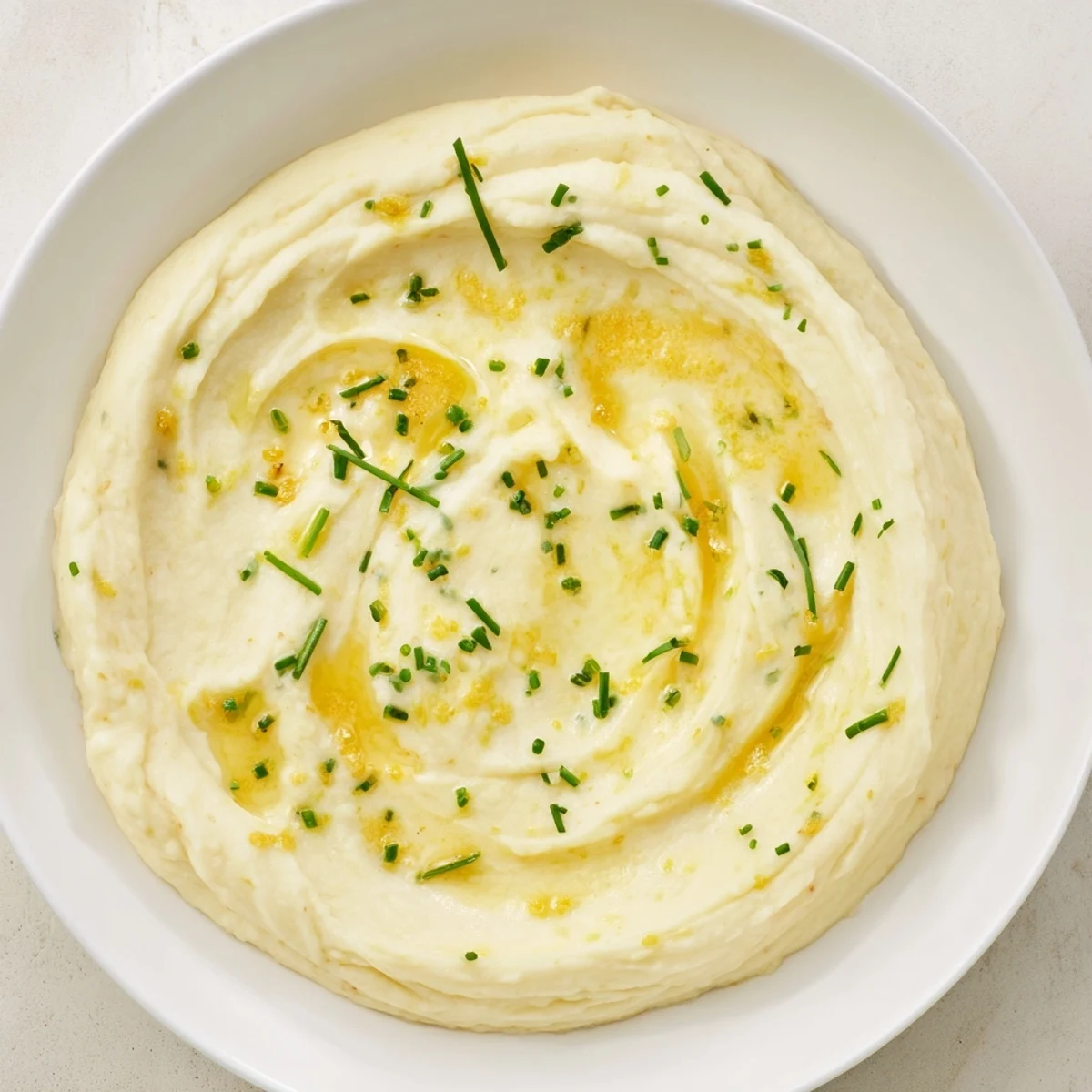
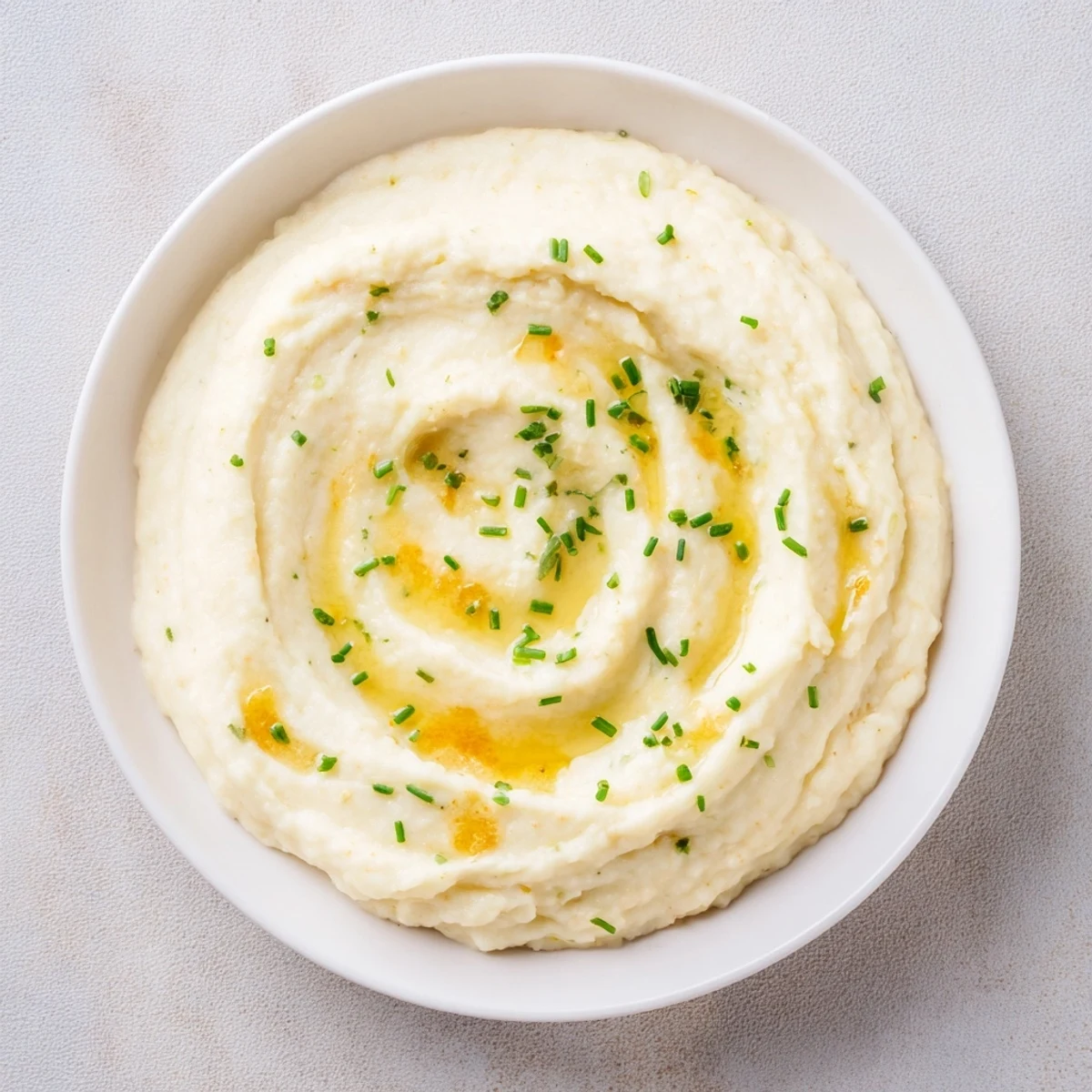
- Transfer to a serving bowl while it's still hot. Garnish with those fresh chives if you have them, which add a bright color and fresh onion note. Serve alongside roasted chicken, steak, or fish—this side makes everything taste better
 Save to Pinterest
 There's something almost magical about how roasted garlic transforms. My daughter, who claims to hate vegetables, once asked for thirds of this at dinner. When I told her it was all cauliflower, she looked genuinely betrayed—in the best way. Now she makes it with me, and we call it our secret recipe.
Storage and Reheating
This dish keeps beautifully in the refrigerator for up to four days in an airtight container. To reheat, warm it gently in a saucepan over medium heat, adding a splash of milk to restore creaminess. You can also reheat in the microwave, stirring every 30 seconds to ensure even warming. Some people even freeze it successfully for up to three months—thaw overnight in the fridge and reheat as usual.
Flavor Variations Worth Trying
The beauty of this base recipe is how adaptable it is. I've added everything from a whisper of nutmeg (my personal favorite) to sharp Parmesan cheese, which adds a sophisticated depth. A friend swears by adding a teaspoon of Dijon mustard for complexity. Another variation involves roasting extra garlic and blending it into a smooth spread for grain bowls. The roasted garlic base is forgiving and welcoming to experimentation.
Pairing Ideas and Serving Suggestions
I originally made this as a side for roasted chicken, and it's remained my favorite pairing. But over the years, I've discovered it works beautifully with almost any protein—it's equally at home beside a grilled steak, roasted salmon, or a vegetarian lentil loaf. For holiday dinners, I often make a double batch because it disappears faster than expected. It also makes an elegant vegetable course on its own, served in small portions with a crack of good black pepper.
- Serve alongside herb-roasted chicken or beef for a complete, balanced meal
- Offer as a vegetable course at dinner parties—guests are always surprised and delighted
- Pair with roasted root vegetables for a cozy, nourishing fall dinner
 Save to Pinterest
 This recipe has become my answer to the question, How do we eat healthier without sacrificing comfort and flavor? It's proof that the simplest dishes, made with care and good ingredients, often become the most beloved.
Recipe Questions & Answers
- → How do I roast garlic for this dish?
-
Slice the top off a whole garlic bulb to expose the cloves, drizzle with olive oil, wrap in foil, and roast at 200°C (400°F) for 30-35 minutes until soft and golden.
- → Can I make this mash dairy-free?
-
Yes, substitute whole milk with plant-based milk and use vegan butter instead of regular butter for a dairy-free version.
- → What is the best way to achieve a creamy texture?
-
Using a food processor yields the smoothest mash, but a potato masher works well too. Adding cream cheese or sour cream can enhance creaminess.
- → How do I prevent watery mashed cauliflower?
-
Drain cauliflower thoroughly after boiling and let it sit briefly to evaporate excess moisture before mashing.
- → What seasonings complement this dish?
-
Salt, freshly ground black pepper, and chopped fresh chives work well. Consider adding nutmeg or Parmesan for extra flavor.
