
 Save to Pinterest
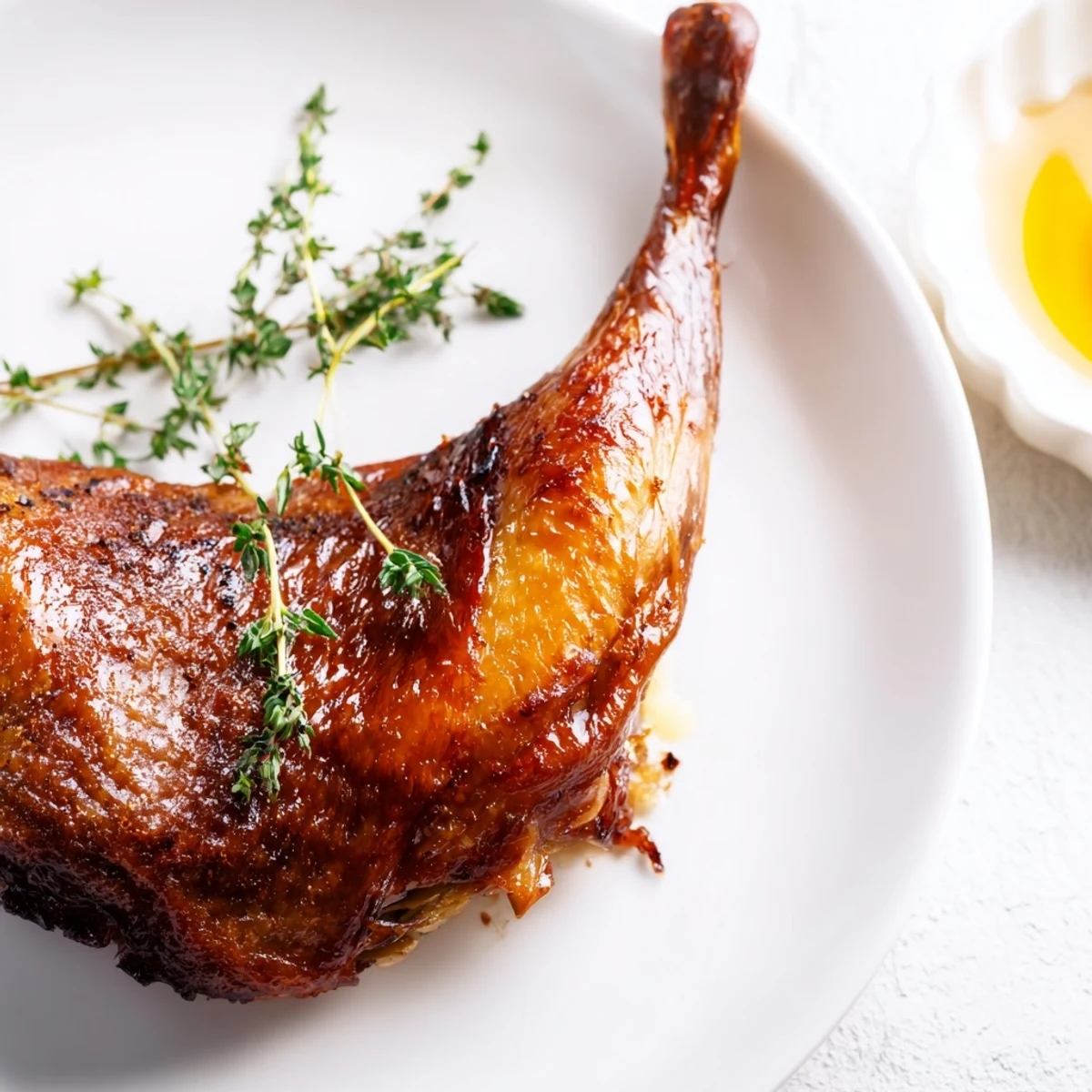
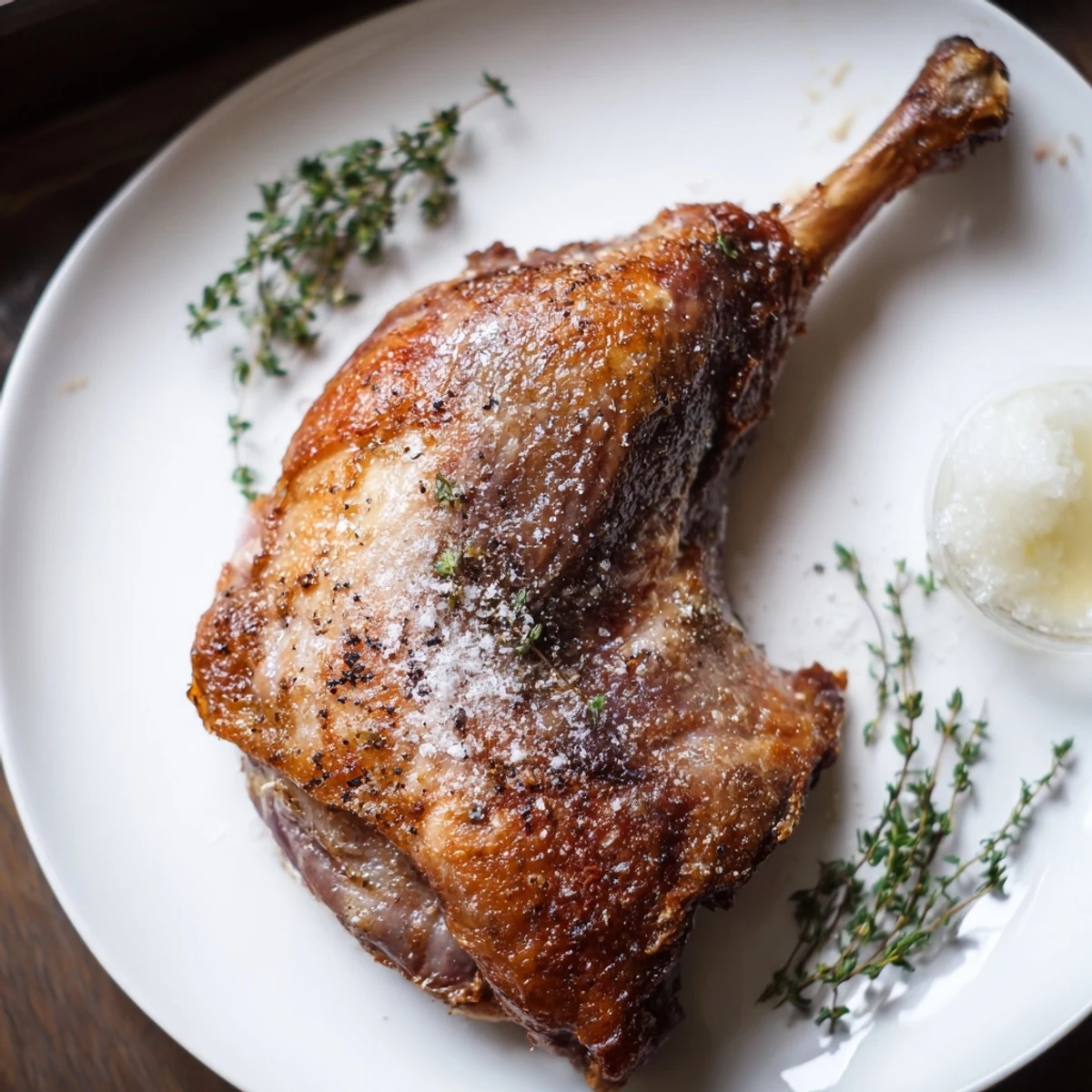
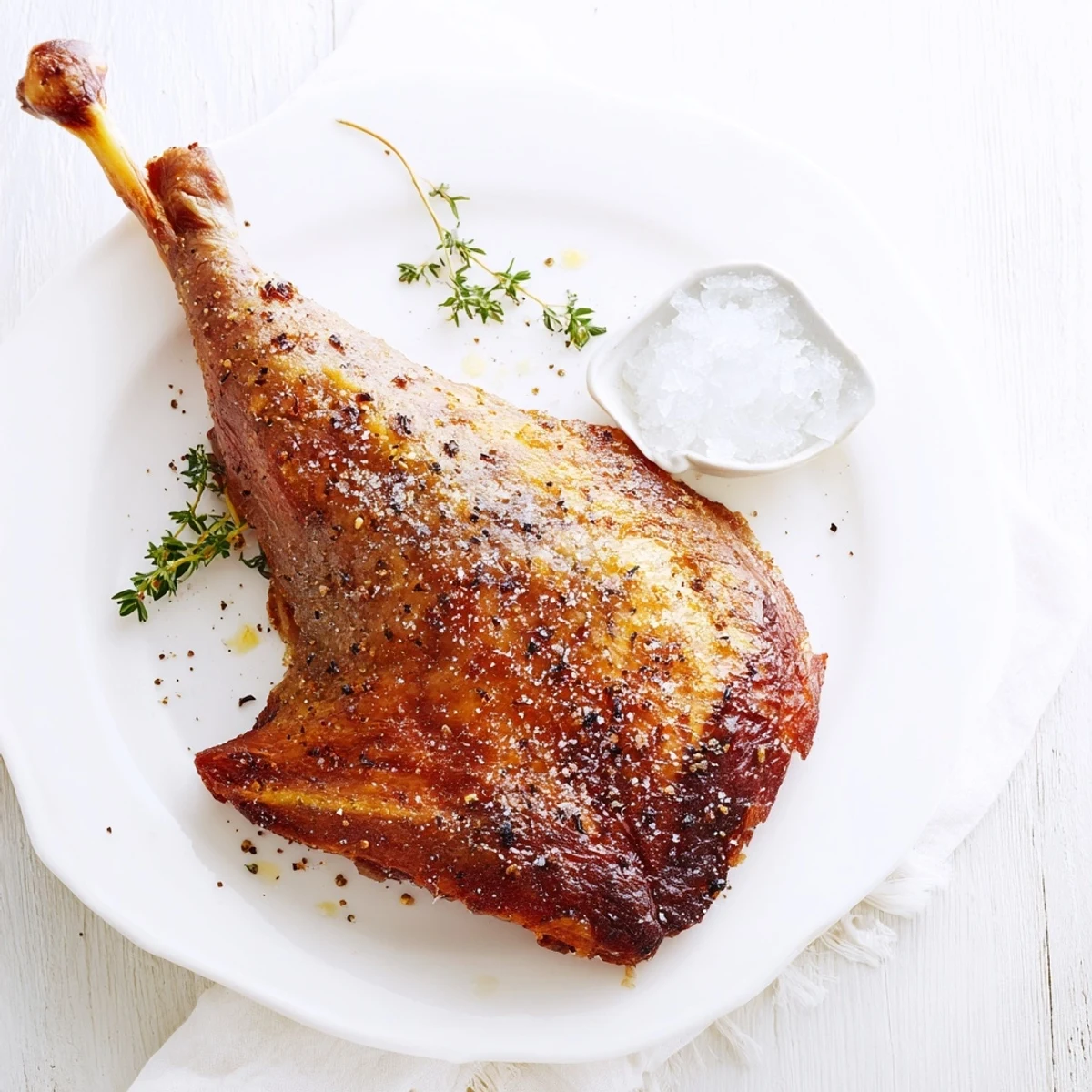
 This traditional dish highlights a whole goose slow-roasted to perfection, allowing fat to render and skin to crisp beautifully. Aromatics like apples, onions, and fresh herbs fill the cavity, infusing the meat with gentle, layered flavors. Roasted vegetables beneath catch the drippings, enhancing their taste while the fat can be saved for other dishes. A careful roasting process ensures tender, juicy meat with a golden, crispy finish, ideal for special occasions and hearty family dinners.
The first time I roasted a whole goose, I stood in front of the butcher counter feeling completely intimidated—this wasn't chicken, and the weight of it in my arms felt like I'd committed to something serious. My grandmother had always made it for Christmas, and I remembered the smell filling her kitchen hours before we ate, this rich, almost meaty aroma that seemed to settle into every corner. When I finally brought one home and started pricking the skin, watching those tiny holes release golden fat into the pan, I realized this dish wasn't intimidating—it was generous, almost forgiving, and impossibly rewarding.
I made this for my partner's family dinner, and I'll never forget the moment when I pulled it from the oven and everyone went quiet—just watching that golden bird made them understand why we were making such a fuss. The smell had been building for hours, and when I carried it to the table with my hands shaking slightly (was it really this big?), my mother-in-law actually teared up and said it looked exactly like her childhood meal. That's when I understood that roasting a goose isn't just cooking—it's holding onto something, passing something forward.
Ingredients
- 1 whole goose (4–5 kg), cleaned and patted dry: The size matters here—anything smaller feels too delicate, anything larger takes forever. Ask your butcher to clean it thoroughly and remove any pinfeathers, which saves you the irritating work of plucking stray ones mid-prep.
- Kosher salt and freshly ground black pepper: Don't skip the grinding step; pre-ground pepper tastes tired against something this rich, and kosher salt lets you feel the seasoning as you work.
- 2 apples, 2 onions, 1 orange, all quartered: These aren't sides—they're flavor architects that perfume the cavity and keep the meat moist from the inside. The fruit adds subtle sweetness that balances the goose's richness.
- 6 sprigs fresh thyme, 4 sprigs marjoram, 2 sprigs rosemary: Fresh herbs are non-negotiable here; dried ones turn bitter when they roast that long. Tie them loosely together so you can fish them out later if you want.
- Carrots, celery, and leek for the roasting pan: These create your braising liquid base and catch all the precious drippings that become your pan sauce.
- 500 ml water: This prevents the bottom from burning and kickstarts the fat-rendering process that you'll use for basting.
Instructions
- Preheat and prep your workspace:
- Heat your oven to 180°C (350°F) and make sure your roasting pan is ready with a sturdy rack inside. Getting everything ready before you touch the goose means you're not standing around holding raw poultry while searching for equipment.
- Remove and reserve the fat:
- Reach into the cavity and pull out any loose fat deposits—there's usually a good handful back there. Prick the skin all over with a skewer, going just deep enough to breach the skin without hitting the meat, which lets the fat render out during cooking instead of steaming under a sealed layer.
- Season generously inside and out:
- Salt and pepper both the cavity and the exterior, being generous because goose can handle bold seasoning. Don't be timid here—you're seasoning both surfaces that will contribute flavor.
- Stuff the cavity:
- Pack in the apple quarters, onion chunks, orange pieces, and herb sprigs, nestling them so they won't fall out. Tie the legs together with kitchen twine to keep everything snug and help the bird cook more evenly.
- Build your roasting base:
- Scatter the chopped carrots, celery, and leek across the bottom of the pan, then set the rack on top and place the goose breast-side up. Pour the water into the pan around the vegetables—not over the goose, which would wash away all that seasoning.
- Begin the roast:
- Slide it into the oven and set a timer for the first basting in 30 minutes. The bird will start releasing fat almost immediately, and you'll smell that transformation begin.
- Baste every 30 minutes with confidence:
- Use a baster or large spoon to scoop up the golden fat pooling in the pan and pour it over the goose's breast and legs, which keeps everything moist and helps the skin color evenly. As you baste, you'll pour off some of the rendered fat into a heatproof bowl—this is the treasure you save for roasting potatoes later, so don't be shy about it.
- Finish with a crispy blast:
- In the final 15–20 minutes, crank the oven up to 220°C (425°F) to give the skin a final burnish and crispness. The skin should turn deep golden brown, almost mahogany in spots.
- Check for doneness:
- Use a meat thermometer in the thickest part of the thigh—you're looking for 75°C (165°F) inside. The juices should run clear when you pierce the thickest part, with no hint of pink.
- Rest before carving:
- Tent the bird loosely with foil and let it rest for 20 minutes—this lets the juices redistribute so every bite stays juicy instead of running all over the plate the moment you cut.
 Save to Pinterest
 My kitchen was filled with that kind of steam and aroma that makes you feel like you're doing something important, something that connects you to years of people who made this same dish. When I carved that goose at the table, the meat came away so easily from the bone it was almost surprising—I'd somehow succeeded at something that had felt impossible a few hours earlier.
Why This Dish Matters
Goose isn't trendy or convenient, which is exactly why it matters; it's the kind of meal you make when you want to slow down and commit to doing something the old way. There's no rushing it, no shortcuts that actually work, and that forced slowness becomes a kind of meditation. The whole process—the pricking, the basting, the watching—reminds you that cooking can be an act of presence, not just a chore to check off.
Building Your Support System
Have your rendered fat container ready before you start, and make sure you have room in the fridge to store it afterward; three months of cooking with that fat ahead of you is a gift you're giving your future self. A good meat thermometer is worth its weight because goose is expensive enough that you can't afford a guessing game about doneness. Keep your carving knife sharp and your kitchen towels clean, because the actual carving is the final act of this whole performance.
Serving and Transformation
This dish exists in a category by itself—it demands company, conversation, and time at the table that most weeknight meals don't warrant. Serve it with red cabbage cooked sweet and sour, dumplings to soak up the juices, or potatoes roasted in that reserved goose fat (which is, honestly, the only way to roast potatoes). The leftovers transform into sandwiches and hash that taste like you've somehow captured the entire meal in smaller form.
- If you're doubtful about the whole thing, remember that goose has been dinner for hundreds of years—you're not inventing the wheel here, just joining a very long line of people who understood something about good food.
- The rendered fat stays good in the fridge for months, so don't feel pressure to use it all at once; it's permission to keep cooking well for a while.
- Pears work just as well as apples in the cavity if you want a slightly different flavor, or you can get creative with your aromatics as long as you keep the balance of fruit and fresh herbs.
 Save to Pinterest
 Once you've made this, you'll understand why people speak about their roasted goose with such reverence; it's not just dinner, it's a small act of defiance against the convenience of modern cooking. Make it when you want to remember why you love to cook.
