
 Save to Pinterest
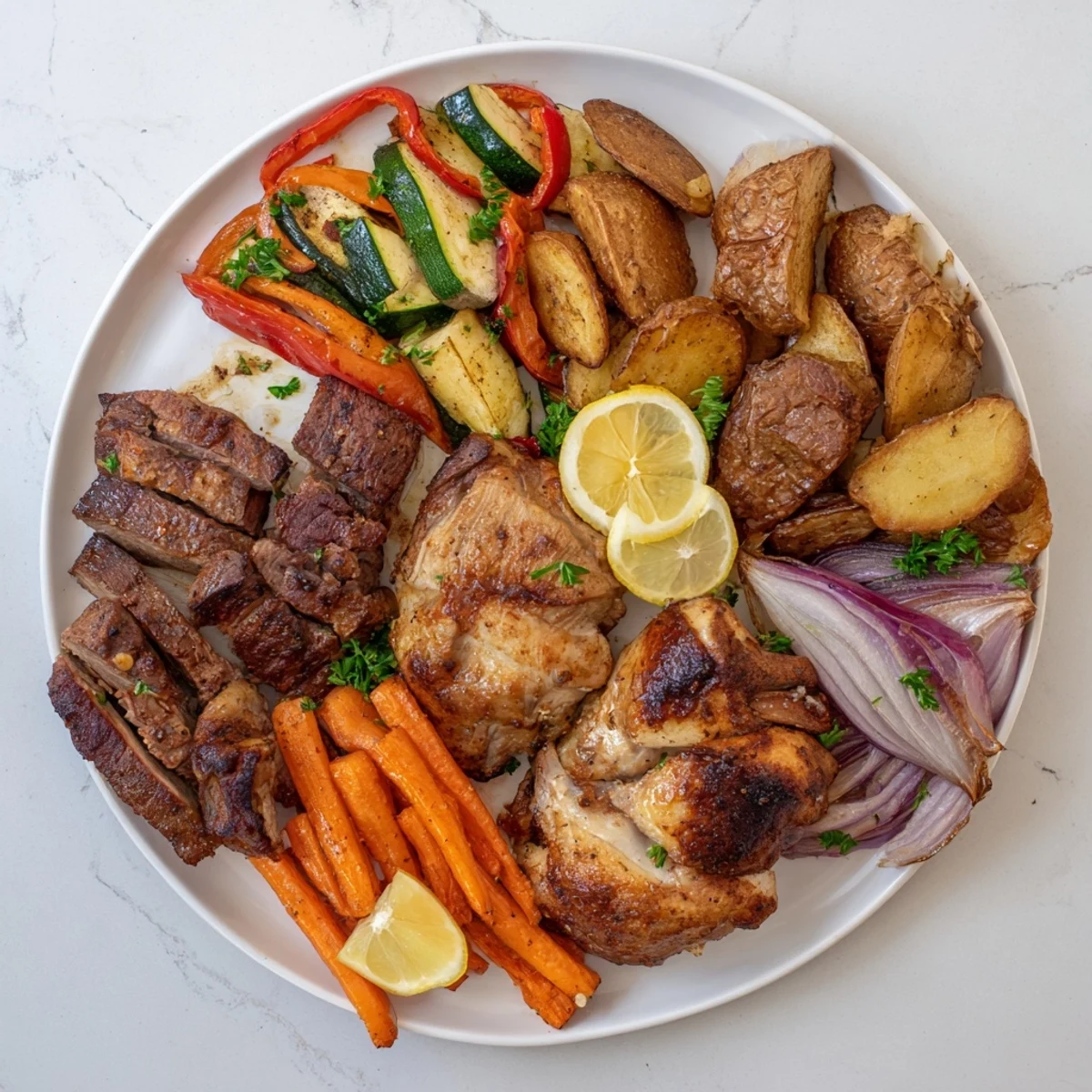
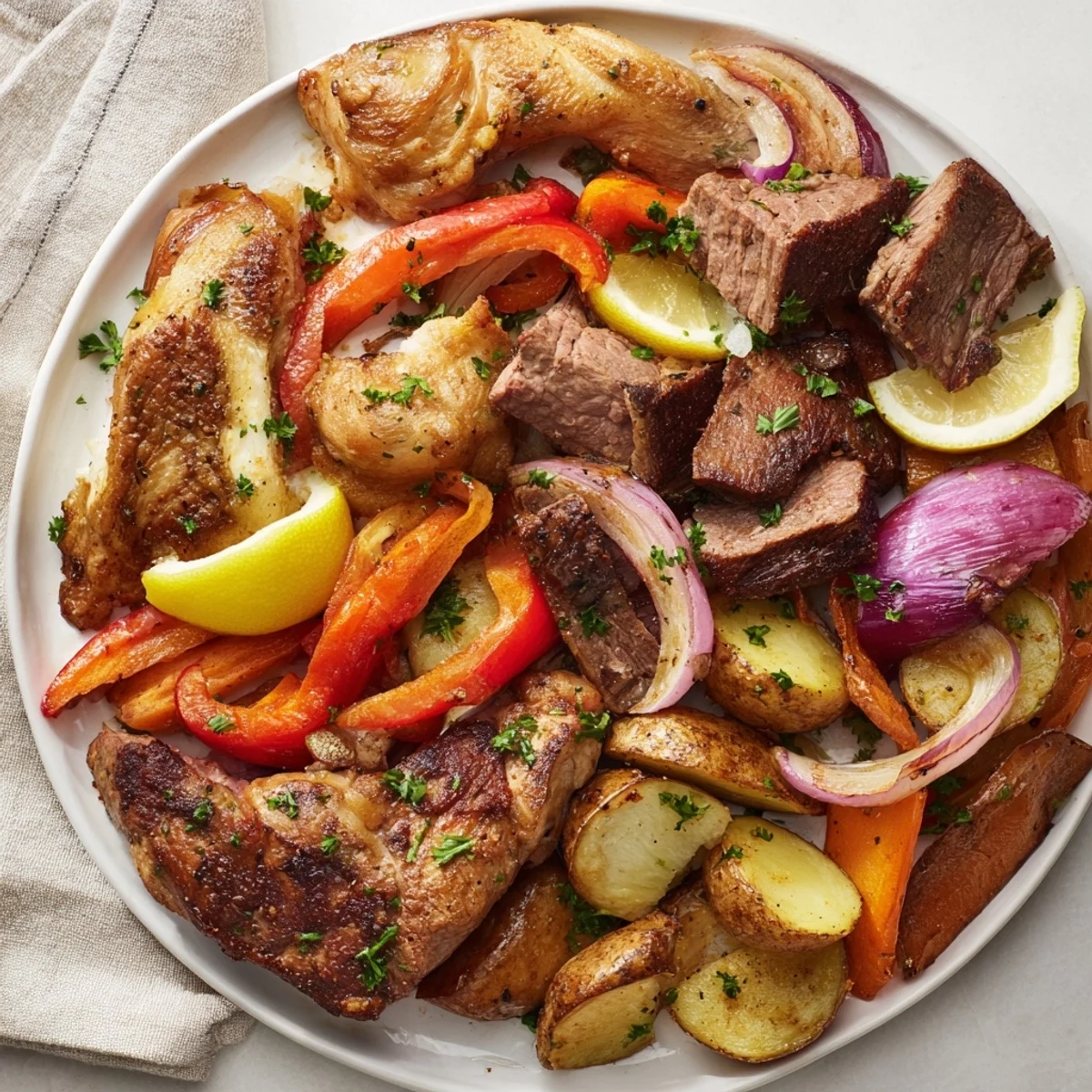
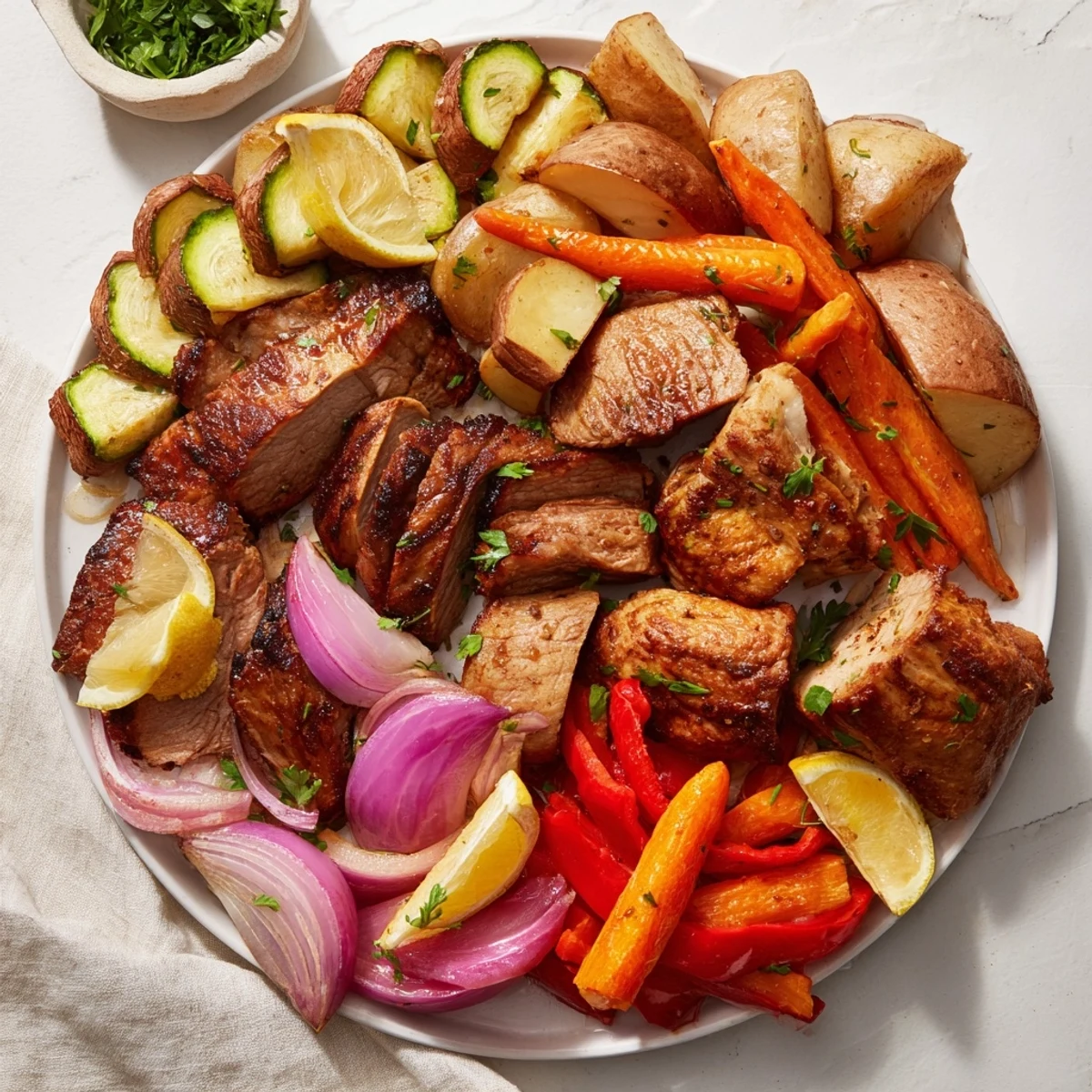
 This hearty tray combines tender beef sirloin, boneless chicken thighs, and pork shoulder, surrounded by a medley of potatoes, carrots, onions, bell pepper, and zucchini. Seasoned with olive oil, garlic, smoked paprika, rosemary, thyme, and fresh parsley, the dish is roasted until meats are juicy and vegetables are perfectly caramelized. Perfectly balanced flavors make this tray a crowd-pleaser at shared meals or festive gatherings. Simply prepare, roast, baste, and enjoy a satisfying variety of rich, aromatic components coming together harmoniously.
I still remember the Sunday when my grandmother first taught me how to roast a proper meat tray. The kitchen was warm, filled with the kind of aroma that makes everyone stop what they're doing and ask, "What's cooking?" She'd line up three different meats on one big tray, insisting that each one needed its own space but also its own moment to mingle with the others. That lesson stayed with me through countless family dinners, and now whenever I make this dish, I'm transported back to that kitchen, learning that the best meals aren't just about technique—they're about bringing people together.
I learned the real magic of this recipe when my husband's entire extended family showed up for a holiday dinner, and I panicked. Instead of fussing with separate pans, I threw everything on one tray, and somehow it turned into the most effortless meal I'd ever served. People kept coming back for more, not because it was fancy, but because it tasted like genuine care on a plate.
Ingredients
- Beef sirloin, 500 g cut into thick strips: The sirloin gives you a rich, beefy foundation without being overly fancy. Thick strips keep the meat from drying out—thin pieces will turn tough by the time the vegetables finish roasting.
- Boneless chicken thighs with skin on, 500 g: Dark meat stays juicy where chicken breasts would turn rubbery. The skin renders fat that flavors everything around it, so don't you dare remove it.
- Pork shoulder, 400 g cut into chunks: This cut becomes tender and almost silky as it roasts low and slow. It's forgiving, which means if your timing isn't perfect, it still turns out beautifully.
- Medium potatoes, 4 cut into wedges: Wedges work better than chunks because more surface area means more crispy, golden edges. Leave the skin on for texture and nutrition.
- Large carrots, 3 peeled and sliced: Slice them thick enough that they don't disappear into softness, but thin enough to caramelize at the edges. About a quarter-inch is your sweet spot.
- Red onions, 2 quartered: Red onions add sweetness and a subtle color that makes the tray look alive. They'll soften completely and become almost jammy by the end.
- Red bell pepper, 1 deseeded and sliced: This adds brightness and tenderness. Red peppers are sweeter than green, and they cook at just the right pace for this roast.
- Zucchini, 1 sliced: Zucchini is delicate and finishes cooking in the last thirty minutes, so it stays with some body instead of turning to mush.
- Olive oil, 4 tbsp: Good olive oil makes a real difference here—it carries all those herb flavors and creates pan juices worth basting with.
- Garlic, 4 cloves minced: Minced garlic distributes throughout the vegetables and caramelizes into sweet, soft pockets of flavor.
- Smoked paprika, 2 tsp: This is where the depth comes from. Smoked paprika hints at something savory and a little mysterious without overpowering anything.
- Dried rosemary, 2 tsp: Rosemary is bold—use it knowing its strength. Fresh would wilt away, but dried holds its character through the long roast.
- Dried thyme, 1 tsp: Thyme is your supporting player, softly woody and herb-forward without demanding attention.
- Ground black pepper, 1 tsp: Fresh black pepper, never pre-ground if you can help it. The difference is subtle but real.
- Coarse sea salt, 1½ tsp: Coarse salt lets you actually taste the saltiness—it doesn't disappear into the mix the way fine salt does.
- Fresh parsley, chopped (optional garnish): Parsley added right at the end brings brightness and cuts through the richness, reminding you that there's still life and green in this warm, golden tray.
- Lemon wedges (optional garnish): A squeeze of lemon at the table is the final touch that people always ask for.
Instructions
- Heat Your Oven First:
- Get it to 200°C (400°F) while you prep everything else. A properly preheated oven means your meats will start cooking immediately, creating those beautiful golden edges. Don't skip this—cold ovens mean soggy interiors.
- Arrange the Meats:
- Spread the beef strips, chicken thighs, and pork chunks across a large roasting tray in one layer, trying to give them room to breathe. They don't need to be perfect—just spread out enough that the heat can reach them from all sides.
- Season and Coat the Vegetables:
- In a mixing bowl, tumble all your vegetables with the olive oil, minced garlic, smoked paprika, rosemary, thyme, pepper, and salt. Use your hands to get everything coated—you want every piece of potato, carrot, and onion touched by those herbs. It feels good to do this part by hand, almost meditative.
- Build Your Tray Landscape:
- Scatter the seasoned vegetables around and even tucked between the meats. The vegetables will nestle against the meat, catching drippings and flavors, while also protecting some of the meat from direct heat. This is where the magic starts—everything cooking in conversation with everything else.
- First Roast—The Foundation:
- Slide the tray into your preheated oven for 45 minutes. You'll smell it after about 20 minutes. Resist the urge to open the door constantly—every time you do, heat escapes and cooking slows. At the 45-minute mark, the meats will be partially cooked and the vegetables starting to soften and color.
- Baste and Turn:
- Pull the tray out carefully. You'll see golden pan juices—this is liquid gold. Using tongs, turn the meat pieces and vegetables gently, basting everything with those pan juices. This is when you taste a tiny piece to check seasoning and adjust if needed. The basting keeps everything moist and distributes flavors.
- Final Roast—The Finishing Touch:
- Return the tray to the oven for another 30 minutes. This is when everything comes together—meats finish cooking through, vegetables turn golden and tender with caramelized edges, and the whole tray becomes deeply aromatic and inviting.
- Rest and Garnish:
- Let everything rest for 5 minutes out of the oven. This matters more than it sounds—the meat fibers relax and hold their juices better. Then scatter fresh parsley across the top for color and freshness, and position lemon wedges around the tray. Serve it family-style right from the tray if you can—it looks abundant and welcoming.
 Save to Pinterest
 I'll never forget when my daughter came home from college and said this meal tasted like "home sounds." I didn't understand until I realized she meant the sizzle from the oven, the bubbling of the pan juices, the sound of lids and pans—all the kitchen sounds that meant love was being prepared. That's when I knew this recipe had become about more than food.
The Art of Roasting Together
Roasting is about understanding that different ingredients cook at different speeds, but putting them on the same tray is an act of faith and timing. The meat needs longer than the zucchini, the potatoes need their full time to crisp up, and the garlic and herbs need that entire roast to mellow and deepen. It's like orchestrating a meal where everyone arrives at the table ready at exactly the right moment. The beauty is that this all happens without you standing over it, just one tray moving through your oven.
Variations That Still Feel Like Home
The wonderful thing about this recipe is that it's forgiving and adaptable. Sometimes I use parsnips instead of carrots—they get even sweeter as they roast. Other times, brussels sprouts replace zucchini for earthiness. Sweet potatoes instead of regular potatoes make it feel almost festive. Even the meats can shift—I've used lamb chunks, additional chicken, or extra pork when I knew certain people were coming. The structure stays the same, the feelings stay the same, but the dish becomes personal to whoever you're feeding that night.
Serving and Stretching This Dish
Six servings is just a guideline. I've stretched this tray to feed eight people by adding extra vegetables, and I've made a smaller version for four. The ratio that matters is roughly equal weights of meat to vegetables, with the herbs and oil distributed throughout. Serve it on crusty bread to soak up the pan juices, or alongside a simple green salad to cut through the richness. Leftover roasted tray becomes amazing cold the next day, sliced thin between bread, or chopped and tossed into grain bowls.
- Crusty bread is not optional if you want to capture every drop of those pan juices.
- A simple vinaigrette salad on the side reminds you there's brightness in the world.
- Leftovers are often better than the first meal because the flavors continue to marry overnight.
 Save to Pinterest
 This roasted meat tray is less a recipe and more an invitation to gather people you love around warm, honest food. Every time I make it, someone asks for the recipe, and I always smile knowing they want to recreate not just the flavors, but the moment.
Recipe Questions & Answers
- → What is the best way to ensure meats stay juicy in this tray?
-
Marinating the meats with olive oil, garlic, and herbs before roasting helps retain moisture and adds depth of flavor. Also, basting halfway through roasting keeps them succulent.
- → Can I substitute the vegetables in this dish?
-
Yes, you may swap potatoes and carrots with parsnips, sweet potatoes, or Brussels sprouts for varied tastes and textures.
- → How do I know when the meats are fully cooked?
-
Roast until the internal temperature reaches safe levels: beef and pork should be around 63°C (145°F) and chicken at least 75°C (165°F). The vegetables should be tender and golden.
- → What sides pair well with this meal?
-
Crusty bread or a fresh green salad complement the rich roasted flavors and add balance to the meal.
- → Is this dish suitable for gluten-free diets?
-
Yes, all ingredients used are naturally gluten-free, making this an excellent option for gluten-sensitive individuals.
