
 Save to Pinterest
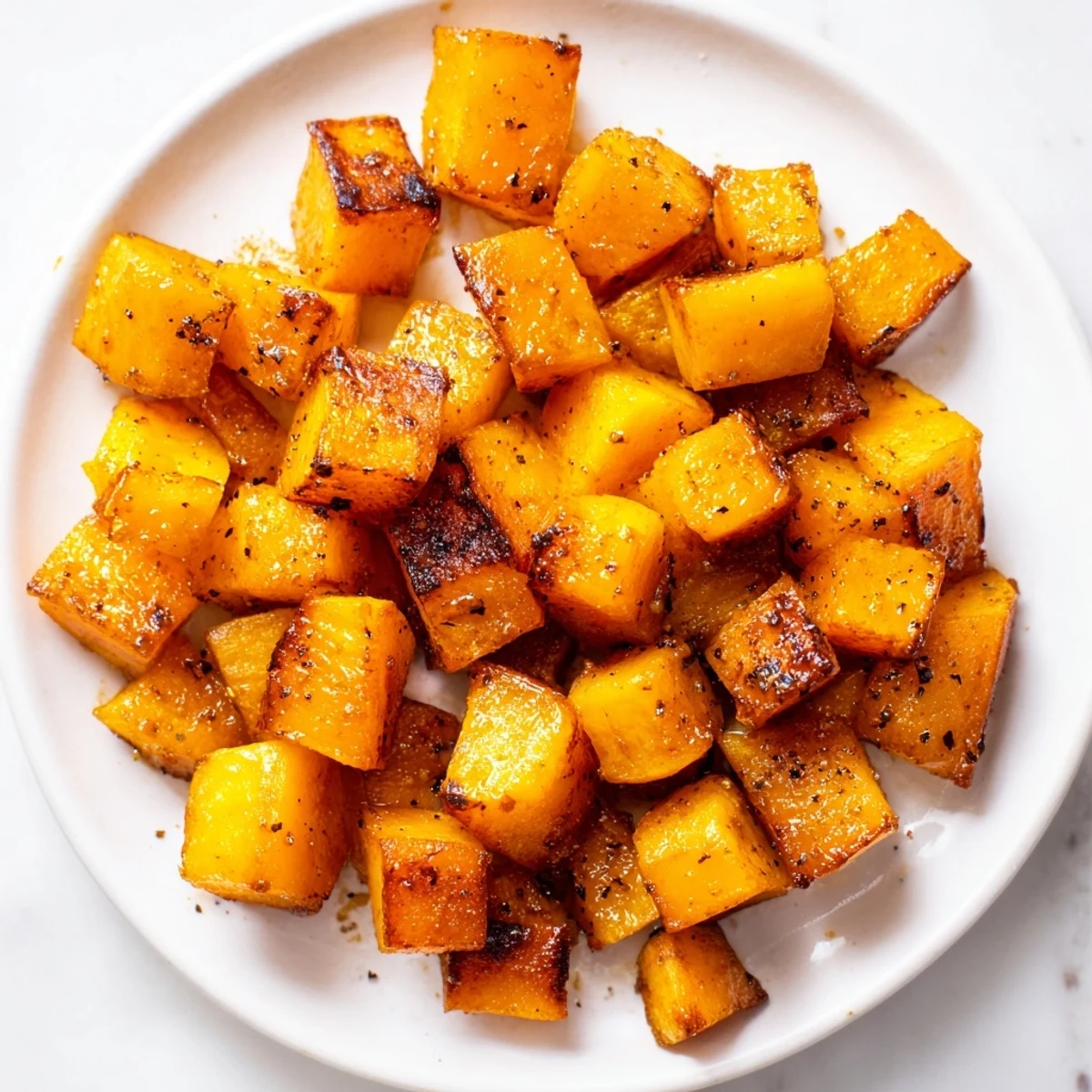
 Roasting cubed butternut squash with a glaze of olive oil, brown sugar, cinnamon, nutmeg, and seasoning creates a sweet and warmly spiced side dish. This method caramelizes the squash, enhancing its natural sweetness and tender texture. Finished in 35 minutes, it pairs beautifully with poultry or vegetarian meals and can be customized with cayenne or maple syrup for extra flavor.
There's something almost meditative about roasting squash in autumn, watching those caramelized edges deepening in the oven while your kitchen fills with cinnamon-spiced warmth. I discovered this recipe by accident one October evening when I had half a butternut squash languishing in my pantry and a craving for something comforting that didn't require much fussing. The brown sugar glaze came together from whatever spices I had within arm's reach, and somehow that improvisational moment became one of my most-requested side dishes. Now whenever someone asks what to bring to a fall dinner, this is my answer.
I remember bringing this to a Thanksgiving potluck a few years back, nervous because it was such a simple side next to everyone's more elaborate dishes. My friend Sarah grabbed a piece before anything else was even plated, and when she closed her eyes while chewing, I knew I'd found something real. Since then, people specifically request it, and I've made it for weeknight dinners, holiday tables, and even tucked leftovers into lunch boxes the next day.
Ingredients
- Butternut squash: A medium one gives you that perfect balance of enough pieces to caramelize beautifully without the chopping becoming a whole arm workout; cutting them into even one-inch cubes ensures everything cooks at the same pace.
- Olive oil: Just enough to help the glaze coat every surface and encourage those golden, caramelized edges in the oven.
- Light brown sugar: Packed down gently in the measuring spoon is the key—this creates pockets of concentrated sweetness that melt into the squash.
- Ground cinnamon and nutmeg: These are the soul of the dish; they're warm without being heavy, almost like a gentle hug from the spice rack.
- Kosher salt and black pepper: Don't skip these—the salt brings out the squash's natural sweetness while the pepper adds a whisper of brightness that keeps it from feeling one-note.
Instructions
- Get your oven ready and line that sheet:
- Set your oven to 400°F and line a large baking sheet with parchment paper so cleanup becomes almost an afterthought.
- Prep your squash:
- Cut your peeled and seeded squash into one-inch cubes, trying to keep them roughly the same size so they roast evenly. This is where I usually put on a podcast and settle into the rhythm of the knife work.
- Make your glaze:
- In a small bowl, whisk together the olive oil, brown sugar, cinnamon, nutmeg, salt, and pepper until it looks like a slightly chunky paste. The sugar won't fully dissolve, and that's exactly right—those little granules caramelize beautifully in the oven.
- Coat everything:
- Dump your squash into a large mixing bowl and pour the glaze over it, then toss with your hands or a wooden spoon until every piece gets its share of that spiced brown sugar mixture.
- Spread it out:
- Arrange the squash in a single layer on your prepared baking sheet, trying not to crowd things—a little breathing room helps them caramelize instead of steam.
- Roast with intention:
- Slide into the oven for 30 to 35 minutes, turning the pieces once halfway through with a spatula or wooden spoon. You'll know it's done when the squash is fork-tender and those edges have turned a burnished golden-brown.
- Serve it warm:
- Pull it from the oven and serve while it's still steaming, maybe with a scattered handful of fresh herbs if you're feeling fancy.
 Save to Pinterest
 There was this one moment during a quiet Sunday dinner when my partner took a bite and just said, 'This tastes like fall,' and I realized that food doesn't have to be complicated to feel meaningful. That's when I understood this recipe wasn't just about roasted vegetables—it was about creating something that made people slow down at the table.
Why Butternut Squash Wins
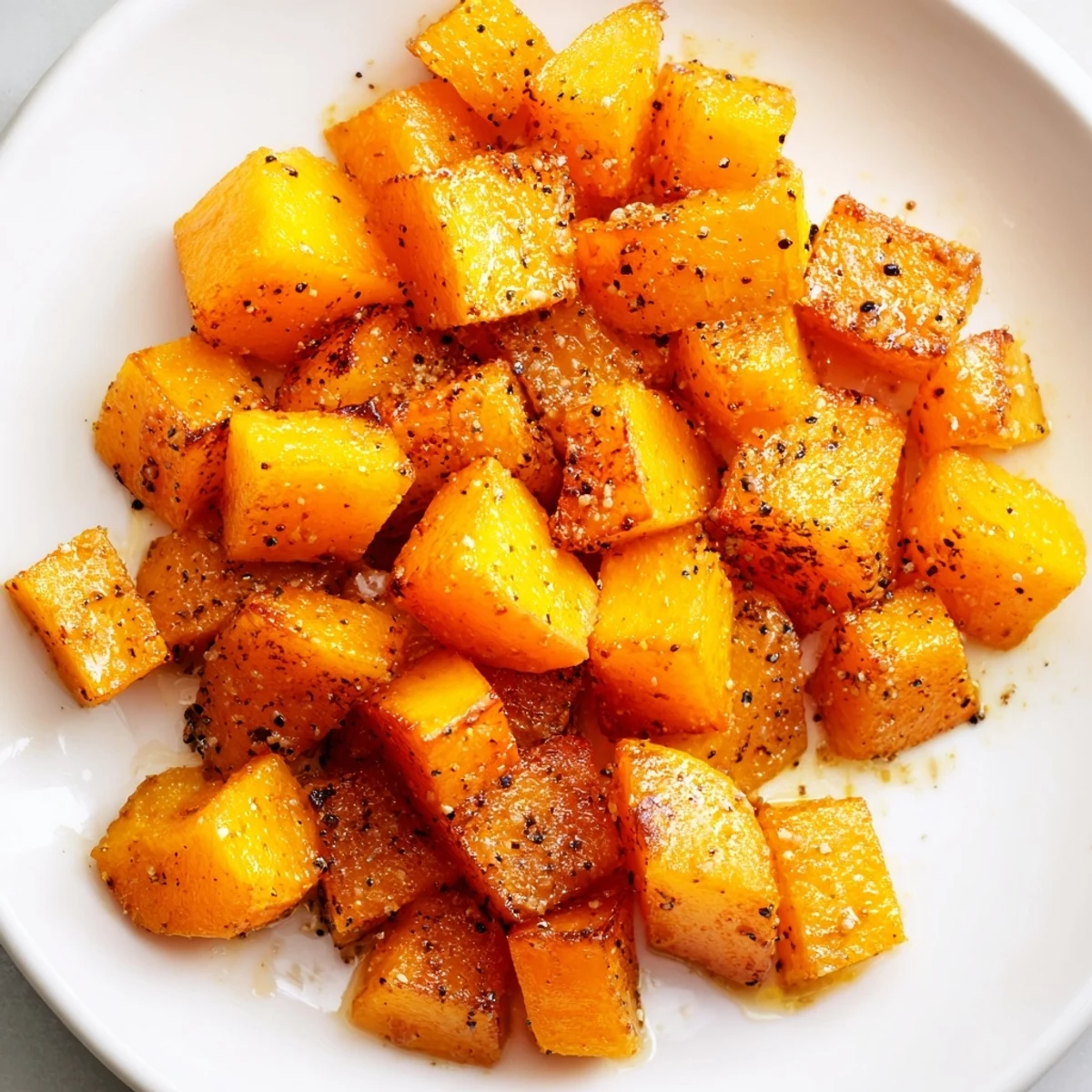
Butternut squash has this natural sweetness that plays beautifully with brown sugar and warm spices, almost like they were meant to find each other. Unlike denser winter squashes, it becomes genuinely tender in the oven without losing its structure, and the pale orange flesh against those caramelized edges looks stunning on any table. If butternut isn't what you have on hand, acorn or delicata squash work wonderfully too—just adjust your expectations slightly since they cook a touch differently.
The Art of Caramelization
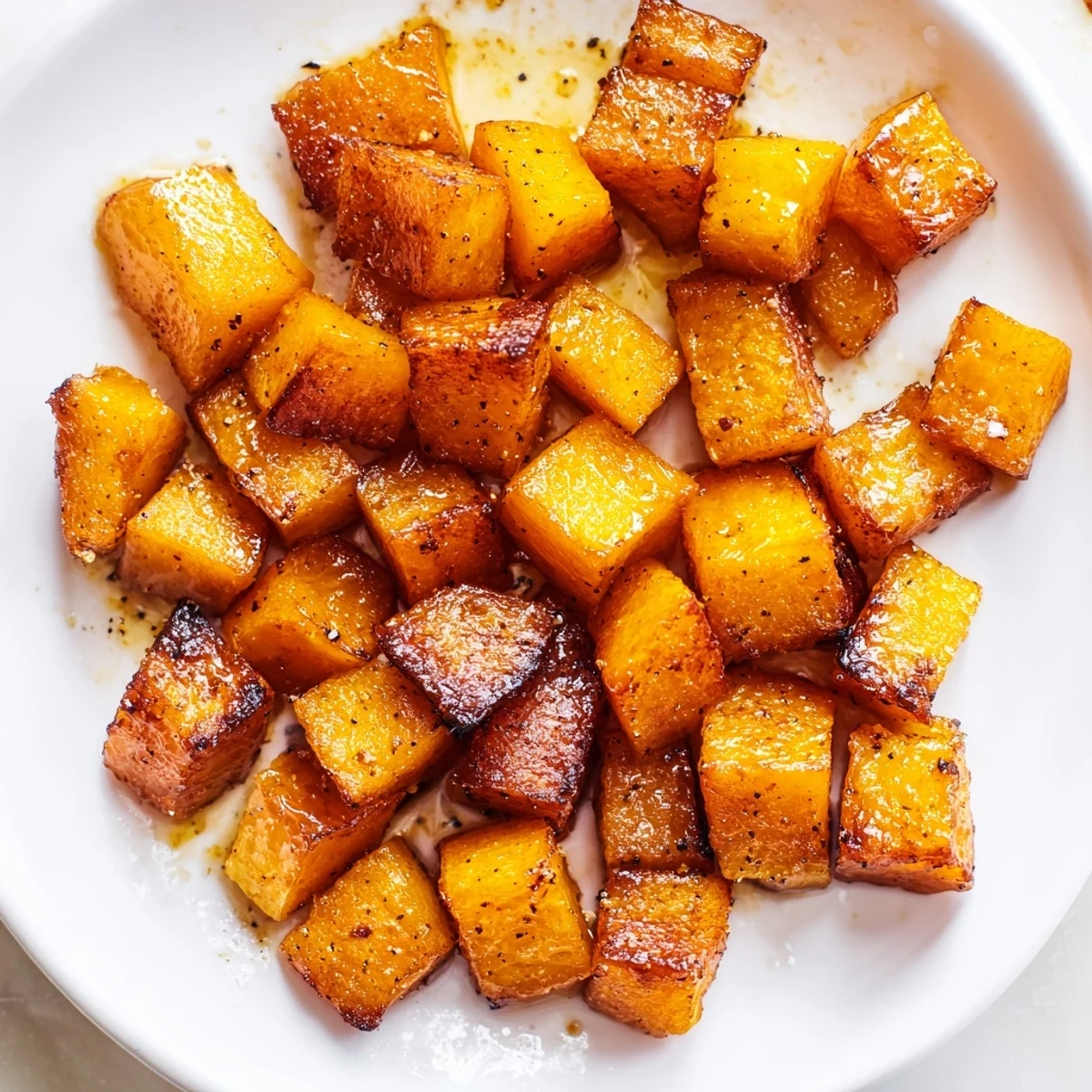
Caramelization happens when the brown sugar's edges hit the heat of the oven and the squash's natural moisture reduces just slightly, creating that crispy-edged, almost jammy texture that makes this dish unforgettable. Watch it closely toward the end of roasting—you want those edges golden and slightly browned, not charred or burnt, which can happen quickly in the last few minutes. The smell will tell you when you're getting close—that toasted, spiced sweetness is your cue that magic is happening.
Serving and Pairing Ideas
This side dish is genuinely flexible, whether you're serving it alongside roasted chicken for a weeknight dinner or making it the vegetable course at a vegetarian holiday feast. It holds its own next to richer mains like pork and duck, but it's equally at home on a plate of other autumn sides. Leftovers keep in the fridge for a few days and can be reheated gently or even tossed into grain bowls and salads for unexpected texture.
- A sprinkle of cayenne pepper before roasting adds a subtle heat that keeps things interesting.
- Drizzling with a little maple syrup in the last five minutes of roasting deepens the autumn flavors even more.
- Fresh herbs like sage, thyme, or parsley scattered on top just before serving brighten the whole dish.
 Save to Pinterest
 This recipe reminds me that the most nourishing meals often come from simple ingredients treated with a little care and attention. Make it, share it, and let it become something that brings warmth to your own table.
Recipe Questions & Answers
- → What type of squash works best for roasting?
-
Butternut squash is ideal due to its sweetness and tender texture, but acorn or delicata squash can be good substitutes.
- → How do brown sugar and spices affect the squash?
-
They create a caramelized glaze that enhances the natural sweetness and adds warm, aromatic flavors.
- → Can this dish be prepared ahead of time?
-
Yes, roasting can be done in advance; simply reheat gently before serving to maintain tenderness.
- → What are good serving suggestions for this dish?
-
This side pairs well with roasted poultry, pork, or as part of a vegetarian meal.
- → Are there any tips to enhance the flavor?
-
Adding cayenne pepper for heat or a drizzle of maple syrup before roasting intensifies the taste profile.
