
 Save to Pinterest
 This savory pastry dough offers a delicate, flaky texture ideal for quiches, tarts, and pies. Made from flour, cold butter, egg, and ice water, it blends a tender crumb with sturdy structure. After mixing and chilling for an hour, it's ready to roll out and fill with your favorite savory ingredients. Techniques like incorporating cold butter in pea-sized pieces and careful mixing ensure a crisp golden finish. Variations include fresh herbs for added flavor or plant-based substitutes for dietary needs.
I still remember the afternoon my grandmother taught me her secret to perfect pastry dough in her small kitchen in Lyon. She moved through the steps with such ease, her cold hands never hesitating, showing me that the magic wasn't in fancy equipment but in patience and respect for the ingredients. That lesson transformed how I bake, and now whenever I make this dough, I can almost smell the butter and flour mingling with her calm presence.
I'll never forget the first time I made a quiche Lorraine in my tiny apartment kitchen with this exact dough for friends who surprised me with a visit. As they bit into it and their faces lit up, I realized this wasn't just about following instructions—it was about creating something that brought people together around my table.
Ingredients
- All-purpose flour (2 cups / 250 g): The structure of your dough, and using the right weight rather than guessing at cups makes all the difference in consistency.
- Fine sea salt (1 tsp): Just a whisper of salt that wakes up the other flavors and prevents the dough from tasting flat.
- Unsalted butter (¾ cup / 170 g), cold and cubed: This is where the magic lives—cold butter creates those precious pockets that become flaky layers when baked. Never skip the cold step.
- Large egg, cold (1): Your binder and what gives the dough structure without making it tough, but it must be cold or it will warm the flour too much.
- Ice water (2–3 tbsp): Just enough to bring everything together; too much and you'll have a tough dough, too little and it won't hold.
Instructions
- Combine your dry ingredients:
- In a large bowl, whisk together the flour and salt. This is meditative work—take a moment to feel the flour between your fingers, notice its texture. You're distributing the salt evenly so every bite has seasoning.
- Cut in the cold butter:
- Add your cold butter cubes to the flour. Now comes the part that feels like play: using a pastry blender or your fingertips, work the butter into the flour until it resembles coarse crumbs with pea-sized pieces of butter still visible. This is crucial—those little butter pieces are what create the flakiness. Work quickly so the butter doesn't warm up; your hands should feel cold by the time you're done.
- Prepare the wet ingredients:
- In a small bowl, beat the cold egg with 2 tablespoons of ice water. This mixture is your paste that will bring everything together.
- Bring the dough together:
- Drizzle the egg mixture over the flour and butter, then gently mix with a fork, turning the bowl as you go. You're listening with your hands now—the dough should just start to come together. If it feels too dry and won't hold when you press a small handful, add another tablespoon of ice water a few drops at a time until it does.
- Shape and wrap:
- Turn the dough onto a lightly floured surface. Don't knead it or work it more than necessary. Simply press it together, shape it into a flat disc about ¾-inch thick, and wrap it tightly in plastic wrap. This disc shape will chill faster and be easier to roll out later.
- Chill thoroughly:
- Place your wrapped dough in the refrigerator for at least 1 hour. This is when the gluten relaxes and the butter sets, both essential for flakiness and easy rolling. I often chill mine longer—even overnight—and it only gets better.
- Roll and use:
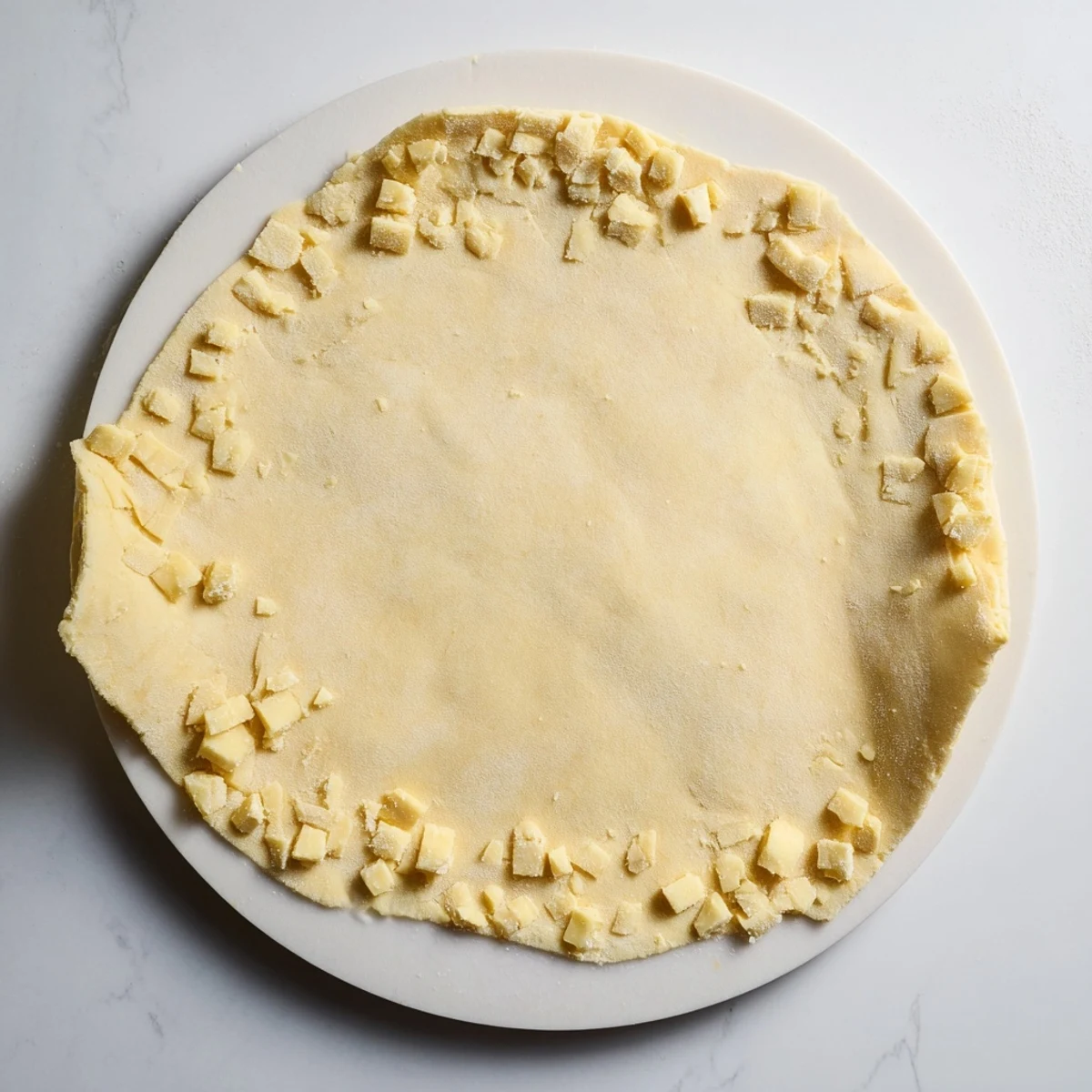
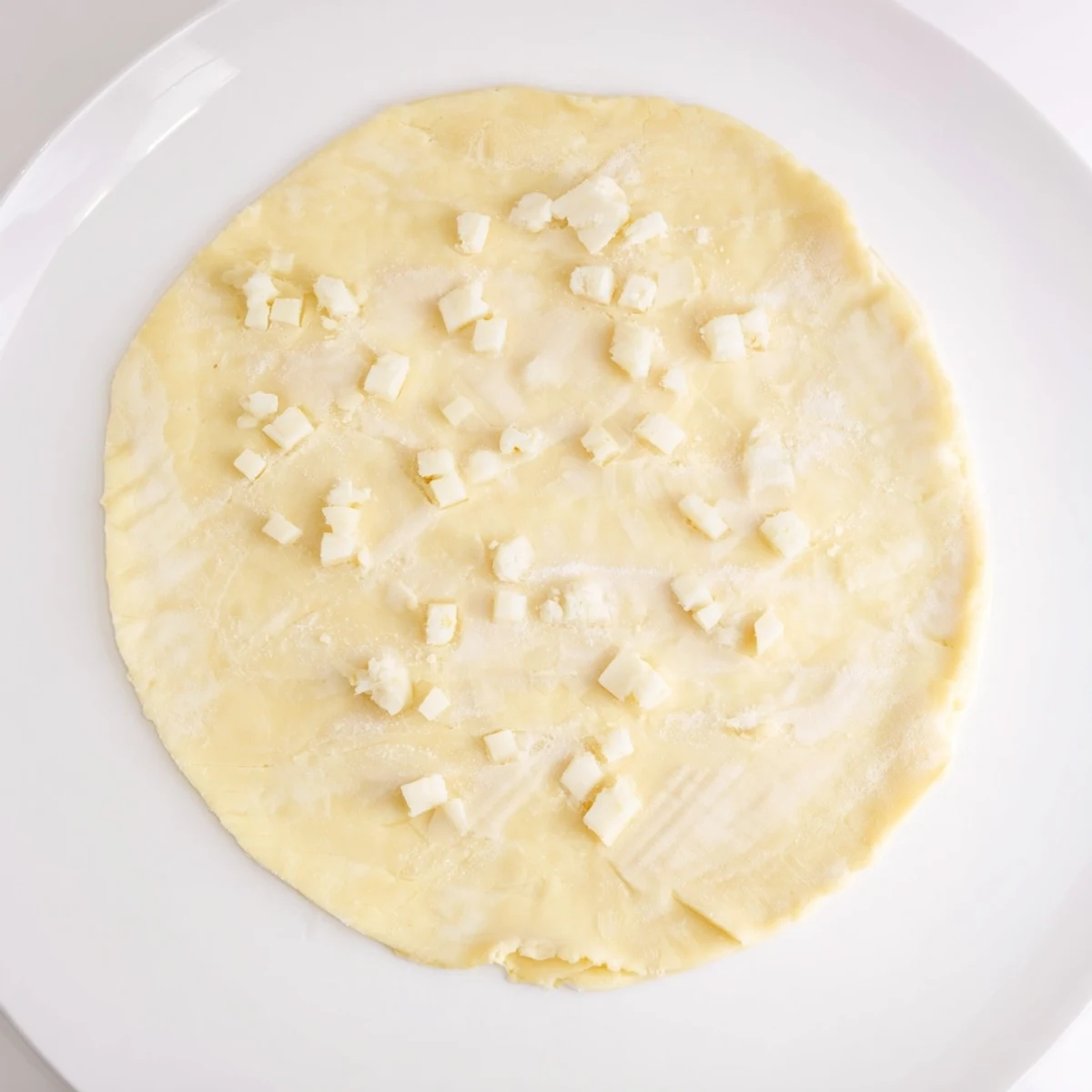
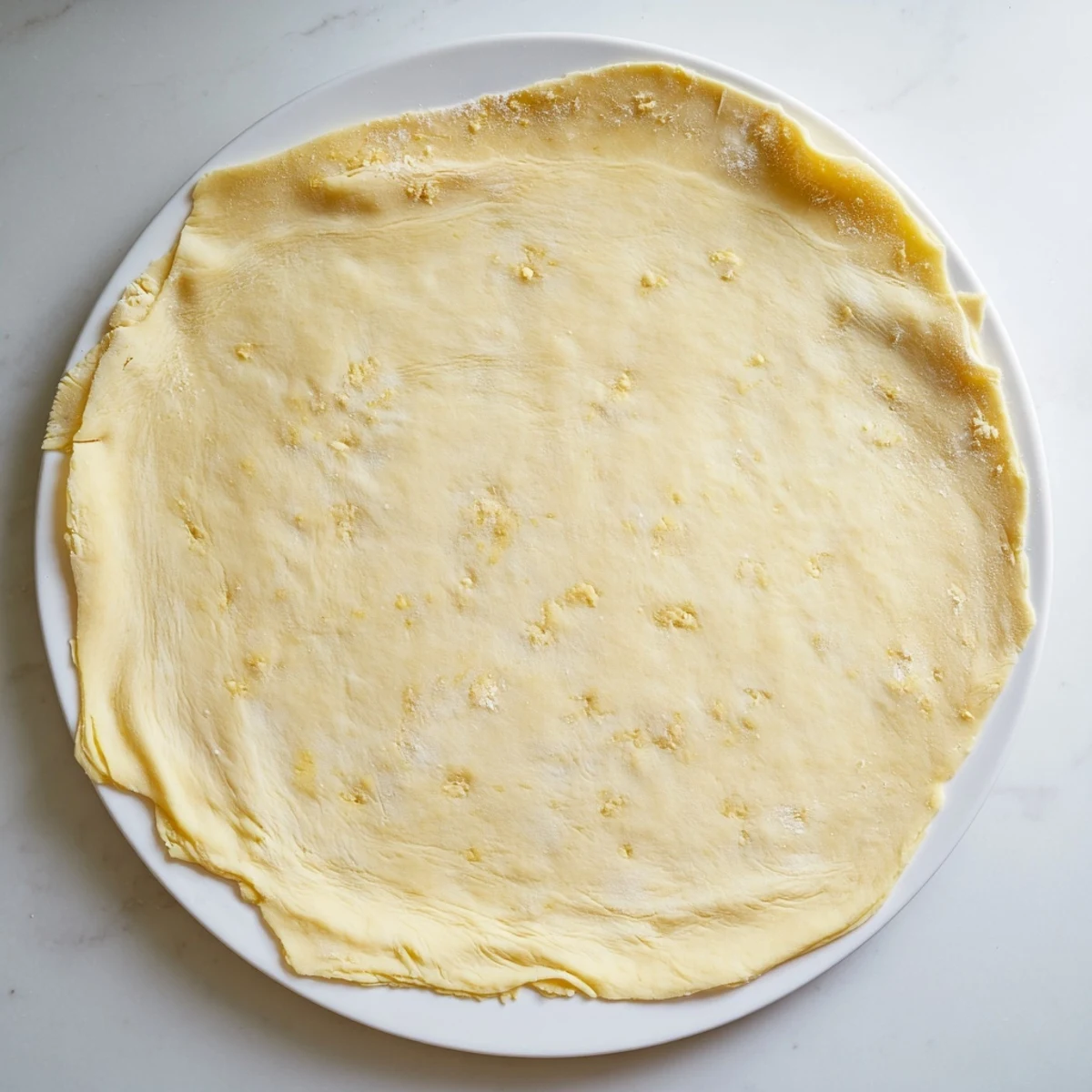
- When you're ready, take the dough out and let it sit for a few minutes if it's very cold and hard. On a lightly floured surface, roll it out gently from the center outward until it's thin enough to fit your tart or pie pan. Proceed with whatever delicious filling you've chosen.
 Save to Pinterest
 There was a moment in my kitchen last winter when a neighbor knocked on the door as my fresh tart was coming out of the oven, and the aroma drew her inside. She stayed for tea, and as we shared a slice warm from the pan, she asked me for the recipe. Watching her taste something I'd made with my own hands, knowing the care that went into it, reminded me why this simple dough matters so much.
Adding Your Own Flavor
While this dough is wonderful as is, you can make it entirely your own with small additions. Fresh herbs like thyme, tarragon, or finely chopped parsley add a subtle earthiness that whispers through every bite. Cracked black pepper adds a gentle heat. If you want to experiment, add 1 to 2 teaspoons of your chosen herb or spice to the flour before adding the butter. I learned this trick from watching a chef work, and it changed how I think about building flavor from the foundation up.
Making It Ahead and Storage
One of the great joys of this dough is its flexibility around your schedule. You can make it up to 2 days in advance and keep it refrigerated, wrapped tightly, which means you can prepare it when you have energy and bake when inspiration strikes. Even better, you can freeze it for up to 1 month—I often make a double batch on a quiet afternoon and have dough waiting for unexpected gatherings or weeknight tart emergencies. There's something deeply satisfying about opening your freezer and finding your own homemade dough waiting for you.
Adaptations for Everyone
If you eat plant-based or need to avoid dairy and eggs, this dough adapts beautifully. Substitute the butter with chilled plant-based butter in the same amount, omit the egg entirely, and add a bit more ice water—usually 3 to 4 tablespoons total instead of 2 to 3—to bring it together. The technique remains the same, and the result is just as flaky and tender. I've found that keeping everything even colder helps when working without eggs, so don't skip that step.
- Always check ingredient labels for allergens, especially if you're cooking for someone with sensitivities.
- Keep all substitutes as cold as possible to maintain the flaky texture you're after.
- Trust your hands more than the recipe when adapting; add liquid gradually until the dough feels right.
 Save to Pinterest
 This dough taught me that good baking isn't about being perfect—it's about being present. Return to it again and again, and it will teach you something new every time.
Recipe Questions & Answers
- → What makes this pastry dough flaky?
-
Cold butter cut into small cubes and worked into the flour creates steam during baking, resulting in a flaky texture.
- → How long should I chill the dough before use?
-
Chilling the dough for at least one hour helps relax the gluten and firms the butter, making it easier to roll out and preventing shrinkage.
- → Can I add herbs or spices to the dough?
-
Yes, adding fresh chopped herbs or cracked black pepper enhances flavor without affecting the dough’s structure.
- → Is it possible to make this dough vegan?
-
Substitute the butter with chilled plant-based butter and omit the egg, adjusting the ice water as necessary for consistency.
- → How should I store leftover dough?
-
Wrap tightly and refrigerate for up to two days or freeze for up to one month to preserve freshness.
