
 Save to Pinterest
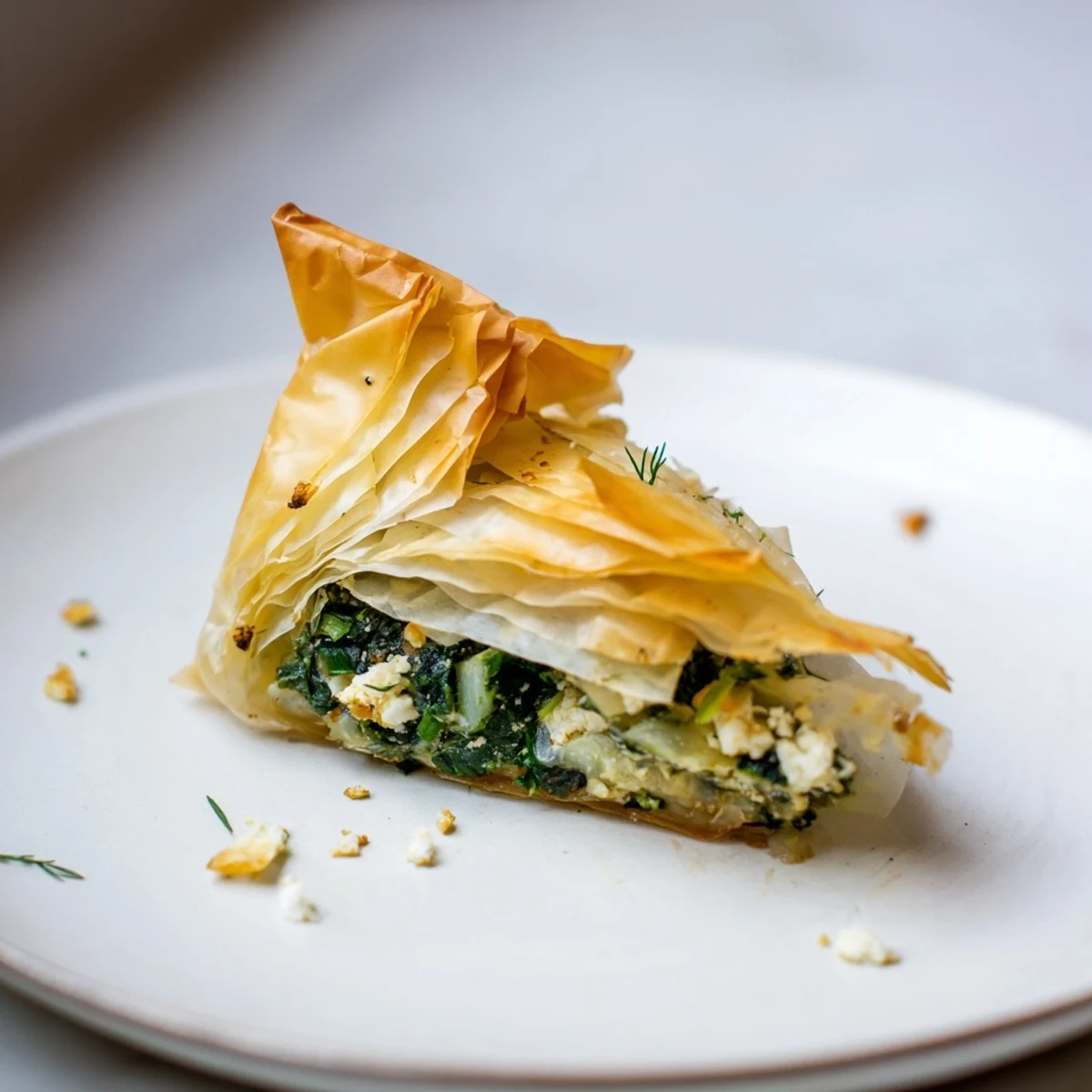
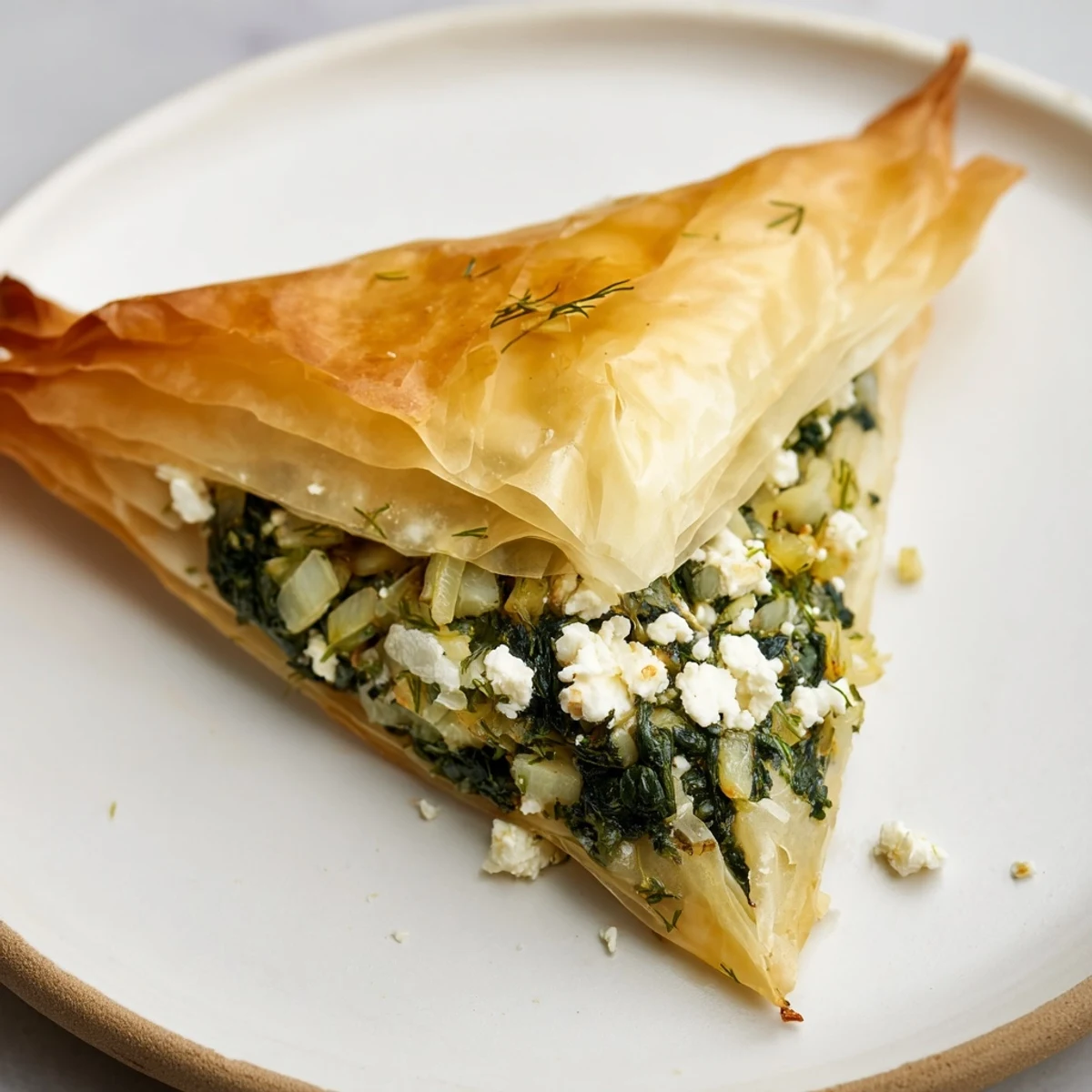
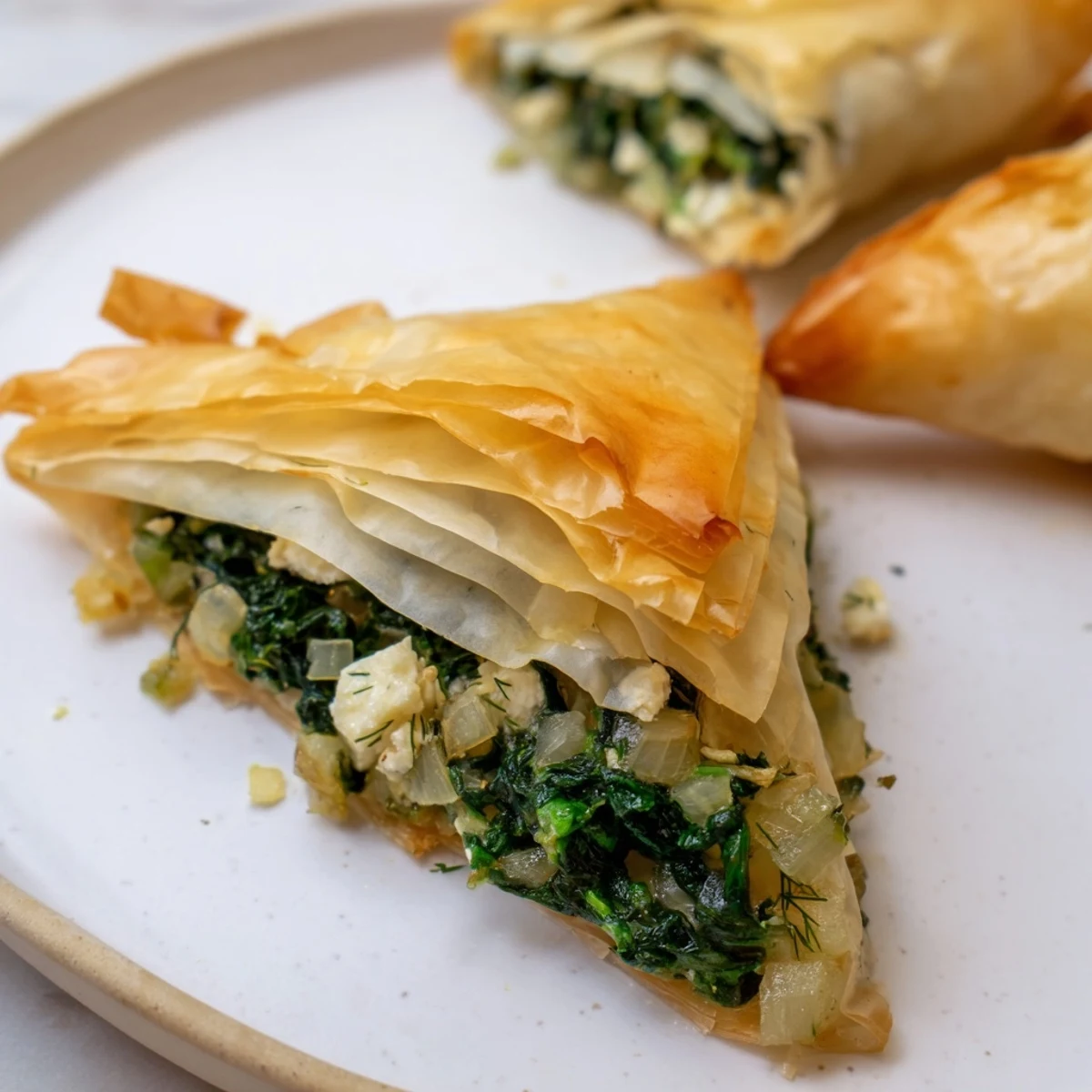
 These savory spinach and feta triangles feature crispy, golden phyllo pastry enveloping a tasty filling of fresh spinach, crumbled feta cheese, and fragrant herbs like dill. The mixture is gently sautéed with onion and garlic, seasoned with black pepper and a hint of nutmeg, then folded into triangles before baking until perfectly crisp. Ideal as an appetizer or snack, they deliver a balanced blend of creamy, tangy, and herbal flavors that capture Mediterranean culinary influences.
I first tasted these spinach and feta triangles at a small taverna in Athens, sitting under the shade of a lemon tree with my grandmother. She watched me devour three in quick succession, then smiled and said, 'Come, I'll teach you how to make them.' That afternoon in her kitchen, surrounded by the smell of fresh dill and melting butter, I learned that the secret wasn't just the ingredients—it was the care folded into every triangle. Now, whenever I make them, I'm transported back to that sun-drenched kitchen, and somehow my hands remember exactly how to fold the pastry just right.
I remember bringing a batch of these to a potluck dinner years ago, nervous because everyone else had fancy plated dishes. Within minutes, my triangles had vanished, and three people asked for the recipe. One friend told me later that she'd made them for her daughter's school lunch, and it became her daughter's most-requested homemade snack. That's when I realized these humble triangles had become a quiet comfort in someone else's life too.
Ingredients
- Fresh spinach, 250 g (or 150 g frozen, thawed): Fresh spinach has a delicate flavor that cooks down beautifully; frozen works perfectly and is actually more convenient—just be sure to squeeze out every drop of moisture, or your filling will be watery and the pastry won't crisp properly.
- Feta cheese, 200 g crumbled: This is the soul of the filling—tangy, salty, and utterly Mediterranean. Buy it from a good source if you can; the quality makes a real difference. Taste your filling before adding extra salt; feta is already quite salty and can quickly overpower the dish.
- Small onion, finely chopped: The onion softens during cooking and adds a gentle sweetness that balances the sharp feta and earthy spinach. Don't skip this step; it truly matters.
- Garlic, 2 cloves minced: Garlic brings warmth and depth. Mince it finely so it distributes evenly and cooks completely; you want fragrance, not bitter chunks.
- Fresh dill, 2 tbsp chopped (or 1 tbsp dried): Dill is the signature herb here—it's brighter and more delicate than parsley. If using dried, add it when you sauté the onion so it releases its flavor. Fresh dill should be added after the spinach cools.
- Large egg: This binds everything together and helps the filling hold its shape as it bakes. One egg is all you need.
- Ground black pepper and nutmeg: Pepper is essential; nutmeg is optional but adds a whisper of warmth that makes people pause and ask, 'What is that flavor?'
- Salt, to taste: Always taste your filling before sealing it into pastry. Feta brings its own saltiness, so you likely need less than you think.
- Phyllo pastry, 6 sheets: Phyllo is delicate but forgiving once you understand it. Thaw it completely before using, and keep the stack covered with a damp kitchen towel while you work so it doesn't dry out. Each sheet should be paper-thin; if yours are thick, you may have thawed them incorrectly or they're a different brand.
- Unsalted butter, 60 g melted (or olive oil): Butter creates the golden, crispy exterior that makes these irresistible. Olive oil works too, but butter is more authentic and tastes better. Melt it gently so it stays liquid and brushes evenly.
Instructions
- Prepare your workspace and oven:
- Preheat your oven to 190°C (375°F) and line a baking tray with parchment paper. This small step prevents sticking and cleanup headaches later. Have all your ingredients measured and ready before you begin; phyllo waits for no one.
- Build the flavor base:
- Heat a large skillet over medium heat and add a splash of olive oil. When it shimmers slightly, add your finely chopped onion. Listen for the gentle sizzle and watch as the onion turns from opaque to translucent and soft—about 3 minutes. You'll notice the kitchen starting to smell wonderful. Now add the minced garlic and cook for just 1 minute more, stirring constantly. The garlic should be fragrant but not browned; burnt garlic tastes bitter and will shadow the entire dish.
- Wilt the spinach:
- Add your spinach (fresh or thawed frozen) to the skillet and stir it constantly. If you're using fresh spinach, it will seem like an impossible amount at first, but it wilts dramatically. Keep stirring until all the liquid has evaporated—this is crucial. If moisture lingers in the filling, it will make your phyllo soggy instead of crispy. Once it's completely dry, remove the skillet from heat and let the mixture cool for 5 minutes. This cooling step prevents the egg from cooking prematurely when you mix it in.
- Make the filling:
- Transfer your cooled spinach mixture to a large bowl. Add the crumbled feta, fresh dill (if using fresh; dried dill goes in with the onion), the egg, pepper, and a tiny pinch of nutmeg if you're feeling adventurous. Mix everything together until evenly combined and the egg is fully incorporated. Now comes the critical taste test: take a small spoonful, let it cool for a second, and taste it. Does it need salt? Remember, feta is salty; you're probably fine. This is your only chance to adjust the flavor before everything gets sealed into pastry.
- Assemble the pastry sheets:
- Lay one sheet of phyllo on a clean, dry surface. Brush it lightly with melted butter—use a pastry brush and be gentle; you don't need to saturate it, just coat it. Layer a second phyllo sheet on top and brush that one too. Now take a sharp knife and cut the buttered double-layer lengthwise into 3 long, even strips. Each strip will become one triangle.
- Fill and fold:
- At one end of each strip, place about a tablespoon of filling. Now comes the folding—this is where it feels like an art. Take the corner of the pastry and fold it over the filling to create a triangle shape. Continue folding the triangle up the length of the strip, as if you're folding a flag, keeping the triangle shape as you go. The pastry will naturally want to stay folded because of the butter. When you reach the end, brush the outside generously with melted butter. Repeat this process with the remaining phyllo sheets and filling until you've used everything.
- Bake until golden:
- Arrange all your triangles on the prepared baking tray, leaving a little space between them so the heat can circulate. Bake for 20–25 minutes, until the pastry is deep golden and sounds crispy when you tap it lightly. Your kitchen will smell absolutely extraordinary. Let them cool for just a few minutes before serving; they're pleasant warm, but they're also lovely at room temperature, which is when the flavors really shine.
 Save to Pinterest
 Years later, my grandmother passed away, and I made these triangles for her memorial gathering. Dozens of people came, many from different parts of the world, and these simple pastry triangles felt like a bridge between us—something she had made, something I had learned to make, something we could all share. That afternoon, as people took these triangles with coffee and told stories about her, I understood that food is how we say 'I remember, I care, I'm here.'
The Art of Working with Phyllo
Phyllo can intimidate home cooks, but it's actually quite forgiving if you understand its nature. It's fragile when dry but becomes pliable and almost elastic when brushed with butter. The key is respecting its delicate texture—don't press it, don't rush it, and don't expose it to dry air. Work with intention, and the pastry will cooperate beautifully. I've learned that phyllo appreciates a calm, steady hand and a clean workspace. Some of my best batches have come on days when I wasn't rushing, when I took time to brush each sheet carefully and fold slowly. The pastry seems to know when you're present.
Make-Ahead Magic
One of the greatest gifts of this recipe is its freezer-friendliness. You can assemble the triangles completely, arrange them on a baking tray, and freeze them unbaked. Once they're solid (usually 2–3 hours), transfer them to a freezer bag where they'll keep for up to a month. When you're ready to serve, bake them directly from frozen—they don't even need to thaw. Just add 5 minutes to the baking time and watch as they emerge golden and crisp. I keep a tray of these in my freezer like edible insurance; whenever friends drop by unexpectedly, I have something elegant and homemade to offer.
Variations and Flavor Adventures
While the classic version is perfect as is, these triangles are also a canvas for your own creativity and kitchen memories. The filling's foundation is sturdy enough to handle gentle variations, and experimenting is half the fun.
- Add a pinch of chili flakes or a whisper of red pepper flakes if you want warmth and a subtle kick—it complements the feta beautifully without overwhelming it.
- Substitute fresh mint or parsley for the dill, or use a combination of all three herbs if you're feeling generous. Each herb tells a slightly different story.
- Serve alongside tzatziki or a simple yogurt dip, which cools the palate and adds a creamy element that makes the crispy pastry even more irresistible.
 Save to Pinterest
 These spinach and feta triangles are more than a recipe; they're an invitation to slow down and cook with intention. Make them for people you love, and watch how something so simple becomes a moment worth remembering.
Recipe Questions & Answers
- → What type of spinach is best for this dish?
-
Fresh spinach provides the best texture and flavor, but frozen spinach can be used once thawed and well-drained to avoid excess moisture.
- → Can I substitute feta cheese with another cheese?
-
Yes, a tangy cheese like goat cheese or ricotta salata can work, though feta provides the signature salty and creamy taste.
- → How should phyllo pastry be handled to avoid tearing?
-
Keep phyllo sheets covered with a damp cloth while working to prevent them from drying out and becoming brittle.
- → What herbs complement the filling well?
-
Dill is traditional, but fresh parsley or mint can be substituted for a different herbal note.
- → Can these be prepared in advance?
-
Yes, the triangles can be assembled and frozen before baking; simply add extra baking time when cooking from frozen.
