
 Save to Pinterest
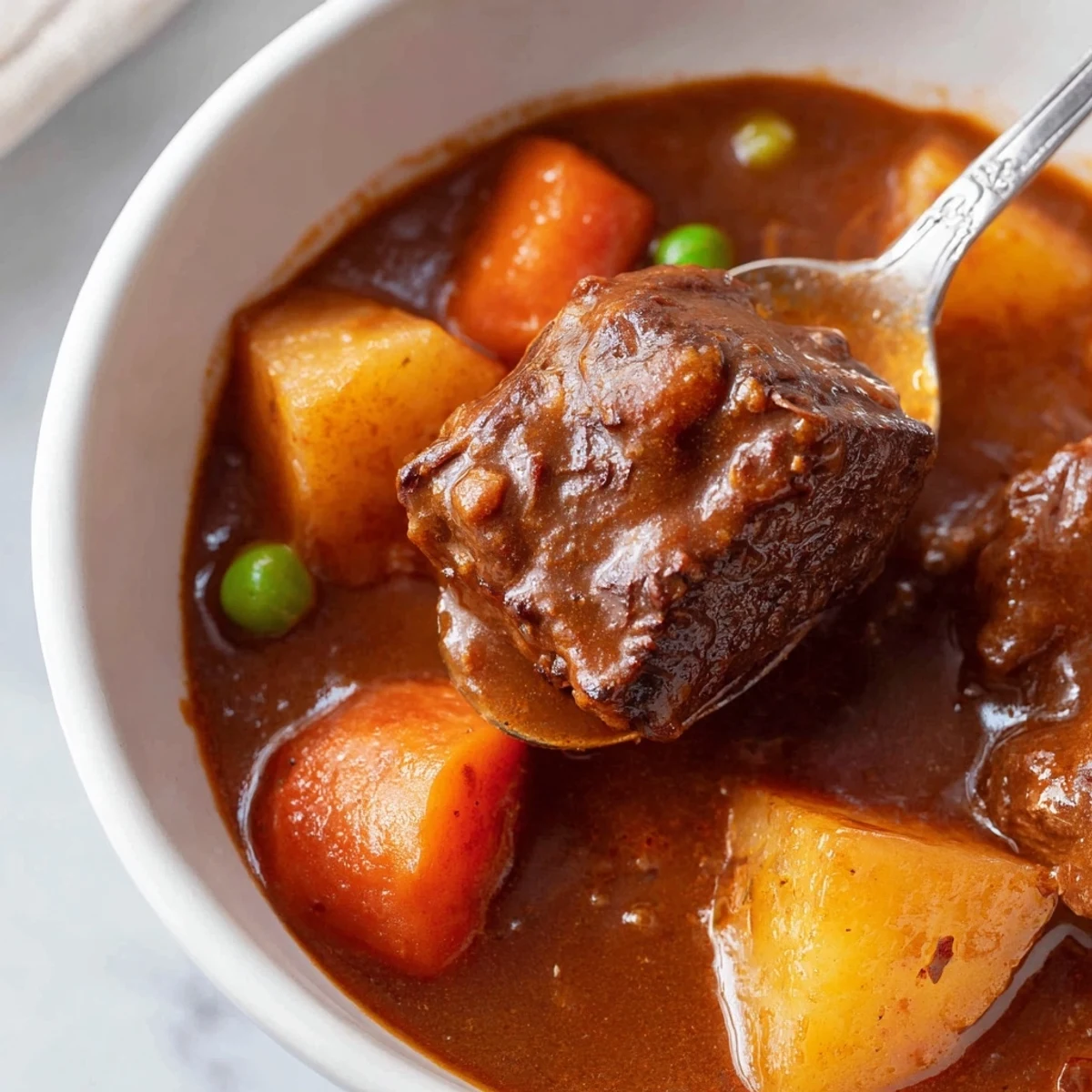
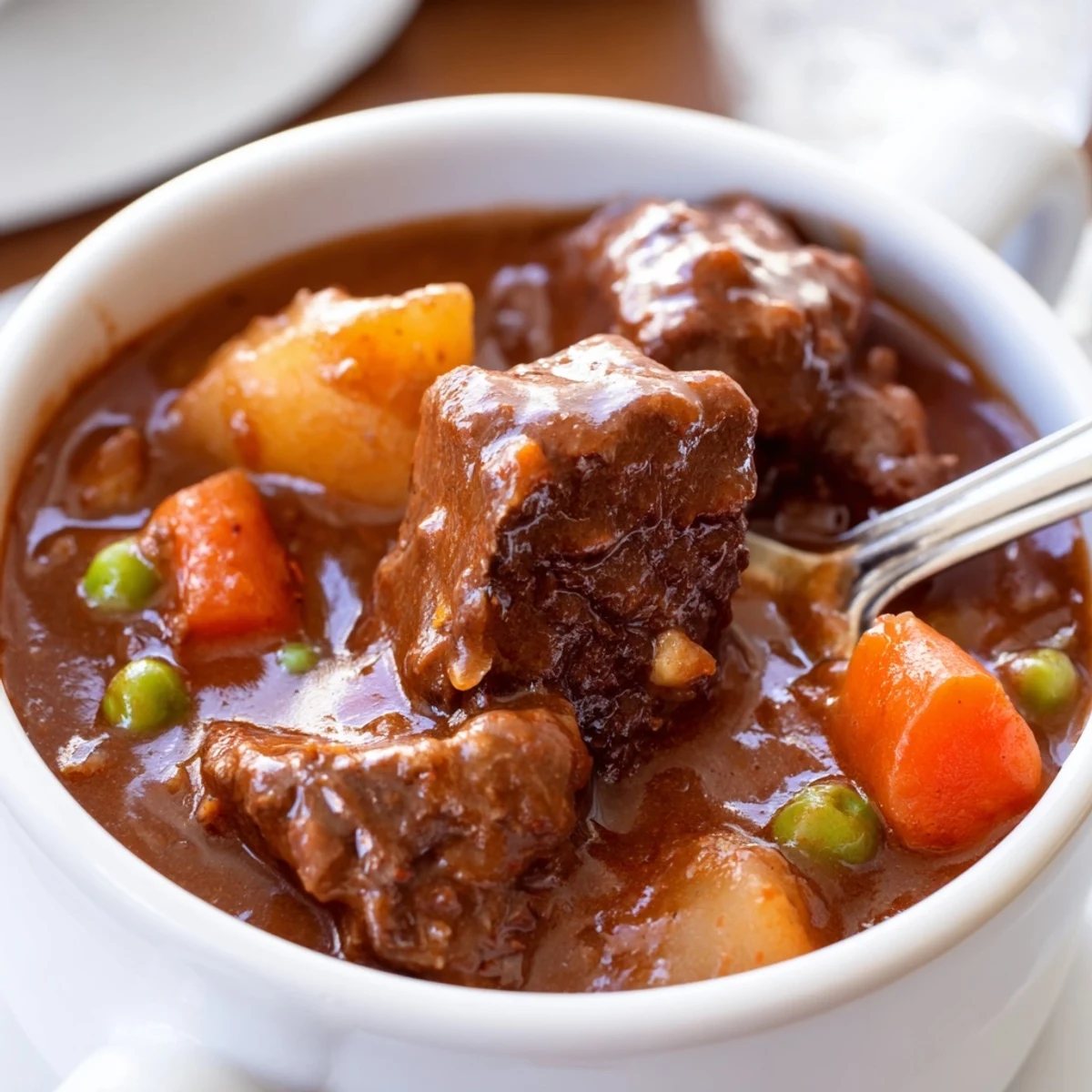
 This dish features tender beef cubes simmered all day with carrots, potatoes, celery, and aromatic herbs, creating a rich and hearty flavor. The broth blends tomato paste, Worcestershire sauce, and optional red wine for depth, while a cornstarch slurry thickens the stew toward the end. Frozen peas add texture and freshness just before serving. Ideal for an easy, comforting main course, this slow-cooked meal delivers layered savory notes and satisfying tenderness with minimal hands-on time.
There's something about the smell of beef and red wine simmering for hours that fills a kitchen with pure comfort. I discovered slow cooker stew on a particularly gray Sunday when I wanted something warming but didn't have the energy for constant stirring. Eight hours later, my apartment smelled like a French bistro, and I understood why this dish has been feeding families for generations. It's the kind of meal that asks very little of you but rewards patience with tenderness in every bite.
I made this for my brother's surprise visit on a work-from-home day, and he walked in mid-afternoon to that intoxicating aroma that made him stop dead in the hallway. We ended up eating at the kitchen table while he told stories, the stew still steaming in our bowls, and I realized how food creates these unplanned pockets of togetherness. That bowl of stew became the thing he mentioned first when his friends asked what he'd eaten at my place.
Ingredients
- Beef chuck (2 lbs, cut into 1-inch cubes): Chuck is the secret—its marbling melts into the broth and creates that silky texture. Don't use lean cuts; they'll dry out over the long cooking.
- Carrots, potatoes, celery, onion, garlic: These humble vegetables are the flavor foundation; the slow cooking mellows them into something sweet and complex.
- Beef broth (4 cups): Use good quality broth, not the watered-down kind—it becomes the soul of your stew.
- Tomato paste (2 tbsp): Just a touch adds subtle depth and helps balance the savory notes without making it taste tomato-forward.
- Worcestershire sauce (1 tbsp): This is the secret ingredient that makes people ask what you did—it adds a quiet umami complexity.
- Dry red wine (1 cup, optional): The alcohol cooks off, leaving a winey depth that elevates the whole dish; skip it if you prefer something alcohol-free.
- Thyme and rosemary (1 tsp each): These dried herbs infuse slowly, becoming almost floral by the end—fresh herbs will fade, so stick with dried for this long cook.
- Bay leaves (2): They float through the stew adding subtle background flavor and must be removed before serving.
- Cornstarch or gluten-free flour (2 tbsp): Mixed into a slurry, this thickens the broth at the end without any grittiness.
- Olive oil (2 tbsp): Use it to get the beef golden and crusty; this browning step creates real flavor.
Instructions
- Season and sear the beef:
- Pat your beef cubes dry with paper towels—this helps them brown instead of steam. Season generously with salt and pepper, then sear in batches in hot oil until each piece has a golden crust, about 3 to 4 minutes per batch. Don't crowd the pan; let them breathe and brown properly.
- Build your slow cooker base:
- Transfer the browned beef to your slow cooker, then add the carrots, potatoes, celery, onion, and garlic in one layer. These vegetables will cook down and flavor everything around them.
- Make the braising liquid:
- Whisk together the beef broth, tomato paste, Worcestershire sauce, and red wine in a bowl until smooth. This is where you're building the complex flavor that will surround your vegetables and meat.
- Season and cover:
- Pour the liquid over everything, sprinkle in the thyme, rosemary, and bay leaves, then give it one gentle stir. Cover and let the slow cooker do its magic.
- Cook low and slow:
- Set it to low for 8 hours (or high for 4 to 5 hours if you're pressed for time). The beef should be fork-tender and the vegetables should have softened into the broth. Resist peeking too much—every time you lift the lid, you're releasing heat.
- Thicken and finish:
- About 30 minutes before you want to eat, mix the cornstarch with water to form a smooth slurry. Stir it into the stew slowly so there are no lumps, then add the frozen peas and cover again for the final 30 minutes. The stew will thicken slightly and the peas will turn a bright, fresh green.
- Taste and serve:
- Fish out the bay leaves with a slotted spoon, then taste the broth and adjust salt and pepper as needed. Ladle into bowls and serve with crusty bread or over creamy mashed potatoes.
 Save to Pinterest
 I made a batch on a Friday and brought a container to my neighbor, who called me later that evening to say she'd eaten it with her kids and they'd asked for seconds. Something shifted in how I thought about cooking—it wasn't just about feeding myself anymore but about that quiet generosity of sharing something warm and made with care. Now I always make extra.
The Searing Step Matters More Than You'd Think
The first time I skipped browning the beef to save time, I ended up with a pot of tender meat in pale, one-note broth. The caramelization that happens in the skillet creates Maillard reaction—those deep, complex flavors that make slow-cooked beef taste restaurant-quality. It takes maybe 15 minutes total, and it's the difference between good stew and the kind people remember.
Why Red Wine Changes Everything
I was skeptical about adding wine until I made two batches side by side—one with it, one without. The wine batch had this roundness, a subtle depth that made you want another spoonful without knowing why. The alcohol cooks off completely, leaving just the flavor complexity. If you don't drink wine or prefer to skip it, just use more beef broth, but understand you're making a different, simpler stew.
Making It Your Own
This is a forgiving recipe that welcomes your variations and preferences. I've swapped potatoes for parsnips when I found them at the market, added pearl onions for elegance, and once stirred in some mushrooms that transformed the whole thing into something earthier and deeper. The bones of the recipe stay solid no matter what you change.
- Substitute parsnips or turnips for some of the potatoes if you want a different sweetness.
- Fresh herbs work too—use twice as much as you would dried since they fade during the long cook.
- Serve over mashed potatoes, egg noodles, or crusty bread depending on what sounds right to you.
 Save to Pinterest
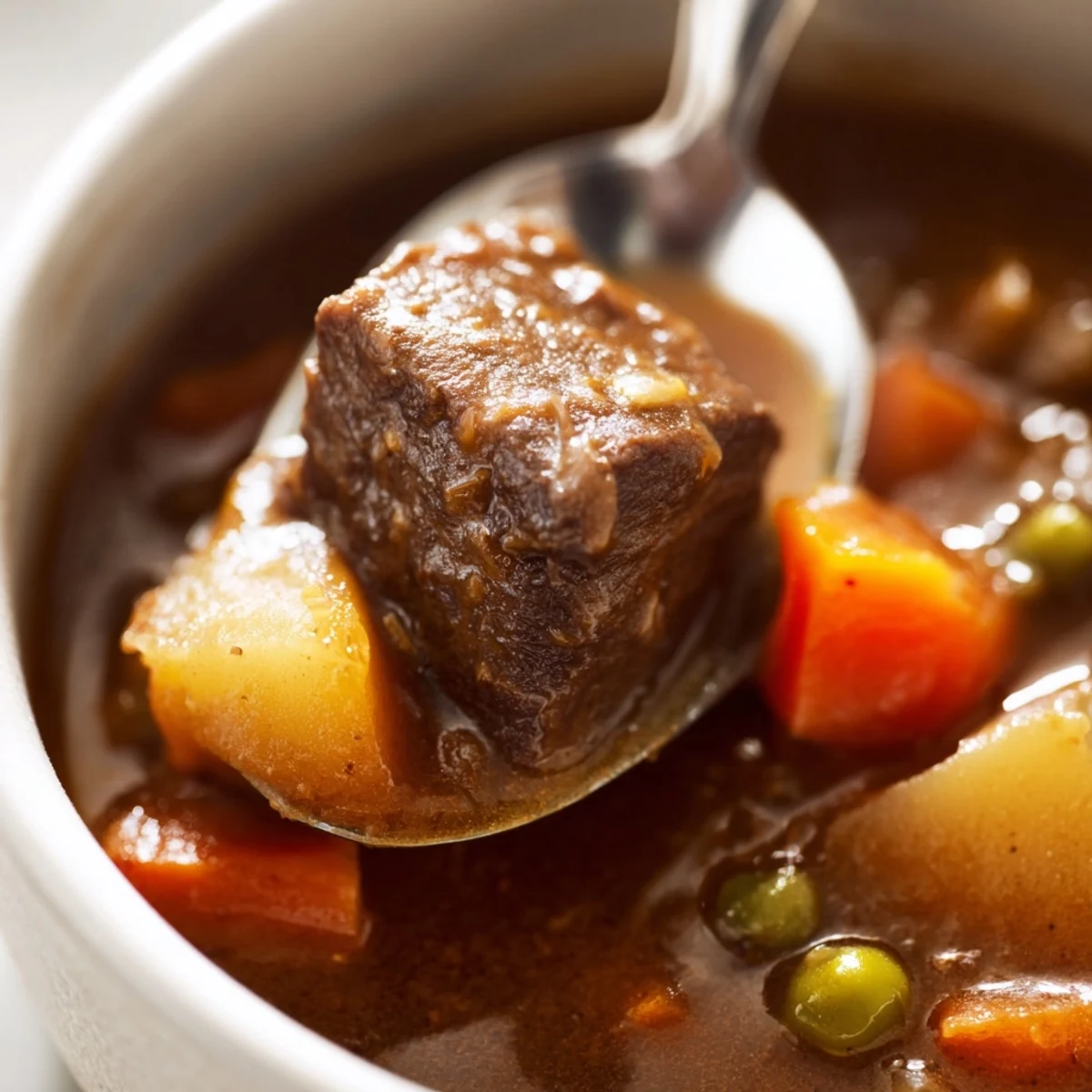
 This stew has taught me that the best cooking isn't about speed or complexity—it's about understanding that low heat and time can transform simple ingredients into something profound. Every bowl tastes like patience and care.
Recipe Questions & Answers
- → How long should the beef stew cook in the slow cooker?
-
Cook on low for 8 hours or on high for 4–5 hours until the beef and vegetables are tender.
- → Can I substitute the red wine in the stew?
-
Yes, you can replace the red wine with extra beef broth for an alcohol-free version without sacrificing richness.
- → What thickening agents are used for this stew?
-
A slurry made from cornstarch or gluten-free flour mixed with water is stirred in 30 minutes before serving to thicken the broth.
- → Are fresh herbs recommended over dried ones?
-
Fresh thyme and rosemary can be used instead of dried, but double the quantity to maintain the intended flavor intensity.
- → Can I use different vegetables in place of potatoes?
-
Yes, parsnips or turnips can substitute some of the potatoes to add depth and a unique twist to the stew.
