
 Save to Pinterest
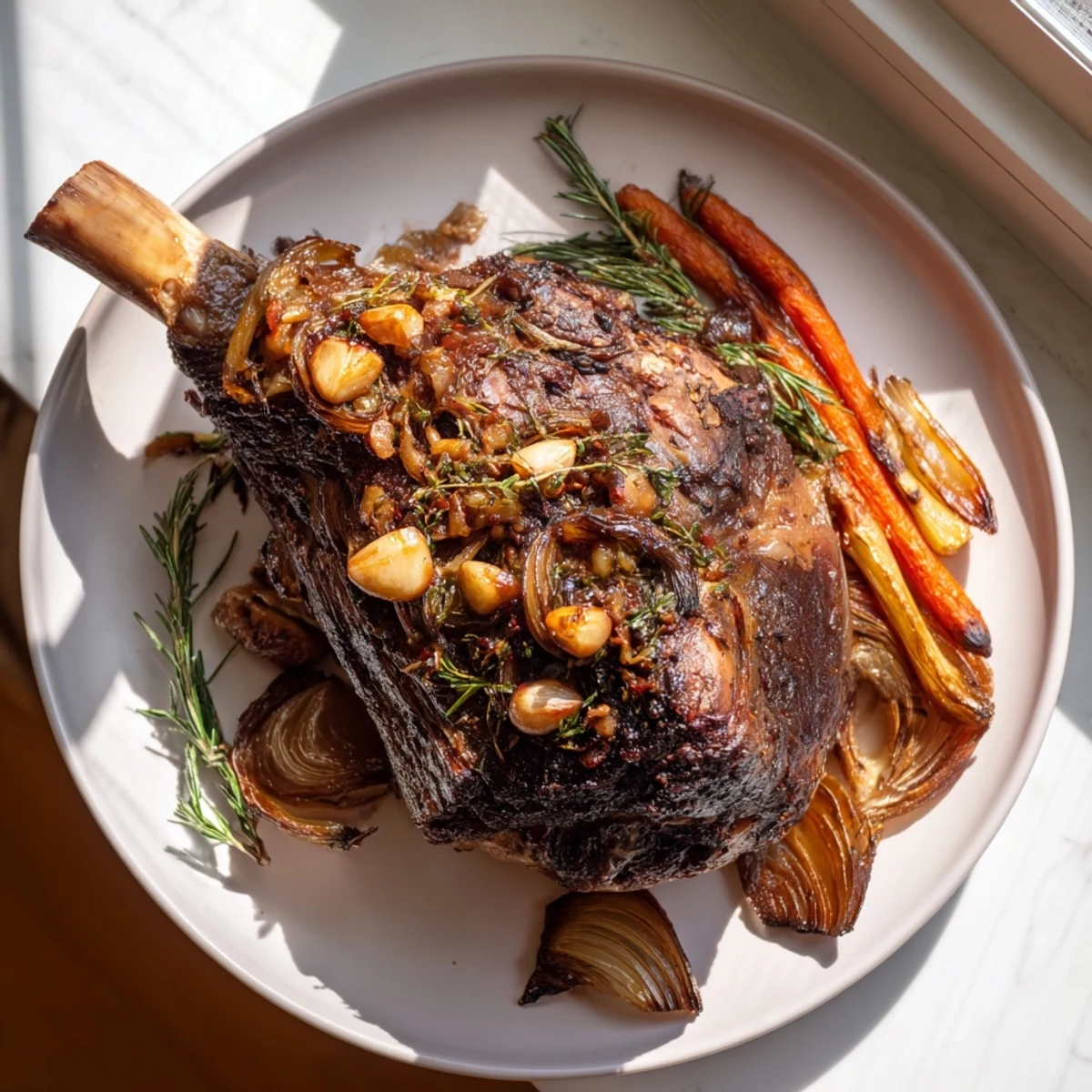
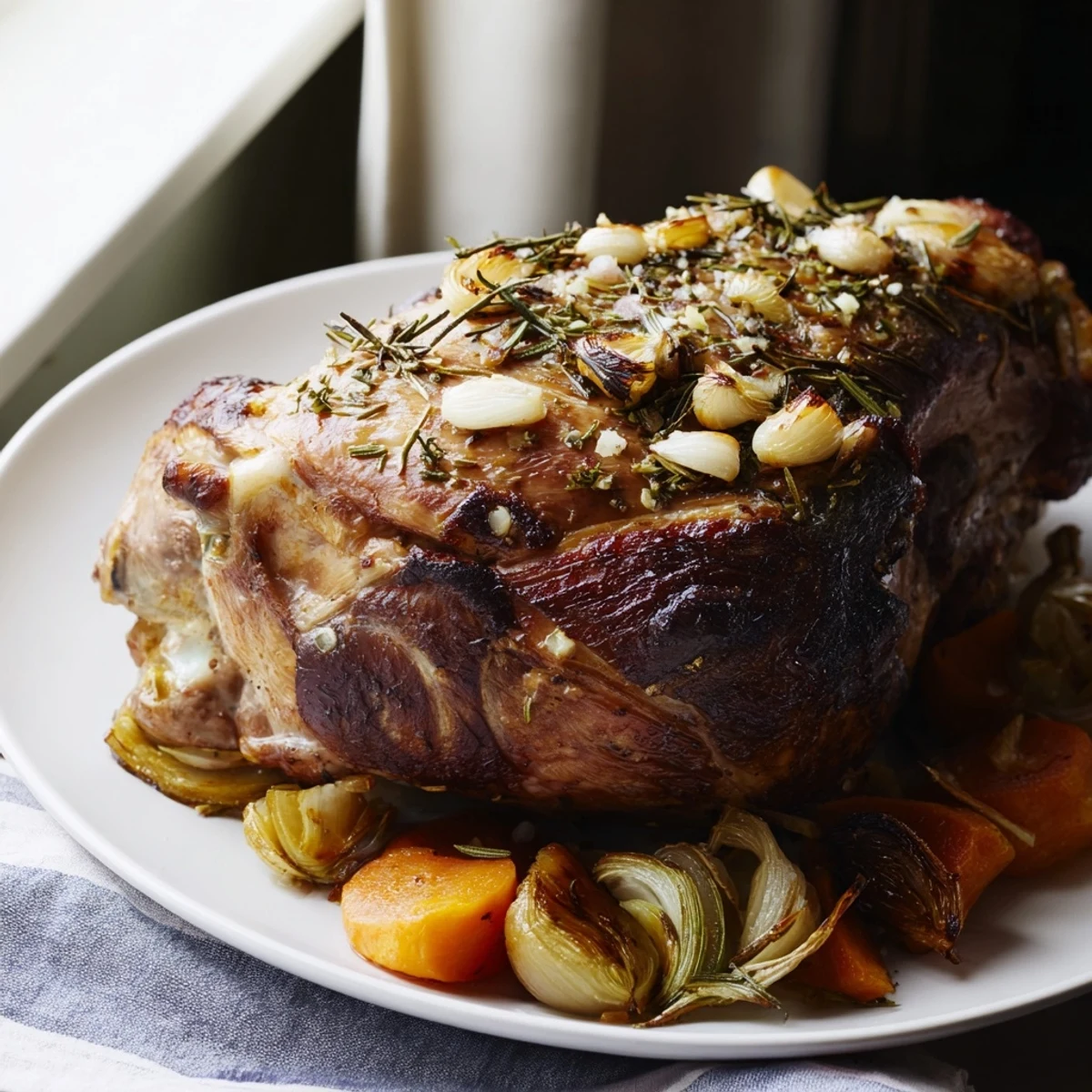
 This slow-cooked lamb shoulder is infused with aromatic garlic, rosemary, and thyme, roasted alongside hearty vegetables. The long, gentle roasting process tenderizes the meat, producing a succulent texture that melts in your mouth. Finished with a high-heat roast for a golden crust, this dish pairs beautifully with mashed potatoes or fresh bread to soak up the flavorful pan juices. Ideal for leisurely meals that reward patience with rich, savory results.
The first time I truly understood what slow cooking meant was watching my grandmother tend to a lamb shoulder for hours, the kitchen filling with this deep, savoury warmth that seemed to seep into the walls. She'd say the meat talks to you if you listen—it tells you when it's ready, when it needs more time, when it's about to become something transcendent. That day, I learned that patience isn't passive; it's an act of love made edible.
I made this for my brother's birthday dinner on a cold autumn evening, and I remember being oddly nervous—like I was trying to prove something with lamb instead of words. But the moment he took that first bite, his whole face changed, and suddenly I understood that some of the best meals are the ones made with a little uncertainty and a lot of intention.
Ingredients
- Bone-in lamb shoulder (2.5–3 kg): The bone adds incredible depth to the cooking liquid, and the marbling keeps the meat impossibly moist through those long hours in the oven.
- Garlic cloves, separated and peeled: These aren't just seasoning—they become creamy little flavor bombs scattered throughout the meat, studded into slits so they perfume every bite.
- Onions, carrots, and celery: This aromatic base catches all the rendered fat and caramelizes gently, eventually becoming soft enough to almost dissolve into the sauce.
- Fresh rosemary and thyme: Fresh herbs give you control over the intensity; dried works in a pinch but won't give you those little leaf flecks that feel more alive.
- Coarse sea salt and freshly ground black pepper: Don't skip the coarse salt—it clings better to the oil and creates a crust that seals in the moisture.
- Dry white wine and stock: The wine adds acidity to balance the richness, while stock creates a sauce worth spooning over everything on your plate.
Instructions
- Get your oven and workspace ready:
- Preheat the oven to 160°C (320°F). This low, gentle heat is what transforms tough muscle fibers into something silky over time—rush this temperature and you'll get a different (lesser) result.
- Prepare the lamb:
- Pat the shoulder completely dry; moisture is the enemy of browning. Using a sharp knife, make deep incisions all over the meat, then nestle garlic cloves into each slit so they'll infuse the lamb from the inside out.
- Make your herb rub:
- Combine olive oil, rosemary, thyme, salt, and pepper in a small bowl. This fragrant paste should be generous and confident—rub it all over the lamb, getting into every crevice and making sure the meat is completely coated.
- Build your foundation:
- Scatter onions, carrots, and celery across the bottom of a large roasting pan, then nestle the lamb on top. These vegetables aren't just flavor—they're a platform that lets the heat circulate underneath, preventing sticking.
- Add your liquid:
- Pour the white wine and stock around (never directly over) the lamb. The liquid should come partway up the sides, creating an aromatic steam bath that keeps everything impossibly moist.
- The long, slow roast:
- Cover tightly with foil or a lid and roast for 3½ hours, basting the lamb with pan juices every 45 minutes or so. This is where the magic happens—you'll see the meat begin to look almost translucent at the edges, and the smell will become absolutely hypnotic.
- Finish with color:
- Increase the oven to 220°C (430°F), remove the foil, and roast uncovered for 20–30 minutes until the surface turns golden brown and caramelized. Watch carefully near the end so the exterior browns without the interior drying out.
- Rest and serve:
- Remove the lamb and loosely tent it with foil, letting it rest for 15 minutes so the juices redistribute throughout the meat. Serve it shredded or sliced alongside the softened vegetables and those precious pan juices.
 Save to Pinterest
 Years later, I realized this dish became the one I reach for when I want to slow down and actually be present—when I want to mark a moment as important. There's something about the ritual of roasting that reminds you that good things take time, and that's exactly as it should be.
Why This Cut Works So Well
The lamb shoulder is one of those cuts that's often overlooked in favor of fancier legs or loins, but it's actually the secret weapon of slow cooking. It's loaded with connective tissue that breaks down into gelatin during those long hours, creating a sauce that coats your mouth in the most luxurious way. The marbling means you can't really overshoil it—the fat keeps the meat succulent even as it cooks for hours, which is honestly why it's so forgiving.
Building Flavor Layers
The garlic cloves embedded throughout the meat are doing something really clever—they soften and sweeten as they cook, creating little pockets of mellow, almost caramelized flavor that surprise you with every bite. The herb rub creates an aromatic seal that traps moisture while infusing the surface with rosemary and thyme. And those vegetables underneath aren't just support; they're soaking up all the rendered fat and creating a natural sauce that tastes like hours of patient cooking.
Making It Your Own
This is the kind of recipe that welcomes experimentation without falling apart. Some cooks add anchovy fillets to the herb rub for an almost invisible depth, while others finish with lemon zest to cut through the richness. I've seen people add dried apricots to the liquid, or a splash of red wine instead of white. The foundation is so solid that these variations feel like conversations you're having with the recipe rather than departures from it.
- A few anchovy fillets minced into the herb rub add a savory undercurrent that makes people ask what your secret is.
- Creamy mashed potatoes or crusty bread are non-negotiable for soaking up every drop of those precious pan juices.
- Leftovers transform into incredible sandwiches the next day, or crumble beautifully onto fresh salads if you're looking for something lighter.
 Save to Pinterest
 This recipe gave me permission to cook slowly, to trust that time and gentleness produce better results than speed ever could. Make it once and you'll understand why people come back to this dish again and again.
Recipe Questions & Answers
- → How long should I slow roast the lamb shoulder?
-
Roast the lamb shoulder covered for about 3½ hours at a low temperature to ensure tenderness before finishing with a high-heat roast.
- → What herbs complement this lamb shoulder?
-
Fresh or dried rosemary and thyme add fragrant herbal notes that enhance the lamb’s natural flavors.
- → Can I use bone-in or boneless lamb shoulder?
-
Bone-in shoulder is preferred for richer flavor and moisture but boneless can be used with adjusted cooking times.
- → How do I prepare the garlic for roasting?
-
Insert peeled garlic cloves into deep incisions throughout the lamb to infuse flavor during cooking.
- → What vegetables are best to roast alongside the lamb?
-
Onions, carrots, and celery create a savory base that complements the lamb and adds depth to pan juices.
- → What liquids are used during roasting?
-
Dry white wine and low-sodium stock added around the lamb keep the meat moist and create flavorful pan juices.
