
 Save to Pinterest
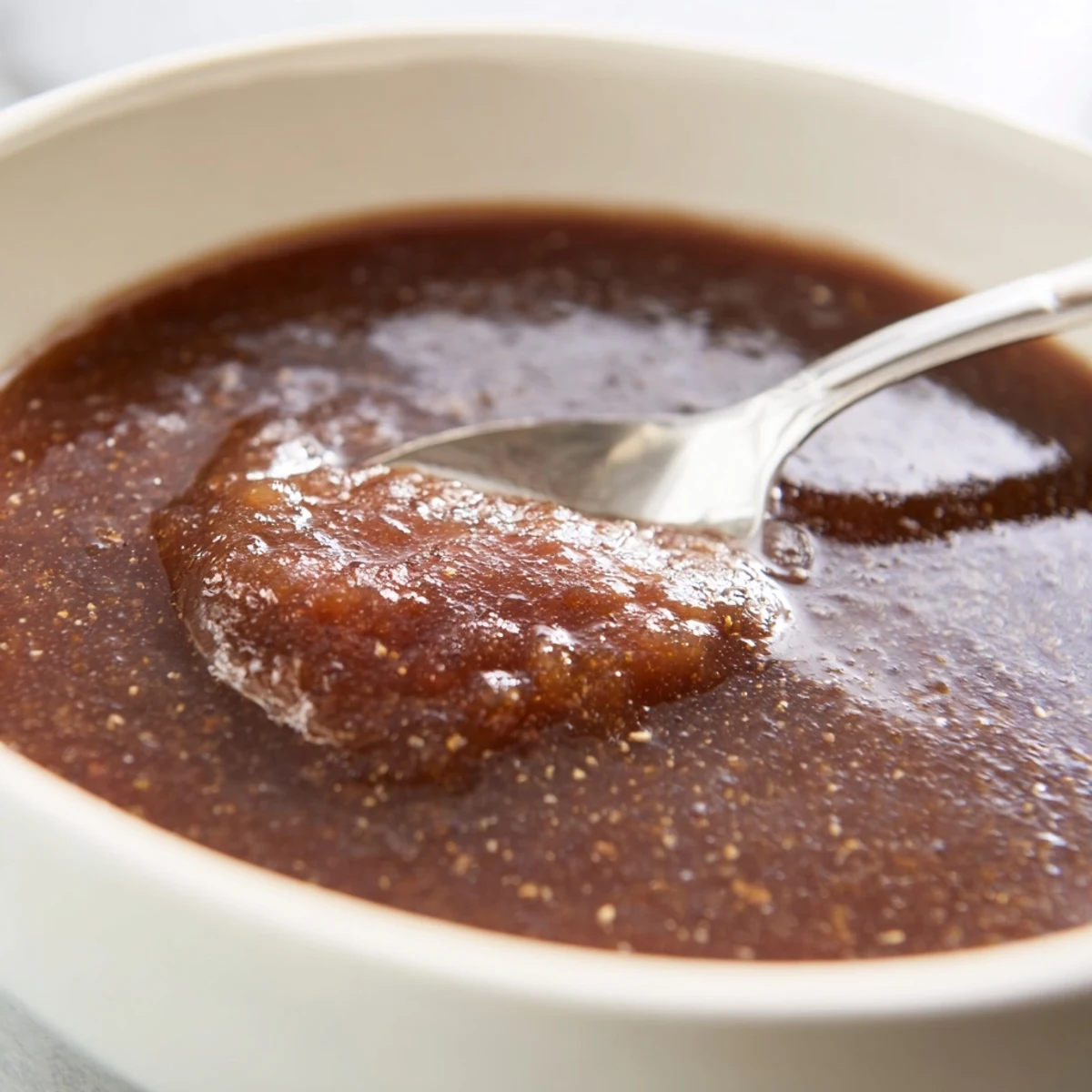
 This smooth apple spread is made by cooking peeled, chopped apples with sugars and apple cider, then pureeing until silky. A blend of cinnamon, cloves, allspice, nutmeg, and lemon juice is stirred in before simmering over low heat until thickened and richly browned. Perfect for enhancing toast, pancakes, or yogurt, it combines sweet fruitiness with warm, aromatic spices for a comforting spread.
There's something about autumn afternoons that makes me want to fill the house with the smell of spiced apples. I started making apple butter years ago when I bought far too many apples at a farmers market and needed a way to use them before they went soft. What began as a practical solution turned into something I now make every fall, the kind of project where the whole kitchen smells like cinnamon and cloves for hours afterward.
I remember spreading this on toast one quiet Sunday morning and my partner asking what smelled so good. That small moment—when something simple you made becomes part of someone else's favorite morning—is exactly why I keep making it. Now it's the first thing people ask for when they know I've been cooking.
Ingredients
- Apples (3 lbs): Use a mix of sweet and tart varieties like Gala, Fuji, or Honeycrisp; they break down beautifully and give depth to the finished butter.
- Granulated sugar (1 cup) and light brown sugar (1/2 cup): The combination balances sweetness with a subtle molasses note that adds richness.
- Apple cider or water (1/2 cup): This helps the apples release their liquid early on and prevents sticking while they cook.
- Ground cinnamon (1 1/2 tsp), cloves (1/2 tsp), allspice (1/2 tsp), and nutmeg (1/4 tsp): These spices are what make it feel special; don't skip the cloves, as their warmth is the heart of this recipe.
- Salt (1/2 tsp): A pinch makes all the spices sing without tasting salty.
- Fresh lemon juice (1 tbsp): This brightens everything and prevents the butter from tasting flat.
Instructions
- Combine and start cooking:
- Add your chopped apples, both sugars, and the apple cider to a large heavy-bottomed pot and give it a good stir. The mixture will look loose at first, but trust that the apples will release their own liquid as they warm.
- Soften the apples:
- Cook over medium heat, stirring now and then, until the apples completely break down and become soft and mushy—this usually takes 20 to 30 minutes. You'll know they're ready when you can easily mash them with a spoon.
- Blend to silky smoothness:
- Remove from heat and use an immersion blender to puree everything until it's completely smooth, working in batches if needed. The texture should feel almost velvety.
- Add the spices:
- Return the puree to the pot and stir in the cinnamon, cloves, allspice, nutmeg, salt, and lemon juice. Give it a taste and adjust to your preference.
- Simmer slowly until thick:
- Lower the heat and let the apple butter simmer uncovered, stirring often so nothing sticks to the bottom, for about 1.5 hours. This is where the magic happens—the mixture will deepen in color and concentrate in flavor.
- Test for doneness:
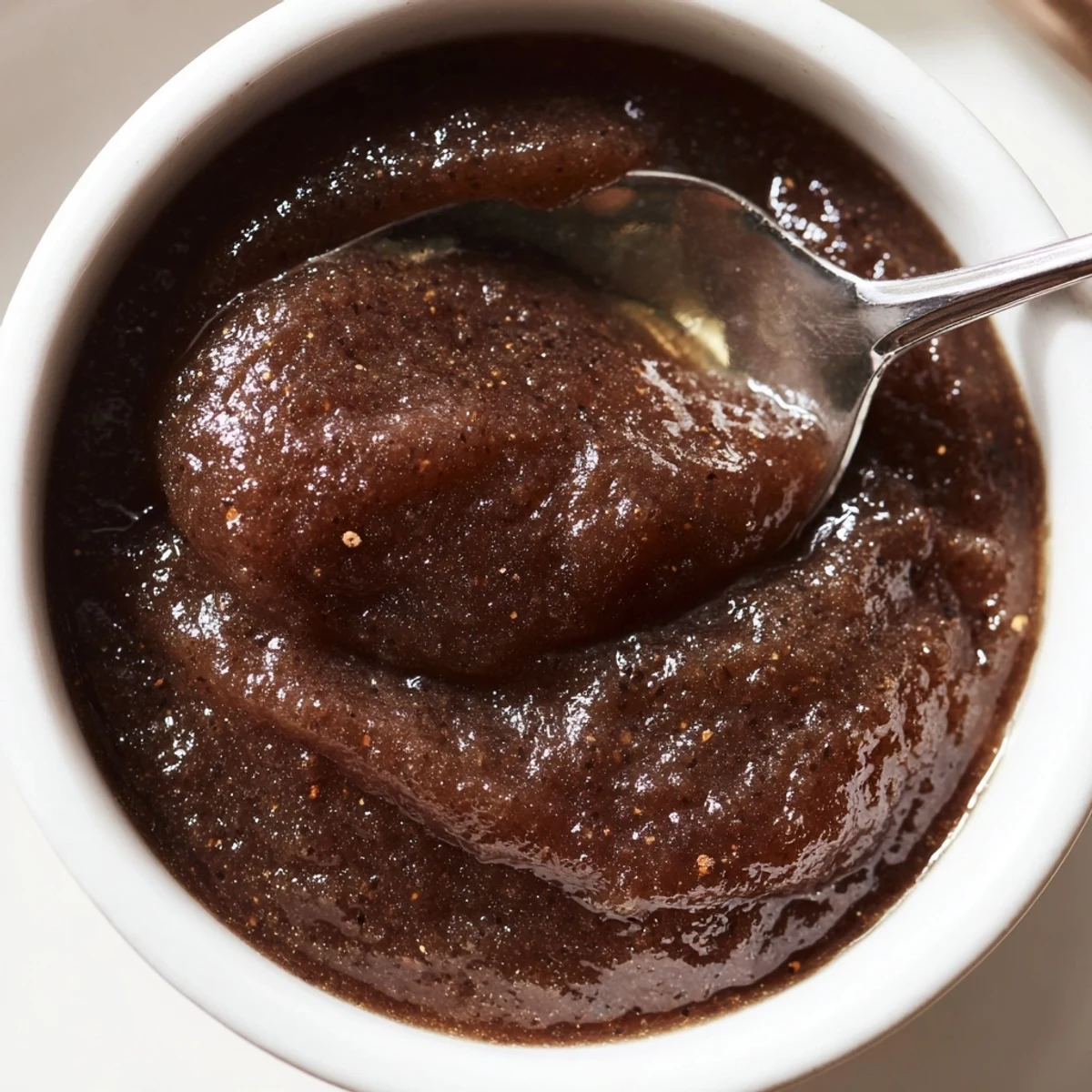
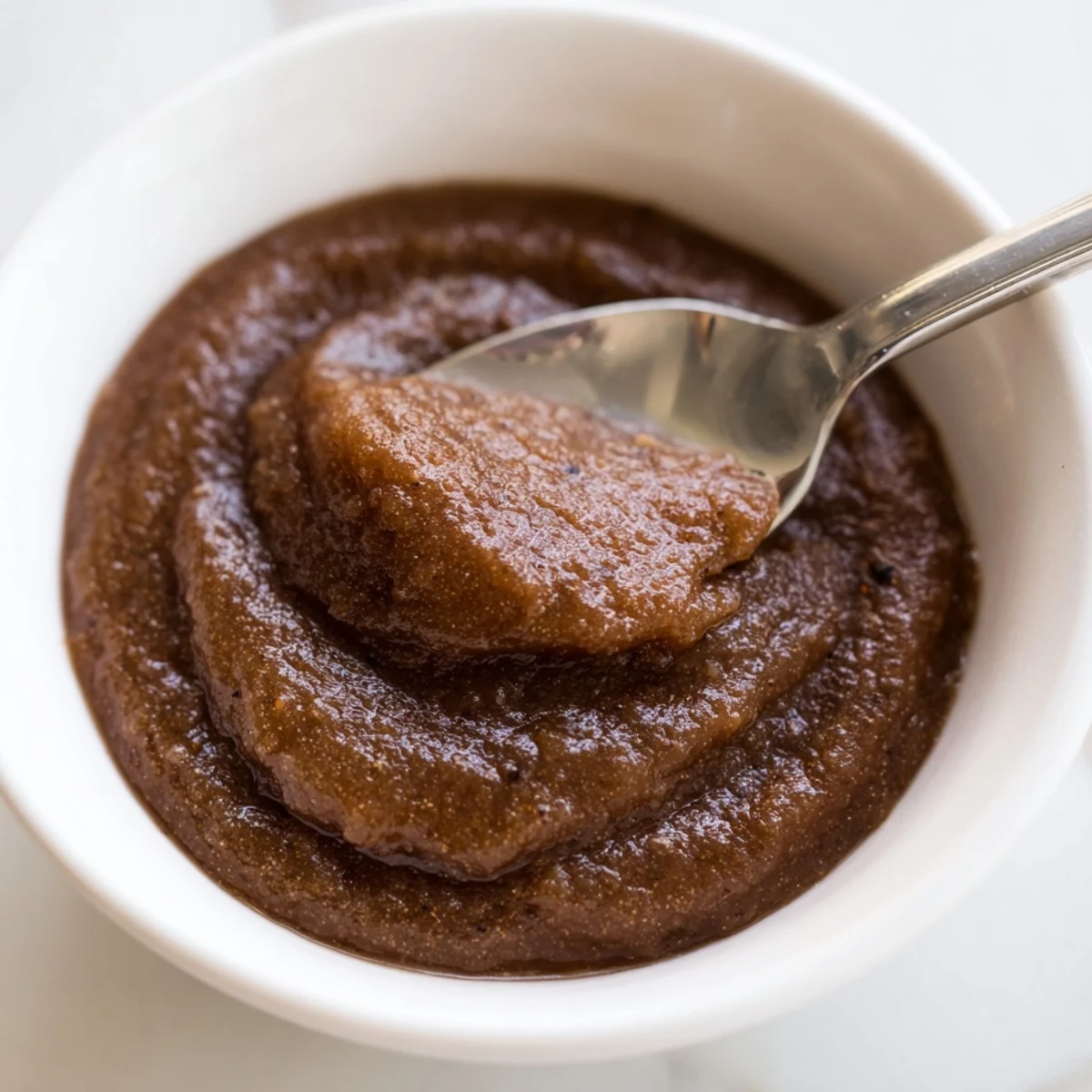
- The butter is ready when a spoonful mounds up and doesn't run off easily. If you're unsure, place a small amount on a plate and let it cool—it should hold its shape.
- Jar and store:
- Let it cool for a few minutes, then transfer to sterilized jars. Refrigerate for up to three weeks or process in a water bath for longer storage.
 Save to Pinterest
 There was a moment last winter when a friend brought a jar of store-bought apple butter to dinner, and I realized mine tasted nothing like it. Mine had real spice, real apple, real warmth—the kind of thing that makes you feel like someone cared enough to spend hours at the stove. That's when I understood this recipe was never just about preservation; it was about showing up.
What Makes This Recipe Special
Most apple butter recipes rely on time and heat to develop flavor, but this one uses both warmth and spice to create something more complex. The cloves and allspice aren't just background notes—they're the whole point, the thing that makes people ask what that intoxicating smell is as soon as they walk in. The long, slow simmer might feel tedious, but it's what turns raw apples into something silky and concentrated that tastes like it took real skill to make.
When to Make This and How to Serve It
Apple butter is a fall and winter kitchen project that fills your whole home with comfort. Make it when you have an afternoon to yourself, when the weather turns cool and you want the house warm. Spread it thick on toasted bread, swirl it into plain yogurt for a quick breakfast, or stir a spoonful into oatmeal for depth and sweetness.
Variations and Extra Ideas
The base recipe is perfect as it is, but there's room to play. Try adding a split vanilla bean for subtle richness, or reduce the cloves slightly if you prefer a gentler spice profile. Some people add a splash of bourbon or rum near the end, which adds a sophisticated note without tasting boozy. If you want something different, you could experiment with cardamom or a tiny pinch of cayenne for heat.
- Split a vanilla bean and add it during the spice step for extra depth and warmth.
- For a richer version, stir in a tablespoon of butter just before jarring.
- Always taste before jarring and adjust sweetness or spice to match your preference.
 Save to Pinterest
 Apple butter is the kind of recipe that rewards patience with something truly special. Make it once and you'll understand why people get excited about it every autumn.
Recipe Questions & Answers
- → What type of apples work best for this spread?
-
Firm, sweet-tart apples like Gala, Fuji, or Honeycrisp provide the ideal balance of sweetness and flavor when cooked down into the spread.
- → Can I substitute apple cider with another liquid?
-
Yes, water can be used as a substitute, but apple cider adds a subtle tang that enhances the overall depth of flavor.
- → How can I tell when the spread has thickened enough?
-
The spread should mound up on a spoon and not run off easily, indicating a thick, spreadable consistency.
- → Is it possible to add other spices or flavors?
-
Yes, adding a split vanilla bean during cooking can add depth, while adjusting spices like cinnamon or nutmeg tailors the warmth to your preference.
- → What’s the best way to store the finished spread?
-
Store in sterilized jars in the refrigerator for up to three weeks or process in a water bath for longer preservation. It also freezes well in airtight containers for up to six months.
- → Is this spread suitable for special diets?
-
Yes, it is vegan, gluten-free, and contains no common allergens, making it accessible for many dietary needs.
