
 Save to Pinterest
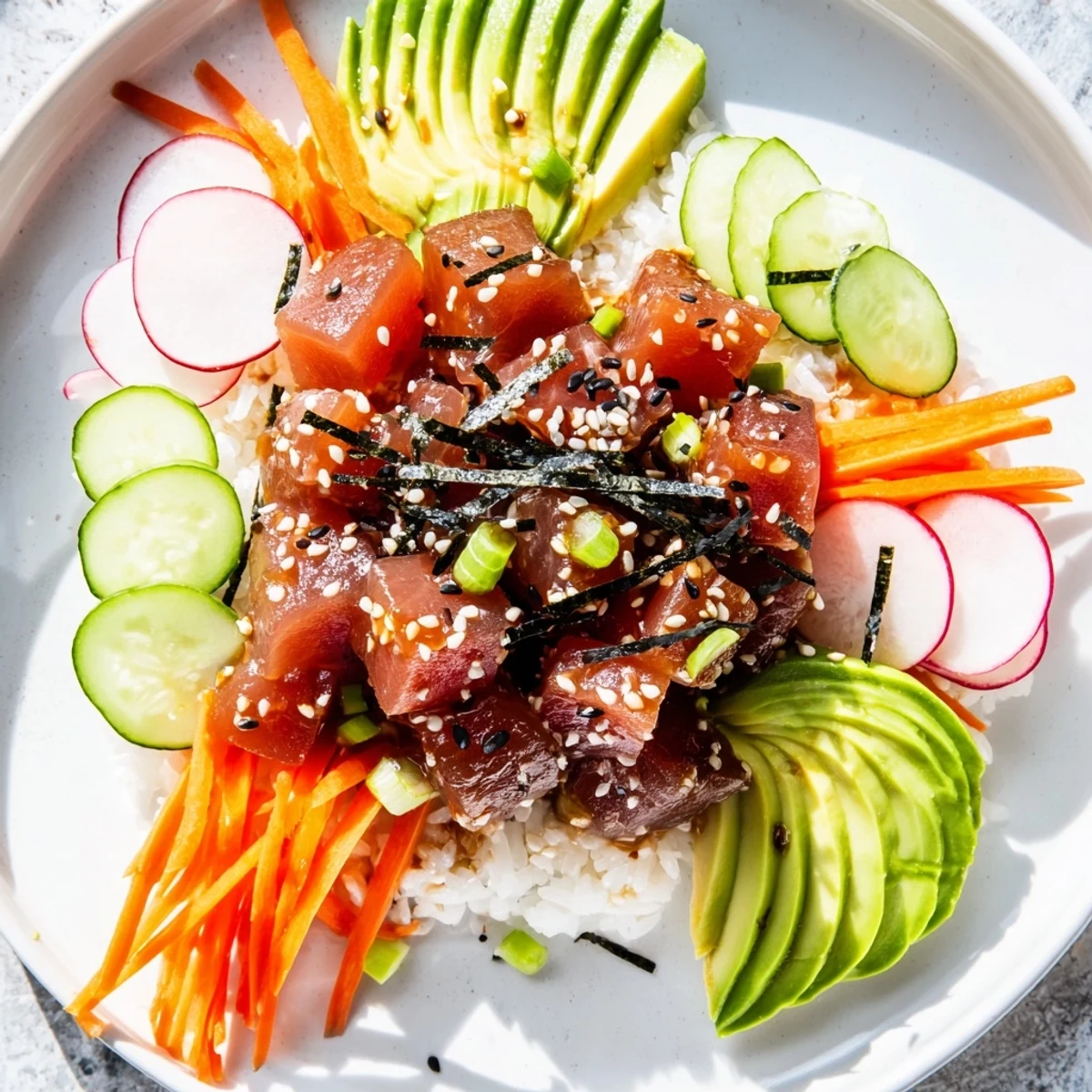
 This Hawaiian-inspired bowl combines tender cubes of spicy marinated tuna with creamy avocado slices and a variety of crisp vegetables. Flavored sushi rice serves as the base, lightly seasoned for balance. The spicy marinade blends soy, sesame oil, sriracha, and subtle touches of honey and ginger for a fresh, zesty finish. Garnishes like nori strips, toasted sesame seeds, and optional chili slices add layers of texture and flavor. Quick to prepare, this dish suits healthy, flavorful meals any day.
The first time I had a proper poke bowl was at this tiny hole-in-the-wall spot in Honolulu where the owner's grandmother was behind the counter chopping tuna with weathered hands and laughing at my pronunciation. I watched her combine cubes of fresh fish with what seemed like an intuitive mix of sauces, no measuring cups in sight, just decades of muscle memory and taste. Now every time I make this at home, I'm transported back to that humid afternoon, the sound of waves crashing nearby, and the realization that the best food often comes from the simplest preparations. This recipe is my attempt to capture that effortless perfection in a home kitchen, where you don't need ocean views to taste paradise.
Last summer I made these bowls for a group of skeptical friends who swore they didn't like raw fish. I started them with just a tiny taste of the spicy tuna, watching their expressions shift from hesitant to wide-eyed delight as the flavors hit. By the end of dinner, they were asking for the recipe and talking about hosting their own poke nights. There's something incredibly satisfying about watching people discover that food they thought wasn't for them can become a new favorite.
Ingredients
- Sushi-grade tuna (400g/14oz): This is absolutely worth the extra trip to a quality fish market or specialty grocery store. The difference between sushi-grade and regular tuna is night and day, and since this dish is all about that fresh, clean taste of the fish, don't compromise here.
- Soy sauce (2 tbsp): Use a good quality soy sauce, preferably Japanese-style for that authentic umami depth. If you need this to be gluten-free, tamari works perfectly without sacrificing flavor.
- Sesame oil (1 tbsp): Toasted sesame oil gives you that irresistible nutty aroma and depth. A little goes a long way, so don't be tempted to add more.
- Sriracha or chili sauce (1 tbsp): This is your heat element. Start with one tablespoon if you're sensitive to spice, but know that the mayonnaise and honey help balance it out beautifully.
- Japanese mayonnaise (1 tbsp): Kewpie mayonnaise has a richer, eggier flavor than Western mayo and really makes a difference in the marinade. If you can't find it, regular mayo works in a pinch.
- Rice vinegar (2 tbsp for rice, 1 tsp for marinade): This gentle acid is essential for both seasoning the rice and balancing the spicy tuna. Don't swap it for other vinegars.
- Honey or maple syrup (1 tsp): Just a touch of sweetness to round out the heat and salty elements. The tuna doesn't taste sweet, it just tastes balanced.
- Fresh garlic and ginger (1 clove and 1 tsp): Fresh is absolutely non-negotiable here. Powdered versions will make the marinade taste flat and dusty.
- Sushi rice (2 cups): Short-grain sushi rice becomes sticky and tender when cooked, which is exactly what you want for a poke bowl. Long-grain rice won't hold together the same way.
- Avocados (2 ripe): The creaminess against the spicy tuna and crisp vegetables is what makes every bite feel complete. Choose avocados that yield slightly to gentle pressure.
- Cucumber, carrots, and radishes: These provide that essential crunch and freshness. Slice them thinly so they don't overpower the delicate tuna.
- Toasted sesame seeds (2 tbsp): These add little pockets of nutty flavor and gorgeous texture contrast. I use a mix of black and white because it looks stunning.
Instructions
- Cook the sushi rice:
- Rinse the rice under cold water until the water runs clear, about 3-4 minutes. This removes excess starch so your rice won't become gummy. Combine rice and 2 1/2 cups water in a saucepan, bring to a boil, then cover, reduce heat to low, and simmer for 18-20 minutes until water is absorbed. Remove from heat and let it stand, covered, for 10 minutes to finish steaming.
- Season the rice:
- While the rice is still warm, mix rice vinegar, sugar, and salt in a small bowl until dissolved. Gently fold this seasoning into the cooked rice using a rice paddle or wooden spoon, being careful not to mash the grains. Let the rice cool to room temperature before assembling your bowls.
- Make the spicy tuna marinade:
- In a medium bowl, whisk together soy sauce, sesame oil, sriracha, mayonnaise, rice vinegar, honey, minced garlic, and grated ginger until smooth. Taste and adjust the heat level if needed, remembering that the flavors will mellow slightly when chilled.
- Marinate the tuna:
- Add the diced tuna to the bowl and gently fold to coat every cube without breaking up the fish. Refrigerate for at least 10 minutes, but no longer than 30 minutes or the citrus and salt will start to cook the tuna too much.
- Prep all your toppings:
- Slice the avocados, cucumber, carrots, and radishes while the tuna marinates. I like using a vegetable peeler for the cucumber and carrots to get those restaurant-thin ribbons. Slice the scallions on a diagonal for a pretty finish.
- Assemble your bowls:
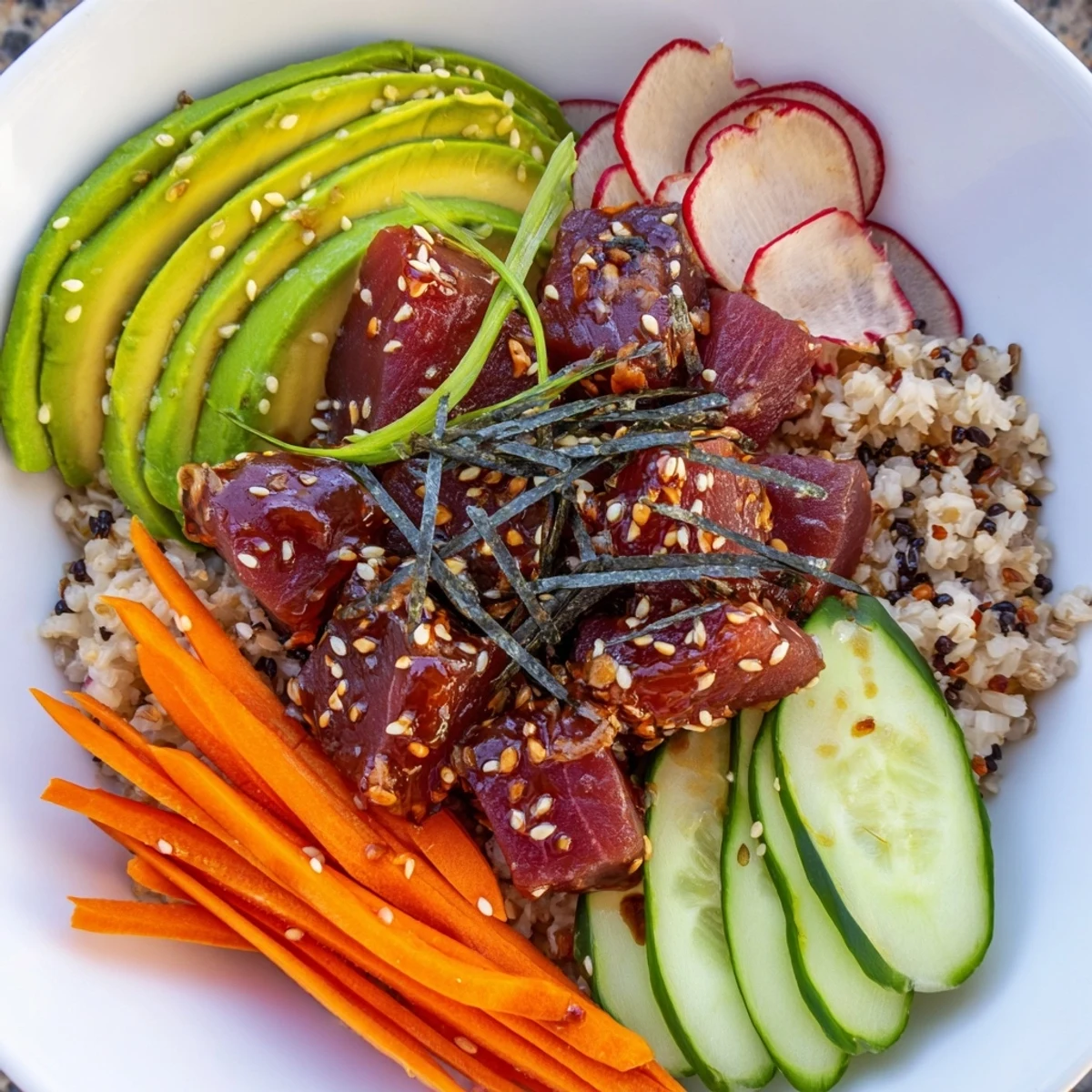
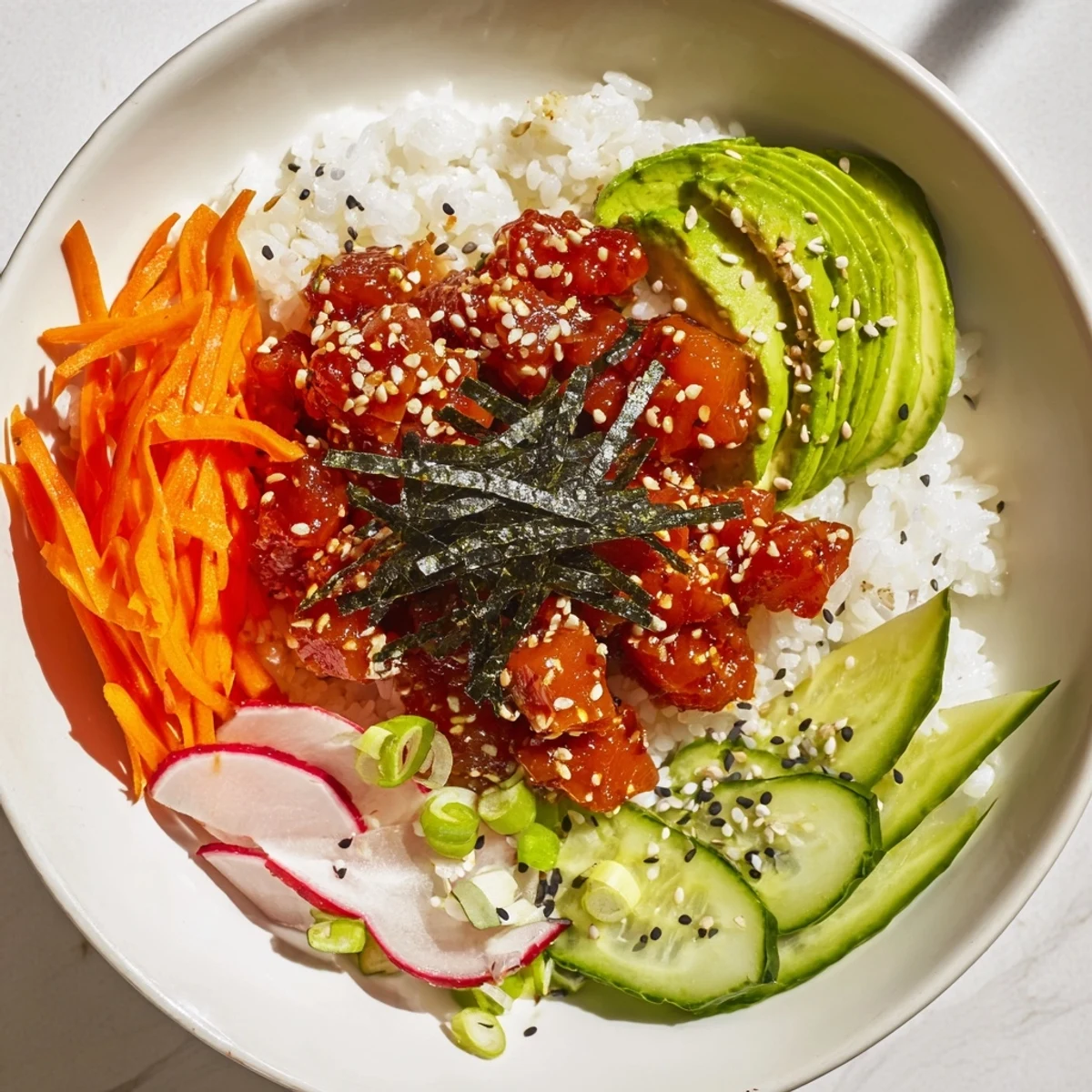
- Divide the cooled seasoned rice among 4 bowls. Arrange the marinated tuna on one side and fan out the avocado, cucumber, carrots, radishes, and scallions in sections around the bowl. Sprinkle generously with sesame seeds and nori strips, then add any optional toppings you like.
 Save to Pinterest
 These poke bowls have become my go-to for summer evenings when I want something that feels light and refreshing but still satisfying. I love how the process is almost meditative, all that mindful chopping and arranging, and then the moment when everything comes together. It's food that nourishes you body and soul.
Making It Your Own
Once you've got the basic formula down, this recipe becomes a canvas for whatever sounds good. I've swapped in mango during peak summer, added edamame for extra protein, and even made a version with pan-seared tuna for friends who weren't ready for completely raw fish. The key is keeping those core elements, the seasoned rice, the balanced marinade, and the mix of creamy and crunchy toppings.
The Art of Assembly
There's something satisfying about arranging all those colorful toppings in sections around the bowl, like you're creating your own little edible masterpiece. I always think about color contrast, placing the bright orange tuna next to creamy green avocado and crisp radishes. It's not just about looks though, having everything in sections lets you customize every single bite.
Make-Ahead Strategies
The beauty of this recipe is how much you can prepare in advance without sacrificing quality. I'll often cook and season the rice the night before and store it in an airtight container in the refrigerator. The vegetables can all be sliced and kept separate, each in their own little container with a damp paper towel. Even the spicy tuna marinade can be mixed ahead of time, just don't combine it with the fish until about 20 minutes before serving.
- Keep the tuna separate from any acidic ingredients until just before serving to prevent it from becoming too firm.
- Store your toppings in separate containers so everything stays crisp and doesn't get soggy.
- Let refrigerated rice come to room temperature for about 15 minutes before assembling, as cold rice can be quite hard and less pleasant to eat.
 Save to Pinterest
 There's something joyful about building your own poke bowl, choosing a little bit of everything for each perfect bite. It's the kind of meal that makes even a regular Tuesday evening feel like a tiny vacation.
Recipe Questions & Answers
- → How should the tuna be prepared for best flavor?
-
Use sushi-grade tuna diced into cubes and marinate it at least 10 minutes in a spicy soy-based mixture to infuse flavor while keeping the texture tender.
- → What type of rice is ideal for this bowl?
-
Sushi rice is preferred for its sticky, fluffy texture, perfectly seasoned with rice vinegar, sugar, and salt to complement the tuna and toppings.
- → Can the spice level be adjusted?
-
Yes, modify the amount of sriracha or substitute with gochujang for a different heat profile according to your preference.
- → What are some good topping alternatives?
-
Try adding edamame, mango chunks, or seaweed salad to introduce more texture and fresh flavors.
- → What utensils are recommended for assembling this bowl?
-
A sharp knife for dicing and slicing, a saucepan for cooking rice, and mixing bowls for marinating and preparing ingredients streamline the process.
