
 Save to Pinterest
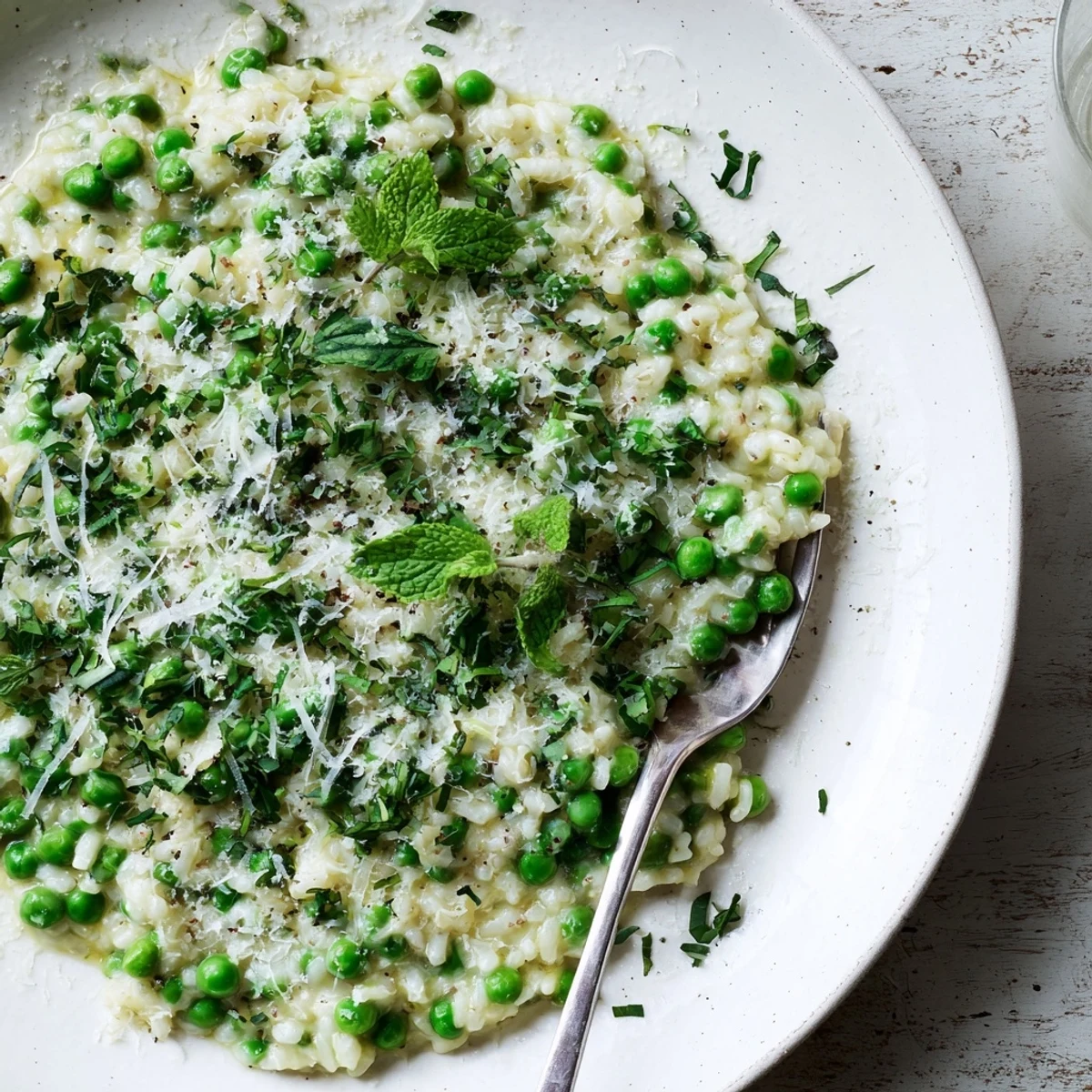
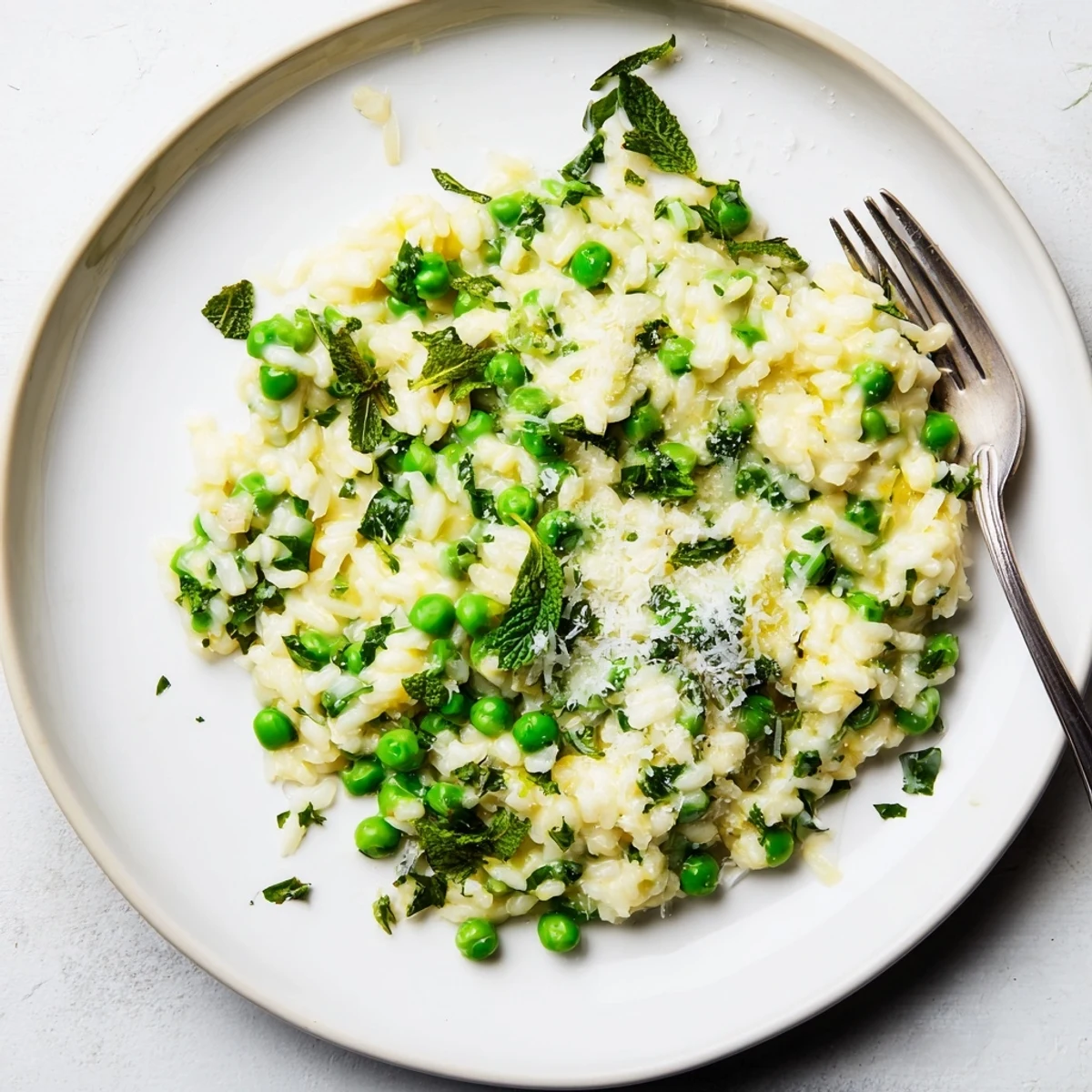
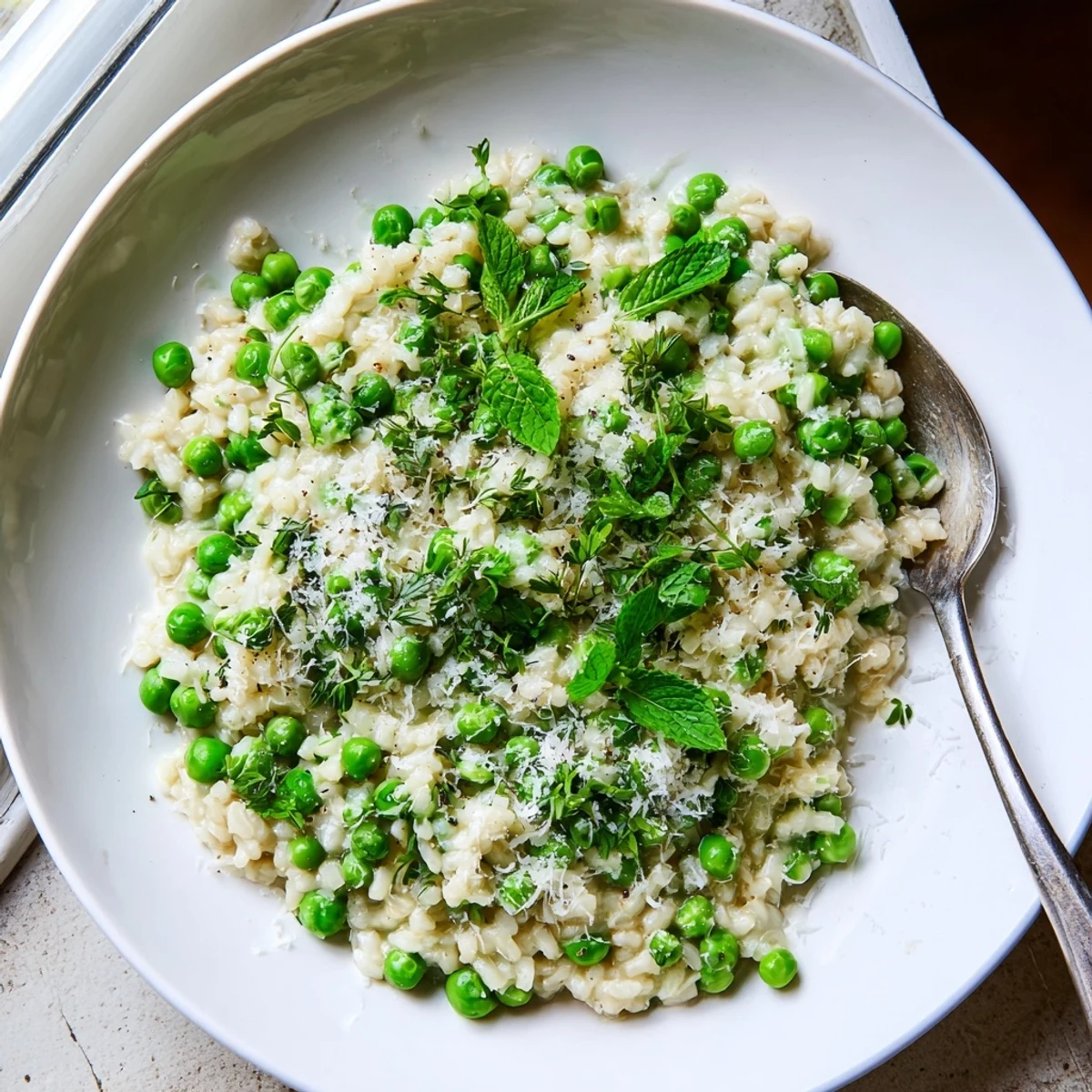
 This vibrant Italian dish transforms Arborio rice into a luxuriously creamy texture through the traditional gradual broth addition method. Sweet spring peas bring fresh color and subtle sweetness, while fresh parsley and mint add bright herbal notes that complement the richness. Parmesan cheese creates depth and umami, with optional lemon zest providing a bright finishing touch. The technique requires attentive stirring for about 20 minutes, resulting in perfectly al dente grains suspended in a velvety sauce. Perfect for showcasing seasonal produce, this dish balances lightness with satisfying comfort.
Last April, during that impossibly long week when my kitchen became the only room that felt like sanity, I made this risotto three times. Something about the rhythm of stirring broth into rice, watching those brilliant green peas bob to the surface, felt meditative. My roommate kept wandering in, drawn by the smell of onions and wine, asking if it was ready yet. Eventually I stopped waiting for dinner time and just ate it standing at the counter.
My friend Sarah claimed she hated risotto until she tried this one at my spring dinner party. She kept eyeing the pot suspiciously, muttering about gluey rice incidents from her past, until I practically forced a spoonful into her hand. Later I found her scraping the serving bowl for seconds, admitting maybe she had just been eating bad risotto her whole life. Now she texts me every April asking if it is pea season yet.
Ingredients
- Arborio rice: This short grain rice releases starch slowly, creating that signature creamy texture without needing heavy cream
- Spring peas: Fresh peas pop with sweetness, though frozen work beautifully if you are cooking outside pea season
- Vegetable broth: Keeping it warm prevents shocking the rice, which would make the texture uneven and cooking time unpredictable
- White wine: Dry wine adds acid that cuts through the richness, balancing each bite
- Onion and garlic: These aromatics build the foundation of flavor, so do not rush their sauté
- Fresh herbs: Parsley brings earthiness while mint adds a surprising brightness that makes everything taste more alive
- Butter and Parmesan: The finishing fat and salt round out the dish, transforming it from simple rice into something luxurious
Instructions
- Warm the broth:
- Pour the vegetable broth into a medium saucepan and bring it to a gentle simmer, then reduce the heat to low and keep it warm while you cook the rice
- Sauté the aromatics:
- In a large heavy bottomed skillet, heat the olive oil and 1 tablespoon butter over medium heat, then add the chopped onion and cook for 2 to 3 minutes until it turns translucent and soft
- Add the garlic:
- Stir in the minced garlic and cook for just 1 minute until fragrant, taking care not to let it brown or it will turn bitter
- Toast the rice:
- Add the Arborio rice to the pan and stir constantly for 2 minutes, allowing the grains to warm through and develop a slightly nutty aroma
- Deglaze with wine:
- Pour in the white wine and keep stirring until it is nearly completely absorbed by the rice
- Add broth gradually:
- Add a ladleful of warm broth to the rice, stirring gently and waiting until the liquid is almost absorbed before adding another ladleful, continuing this process for 18 to 20 minutes
- Add the peas:
- When about 5 minutes of cooking remain, stir in the peas so they cook through but stay bright and tender
- Finish the risotto:
- Once the rice is creamy and al dente, remove from heat and stir in the remaining butter, Parmesan, parsley, mint, and lemon zest until melted and combined
- Season and serve:
- Taste and add salt and pepper as needed, then serve immediately with extra Parmesan and fresh herbs on top
 Save to Pinterest
 This recipe has become my go to when I need to feed people who insist they are not hungry. Something about the gentle process, the ladling and stirring, makes everyone gather around the stove anyway. Last month my neighbor smelled the onions cooking through our shared wall and showed up with a bottle of wine, exactly the kind of spontaneous moment that makes cooking worth it.
Getting The Texture Right
The rice should flow like lava when you tilt the pan, neither swimming in liquid nor stiff and clumpy. I learned this the hard way after years of either undercooking the grains into crunchy disappointment or reducing them into a gluey mess. When you taste a grain, it should offer the slightest resistance at the center, like a perfectly cooked pasta.
Wine Selection
Use a wine you would actually drink, since the flavor concentrates as the alcohol cooks off. I have used everything from Sauvignon Blanc to Pinot Grigio with excellent results, but avoid anything too oaky or sweet. If you do not cook with alcohol, extra broth works just fine, though you lose that subtle brightness.
Make Ahead Strategy
You can prep everything in advance, chopping the herbs and measuring the broth into a liquid measuring cup for easy pouring. The actual cooking requires your full attention, so having everything ready means you can focus entirely on the rhythm of adding liquid and stirring. I have found this meditative quality is actually the best part of making risotto.
- Warm your serving bowls in the oven so the risotto stays hot longer at the table
- Grate extra Parmesan before you start cooking because you will not have free hands later
- Leftovers reheat surprisingly well with a splash of broth and gentle stirring
 Save to Pinterest
 Risotto has taught me that some of the best things in life require patience and attention, standing at the stove and watching something transform under your care. Enjoy every spoonful.
Recipe Questions & Answers
- → What makes risotto creamy?
-
The creaminess comes from Arborio rice's high starch content, which releases gradually as you stir in warm broth ladle by ladle. This constant agitation creates a luxurious, velvety texture without adding heavy cream.
- → Can I use frozen peas instead of fresh?
-
Absolutely. Frozen peas work beautifully in this dish. Add them during the last 5 minutes of cooking so they heat through and become tender without becoming mushy.
- → Why must the broth be warm?
-
Adding warm broth maintains the cooking temperature of the rice. Cold liquid would shock the grains, interrupting the starch release and resulting in unevenly cooked, crunchy rice.
- → Can I make this dairy-free?
-
Yes. Substitute butter with olive oil or vegan butter, and replace Parmesan with nutritional yeast or a plant-based cheese alternative. The result will still be creamy and satisfying.
- → How do I know when risotto is done?
-
Taste the rice—it should be al dente, meaning tender but with a slight bite at the center. The texture should be flowing and creamy, not stiff or dry.
- → What wine works best?
-
A dry white wine like Pinot Grigio or Sauvignon Blanc provides acidity to balance the richness. Use something you'd enjoy drinking, as the flavor concentrates during cooking.
