
 Save to Pinterest
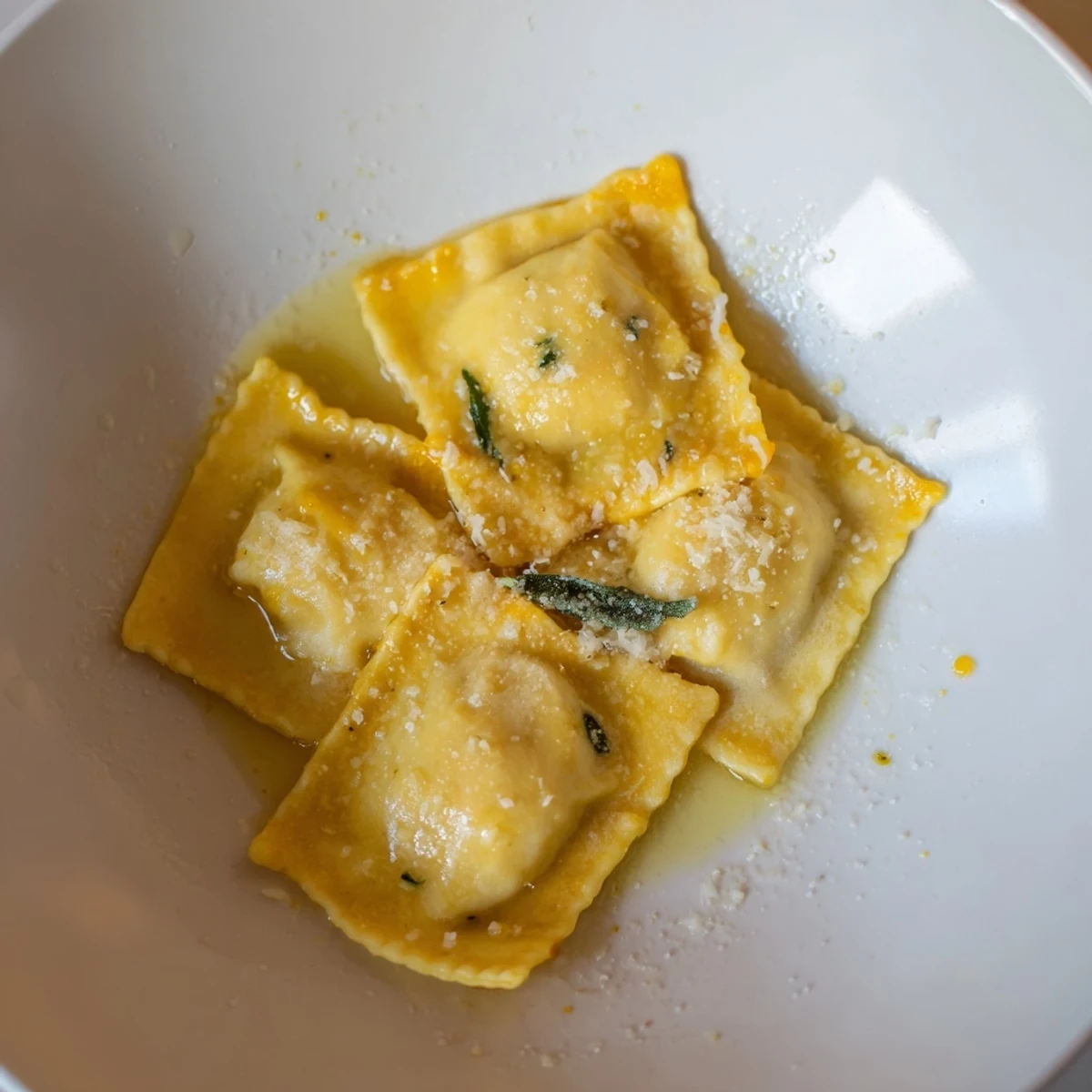
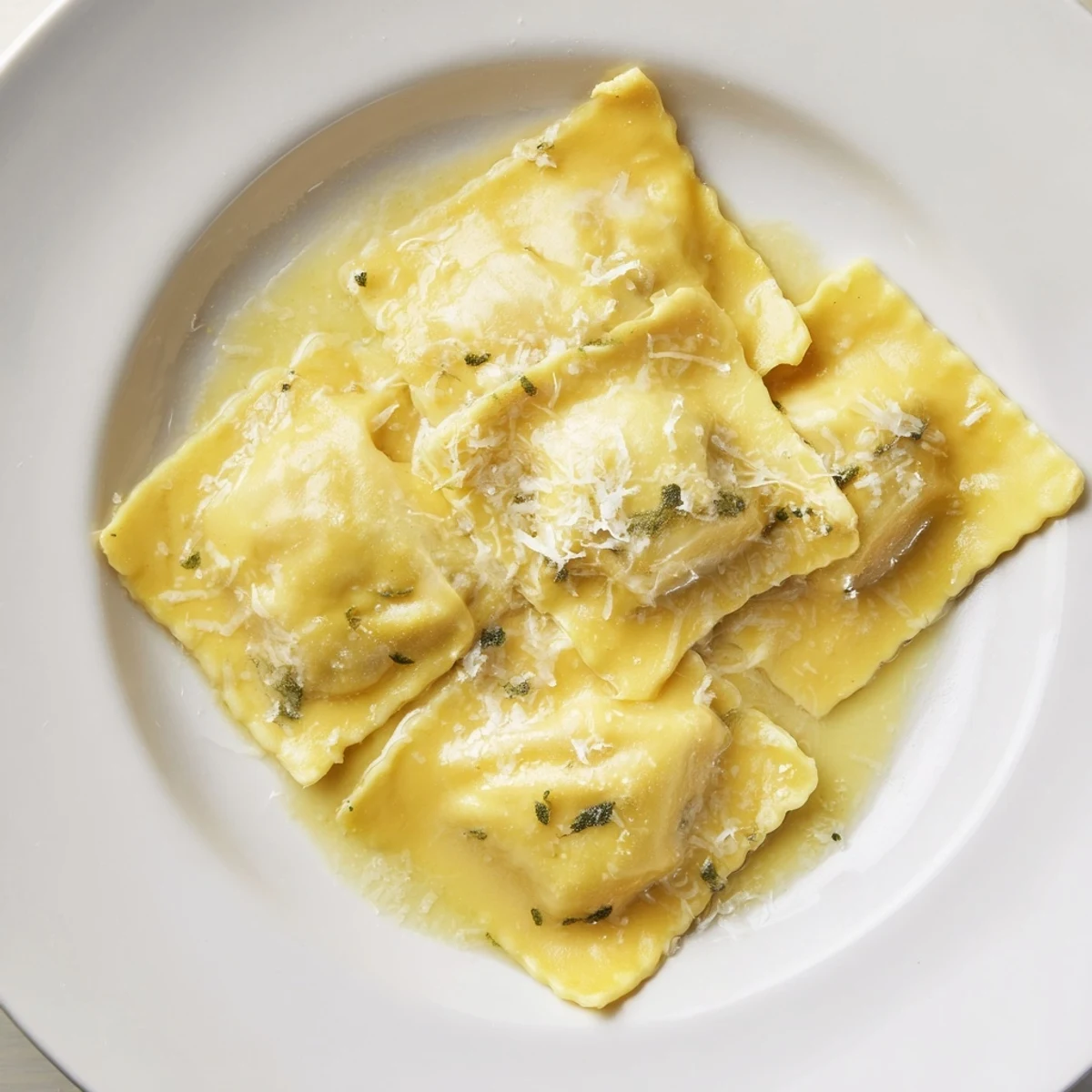
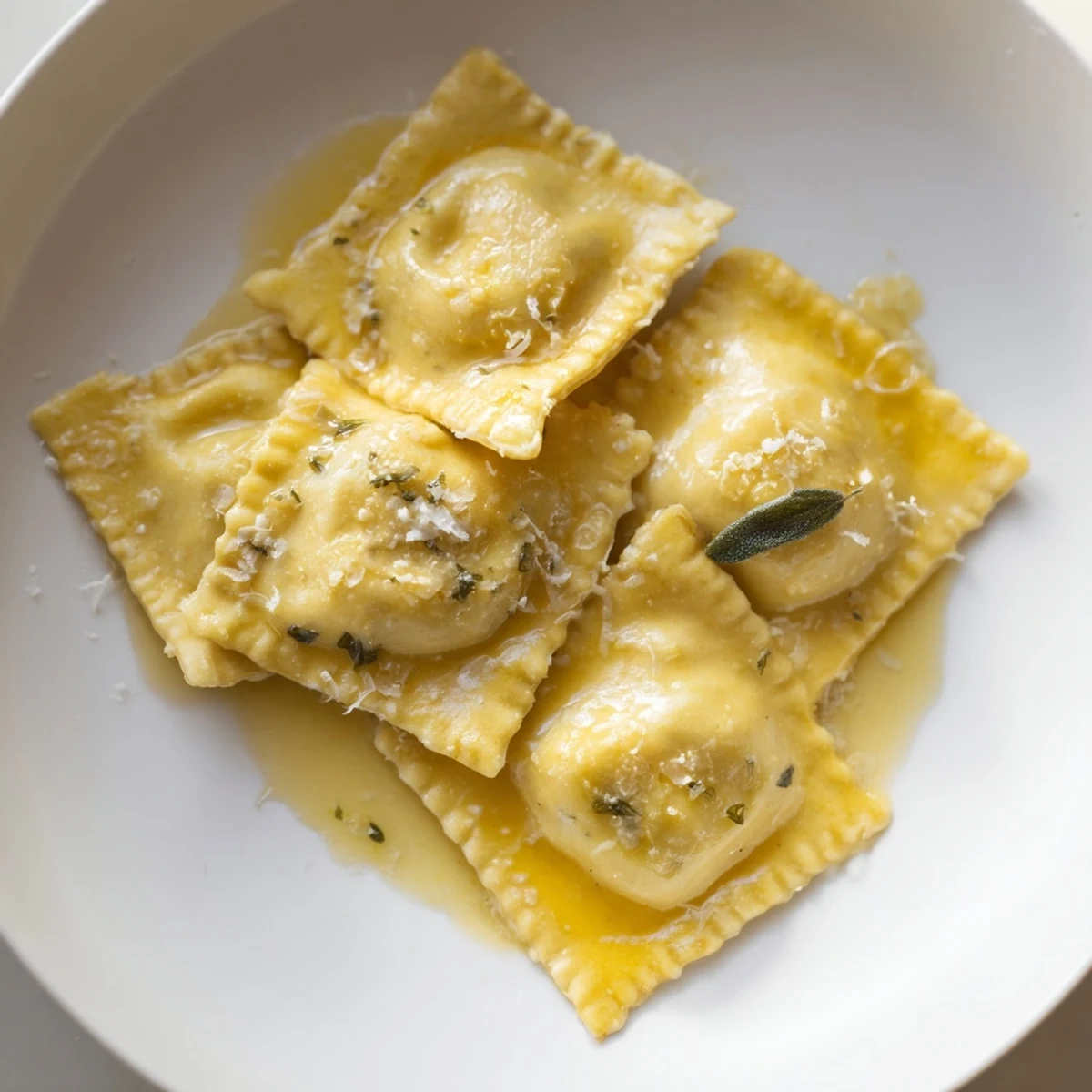
 This dish features tender sheets of handmade pasta encasing a smooth blend of roasted butternut squash and creamy ricotta, accented with Parmesan and subtle spices. The ravioli are gently cooked until tender, then finished with a fragrant brown butter sauce infused with fresh sage, creating a harmonious blend of sweetness and savoriness. Perfect for a comforting main course, it pairs well with crisp white wine and offers a delightful balance of textures and flavors.
I remember the first time I made ravioli from scratch—it was a rainy Sunday afternoon when my grandmother called to share her favorite filling. She described the way roasted butternut squash becomes almost silky when you puree it, and how a whisper of nutmeg transforms simple vegetables into something elegant. I hung up the phone determined to recreate that magic in my own kitchen. Now, years later, when I fold those delicate pasta pillows and watch them bob to the surface of boiling water, I'm transported back to that moment of discovery.
I'll never forget the first dinner party where I served these ravioli. My friend Sarah watched them float up in the pot, then tasted one and her eyes went wide. She said, 'You made these?' in that tone of disbelief that somehow felt like the highest compliment. From that night on, homemade ravioli became my signature dish—the one people request, the one that transforms an ordinary evening into something memorable.
Ingredients
- All-purpose flour (2 cups): This forms the foundation of your pasta dough. The gluten network you develop through kneading gives your ravioli structure and that tender bite. Don't skip this ingredient—it's what makes homemade pasta worth the effort.
- Eggs (3 large): The binding agent that brings your dough together. Room temperature eggs mix more smoothly into the flour, so let them sit out for a few minutes if you remember.
- Salt (for dough, 1/2 tsp): Enhances flavor and strengthens the gluten network. This small amount is crucial for texture.
- Butternut squash (1 1/2 cups): The star of your filling. Roasting brings out its natural sweetness and creates a concentrated, almost caramel-like flavor that balanced with ricotta becomes pure comfort.
- Olive oil (1 tbsp): For roasting the squash—it encourages caramelization and adds richness to the filling.
- Ricotta cheese (1/2 cup): The creamy counterpoint to roasted squash. Fresh ricotta makes a difference here; if you can find it at an Italian market, grab it.
- Parmesan cheese (1/4 cup): Adds savory depth and a subtle sharpness that prevents the filling from being one-dimensional. Freshly grated is worth the effort.
- Black pepper (1/4 tsp): A grind of fresh pepper at this stage sets the foundation for all the spice notes to follow.
- Nutmeg (1/8 tsp): This is the secret whisper in the filling—use fresh ground if possible, and resist the urge to add more. It should intrigue, not announce itself.
- Unsalted butter (6 tbsp): Quality matters here since you're cooking it until it becomes golden and fragrant. This is where real butter transforms into liquid gold.
- Fresh sage leaves (8-10): The finishing touch that makes this dish sing. Sage and brown butter together are a classic pairing for good reason—they're meant for each other.
Instructions
- Roast your squash until it caramelizes:
- Preheat your oven to 400°F. Toss those butternut squash cubes with olive oil—don't be shy—and spread them on a baking sheet in a single layer. You want them to touch the hot pan so they can develop those golden-brown edges. Roast for 20 to 25 minutes, until they're so soft they collapse with a fork and the edges have turned a deep amber. This is where the magic happens. Let them cool just enough to handle.
- Create the silkiest filling:
- Put your roasted squash into a food processor and let it spin until completely smooth—this should take about a minute. The texture matters; you're after something that feels almost velvety on your tongue. Transfer it to a bowl and fold in the ricotta like you're being gentle with something precious. Add the Parmesan, salt, pepper, and that whisper of nutmeg. Taste it. Adjust. This filling is your ravioli's soul.
- Build your pasta dough from scratch:
- This is the part that feels like meditation. On a clean counter or large cutting board, mound your flour and create a well in the center—imagine you're making a volcano. Crack your eggs into the center, add salt, and with a fork, begin breaking the yolks and gradually pulling flour in from the walls. Once it's shaggy and difficult to work with a fork, use your hands. Knead for about 10 minutes until the dough becomes smooth, elastic, and beautiful. It should feel slightly less sticky than bread dough. Wrap it in plastic and let it rest for 30 minutes—this is non-negotiable, as it lets the gluten relax and makes rolling much easier.
- Roll your dough to paper-thin sheets:
- Divide your dough in half. Using a rolling pin (or pasta machine if you're blessed with one), roll each piece until it's almost translucent—about 1/16 inch thick. Dust with flour as you go. This requires patience. You're aiming for thin enough that you can almost see your hand through it, but strong enough that it doesn't tear.
- Fill and seal with intention:
- Place small mounds of squash filling (about a teaspoon each) on one dough sheet, spacing them about 2 inches apart in a grid. Using your fingers or a brush, paint water around each mound—this is the glue that seals your ravioli. Carefully lay the second sheet of dough on top and press firmly around each mound, working out any trapped air. This step determines whether your ravioli stay sealed during cooking or burst open, so take your time. Use a knife or ravioli cutter to cut them into squares.
- Cook until they float with grace:
- Bring a large pot of well-salted water to a gentle boil—this water should taste like the sea. Working in batches so they have room, drop in your ravioli. They'll sink at first, then after 3 to 4 minutes, they'll float to the surface like little treasures. That's when they're done. Remove them gently with a slotted spoon and transfer to a warm plate.
- Make the sage brown butter sauce:
- In a skillet over medium heat, melt your butter. Then comes the revelation: watch it carefully as it foams and the milk solids begin to brown. You'll smell something nutty, almost popcorn-like. Add your sage leaves and let them become fragrant and slightly crisp, about 2 to 3 minutes total. This takes less than five minutes but transforms everything.
- Serve with reverence:
- Divide your ravioli among warm bowls, drizzle generously with sage brown butter, and shower with fresh Parmesan. Serve immediately while everything is still warm.
 Save to Pinterest
 There's a moment, usually about halfway through a ravioli dinner, when someone goes quiet. That silence means they've stopped talking and started really tasting—appreciating the sweetness of the squash against the sharp bite of sage, the way homemade pasta feels completely different in your mouth. That moment of connection through something you've made with your own hands? That's when you understand why this recipe matters.
Why Homemade Ravioli Changes Everything
Store-bought ravioli are convenient, sure, but they can't compete with pasta you've rolled yourself. The thickness is different—it's thinner, more delicate. The filling tastes fresher because it arrived in your bowl minutes before it reached your plate. There's a confidence that comes from knowing exactly what went into your food. And honestly, the flavor is richer, more complex, more honest. Once you make ravioli from scratch, you understand why Italian grandmothers have been making them the same way for generations.
Variations Worth Exploring
While butternut squash is perfection, this recipe welcomes creativity. Acorn squash or pumpkin work beautifully if butternut isn't available—they're slightly drier and less sweet, so you might add a tablespoon more ricotta to compensate. A pinch of lemon zest in the filling adds brightness and prevents the whole thing from feeling heavy. Some cooks add a touch of fresh thyme or marjoram to the filling for earthiness. The sage brown butter is classic, but you could also try a simple garlic butter, a splash of white wine reduction, or even a light cream sauce if you want to shift the mood.
Making It Ahead and Serving Suggestions
Ravioli are surprisingly forgiving. You can assemble them hours ahead and keep them on a floured tray in the refrigerator, loosely covered. They'll actually cook better after resting—the dough becomes more set and less likely to split. You can also freeze them: arrange on a baking sheet until solid, then transfer to a freezer bag. They'll keep for a month and cook just the same from frozen, just add another minute or two to the cooking time. Pair them with a crisp white wine like Pinot Grigio or a light Vermentino—something that won't overshadow the delicate filling. Save any leftover ravioli without sauce; they're delicious cold the next day, maybe tossed with a little olive oil and fresh herbs.
- Assemble ravioli ahead and refrigerate for up to a day—they actually cook better slightly aged
- Freeze extras uncooked for quick meals throughout the month
- Pair with white wine to cut through the richness and complement the sage
 Save to Pinterest
 Every time I make these ravioli, I'm struck by how simple ingredients transform into something that tastes like celebration. That's the real magic—not fancy technique, but genuine ingredients treated with respect and a little patience.
Recipe Questions & Answers
- → How do I ensure the pasta dough is tender?
-
Knead the dough until smooth and elastic, then let it rest wrapped in plastic for at least 30 minutes to relax the gluten, which helps achieve a tender texture.
- → What types of squash work best for the filling?
-
Butternut squash is ideal for its sweetness and texture, but you can also use pumpkin or acorn squash for variation.
- → How can I prevent the ravioli from sticking together when cooking?
-
Cook in plenty of salted, gently boiling water and stir occasionally to keep the ravioli separated until they float to the surface.
- → What is the purpose of the sage in the sauce?
-
Sautéing fresh sage in brown butter infuses the sauce with a warm, earthy aroma that complements the sweetness of the squash.
- → Can I prepare the filling in advance?
-
Yes, the roasted squash filling can be made ahead and refrigerated to enhance flavors before assembling the pasta.
