
 Save to Pinterest
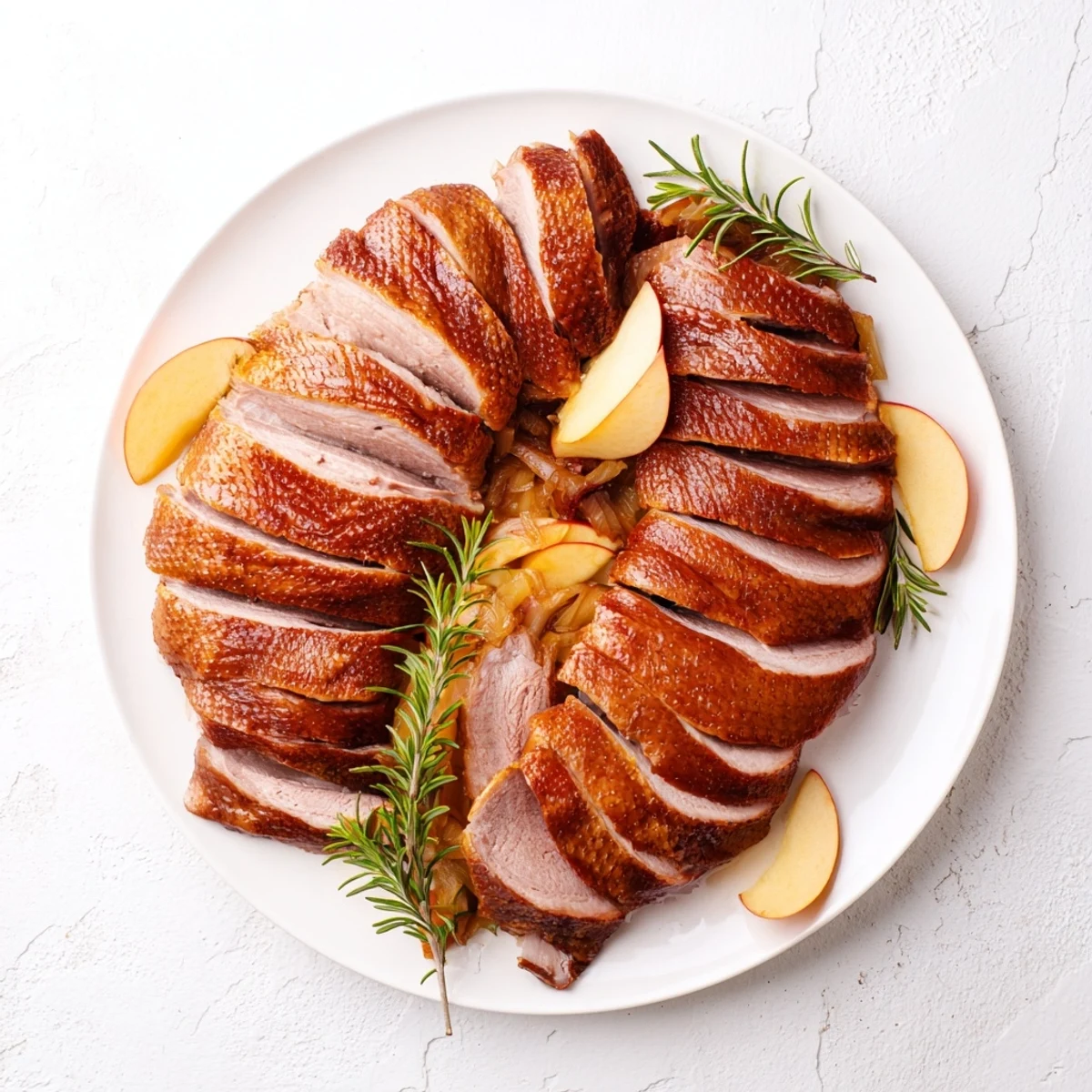
 This dish features a whole goose seasoned with salt and pepper, stuffed with apples, onion, rosemary, and thyme. It is roasted slowly until the skin crisps beautifully and the meat stays juicy and tender. Periodic basting with rendered fat enhances flavor and moisture. The pan juices create a rich gravy, made with wine and stock, optionally thickened to a luscious consistency. Perfect for festive feasts, this preparation brings out deep, savory notes complemented by traditional herbs and fruit stuffing.
My uncle's farmhouse in Bavaria had a massive brick oven that seemed to breathe warmth on winter afternoons, and one December he decided to roast a goose he'd been raising all year. I was maybe twelve, standing on a stool to peer over the counter as he seasoned the bird with quiet precision, explaining that goose fat was liquid gold in the kitchen. That roast—golden, crisp-skinned, impossibly tender—became the meal I chased for decades.
Years later, I made this for a dinner party on a snowy January night, terrified I'd somehow ruin it. When I pulled that bronze bird from the oven, the room went quiet—then someone started clapping. That's when I realized roasting a goose isn't about perfection; it's about bringing people to a table with something warm and generous.
Ingredients
- 1 whole goose (about 4–5 kg), cleaned and patted dry: The drying step is non-negotiable—any surface moisture becomes an enemy to crispy skin, so use paper towels and don't rush.
- Salt and black pepper, to taste: Season boldly both inside and out; goose meat can handle assertiveness.
- 2 apples, cored and quartered: They'll soften and perfume the cavity, their sugars mingling with the pan drippings.
- 1 onion, peeled and quartered: This becomes part of the stuffing flavor base and keeps the cavity moist during roasting.
- 2 sprigs fresh rosemary and 2 sprigs fresh thyme: Fresh herbs infuse the meat from inside, so don't substitute dried—the difference is striking.
- 500 ml chicken or goose stock: Goose stock is richer if you can make or find it, but chicken works beautifully too.
- 150 ml dry white wine: It cuts through the richness and creates a deeply flavored sauce when reduced with the pan drippings.
- 2 tbsp all-purpose flour (optional, for thickening): Use cornstarch instead if you need gluten-free, whisking in the same amount.
- 2 tbsp goose fat or butter: The rendered goose fat you've saved during roasting works perfectly here, adding another layer of flavor.
Instructions
- Preheat and prepare your space:
- Set the oven to 180°C (350°F) and let it come to full temperature—this matters more than you'd think. Have your roasting pan with rack ready and clear some space on top of the stove for resting the finished bird.
- Season inside and out with confident hands:
- Don't be shy with salt and pepper on the exterior and inside the cavity. This is your only chance to season the inner meat directly, so be generous.
- Stuff the cavity with apple, onion, and herbs:
- Layer the quartered apple, onion pieces, rosemary, and thyme into the cavity—this becomes your stuffing and keeps things moist from within.
- Truss the goose like you're tucking it in:
- Tie the legs together with kitchen twine and tuck the wing tips under the body. This helps it cook evenly and look beautiful on the table.
- Score the skin and position for roasting:
- Place the goose breast-side up on the rack, then use a sharp knife to prick the skin all over in a crosshatch pattern, being careful not to stab the meat underneath. This lets the fat render and escape, creating that crackling texture.
- Begin the long, glorious roast:
- Roast for 2 to 2½ hours, basting every 30 minutes or so with the rendered fat pooling in the pan below. If the skin browns too quickly (which happens, especially toward the end), loosely drape foil over the breast and remove it for the final 15 minutes to re-crisp.
- Harvest the liquid gold around hour one:
- After the first hour, carefully spoon off excess fat into a container and reserve it—this is goose fat, your future treasure for roasting vegetables or cooking eggs. Leave about 2 tablespoons in the pan for gravy-making.
- Test for doneness with a gentle peek:
- The goose is ready when the skin is deep golden brown and the juices run clear when you pierce the thickest part of the thigh. A meat thermometer reading 75–80°C at the thigh (not touching bone) confirms it.
- Rest the bird like it deserves:
- Transfer the goose to a warm platter, cover loosely with foil, and let it rest for at least 20 minutes. This redistributes the juices so every slice stays tender and juicy.
- Build the gravy from the golden bits:
- Pour off most of the fat from the roasting pan (keeping about 2 tablespoons), place the pan over medium heat, and add the dry white wine, scraping up all those caramelized, flavorful brown bits stuck to the bottom. Let it bubble for a minute, then add your stock and let it simmer and reduce by about half, concentrating the flavors.
- Thicken if you wish and strain:
- If you want a thicker gravy, whisk the flour or cornstarch with a little cold water to make a smooth paste, then whisk it into the simmering liquid and let it bubble for a minute until silky. Strain through a fine-mesh sieve if you want it perfectly smooth, or leave it rustic with the soft vegetable bits.
- Carve and serve with ceremony:
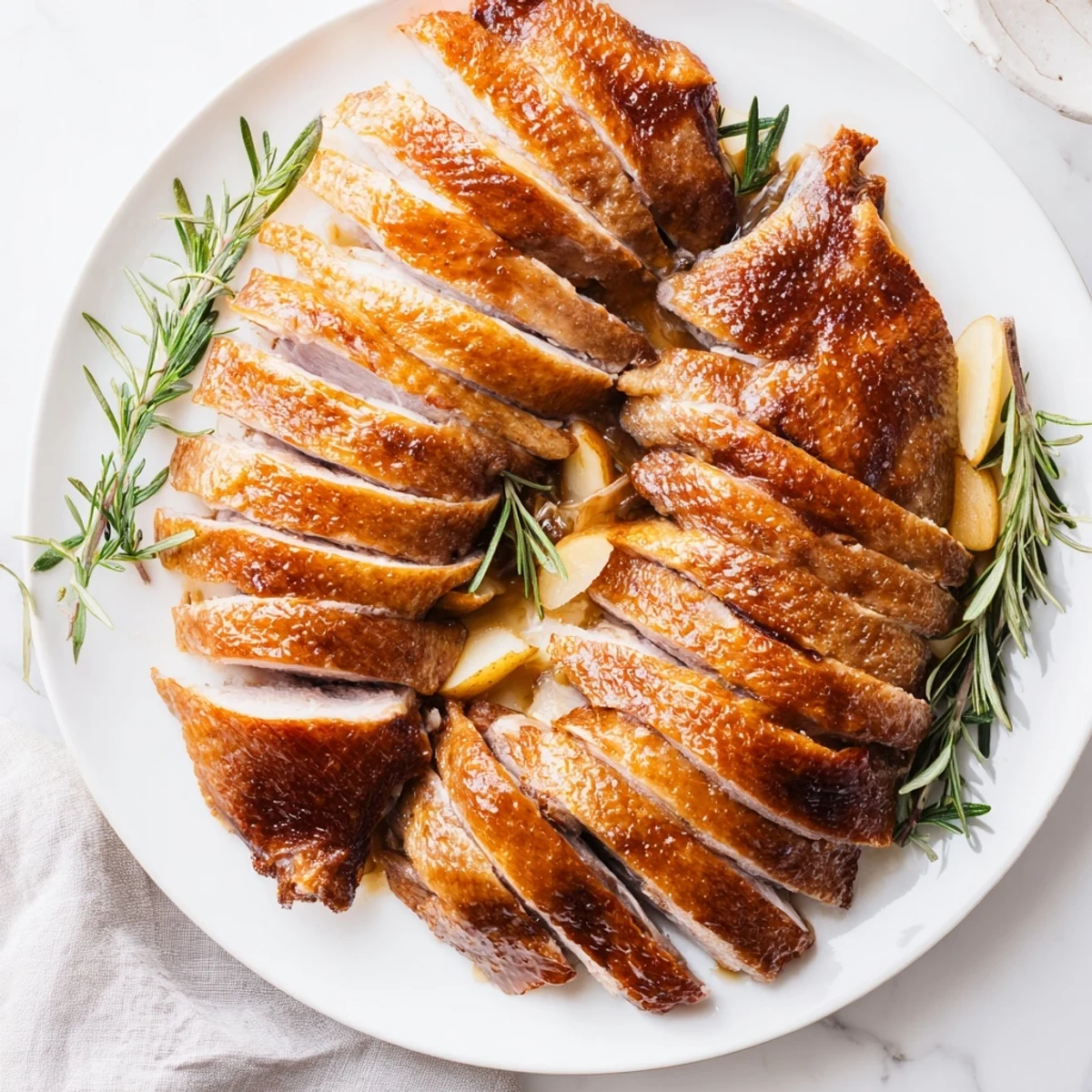
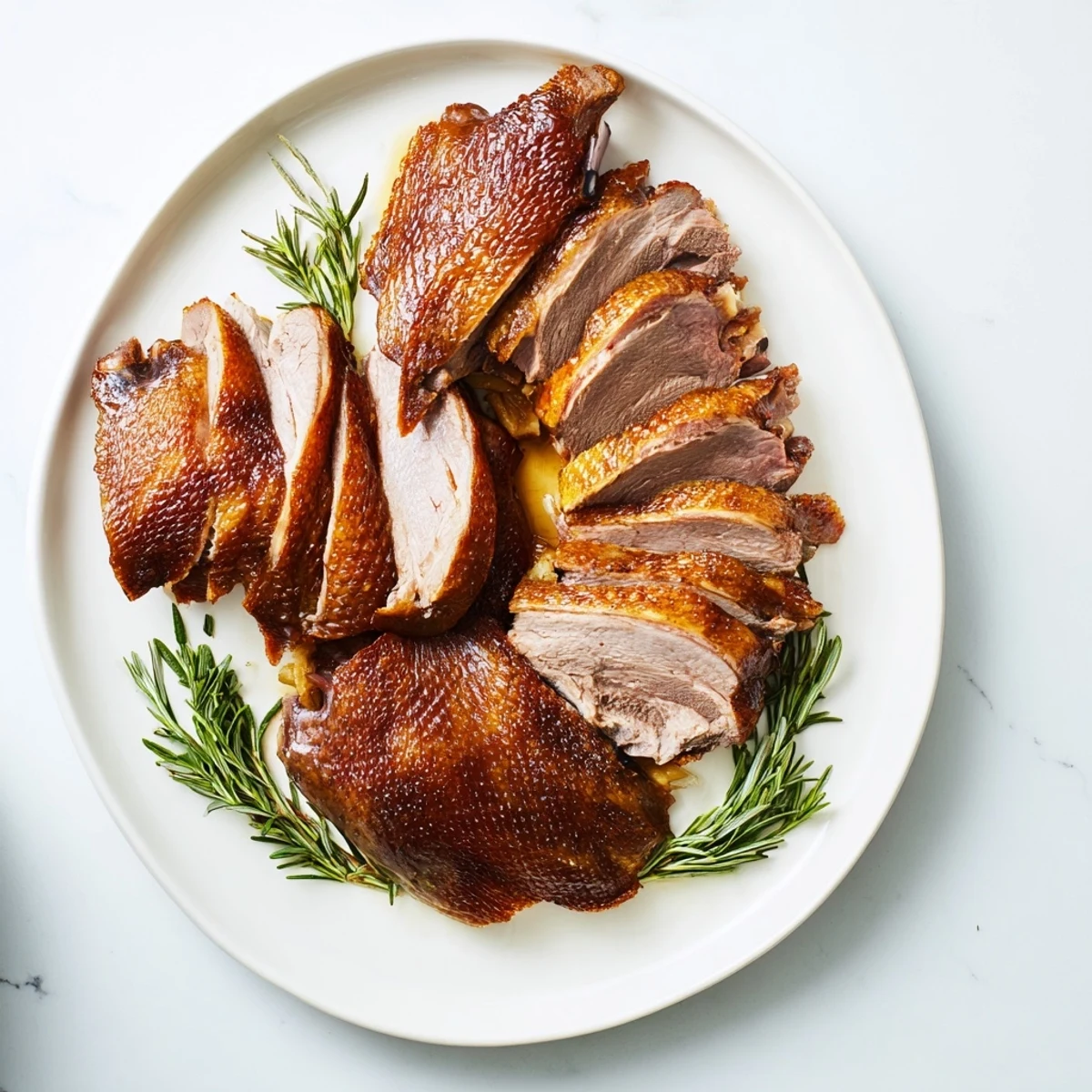
- Slice the goose (the meat pulls away cleanly from the bones if cooked right), arrange on a warm platter, and pour the gravy over or serve it alongside. This is a moment worth slowing down for.
 Save to Pinterest
 The moment someone cut into that golden skin and it shattered like delicate glass—that's when I knew this dish had become part of my cooking soul. It's not just about the taste; it's about the confidence you feel when you understand what you're making.
Why Goose Is Worth the Effort
Chicken is everyday, turkey is familiar, but goose carries an old-world dignity that makes people feel celebrated. The meat is darker, richer, and more flavorful than either, with enough fat to stay juicy even if timing isn't perfect. It's the kind of dish that transforms an ordinary evening into an occasion, and the leftover fat (which you'll have plenty of) becomes a gift you keep giving—for roasting potatoes, cooking eggs, or just drizzling over something that needs richness.
Building Your Flavor Foundation
The stuffing isn't really a side dish; it's an internal seasoning system that keeps the meat moist while infusing it from within. The apples add sweetness and acidity that balances the richness of the meat, while the onion and herbs create a subtle savory base. Some cooks add prunes or chestnuts to this mix, which deepens the flavor into something almost luxurious—trust your instincts here and adapt based on what you love.
The Sides That Belong Beside It
Roasted goose demands partners that can stand up to its richness without overwhelming it. Red cabbage, braised slowly with a splash of vinegar and a few caraway seeds, cuts through the fat with bright acidity and becomes silky and sweet. Potato dumplings, pillowy and tender, soak up the gravy like little sponges and turn the whole plate into comfort. Fresh sautéed green vegetables or a sharp salad also work beautifully, giving you a moment of brightness between bites of richness.
- Red cabbage braised with vinegar and caraway seeds brings acidity that balances the goose perfectly.
- Potato dumplings or creamed potatoes provide a tender, gravy-soaking companion that feels like home.
- A crisp green salad or steamed vegetables cut through the richness and refresh your palate between bites.
 Save to Pinterest
 Roasting a goose teaches you patience and presence in the kitchen; there's no rushing it, no shortcuts that work. When you sit down to eat it, you're not just consuming a meal—you're tasting time, attention, and the kind of generosity that only comes from cooking for people you care about.
Recipe Questions & Answers
- → How do you prepare the goose before roasting?
-
Clean and pat the goose dry, season inside and out with salt and pepper, then stuff with apple quarters, onion, rosemary, and thyme for flavored meat.
- → What temperature and time is best for roasting?
-
Roast the goose breast-side up at 180°C (350°F) for 2 to 2½ hours, basting occasionally to achieve crisp skin and tender meat.
- → How can I ensure the skin becomes crispy?
-
Prick the skin all over before roasting to help fat render and baste periodically with the rendered fat. Cover with foil if skin browns too fast.
- → What ingredients enhance the gravy made from roasting juices?
-
Add dry white wine and stock to the pan drippings, simmer and optionally whisk in flour to thicken before straining for a rich gravy.
- → Can additional stuffing ingredients be used?
-
Yes, prunes or chestnuts can be added to the apple and onion stuffing for extra depth and sweetness.
