
 Save to Pinterest
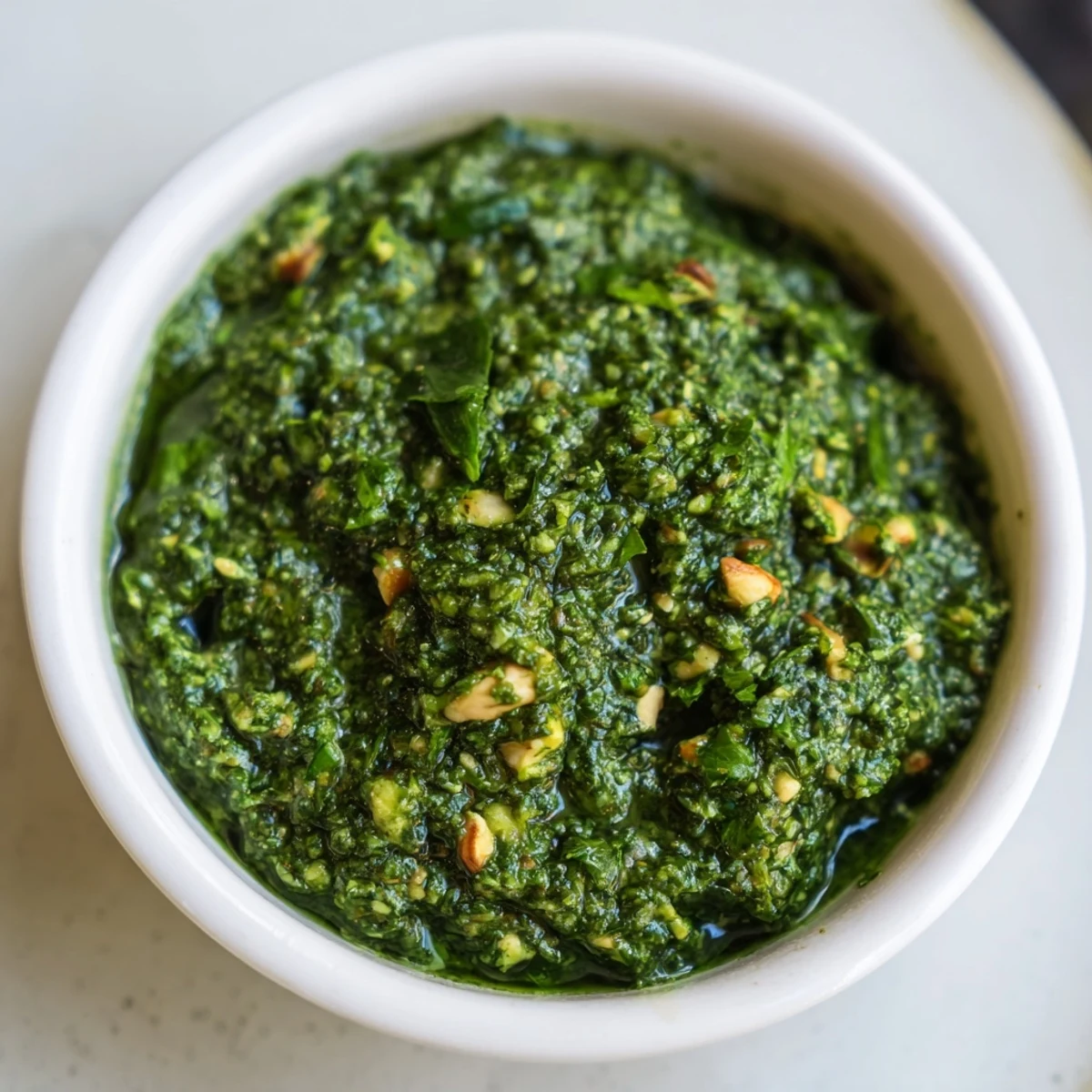
 This aromatic sauce combines fragrant Thai basil leaves with roasted cashews, fresh garlic, and a squeeze of lime juice. The result is a vibrant, peppery condiment that bridges Thai and Italian flavors beautifully. Blend everything together until smooth but slightly textured, then adjust the seasonings to your taste. Store in the refrigerator for up to five days, though it rarely lasts that long once you discover how versatile it is.
The first time I made this Thai basil pesto, my tiny apartment smelled like an herb garden had exploded in the kitchen. I'd grabbed a massive bunch of Thai basil from the farmers market on impulse, not quite sure what I'd do with it all. That accidental discovery turned into a sauce I now keep in my fridge at all times.
Last summer, I served this at a dinner party alongside some grilled shrimp, and my friend Sarah literally stood at the counter eating it with a spoon. She texted me the next day asking for the recipe, claiming her kids had devoured it on their pasta. Now whenever I make a batch, I double it because it disappears faster than I can wash the food processor.
Ingredients
- Thai basil leaves: The star of the show with those gorgeous purple stems and a spicy, anise-like kick that Italian basil just can't match
- Fresh cilantro: Adds brightness and rounds out the flavor, though I've made it without in a pinch
- Roasted cashews: Creamier than pine nuts and they pair beautifully with the Thai flavors, though peanuts work too
- Garlic cloves: Two gives you a nice backbone without overwhelming the delicate herbs
- Thai green chili: Start with one and adjust, though I've been known to sneak in a second when I'm feeling brave
- Freshly squeezed lime juice: Cuts through the rich oils and makes everything pop
- Grated Parmesan cheese: Optional but adds that umami depth, though nutritional yeast works brilliantly for vegan versions
- Sugar: Just a teaspoon to balance the heat and acidity
- Extra-virgin olive oil: The classic choice, though a neutral oil lets the herbs shine even more
- Toasted sesame oil: Totally optional but that nutty finish is worth keeping in the pantry
- Sea salt and black pepper: Essential for bringing all those vibrant flavors together
Instructions
- Gather your herbs and aromatics:
- Pluck the Thai basil leaves from their stems and give them a quick rinse, then pat them completely dry because water will make your pesto separate and nobody wants that
- Build the flavor base:
- Toss the basil, cilantro, cashews, garlic, chili, lime juice, Parmesan if you're using it, and sugar into your food processor
- Pulse to coarse perfection:
- Give it several quick pulses until everything is roughly chopped and you can still see some texture, not a completely smooth puree
- Stream in the oils:
- With the motor running, slowly pour in the olive oil and sesame oil through the feed tube and watch it transform into this gorgeous emerald paste
- Season and taste:
- Add your salt and pepper, then give it a proper taste test and adjust lime, salt, or sugar until it hits that perfect balance of tangy, spicy, and savory
- Store it right:
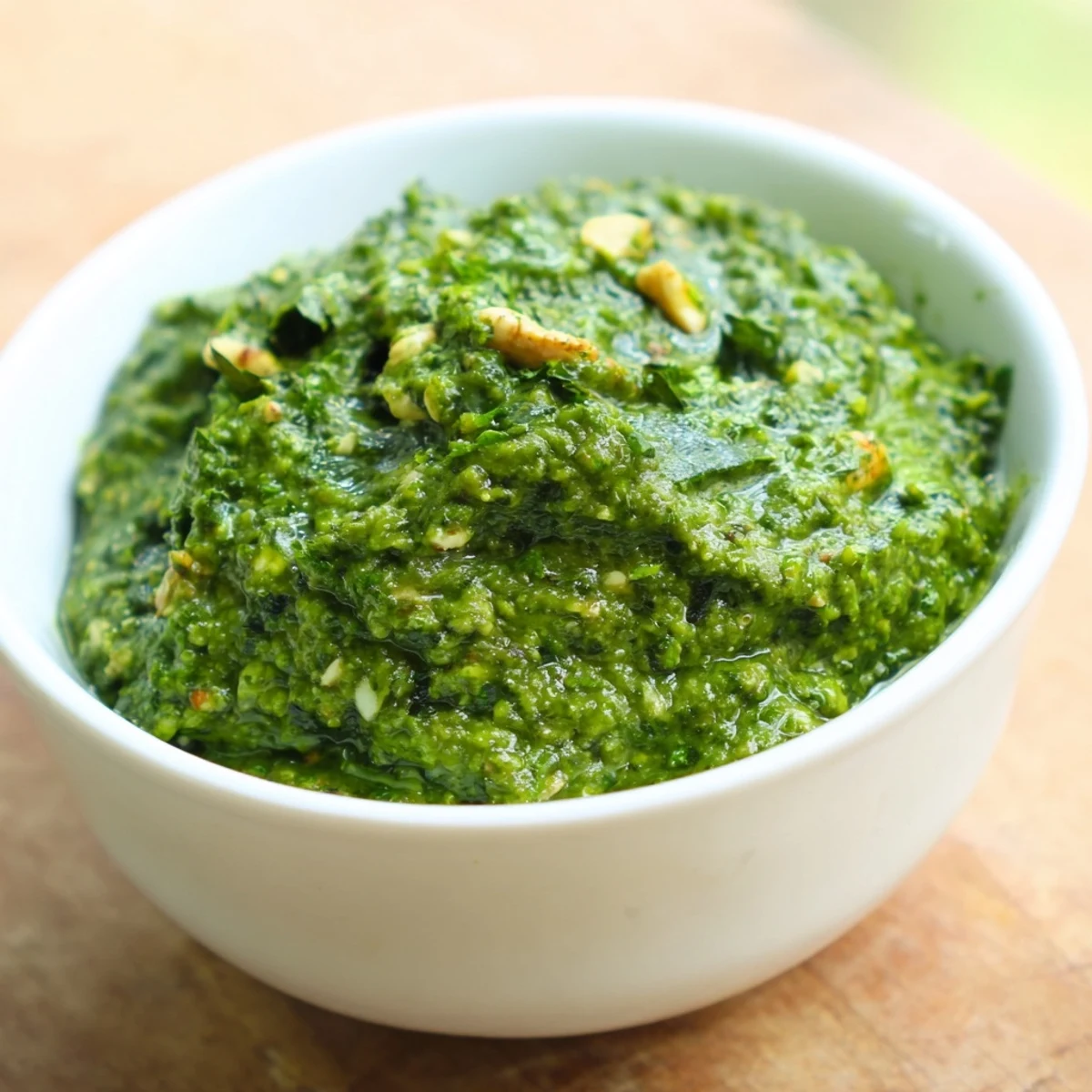
- Scrape every last bit into a jar, press a piece of plastic wrap directly onto the surface to prevent oxidation, and it'll keep beautifully for almost a week
 Save to Pinterest
 My grandmother, who's notoriously skeptical of anything fusion, reluctantly tried this on some grilled fish during her visit last spring. She went back for thirds and actually asked me to write the recipe down for her on an index card, which is basically her highest culinary honor.
Serving Ideas That Work
I've discovered this pesto is incredibly versatile beyond just pasta. Toss it with hot rice noodles for an almost instant dinner, spread it on a turkey sandwich instead of mayo, or dollop it onto roasted vegetables right before serving. My current obsession is swirling it into scrambled eggs with some fresh tomatoes.
Make It Your Own
The beauty of this recipe is how forgiving it is. Sometimes I skip the Parmesan entirely and let the herbs shine, or swap in macadamia nuts when I want something extra buttery. Once I added a tablespoon of miso paste and created the most incredible umami-bomb version that I couldn't stop eating straight from the jar.
Storage Secrets
Proper storage makes all the difference with fresh pesto. I learned the hard way that leaving air in the container turns your beautiful green sauce brown and sad.
- Pour a thin layer of oil over the top before refrigerating to create an airtight seal
- Freeze in small portions so you never have to thaw more than you need
- Label your containers with the date because frozen pesto keeps for months and you'll forget when you made it
 Save to Pinterest
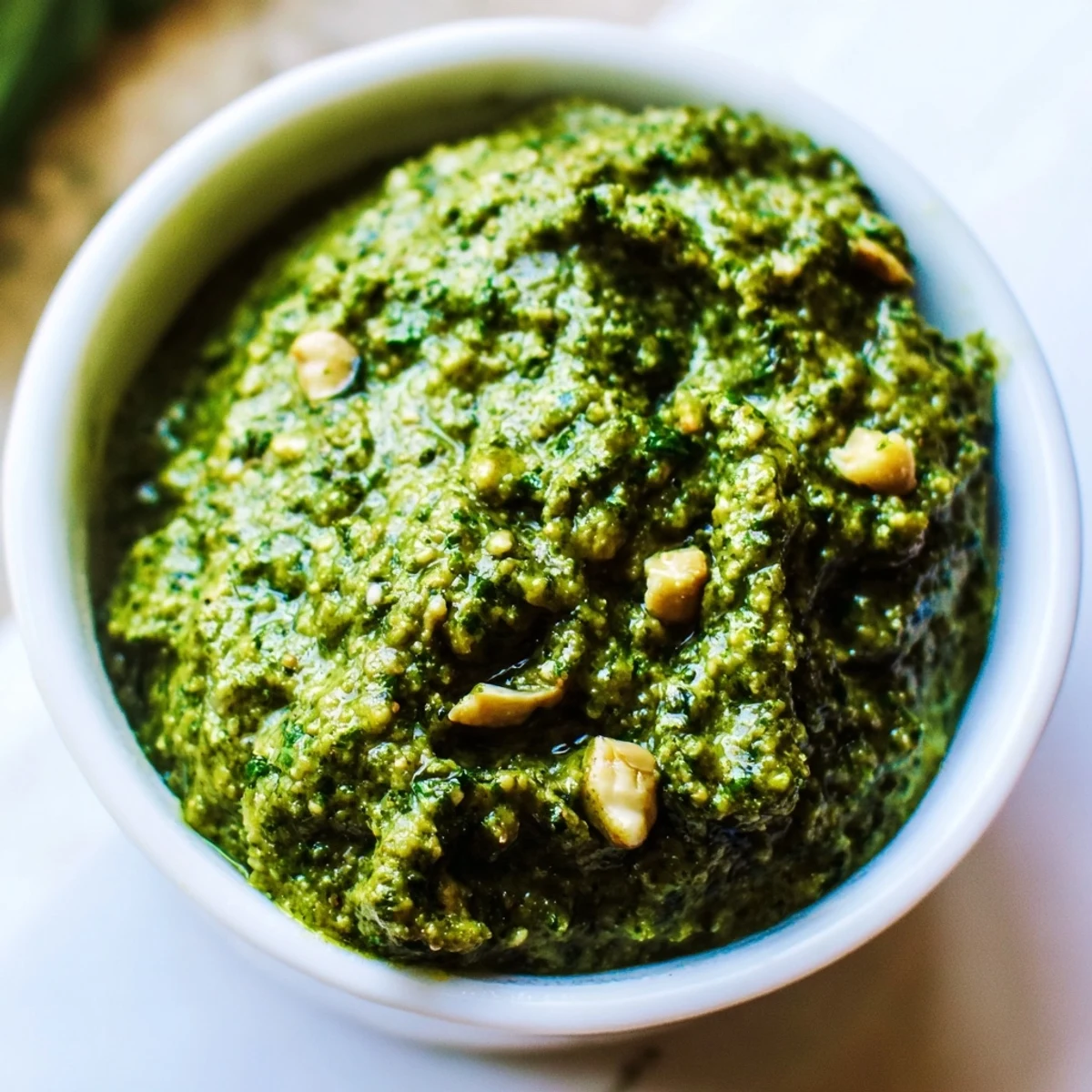
 There's something deeply satisfying about having a jar of this in the fridge, ready to transform whatever random ingredients you have into dinner. That little pop of bright, spicy freshness can save even the most tired weeknight meal.
Recipe Questions & Answers
- → What makes Thai basil different from regular basil?
-
Thai basil has a distinct anise-like flavor with spicy, peppery notes that sets it apart from sweet Italian basil. The leaves are slightly more sturdy and hold up well to blending, making them perfect for pesto that maintains its vibrant color and bold flavor.
- → Can I make this without nuts?
-
Absolutely. Toasted sunflower seeds make an excellent nut-free alternative that still provides creamy texture and subtle richness. Pumpkin seeds also work well and add a lovely earthy element to the final blend.
- → How long will this keep in the refrigerator?
-
Properly stored in an airtight container, this will stay fresh for up to five days. The vibrant green color may darken slightly over time, but the flavor remains robust. Pressing plastic wrap directly onto the surface helps prevent oxidation.
- → What dishes pair best with this sauce?
-
Toss with rice noodles for a quick Asian-inspired pasta, drizzle over grilled chicken or fish, spread on sandwiches, or use as a dip for spring rolls and fresh vegetables. It also adds incredible flavor to grain bowls and roasted vegetables.
- → Is the Parmesan necessary?
-
Not at all. The Parmesan adds savory depth, but this is equally delicious without it for a dairy-free version. Nutritional yeast can provide similar umami notes if you miss that cheesy element, though the sauce stands on its own beautifully.
