
 Save to Pinterest
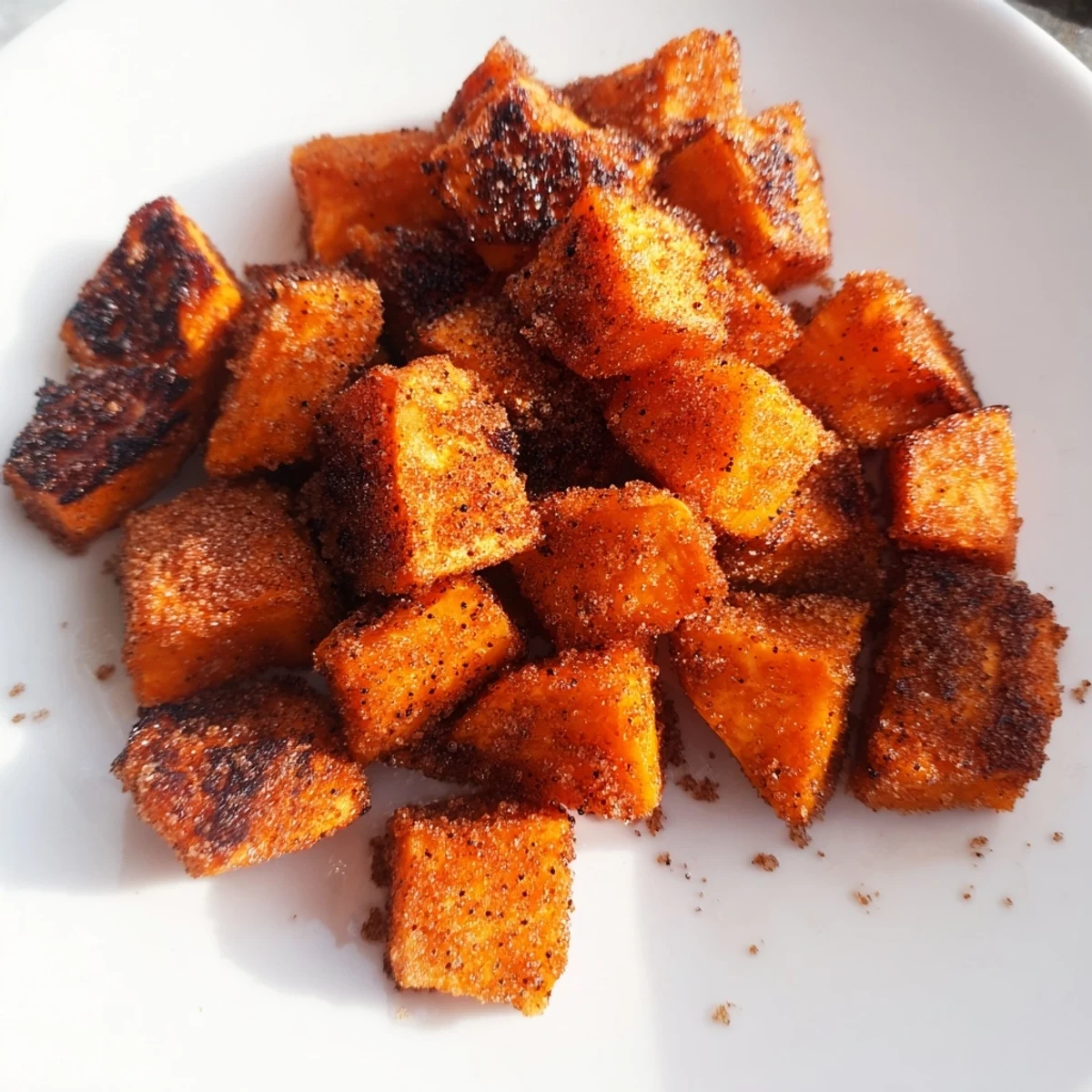
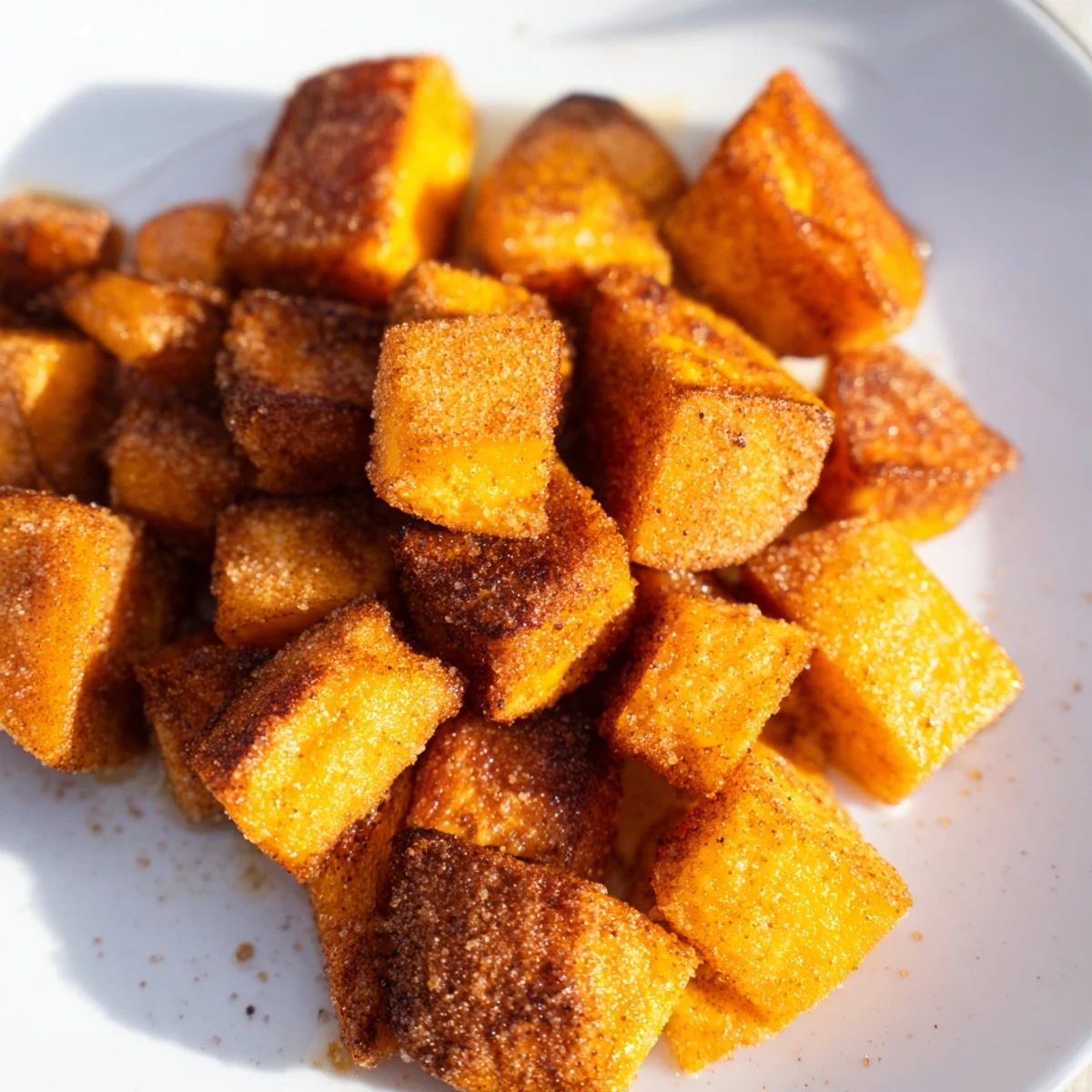
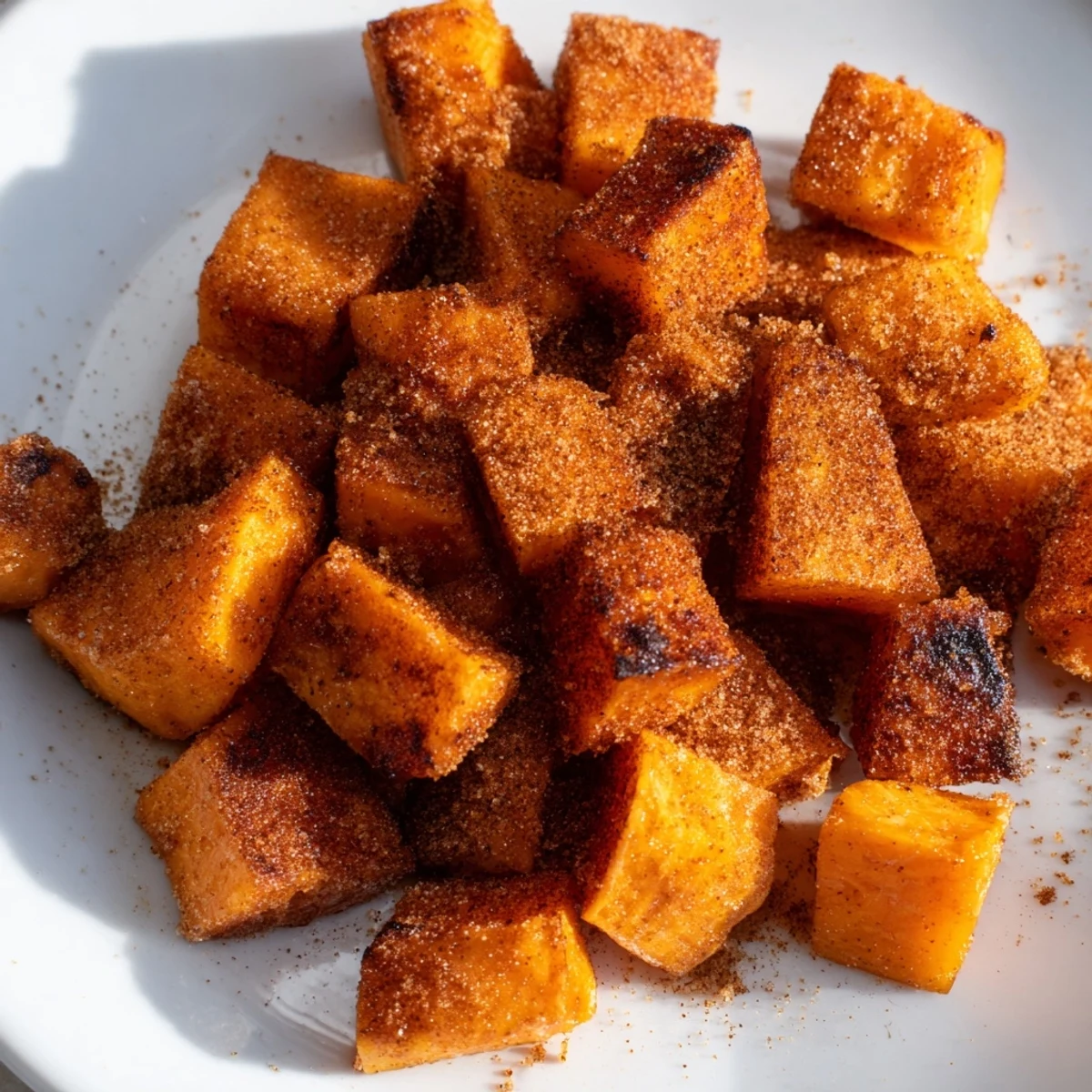
 This dish features tender sweet potatoes cut into cubes and coated with olive oil and a fragrant cinnamon sugar blend. After roasting at high heat, the sweet potatoes develop a golden crust while remaining soft inside, offering a comforting and flavorful side dish. Perfectly balanced with subtle sweetness and warm spice, it pairs well with meats or grain bowls. Easy to prepare and naturally gluten-free and vegetarian, it’s a versatile addition to any meal.
The first time I roasted sweet potatoes with cinnamon sugar, I wasn't even trying to make a side dish—I was procrastinating, really, turning a bag of sad-looking root vegetables into something that filled my kitchen with that warm spice smell that feels like fall no matter what season it actually is. My roommate followed her nose from three rooms away, and we ended up eating half the batch straight from the baking sheet before dinner was even ready. That's when I knew this simple recipe deserved a permanent spot in my rotation.
I brought these to a potluck once in a beat-up ceramic bowl, expecting them to disappear into the shuffle of other dishes. Instead, someone's grandmother pulled me aside to ask for the recipe, and we ended up talking for twenty minutes about her own sweet potato memories. That's the magic of this dish—it feels humble but tastes like you actually planned ahead.
Ingredients
- Sweet potatoes (900 g / 2 lbs): Cut them into roughly ¾-inch cubes so they roast evenly and develop those golden, caramelized edges in the same amount of time.
- Olive oil (2 tbsp): This is your vehicle for even cooking and browning—don't skip coating every piece, or you'll end up with some pale stragglers.
- Granulated sugar (2 tbsp): Coconut sugar adds a molasses-like depth if you want something less straightforward, but regular sugar works beautifully too.
- Ground cinnamon (1½ tsp): This is where the soul of the dish lives—smell it first to make sure it's still fragrant and hasn't been sitting in your spice cabinet since 2019.
- Fine sea salt (¼ tsp): Salt balances the sweetness and brings out the natural earthiness of the potatoes themselves.
Instructions
- Heat your oven and prepare:
- Get your oven to 220°C (425°F) and line a baking sheet with parchment paper so cleanup is effortless. This temperature is hot enough to caramelize the edges without turning everything into potato chips.
- Coat the sweet potatoes in oil:
- Toss your cubes with olive oil in a large bowl until every piece glistens and has a light coating. This step takes maybe two minutes but makes all the difference in how they brown.
- Mix your spice blend:
- In a small bowl, whisk together sugar, cinnamon, and salt so the spices are evenly distributed. This prevents clumpy cinnamon pockets and ensures every bite tastes the same.
- Toss everything together:
- Pour the cinnamon sugar mixture over the oiled potatoes and toss until all the cubes are coated with that fragrant blend. You'll know it's right when no naked potato pieces remain.
- Spread and roast:
- Arrange the potatoes in a single layer on your baking sheet—don't overcrowd, or they'll steam instead of roast. Halfway through the 25–30 minute window, give them a gentle stir with a spatula so the other side gets golden too.
- Serve while hot:
- Pull them out when the edges are dark golden and the insides are fork-tender, then taste one to make sure they're cooked through. A sprinkle of extra cinnamon or fresh herbs right before serving feels like a small celebration.
 Save to Pinterest
 I made these for my dad once when he was convinced he didn't like sweet potatoes, and he ate three servings without complaining. Sometimes the simplest dishes break through the defenses we didn't even know we had.
The Secret to Perfect Caramelization
The real trick is understanding that the cinnamon sugar mixture needs to actually stick to the potatoes, not just sit on top like decoration. By tossing them twice—once with oil, then again with the spice blend—you're creating layers of flavor that toast together in the oven heat. Watch them toward the end, because the edge between golden and burnt can happen faster than you'd expect, especially if your oven runs hot like mine does.
Flavor Variations That Actually Work
While the base recipe is perfect as is, I've learned that a drizzle of maple syrup right after roasting adds a silky depth that regular sugar can't touch. You could also try a pinch of nutmeg or cardamom mixed into your cinnamon sugar for something unexpected, or even a tiny bit of cayenne pepper for warmth that doesn't read as spicy. Some evenings I'll add a small drizzle of tahini or a scattering of toasted nuts, but that's when I want to turn these into more of a statement.
Why This Dish Became My Go-To
Honestly, it's because I can make it without thinking too hard, but it never tastes like I took shortcuts. People always assume there's more technique involved than there actually is.
- It pairs with almost any protein—roast chicken, pork chops, even a simple grilled fish.
- Leftovers reheat beautifully and taste almost as good cold as they do hot.
- It's the kind of side that reminds people why they loved sweet potatoes in the first place.
 Save to Pinterest
 This recipe taught me that sometimes the best dishes are the ones that don't try too hard. Make these, feed them to someone you like, and watch what happens.
Recipe Questions & Answers
- → What type of sweet potatoes work best?
-
Firm, medium-sized sweet potatoes peeled and cut into uniform cubes roast evenly and develop a tender, caramelized texture.
- → Can I use a different oil?
-
Olive oil works well, but melted coconut oil can be substituted for a subtle tropical flavor and similar texture.
- → How do I achieve extra caramelization?
-
Increase the oven temperature during the last 5 minutes of roasting to enhance browning and deepen flavors.
- → Is it possible to make this dish sweeter?
-
Yes, swapping granulated sugar with maple syrup after roasting adds a richer, natural sweetness.
- → What herbs pair well as garnish?
-
Fresh chopped herbs like parsley or thyme offer brightness that complements the warm cinnamon notes.
