
 Save to Pinterest
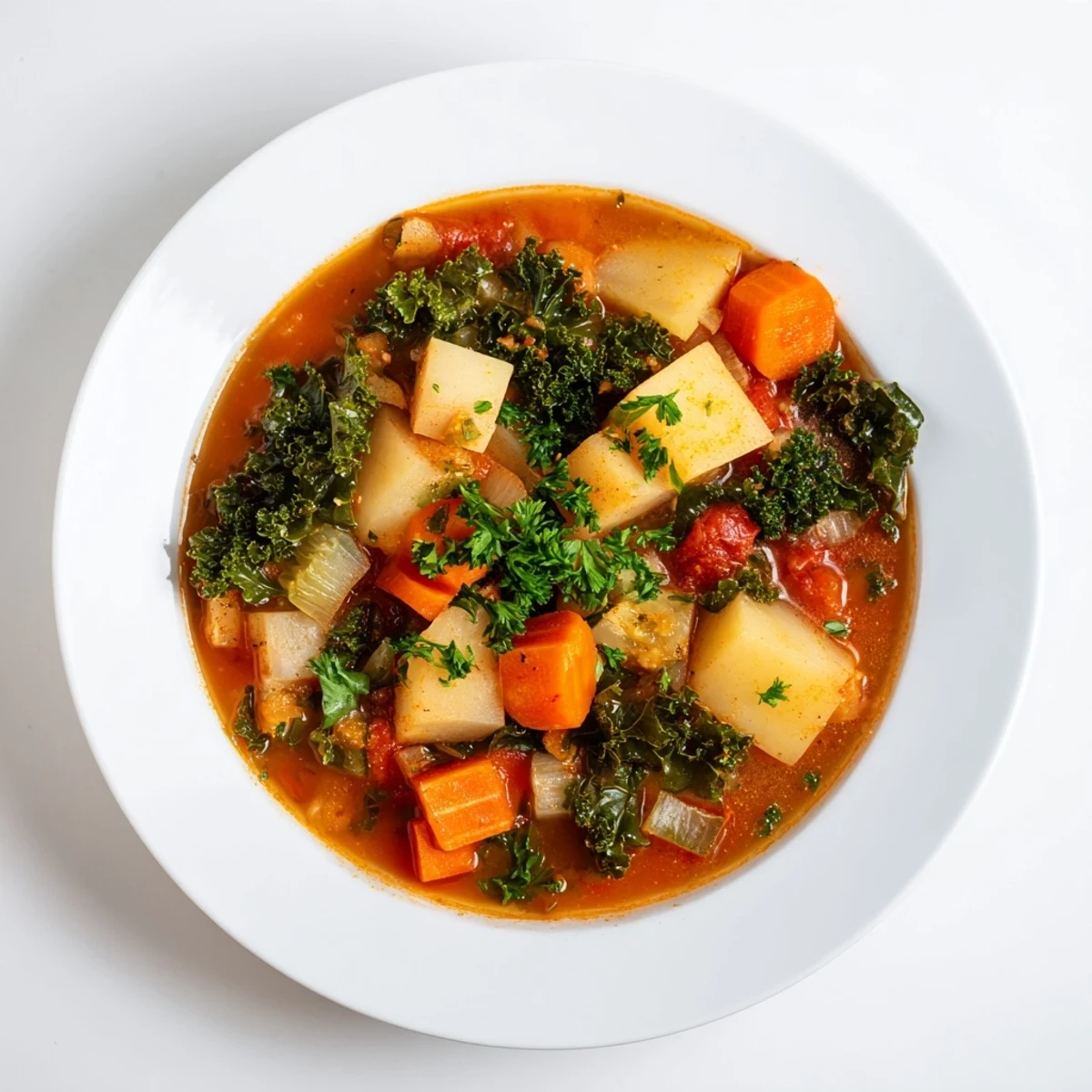
 This wholesome stew blends an array of seasonal root vegetables like carrots, parsnips, and rutabaga with fragrant herbs such as thyme and rosemary. Slow simmered with tomatoes and vegetable broth, it creates a warm, nourishing dish. Adding leafy greens and optional beans enhances texture and protein, resulting in a filling meal perfect for chilly winter days. Garnished with fresh parsley, it offers comforting flavors and is suitable for vegan and gluten-free diets.
I remember the first winter I learned that a simple pot of vegetables could change everything. It was a cold January evening, and my grandmother had just taught me how to transform the humble root vegetables from the farmer's market into something that tasted like comfort itself. That's when this Winter Vegetable Stew became my go-to remedy for those days when the world outside turned gray and cold. There's something almost magical about how these vegetables soften and meld together, creating a broth so warming that it feels like a hug in a bowl.
I'll never forget the first time I made this for my book club on a particularly dreary February afternoon. As everyone arrived with wet coats and tired faces, the aroma of thyme and rosemary had already filled my entire kitchen. Within ten minutes of serving it, the whole mood shifted. People were asking for seconds, then thirds, and suddenly we weren't just reading about stories, we were creating one of our own around a shared meal.
Ingredients
- Olive oil (2 tablespoons): This is your foundation. Good quality olive oil will make you taste the difference immediately
- Onion (1 large, diced): The sweet base that everything builds on. Don't rush this step, let it soften until it's almost translucent
- Garlic (2 cloves, minced): Add it after the onion, or it'll burn and turn bitter on you
- Carrots (2 medium, sliced): These bring natural sweetness and color. I always use fresh ones from the market when I can
- Parsnips (2, sliced): The secret weapon here. They add a subtle sweetness that most people can't identify but absolutely notice when it's missing
- Celery stalks (2, chopped): The aromatic foundation that ties everything together
- Rutabaga (1 medium, diced): This might seem unfamiliar, but it's what gives this stew its soul. It's earthier than turnip and holds its shape beautifully
- Turnip (1 medium, diced): Another root vegetable that adds subtle pepperiness and body
- Potatoes (2 medium, cubed): Keep these chunks relatively uniform so they cook evenly
- Kale or Swiss chard (1 cup, chopped): Add this at the very end so it stays bright and doesn't turn to mush
- Diced tomatoes (1 can, 14 oz): The acidity and umami that brings dimension to the broth
- Vegetable broth (4 cups): Quality matters here more than most places. I always taste my broth before using it
- Dried thyme (1 teaspoon): Earthy and warming, this is non-negotiable
- Dried rosemary (1 teaspoon): Use the same amount as thyme or it can overpower. Just trust this balance
- Bay leaf (1): Don't skip this and definitely remove it before serving
- Salt and black pepper: Taste as you go and adjust at the end
- Cooked beans (1 cup, optional): White beans or chickpeas add protein and make it feel more substantial if that's what you're after
- Fresh parsley (for garnish): This bright finish is what people remember
Instructions
- Start Your Base:
- Pour your olive oil into a large pot over medium heat. When it shimmers, add your diced onion. This is where patience pays off. Let it cook for about 5 minutes, stirring occasionally, until it becomes soft and translucent. You'll know it's ready when you can smell that sweet onion aroma filling your kitchen.
- Build Your Foundation:
- Add your minced garlic and stir it in right away so it doesn't burn. Now comes the satisfying part. Add all your root vegetables at once: carrots, parsnips, celery, rutabaga, turnip, and potatoes. Stir everything together and let it cook undisturbed for about 5 to 7 minutes. You want to hear them sizzling slightly and smell them starting to caramelize at the edges.
- Bring It Together:
- Pour in your can of tomatoes with all its juices, then add your vegetable broth. Add the thyme, rosemary, and bay leaf. Give everything a good stir and watch as the liquid comes up around all those beautiful vegetables. Bring the whole pot to a boil, which usually takes about 5 minutes.
- Let It Simmer:
- Once it's boiling, reduce your heat to low and cover the pot with a lid. This is the moment where you can step back and let time do the work for you. Let it simmer gently for 35 to 40 minutes. Your goal is for all the vegetables to be tender when you press them with a spoon, but still holding their shape.
- Finish with Greens:
- Just about 5 minutes before you're ready to serve, add your chopped kale or Swiss chard. If you're using beans, this is the moment to add them too. They just need to warm through. Stir gently and let everything get acquainted.
- Taste and Adjust:
- Remove the bay leaf carefully. Now taste. This is your moment to season with salt and pepper to your preference. Remember that it will taste different warm than it will at room temperature, so be a little gentle with the seasoning.
- Serve with Love:
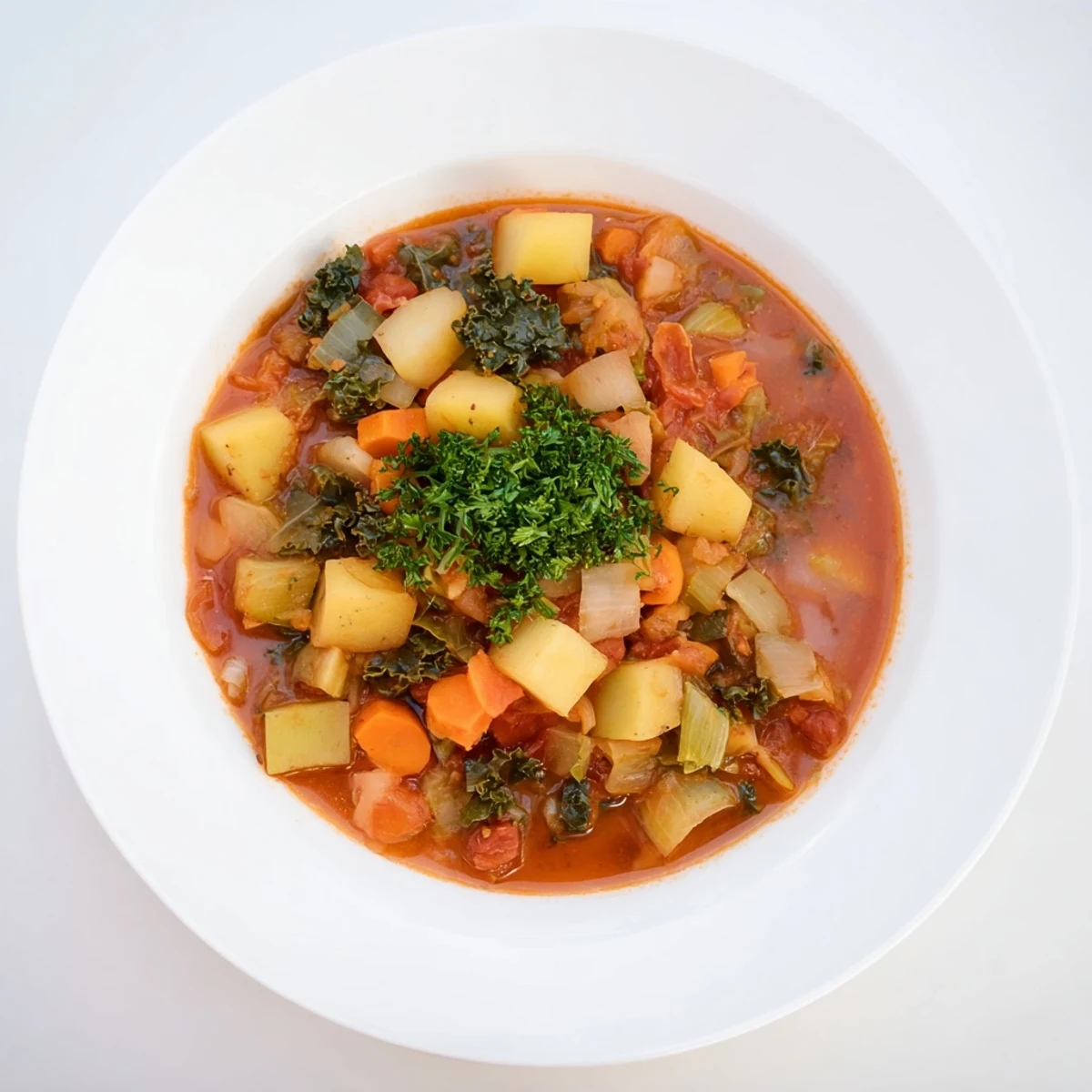
- Ladle the stew into bowls, garnish with fresh parsley if you have it, and serve while it's still steaming hot. The warmth of this bowl in your hands is part of the whole experience.
 Save to Pinterest
 There was a moment last winter when my daughter, who usually picks vegetables out of everything, asked for more of this stew. Not because she was forced to, but because she genuinely wanted it. That's when I knew this recipe had transcended being just food. It had become something that brought us closer together.
The Magic of Root Vegetables
Root vegetables are nature's gift to winter cooking. They're sturdy, they keep their shape during long cooking, and each one brings its own distinct character to the pot. The rutabaga brings earthiness, the parsnip adds sweetness, the turnip brings a subtle peppery note, and the potato ties it all together with starch and substance. I learned this by accident when I once made this stew with only potatoes and carrots, and it was fine, but it was missing something I couldn't name. Now I know that something is the complexity that comes from using the full spectrum of available root vegetables.
Storage and Reheating
This stew is one of those rare recipes that actually improves with time. The flavors deepen and marry together overnight, so don't hesitate to make it a day ahead. Store it in an airtight container in the refrigerator for up to four days, or freeze it for up to three months. When you reheat it, do so slowly over medium heat, adding a splash of broth or water if it's thickened too much. The slow reheating ensures the vegetables don't break down further and the flavors bloom again as they warm.
Ways to Make It Your Own
While this recipe is perfect as written, I've discovered countless ways to adapt it based on what's in season, what's in my pantry, or what my family is craving. The beauty of a vegetable stew is its flexibility. Some of my favorite variations came about by happy accident. Once I added roasted red pepper because I had some left over, and suddenly the stew had a subtle smoky sweetness that made everyone pause and ask what that mysterious flavor was.
- Add roasted red peppers or butternut squash for autumn sweetness and richness
- Stir in white beans or chickpeas if you want to turn this into something more protein-forward
- A splash of balsamic vinegar at the very end adds complexity that most people can't quite identify but absolutely taste
 Save to Pinterest
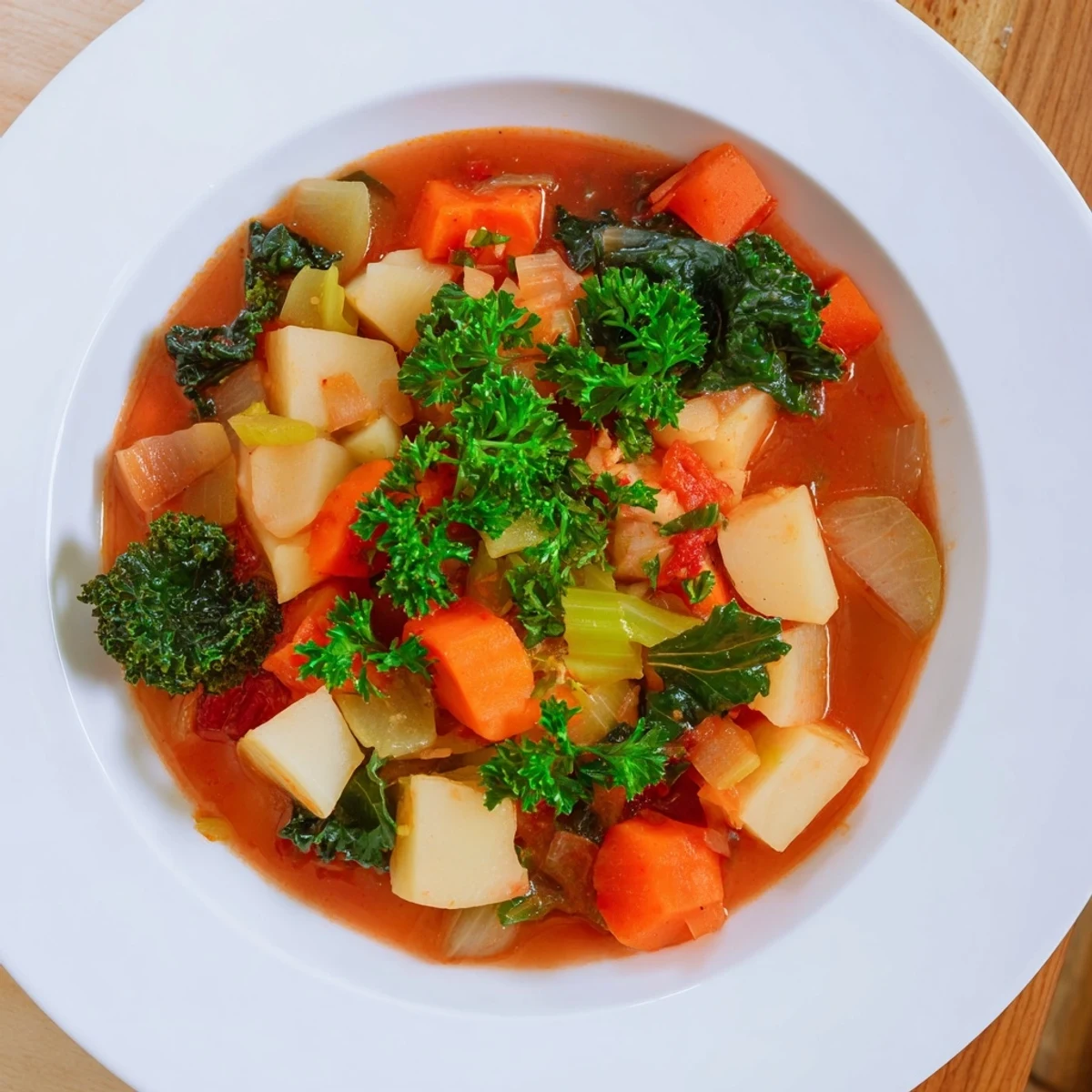
 This Winter Vegetable Stew has become my answer to so many things: a cold evening, an unexpected guest, a day when cooking feels overwhelming, or simply a moment when I want to remember that the simplest things often taste the best. I hope it becomes as much a part of your winter as it has become of mine.
Recipe Questions & Answers
- → What vegetables are best for this stew?
-
Root vegetables like carrots, parsnips, rutabaga, turnip, and potatoes provide hearty texture and flavor. Kale or Swiss chard adds freshness.
- → Can I add protein to this dish?
-
Yes, cooked white beans or chickpeas can be added during the last simmer to boost protein content.
- → How long should the stew simmer?
-
Simmer the vegetables covered for 35-40 minutes until tender, then add greens and simmer for another 5 minutes.
- → What herbs complement the vegetables?
-
Thyme, rosemary, and bay leaf contribute savory, earthy notes that enhance the stew’s depth.
- → Is this dish suitable for special diets?
-
Yes, it’s naturally vegan and gluten-free, making it accessible for many dietary preferences.
- → How can I make the stew heartier?
-
Incorporate cubed butternut squash or sweet potatoes for additional richness and texture.
