
 Save to Pinterest
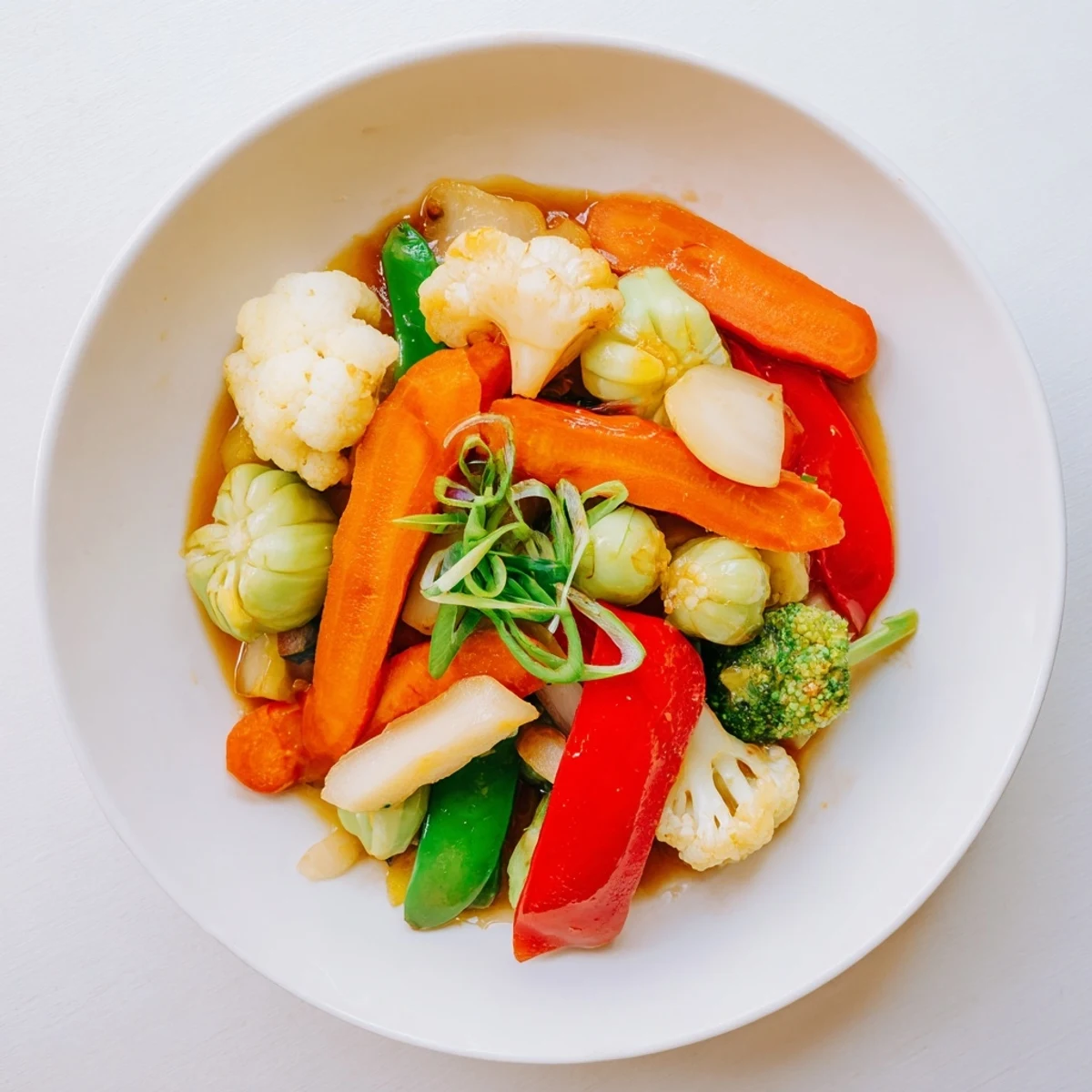
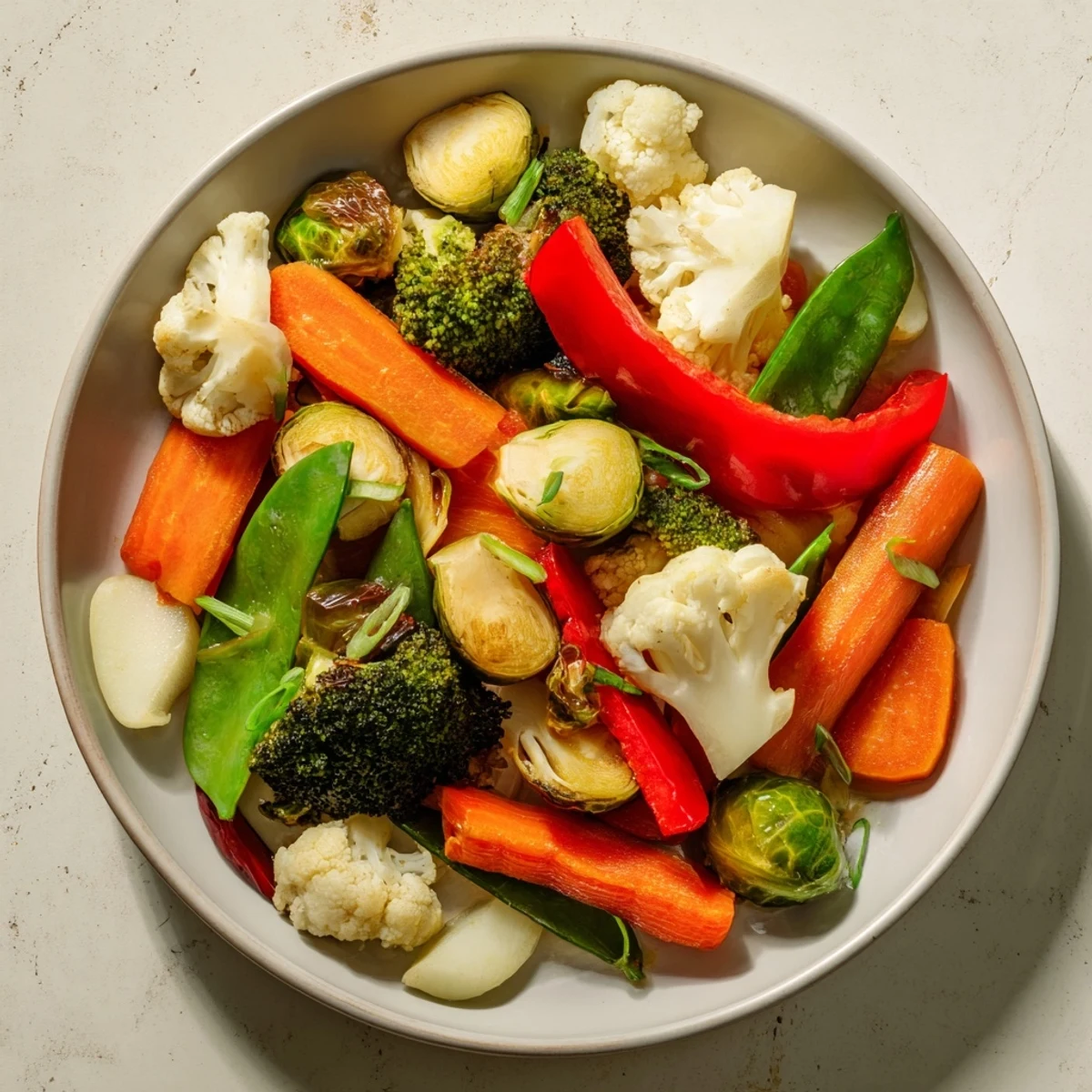
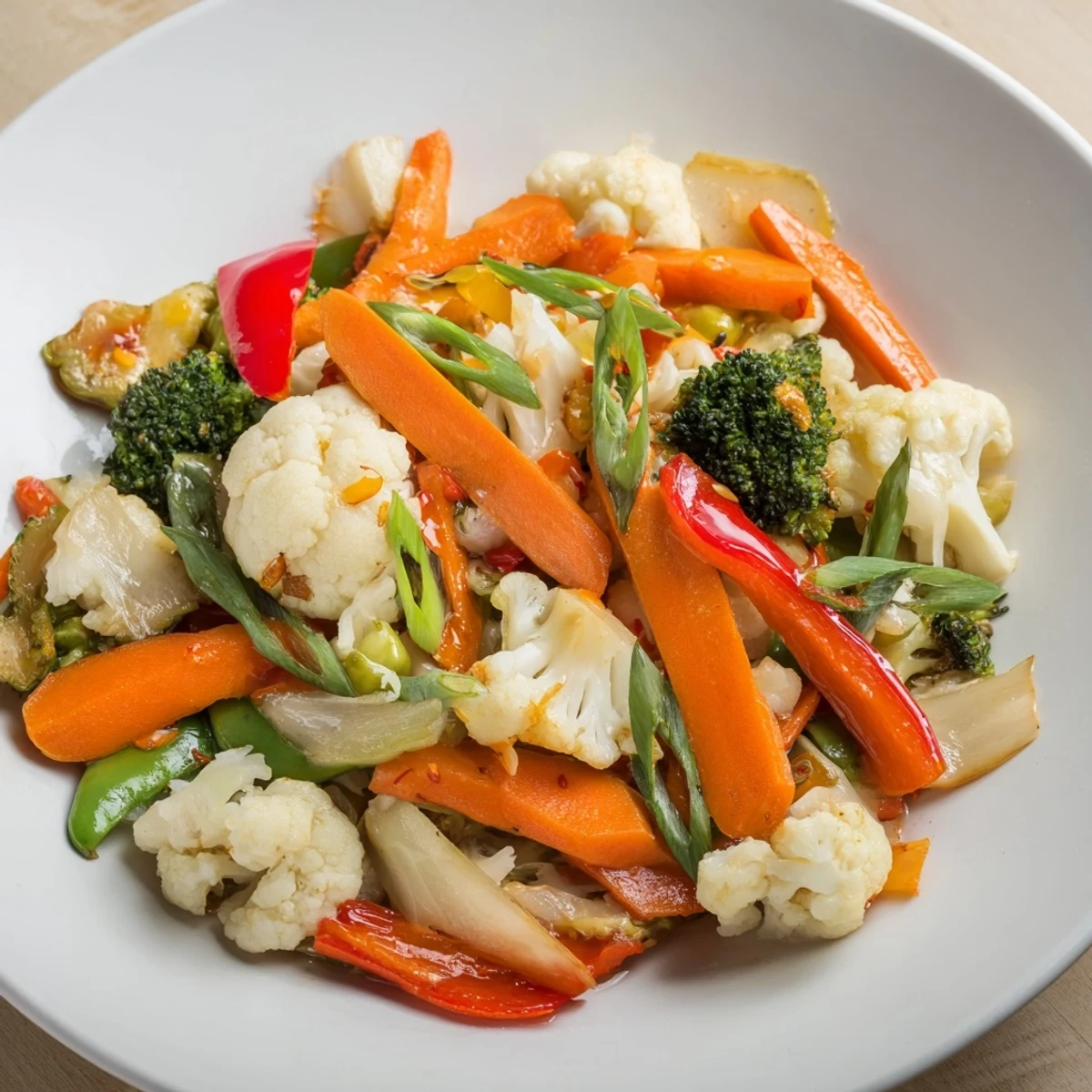
 This winter vegetable stir fry brings together crisp carrots, Brussels sprouts, broccoli, and more, all cooked to tender-crisp perfection. Tossed in a savory ginger-garlic sauce enriched with soy, maple syrup, and sesame oil, it’s a wholesome and vibrant dish. Quick to prepare and cook, it works well as a main or a side, and accommodates vegan and gluten-free needs when tamari is used. Garnished with fresh scallions, this colorful medley pairs beautifully with rice or noodles.
I discovered this recipe on a particularly gray January afternoon when my farmers market haul felt both abundant and slightly intimidating. The Brussels sprouts were glossy and tight, the carrots still held garden soil, and I had this moment of clarity: stir fry. I remembered sitting in a small restaurant in Portland years ago, watching a chef work with what seemed like casual confidence over a roaring flame, turning humble vegetables into something that made my eyes water with how alive it tasted. That memory pulled me into the kitchen, and this winter stir fry was born.
I made this for my sister on a snowy evening, and she sat at my kitchen counter with her coat still draped over her chair, not wanting to miss a single moment of the sizzle and steam. There was something about the sound of vegetables hitting hot oil, the way the kitchen filled with ginger-scented warmth, that made the meal feel like more than sustenance. She went back for seconds, then thirds, and asked if I could teach her the trick of knowing when to push vegetables to the side for the sauce. I realized then that this simple dish had become our thing.
Ingredients
- Carrots: Diagonal slices catch the heat differently than rounds, and they stay firmer longer. Peel them fresh if you can—the sweetness in a freshly peeled carrot is almost shocking.
- Parsnip: Often overlooked, but it brings a subtle earthiness and creaminess when cooked. If you can't find one, extra carrot works, but the parsnip is worth the search.
- Brussels sprouts: Halved so they get golden at the edges. This is where the magic lives—those caramelized, crispy outsides against tender insides.
- Cauliflower and broccoli: These are your volume players. They soak up the sauce and turn tender-crisp if you don't rush them.
- Red bell pepper: Sweet and just slightly smoky when touched by heat. The color matters here too—it's the jewel in the pan.
- Snow peas: Added last because they stay bright green and snappy. They're the reminder that this is a fresh dish, even in the coldest months.
- Soy sauce or tamari: This is the soul of your sauce. Don't skip it, and if you're gluten-free, tamari is genuinely the better choice—cleaner, less muddy.
- Maple syrup or honey: Just a touch, to balance the salty-savory with something warm and rounded. This is what makes people ask what's in your sauce.
- Rice vinegar: The brightness that keeps everything from feeling heavy. It cuts through like a bell.
- Toasted sesame oil: Use the real stuff, and add it at the end. It perfumes the entire dish with something almost floral.
- Fresh ginger and garlic: Never from the jar. Mince them fresh, and let your hands smell like the promise of something good.
- Cornstarch slurry: This is what gives your sauce its glossy, clinging quality. Mixed with cold water before it hits the heat, it's pure technique.
- Vegetable oil: High heat demands a neutral oil. Canola or sunflower oil handles the temperature without burning or imposing a competing flavor.
Instructions
- Make your sauce first, then step back:
- Whisk together the soy sauce, maple syrup, rice vinegar, sesame oil, ginger, garlic, and cornstarch slurry in a small bowl. This is your insurance policy. Having it ready means you won't be scrambling with wet hands and steam in your face when things are moving fast. Taste it if you want—it should taste balanced, not too salty, with that ginger brightness coming through.
- Heat your pan like you mean it:
- Put your wok or skillet over medium-high heat. Add 1 tablespoon of vegetable oil and let it shimmer and almost smoke slightly. This is the moment that separates a stir fry from sad sautéed vegetables. You want heat, real heat, so the vegetables get those golden edges and stay crisp inside.
- Start with the hardest vegetables:
- Carrots, parsnips, Brussels sprouts, and cauliflower go in first. You'll hear them sizzle immediately—that's the sound of something good happening. Stir constantly for 3–4 minutes, keeping everything moving so nothing sticks or burns. You're looking for the vegetables to start softening just slightly at the edges while staying mostly firm.
- Layer in the delicate ones:
- Now add the broccoli, bell pepper, and snow peas. Keep stirring for another 4–5 minutes. The kitchen will fill with steam and the smell of caramelized vegetables and ginger. You're aiming for crisp-tender—vegetables that have some color and slight softness but still have a bite when you eat them.
- The sauce moment:
- Push all the vegetables to the sides of the pan, creating a bare circle in the center. Add the remaining 1 tablespoon of oil to that bare spot, let it heat for just a few seconds, then pour in your sauce. You'll see it bubble and start to thicken almost immediately. Stir it all together, coating every vegetable piece. Cook for another minute or two until the sauce turns glossy and clings to everything.
- Finish with intention:
- Remove from heat. The residual warmth will continue to cook everything gently. Scatter the scallions over the top—they should stay fresh and slightly crisp, a textural surprise.
 Save to Pinterest
 I think what makes this dish work is that it doesn't apologize for being simple. There's no pretense, just the honest pleasure of heat and vegetables and a sauce that tastes like someone cared about making it taste good. My kitchen has never felt warmer than when cooking this.
Variations That Work
Winter produce shifts depending on where you live and what month it is. I've made this with rutabaga cut thin, with kale torn into bite-sized pieces added in the last minute, with half a small turnip sliced paper-thin. The backbone of the recipe—the heat, the sauce, the technique—stays the same, but the vegetables can dance with what's actually seasonal where you are. This flexibility is partly why I love it. It feels fresh every time.
Adding Protein
The stir fry is perfect on its own as a vegetable-forward main, but I understand the impulse to make it more substantial. Press cubed tofu until it's dry, then pan-fry it separately until golden before adding it to the stir fry in the last minute. Tempeh breaks into smaller pieces and gets a nuttier flavor if you cook it first. If you go this route, the vegetables stay the star, but now you have something to hold you through the evening.
What to Serve It With
I've served this over jasmine rice, where the fragrant grains soak up every bit of sauce. I've put it over brown rice on nights when I wanted something earthier. Buckwheat noodles are stunning with it—their slightly nutty flavor complements the ginger and sesame. But honestly, some of my favorite bowls have been just the stir fry alone in a wide bowl, with a spoon and a piece of crusty bread for pushing sauce around.
- Chili flakes stirred into the sauce at the end will give you heat without overpowering the vegetables—start with a pinch and taste as you go.
- A squeeze of fresh lime juice at the end adds brightness that some people find transforms the whole thing.
- Save a spoonful of that sauce and drizzle it over whatever grain you choose—it's too good to leave behind.
 Save to Pinterest
 This recipe reminds me that the best meals often come from working with what's available rather than fighting against the season. Winter vegetables have a quiet richness that deserves this kind of attention.
