
 Save to Pinterest
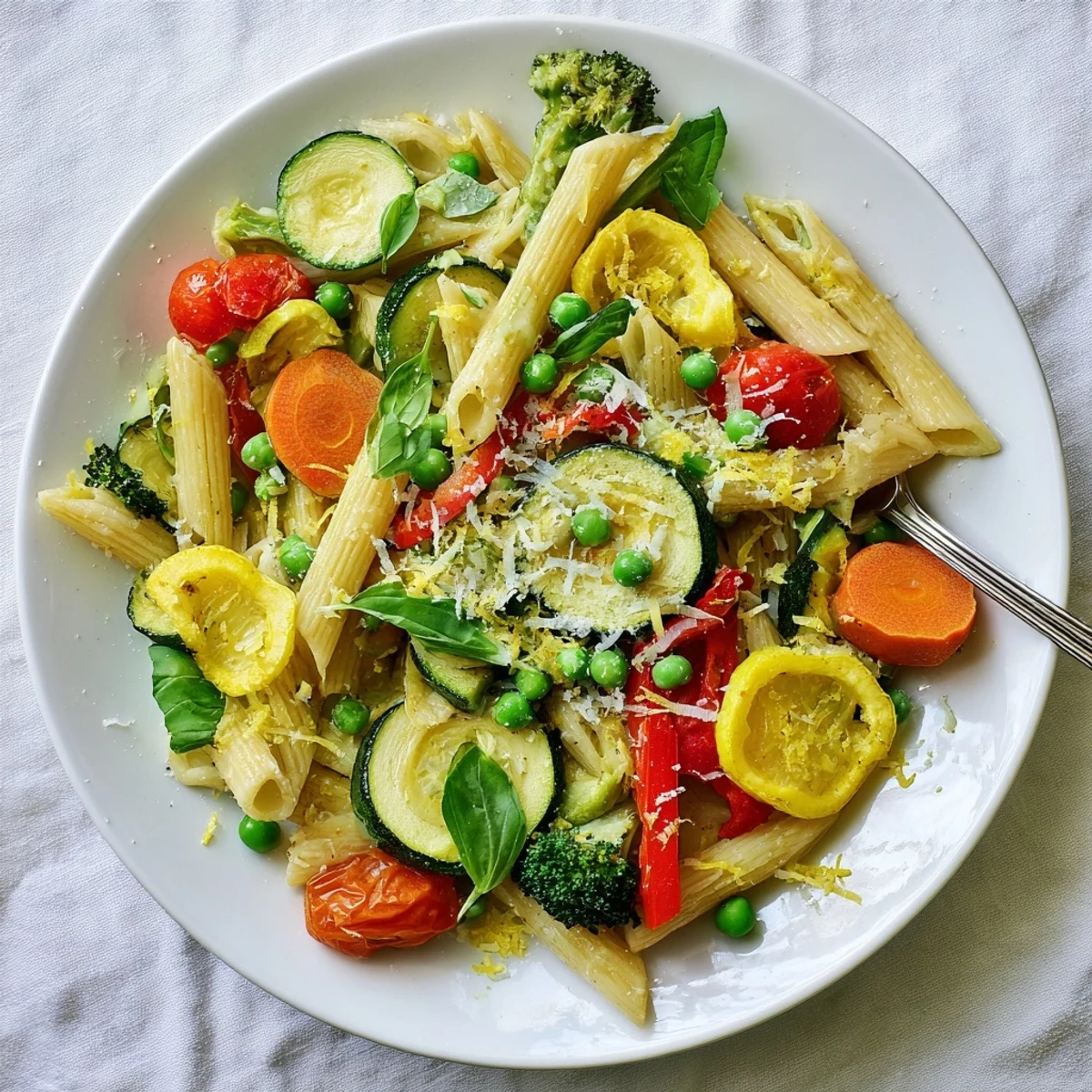
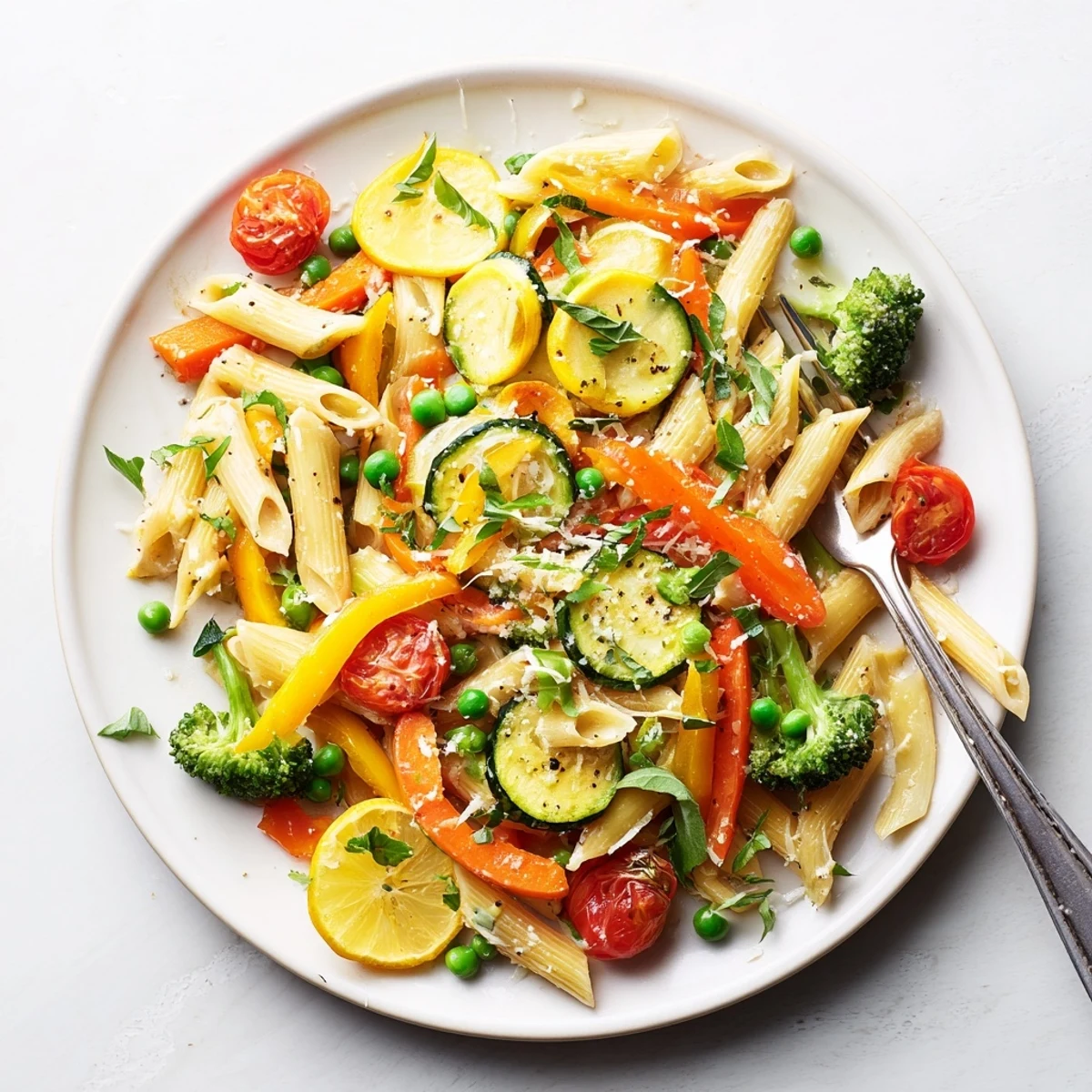
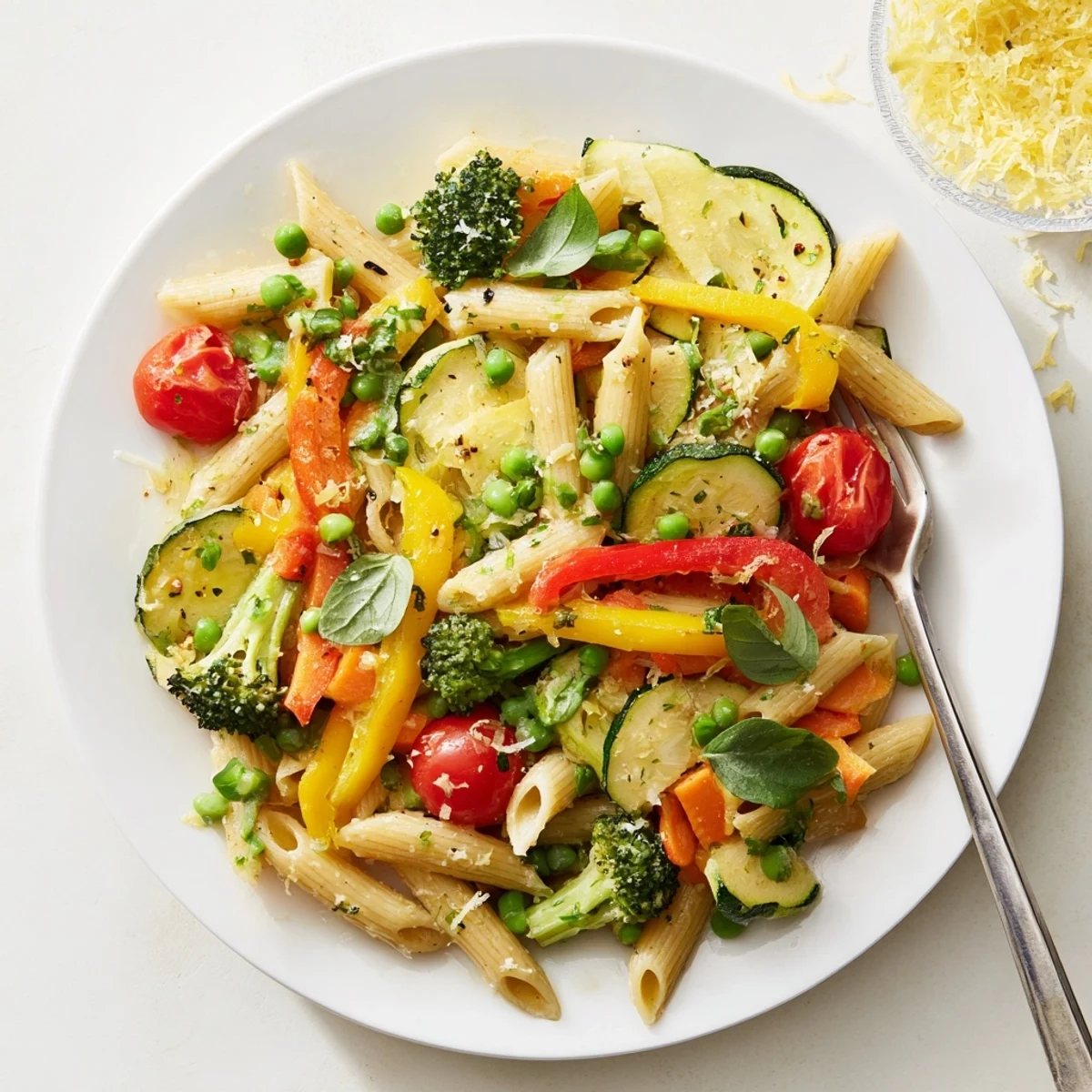
 This vibrant Italian dish combines al dente pasta with a colorful medley of fresh spring vegetables including zucchini, bell peppers, broccoli, and cherry tomatoes. The vegetables are lightly sautéed in olive oil with garlic, then tossed with hot pasta and finished with lemon zest, Parmesan cheese, and fresh basil for a bright, refreshing flavor. Ready in just 40 minutes, this versatile vegetarian main course adapts easily to whatever seasonal vegetables you have on hand and pairs beautifully with white wine.
The first time I made pasta primavera, I accidentally crowded every vegetable from my crisper drawer into one skillet. My roommate walked in, took one look at the colorful chaos, and asked if I was cleaning out the fridge before grocery day. That dinner turned into one of those happy mistakes that teaches you something unexpected about letting ingredients shine on their own.
Last spring, my sister was recovering from surgery and couldnt handle heavy meals. I brought over a massive bowl of this primavera, and she ate it for three straight days, sending me photos of each bowl with different lighting. Thats when I knew this pasta wasnt just pretty to look at it was the kind of food that actually makes people feel better.
Ingredients
- 350 g penne or fusilli pasta: The ridges catch the light sauce and vegetables perfectly
- 1 small zucchini, sliced into half-moons: Adds buttery texture and color contrast
- 1 small yellow squash, sliced into half-moons: Brings sweetness and bright yellow pops
- 1 red bell pepper, sliced into thin strips: Provides crunch and vibrant red color
- 1 cup broccoli florets: Holds up beautifully during cooking and adds bite
- 1 cup cherry tomatoes, halved: Burst with juiciness in every other bite
- 1/2 cup frozen peas, thawed: Add little pockets of sweetness throughout
- 2 cloves garlic, minced: The aromatic foundation that ties everything together
- 1 small carrot, julienned: Brings subtle sweetness and extra color
- 3 tbsp extra virgin olive oil: Creates the silky base that carries all the flavors
- 1/4 cup grated Parmesan cheese: Adds salty depth and umami richness
- 1/4 cup chopped fresh basil: Brings fresh peppery notes that brighten each bite
- Zest of 1 lemon: Essential for that bright, lively finish
- Juice of 1/2 lemon: Cuts through the olive oil and wakes up all the vegetables
- Salt and freshly ground black pepper: Season each layer as you go
- Pinch of red pepper flakes: Optional but adds a gentle warmth that lingers
Instructions
- Get your pasta water going first:
- Bring a large pot of salted water to boil and cook pasta until al dente, saving 1/2 cup of the starchy cooking water before draining
- Sauté the aromatics while pasta cooks:
- Heat olive oil in a large skillet over medium heat and add minced garlic, letting it sizzle for just 30 seconds until fragrant but not browned
- Start with the harder vegetables:
- Add carrot, bell pepper, and broccoli to the skillet, stirring frequently for 3 minutes until they start to soften
- Add the softer vegetables:
- Toss in zucchini, yellow squash, and peas, cooking for another 4 to 5 minutes until everything is tender but still vibrant
- Finish with tomatoes and lemon:
- Stir in cherry tomatoes, lemon zest, and lemon juice, cooking for 2 more minutes until tomatoes just start to break down
- Bring it all together:
- Add the drained pasta to the skillet and toss everything, adding reserved pasta water as needed to create a light clinging sauce
- Add the finishing touches:
- Remove from heat and stir in Parmesan cheese and fresh basil, seasoning with salt, pepper, and red pepper flakes
- Serve it up while hot:
- Plate immediately with extra Parmesan and fresh herbs on top
 Save to Pinterest
 My mom started making this for Sunday dinners when I moved into my first apartment. She said it was because vegetables were cheaper than meat, but really I think she just liked how colorful it looked on the table. Now whenever I make it, I call her and we argue over which vegetables count as primavera appropriate.
Choosing Your Vegetables
The beauty of primavera is its flexibility, but I have learned that some vegetables work better than others. Anything that turns to mush quickly, like spinach or delicate spring peas, should go in at the very last minute. Harder vegetables need that extra time to become tender without losing their crunch. Think about color contrast too, the prettiest bowls have at least three different colors represented.
Making It Yours
Sometimes I add a handful of arugula at the end for peppery bite, or crumble goat cheese on top instead of Parmesan when I want something tangier. In summer, fresh corn kernels cut from the cob add incredible sweetness. The pasta shape matters too, something with ridges or crevices catches the sauce and small vegetable pieces better than smooth spaghetti.
Perfecting the Timing
The biggest secret to restaurant quality primavera is timing everything so the pasta and vegetables finish cooking together. Start your water first, then prep all vegetables before you turn on any heat. I lay everything out on the cutting board in the order they go into the pan, so I am not scrambling while things cook. Once you have the rhythm down, this pasta comes together in the time it takes to boil water.
- Cut all vegetables into similar sizes so they cook evenly
- Have your lemon zested and juiced before you start cooking
- Keep the pasta water unless you are absolutely sure you will not need it
 Save to Pinterest
 This pasta somehow manages to feel indulgent while being essentially a giant bowl of vegetables. That is the kind of balance I am always searching for in the kitchen.
Recipe Questions & Answers
- → What vegetables work best in pasta primavera?
-
Spring vegetables like zucchini, yellow squash, bell peppers, broccoli, cherry tomatoes, and peas work beautifully. You can also add asparagus, snap peas, or carrots depending on the season and your preferences.
- → How do I prevent vegetables from becoming mushy?
-
Cook vegetables in stages, starting with harder ones like carrots and broccoli first. Add softer vegetables like zucchini and tomatoes later. Keep them crisp-tender by sautéing just until they're vibrant and slightly tender but still hold their shape.
- → Can I make pasta primavera ahead of time?
-
It's best served immediately while the pasta is hot and vegetables retain their texture. If reheating, add a splash of olive oil or pasta water to refresh the sauce and warm gently over low heat.
- → What type of pasta works best?
-
Penne and fusilli are excellent choices as their shapes hold the sauce and vegetables well. Other short pasta like farfalle, rotini, or macaroni also work. Use whole wheat or gluten-free varieties if preferred.
- → How can I add protein to make it more filling?
-
Grilled chicken, sautéed shrimp, or white beans complement the flavors beautifully. You can also stir in ricotta cheese or top with mozzarella during the final minutes of cooking for extra protein and richness.
