
 Save to Pinterest
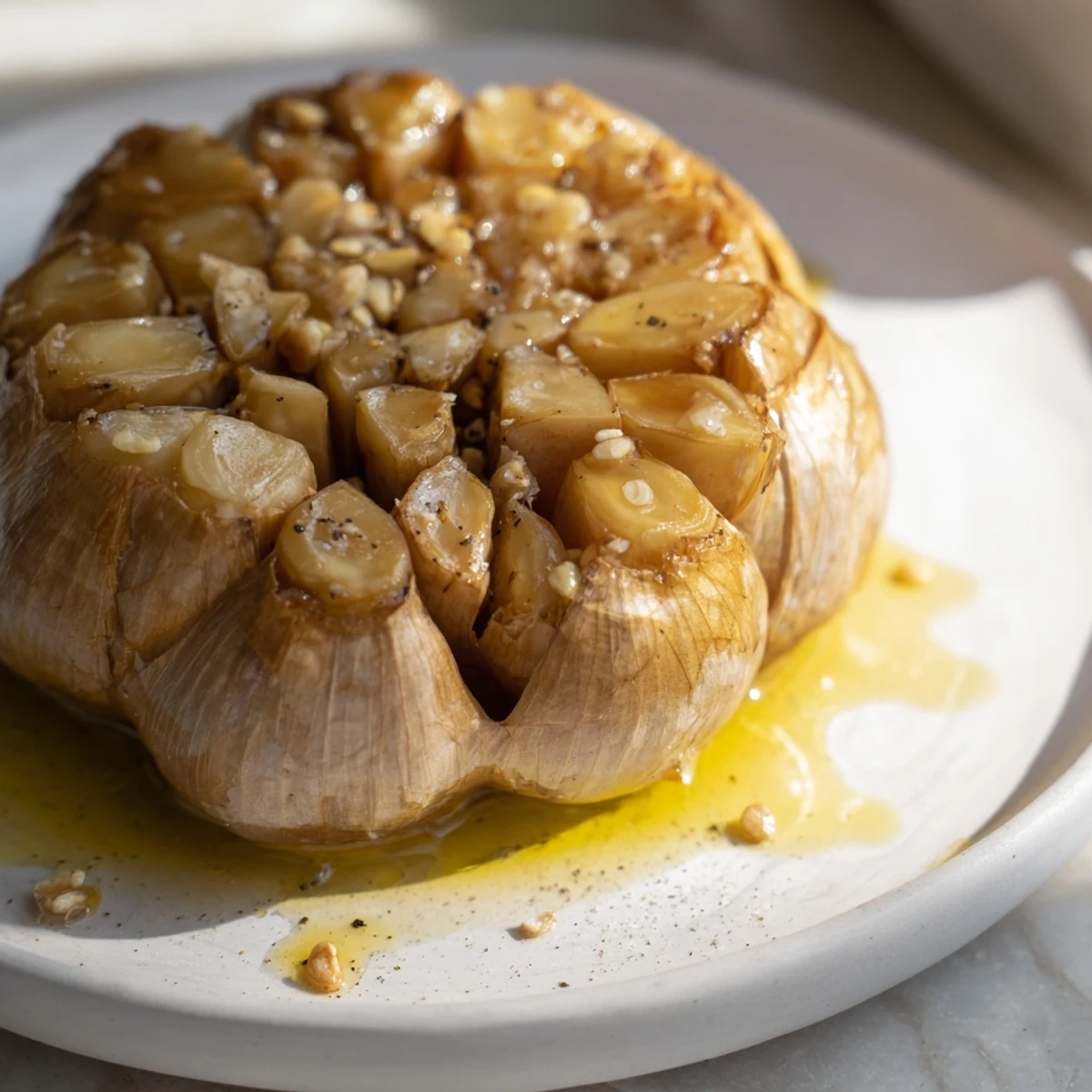
 Fresh garlic transforms when roasted, becoming soft with a sweet, mellow flavor perfect for many culinary uses. Begin by trimming and seasoning a whole garlic head, then roasting it wrapped in foil at 400°F for 35-40 minutes. Once cooled, the garlic can be squeezed out and spread on bread, stirred into sauces, or mixed into mashed potatoes. Roasted garlic adds depth and richness to dishes while being easy to prepare. It stores well refrigerated for up to a week and pairs beautifully with herbs like thyme or rosemary for enhanced aroma.
There's a moment in every cook's life when garlic stops being just a pungent kitchen staple and becomes something revelatory. Mine came on a rainy afternoon when a friend casually squeezed roasted garlic onto bread like it was butter, and I realized I'd been approaching this ingredient all wrong. That buttery, caramelized sweetness was nothing like the sharp bite I'd known my whole life, and suddenly roasting garlic became one of those simple kitchen tricks I couldn't stop doing.
I started making this regularly after discovering how much my pasta sauce deepened when I stirred in squeezed roasted garlic instead of the usual fresh minced cloves. My roommate walked into the kitchen one evening, caught that honeyed aroma wafting from the oven, and asked if I was baking something sweet. That's when I knew this had become something special in our little shared kitchen.
Ingredients
- 1 whole head fresh garlic: Look for heads that feel firm and heavy for their size, with cloves tightly packed. Avoid any that feel papery or have soft spots.
- 1 teaspoon olive oil: This carries the heat evenly and keeps the garlic from drying out during roasting.
- Pinch of salt: A little salt brings out the natural sweetness as the garlic softens.
- Pinch of freshly ground black pepper (optional): Add this if you want just a whisper of spice in the background.
Instructions
- Set your stage:
- Preheat your oven to 400°F (200°C) so it's ready the moment your garlic is prepped. This gives you a consistent roast.
- Prep the head:
- Peel away just the loose, papery outer layers of the garlic head, but leave the individual clove skins intact. They'll hold everything together and protect the delicate insides from drying out.
- Make the cut:
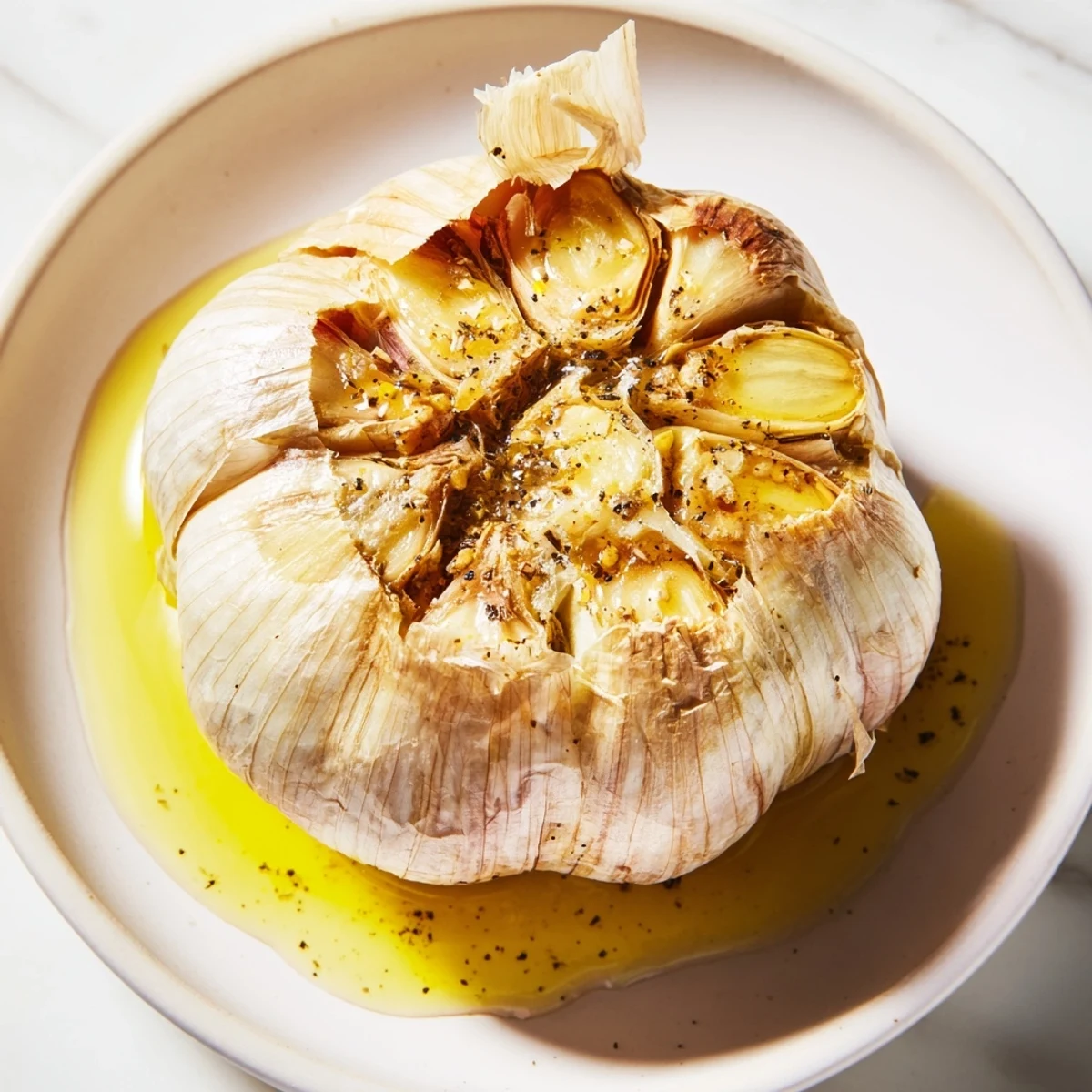
- Using a sharp knife, slice about 1/4 inch off the very top of the head to expose those little clove tops. You'll see the garlic centers peeking through, which is exactly what you want.
- Foil wrapping:
- Tear off a piece of aluminum foil, place your garlic head cut-side up in the center, and get ready to seal in all that goodness.
- Oil and season:
- Drizzle that teaspoon of olive oil generously over the exposed clove tops, letting it seep down between them. Sprinkle with salt and a tiny bit of pepper if you're using it.
- Wrap it up:
- Fold the foil around the garlic head so it's completely enclosed but the cut side stays facing up. This traps the steam and keeps everything moist while roasting.
- The roast:
- Place your foil packet on a baking sheet and slide it into the oven for 35 to 40 minutes. You'll know it's done when the cloves feel completely soft when you poke them and have turned a golden brown color.
- Cool and release:
- Let it sit for a few minutes after coming out of the oven, then simply squeeze each clove from the bottom and watch the soft garlic slide right out of its skin like magic.
 Save to Pinterest
 The first time someone took a clove of my roasted garlic and actually closed their eyes while tasting it, I understood why this humble ingredient had become something people get genuinely excited about. It was no longer just cooking, it was creating something that brought that moment of pure satisfaction.
How to Use Your Roasted Garlic
This isn't just a side ingredient, it's a flavor multiplier that works quietly in almost anything. Spread it on warm bread like butter, swirl it into creamy soups, or stir it into mashed potatoes for richness that tastes like comfort. I've mixed it into salad dressings, dolloped it onto roasted vegetables, and even stirred it into soft cheese for an impromptu dip that had people asking for the recipe.
Storage and Shelf Life
Once you've squeezed out the cloves, transfer them to an airtight container and they'll keep in your refrigerator for up to a week. If you want to store the whole roasted head before squeezing, wrap it tightly in foil and it'll keep just as long. I've also frozen roasted garlic cloves in olive oil in small containers, and they thaw beautifully when you need them.
A Few Things That Changed Everything
I learned early on that the quality of your starting garlic matters more than you'd think, and that a head with smaller cloves cooks a bit faster than one packed with huge ones. The kind of pan you use changes things too, a dark baking sheet helps the foil-wrapped garlic brown more evenly than a light-colored one. If you want to get adventurous, a sprig of fresh thyme or rosemary thrown in before wrapping adds a subtle herbaceous note that's absolutely worth exploring.
- Fresh is always better than old garlic stored in the pantry, so buy from places with good turnover.
- Let your oven fully preheat before roasting for the most consistent results.
- Squeeze the cloves while they're still warm, they slide out easier and taste better at that moment.
 Save to Pinterest
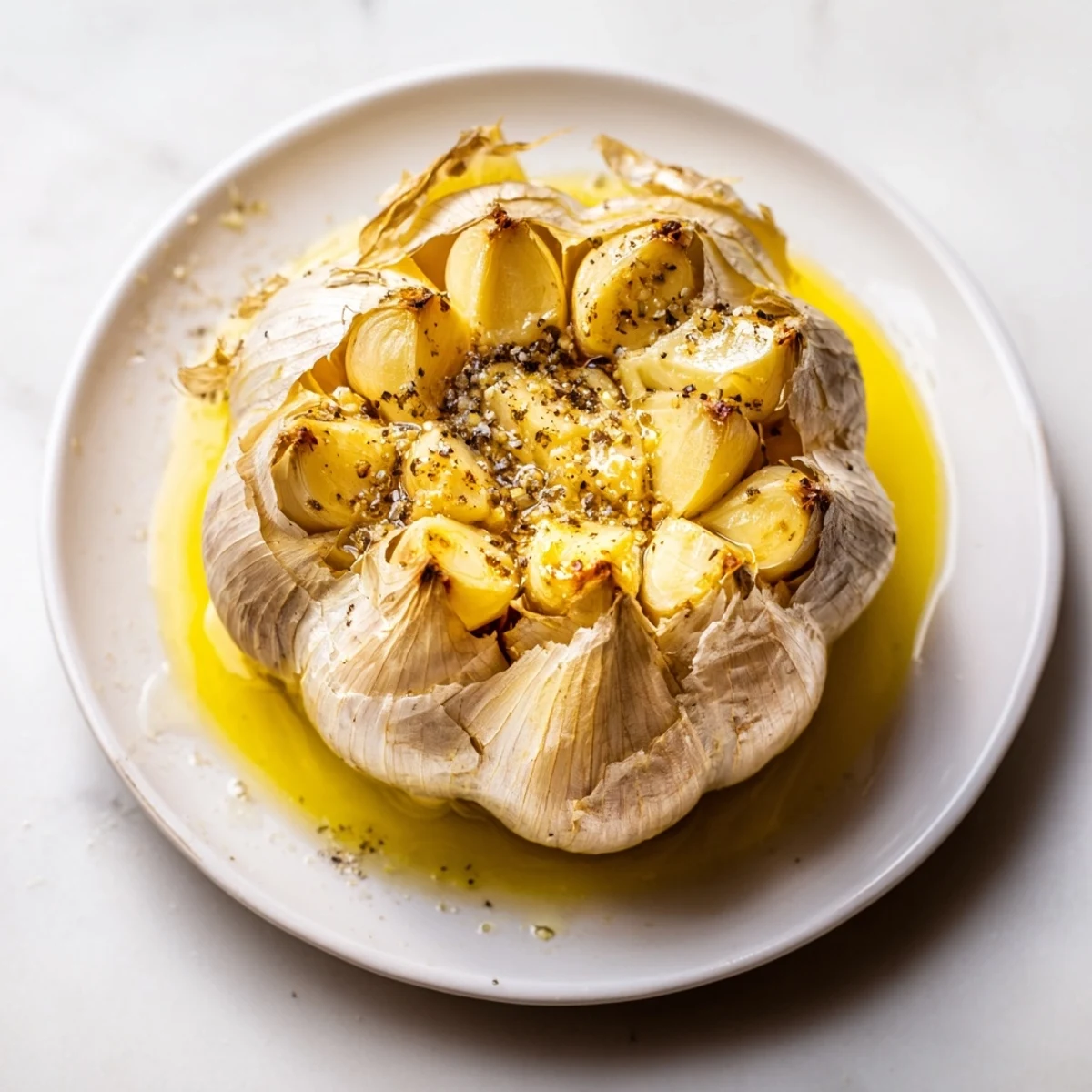
 Roasting garlic is proof that the simplest techniques sometimes create the most rewarding results, turning something bold into something gentle and sweet. Keep a head roasting in your oven whenever you need a quiet moment in the kitchen.
Recipe Questions & Answers
- → How do you prepare garlic before roasting?
-
Remove loose outer layers but keep individual clove skins intact. Slice off the top to expose cloves for even roasting.
- → What temperature and time are best for roasting garlic?
-
Roast at 400°F (200°C) for 35-40 minutes until cloves are soft and golden.
- → Can roasted garlic be stored? How long?
-
Yes, store in an airtight container in the refrigerator for up to one week to maintain flavor and freshness.
- → What dishes benefit from roasted garlic?
-
It enhances mashed potatoes, pasta sauces, spreads on bread, and salad dressings with a rich, mellow taste.
- → Are there optional ingredients to add during roasting?
-
Adding fresh thyme or rosemary before roasting can deepen the flavor and aroma.
