
 Save to Pinterest
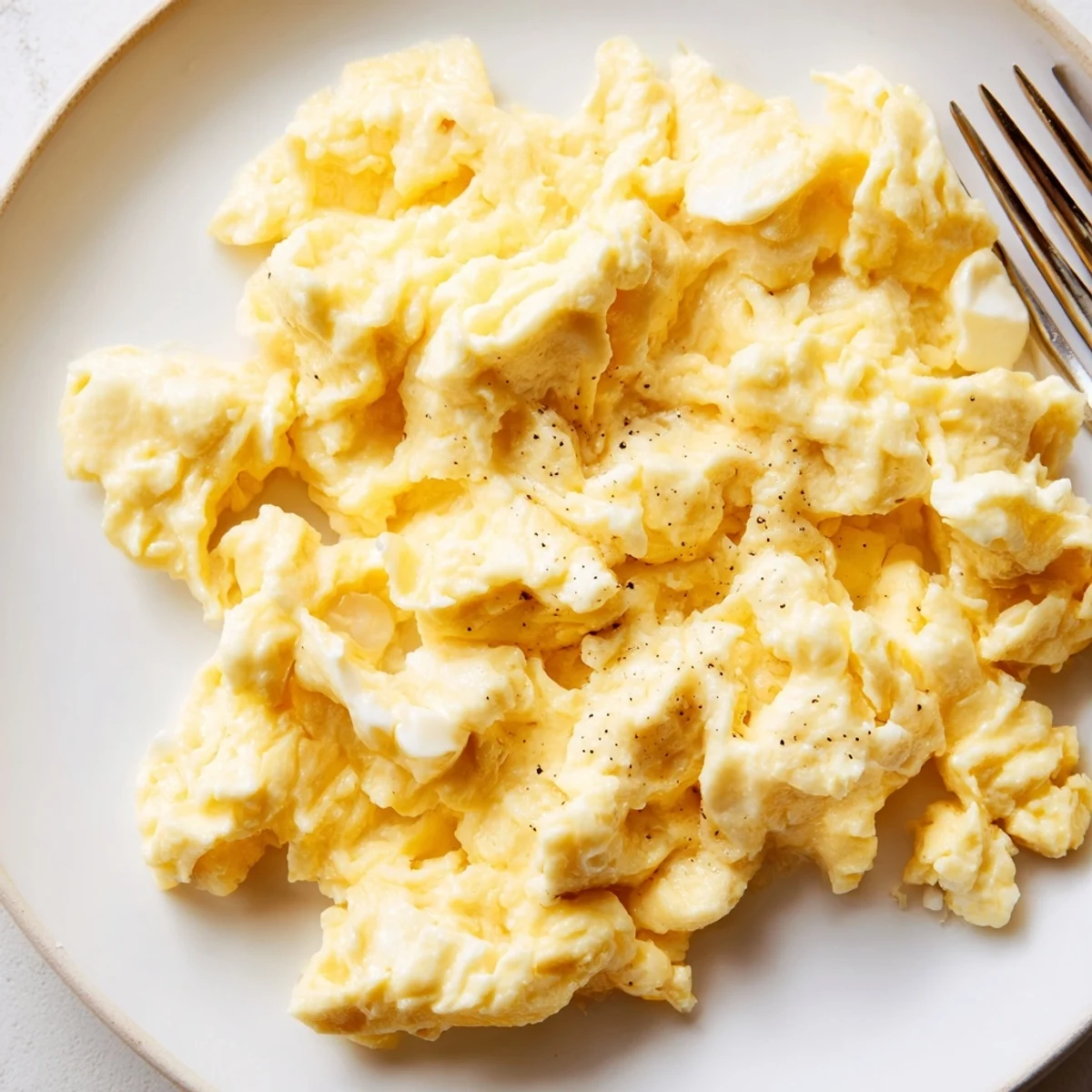
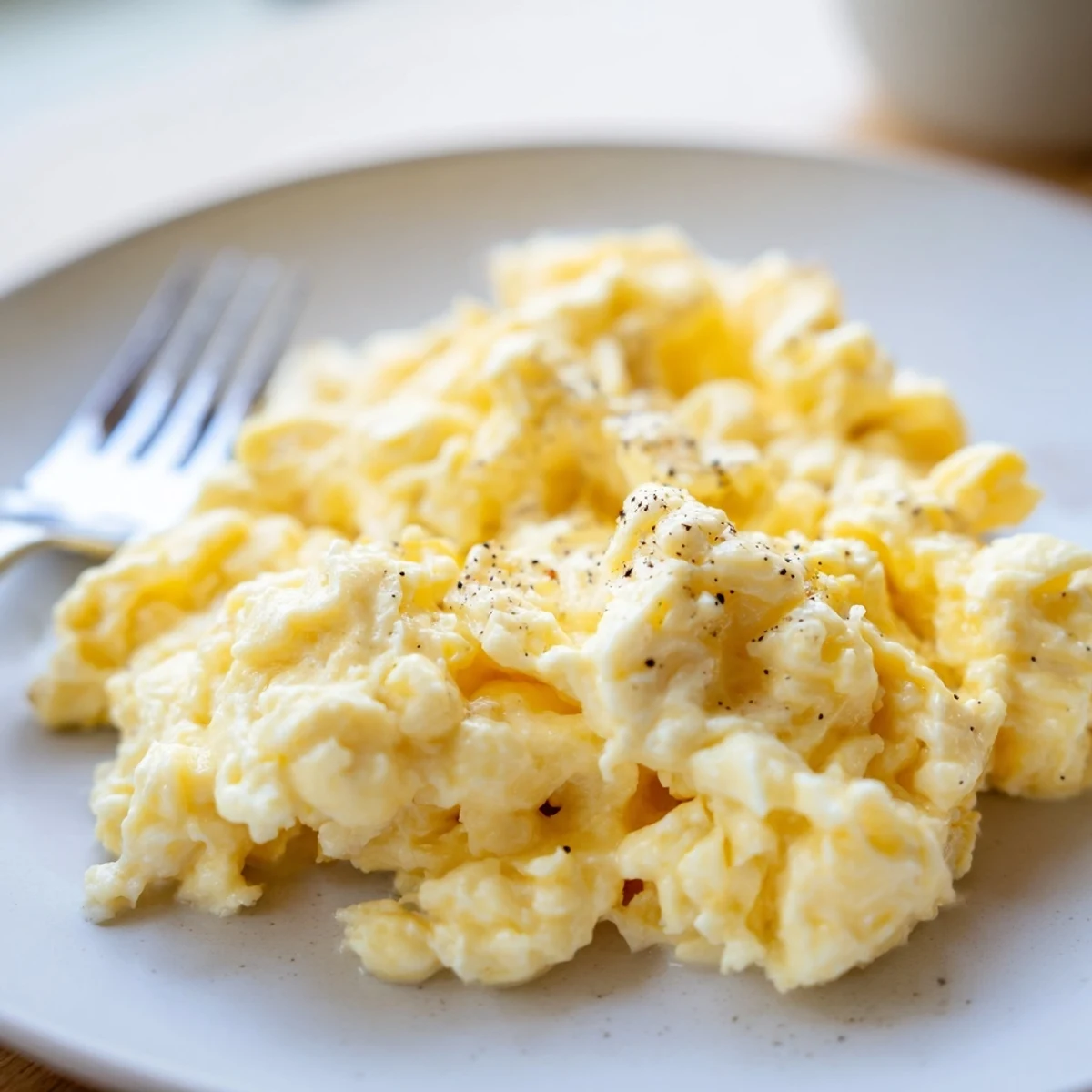
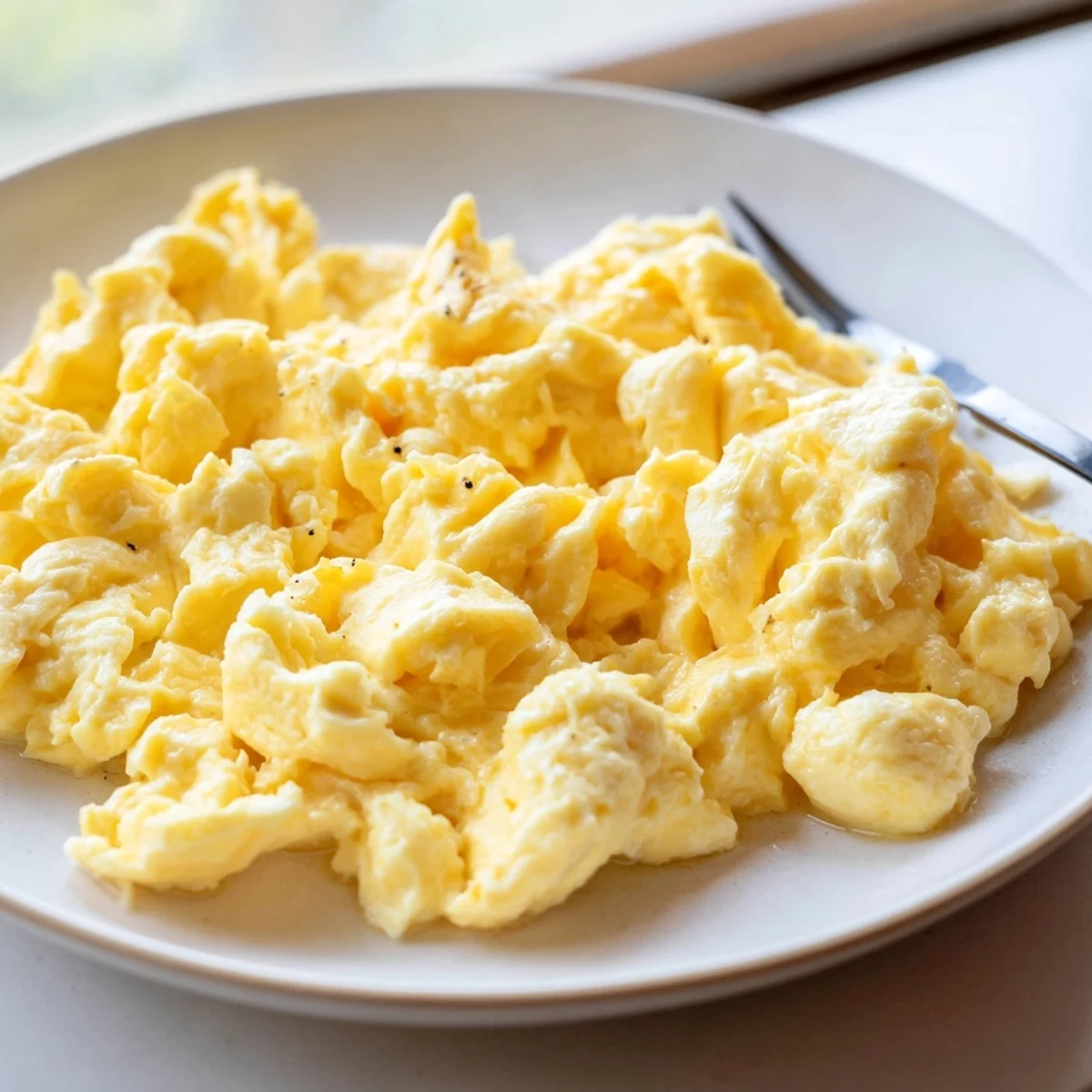
 These scrambled eggs deliver restaurant-quality results right at home. The secret lies in gentle cooking over medium-low heat and constant, careful stirring to create those signature soft curds. Adding milk or cream enriches the texture, while butter provides essential richness and prevents sticking.
The technique requires patience—resist the urge to crank up the heat. Slow cooking ensures the eggs remain creamy rather than dry or rubbery. Remove from heat while they still look slightly undercooked, as residual heat completes the process to perfection.
Customize with fresh herbs, grated cheese, or sautéed vegetables. Serve alongside buttered toast, sliced avocado, or smoked salmon for a complete, satisfying morning meal that works for any day of the week.
My grandmother used to say scrambled eggs were the truest test of a cook's patience. I learned this the hard way one morning when I was rushing to get breakfast on the table before an early flight. The eggs came out rubbery and sad, and she gently pointed out that good things can't be hurried in the kitchen. Now, every time I make them, I hear her voice reminding me to slow down.
Last winter, my partner was recovering from surgery and couldn't eat much. I made these eggs every single morning, watching the steam rise up from the bowl as I carried them into the bedroom. Something about the gentle creaminess and warmth felt like healing in food form. Now they're our comfort food go-to, no matter the time of day.
Ingredients
- 4 large eggs: Room temperature eggs whisk up better and incorporate more evenly for that fluffy texture
- 2 tbsp whole milk or cream: This creates those creamy curds and prevents the eggs from becoming tough as they cook
- 1 tbsp unsalted butter: Butter adds richness and helps create those soft folds as the eggs set
- 1/4 tsp salt: Enhances the natural flavor of the eggs without overwhelming them
- 1/8 tsp freshly ground black pepper: Adds a gentle warmth that balances the creamy dairy
Instructions
- Whisk everything together:
- Crack the eggs into a bowl and add the milk or cream along with the salt and pepper. Whisk until the mixture is well combined and slightly frothy on top.
- Get your pan ready:
- Heat the butter in a nonstick skillet over medium-low heat until it melts and starts gently bubbling around the edges.
- Add the eggs:
- Pour in the egg mixture and let it sit for just a few seconds until you see the edges beginning to set.
- Create soft curds:
- Use a spatula to gently push the eggs from the edges toward the center, forming soft folds as you go.
- Finish cooking:
- Continue cooking and gently stirring until the eggs are just set but still look creamy and slightly moist.
- Serve immediately:
- Remove from heat right away and serve warm while they're at their perfect texture.
 Save to Pinterest
 These scrambled eggs have become my Sunday morning ritual, even when I'm eating alone. There's something meditative about standing at the stove, watching the transformation happen in the pan, knowing that something so simple can bring such comfort.
Making Them Your Own
I've found that cream makes the eggs feel more luxurious and indulgent while milk keeps them lighter. Both work beautifully, but the choice depends on your mood and what you're serving alongside them.
Perfect Timing
The difference between perfect scrambled eggs and overcooked ones is maybe thirty seconds. I keep a plate warmed in the oven so I can slide the eggs out the moment they're done without any lingering carryover cooking.
Serving Suggestions
Sometimes the simplest dishes deserve the most thoughtful accompaniments. I love playing with different textures and flavors to round out the meal.
- Fresh chives or parsley add a bright pop of color and mild onion flavor
- A slice of crusty sourdough toasted until golden brown is perfect for soaking up any creamy bits
- Avocado slices on the side turn this into a complete and satisfying meal
 Save to Pinterest
 Perfect scrambled eggs aren't just breakfast—they're a reminder that some of the best things in life are the simple ones done with care and attention.
Recipe Questions & Answers
- → Why add milk or cream to scrambled eggs?
-
Dairy creates a richer, creamier texture and helps prevent the eggs from becoming rubbery. Cream yields the most luxurious result, while milk provides a lighter touch.
- → What's the ideal heat level for scrambling eggs?
-
Medium-low heat is perfect. Too high heat cooks the eggs unevenly, resulting in dry, rubbery sections. Low and slow ensures consistently creamy, tender curds throughout.
- → How do I know when scrambled eggs are done?
-
Remove from heat when the eggs look slightly wet and undercooked. They should be soft and creamy, not dry or firm. Residual heat will finish the cooking process as they rest.
- → Can I prepare these ahead of time?
-
Scrambled eggs are best enjoyed immediately. They lose their signature creamy texture when reheated. For meal prep, consider making egg muffins or a frittata instead.
- → What toppings work well with scrambled eggs?
-
Fresh chives, parsley, or dill add brightness. Grated cheddar, goat cheese, or fold in crumbled goat cheese brings creaminess. Sautéed mushrooms, spinach, or diced bell peppers add depth and nutrition.
- → Why do my scrambled eggs turn out watery?
-
Watery eggs usually mean undercooking or using too much liquid. Stick to ½ tablespoon dairy per egg and ensure the curds have set before removing from heat.
