
 Save to Pinterest
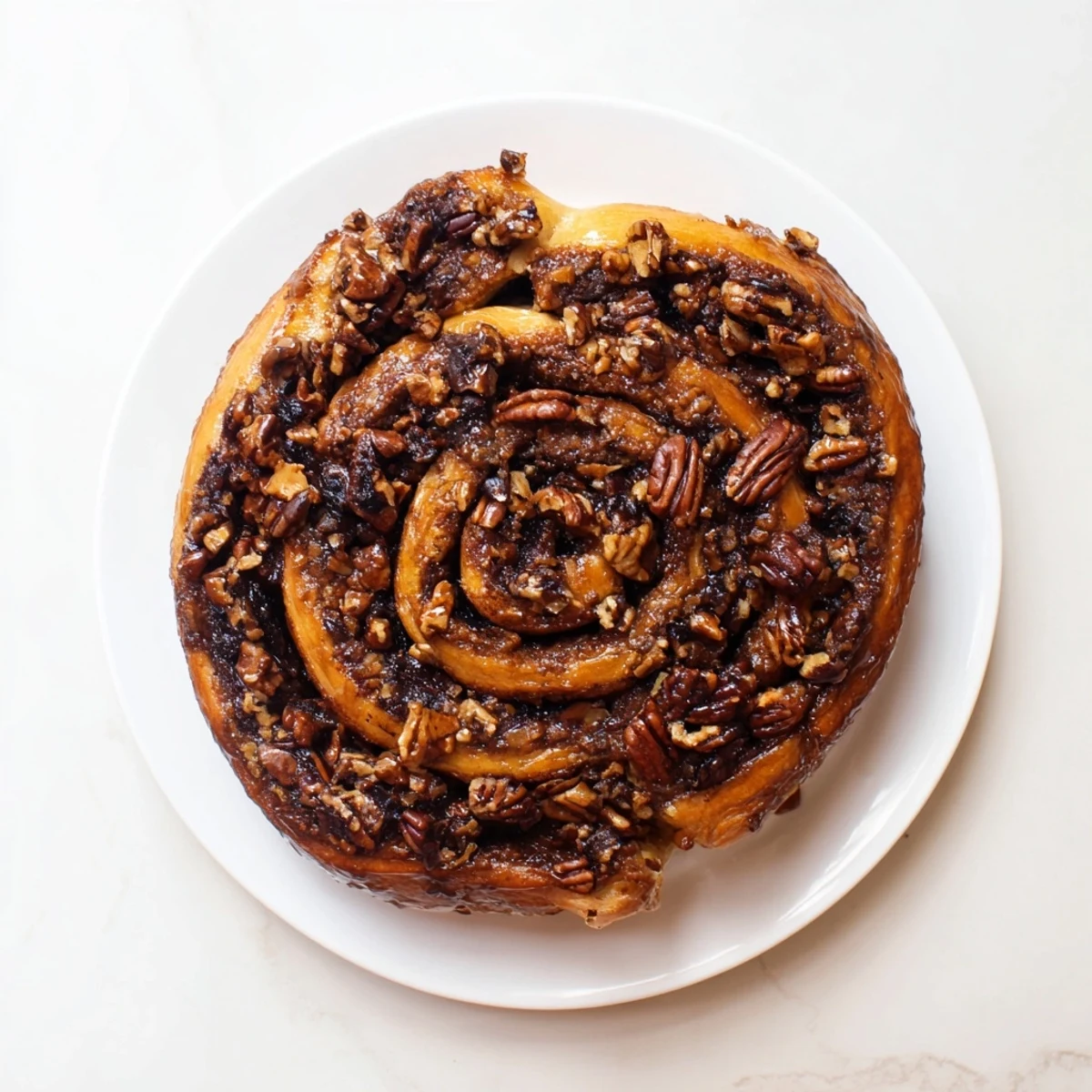
 These Vietnamese cinnamon date sticky buns feature an incredibly soft, pillowy dough that rises to perfection. The filling combines fragrant Vietnamese cinnamon - known for its intense, warm flavor - with naturally sweet Medjool dates and optional toasted nuts. What sets these apart is the luscious sticky glaze that caramelizes during baking, creating a gooey, sweet topping that coats each warm bun. The three-hour process includes two rising periods, ensuring the perfect texture. Perfect for weekend breakfasts or special occasions, these buns pair wonderfully with strong Vietnamese coffee.
The morning I first made Vietnamese cinnamon buns, my entire apartment smelled like a warm embrace. Vietnamese cinnamon has this distinctive, deep sweetness that regular cinnamon just cant match. I discovered it completely by accident at a specialty market and now I keep a small stash just for these special mornings.
Last winter, my sister came over during a snowstorm and we spent the entire afternoon waiting for these buns to rise. Theres something so cozy about watching dough transform while snow piles up outside the window. We ended up eating them standing at the counter, burning our fingers slightly because we couldnt wait another second.
Ingredients
- All-purpose flour: Creates the perfect structure for pillowy soft buns that still hold their shape
- Active dry yeast: Make sure your liquids are warm but not hot to wake up those tiny organisms properly
- Vietnamese cinnamon: Worth seeking out for its intense, almost sweet spiciness that regular cinnamon lacks
- Medjool dates: These soft, naturally sweet fruits melt into the filling creating pockets of caramel-like goodness
- Heavy cream: Essential for that rich, gooey glaze that transforms these into something extraordinary
Instructions
- Wake up the yeast:
- Combine warm milk, warm water and yeast in your mixer bowl letting it sit for about 5 minutes until you see a lovely foam on top
- Build the dough:
- Add sugar, eggs and melted butter mixing before gradually incorporating flour and salt until a soft dough forms then knead for 6 to 8 minutes
- First rise:
- Place dough in a greased bowl covering it to rise in a warm spot for 1 to 1.5 hours until doubled
- Make the magic glaze:
- Melt butter in a saucepan then stir in brown sugar, cream, honey and salt cooking until smooth and bubbling before pouring into your baking dish
- Prepare the filling:
- Mix brown sugar and Vietnamese cinnamon in a small bowl until evenly combined
- Roll and fill:
- Roll dough into a 16 by 12 inch rectangle spreading softened butter then sprinkling with cinnamon sugar and scattering chopped dates and nuts
- Form the buns:
- Roll dough tightly from the long side and cut into 12 equal slices using a sharp knife or unflavored dental floss
- Second rise:
- Place buns cut side up on the glaze covering to rise for 30 to 40 minutes until puffy
- Bake to golden perfection:
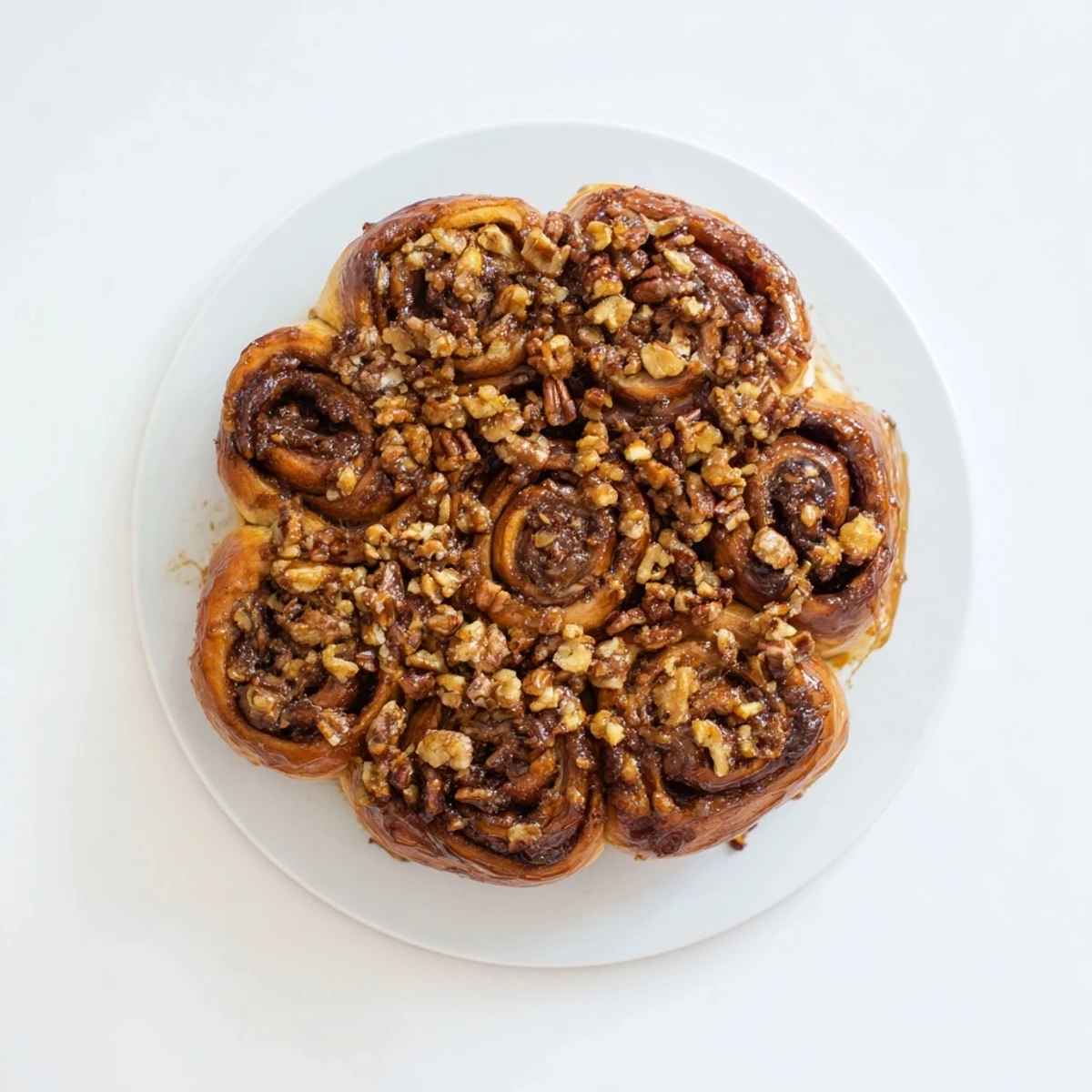
- Bake at 350°F for 25 to 30 minutes until golden brown then let rest 5 minutes before inverting onto a serving platter
 Save to Pinterest
 These buns have become my go to for new neighbors and housewarming gifts. Something about sharing freshly baked sticky buns breaks down walls faster than anything else Ive found. Last month, I made them for a friend going through a tough time and she said the simple act of eating something warm and handmade made everything feel a little more manageable.
Making Ahead
You can assemble these buns the night before, covering the pan tightly and refrigerating overnight. Let them come to room temperature for about an hour before baking. The extended cold rise actually develops even more flavor.
Freezing Instructions
Wrap baked and cooled buns individually in plastic wrap then foil. They freeze beautifully for up to 3 months. Thaw overnight then reheat gently in a 300°F oven for 10 minutes until warm throughout.
Serving Suggestions
A strong cup of Vietnamese coffee creates the perfect bitter contrast to all that sweet, sticky goodness. If you want to go all out, a scoop of vanilla ice cream melting into a warm bun is absolutely divine.
- Serve within 2 hours of baking for the ultimate texture experience
- Reheat leftovers in the microwave for 20 seconds to bring back that fresh from the oven feel
- These freeze exceptionally well if you somehow have leftovers
 Save to Pinterest
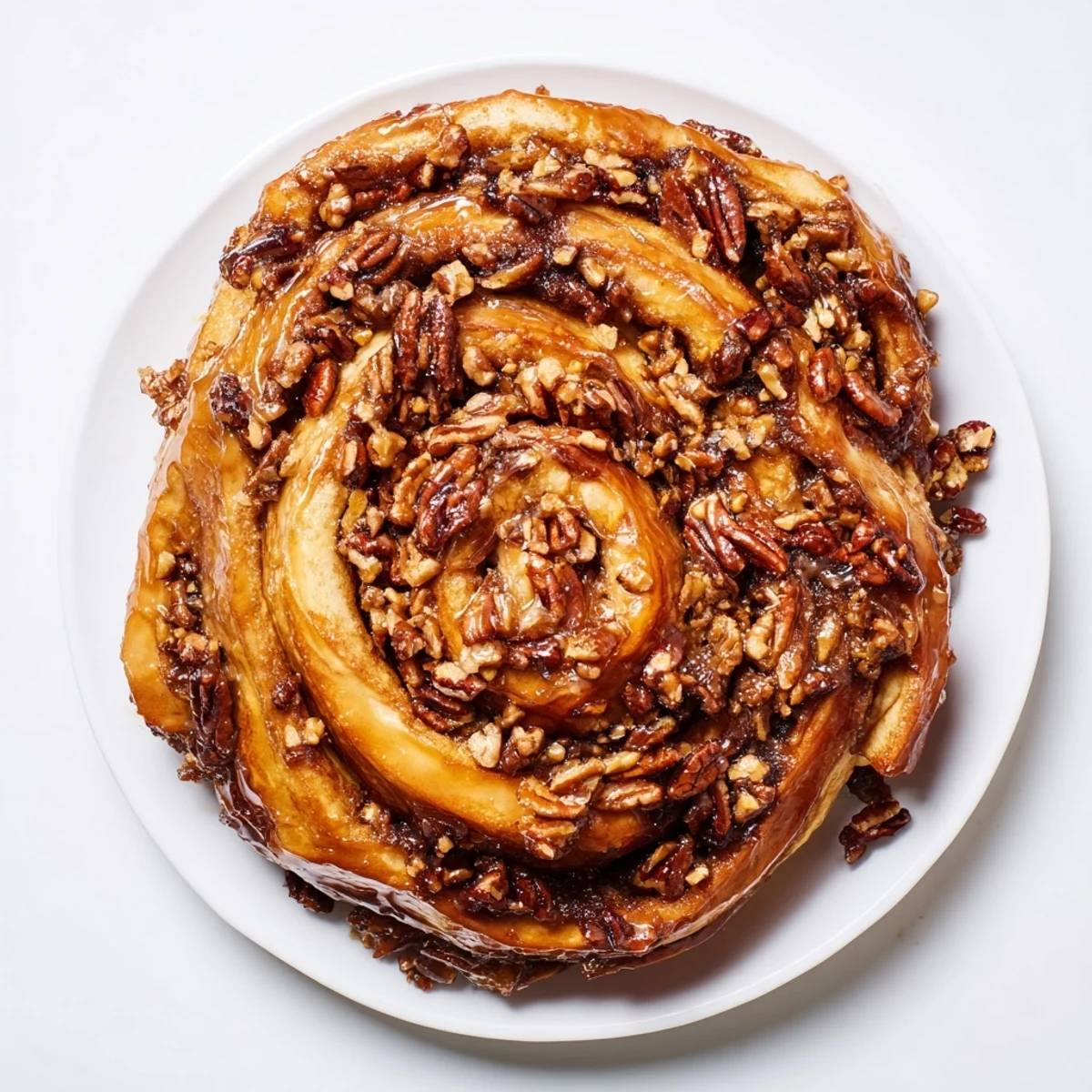
 Theres nothing quite like pulling these apart while still slightly warm and watching that glaze stretch between your fingers. Pure comfort in every single bite.
Recipe Questions & Answers
- → What makes Vietnamese cinnamon different from regular cinnamon?
-
Vietnamese cinnamon, also known as Saigon cinnamon, has a higher oil content and more intense, spicy-sweet flavor than common cassia cinnamon. It provides a deeper, more complex warmth that pairs beautifully with the natural sweetness of dates in these buns.
- → Can I prepare these buns the night before?
-
Yes, you can refrigerate the assembled buns after the second rise, covered tightly, for up to 12 hours. Let them come to room temperature for 30 minutes before baking, or bake them cold and add 5-10 minutes to the baking time.
- → Why do I need to invert the buns after baking?
-
Inverting the buns immediately after their brief rest ensures that all that delicious sticky glaze, which has caramelized in the bottom of the pan, coats the tops of the buns. This creates the signature sticky, sweet exterior that makes these irresistible.
- → Can I freeze these sticky buns?
-
You can freeze baked buns for up to 3 months. Wrap individually in plastic and foil, then thaw at room temperature and warm in a 350°F oven for 10 minutes. For best results, freeze before the second rise - thaw overnight in the refrigerator, let rise, then bake fresh.
- → What can I use instead of dates?
-
Dried figs, apricots, or even raisins work well as substitutes for Medjool dates. Keep in mind that dates provide a natural caramel-like sweetness and moist texture, so you may want to adjust the sweetness slightly if using other dried fruits.
- → How do I know when the dough has doubled in size?
-
Press two fingers gently into the dough about 1/2 inch deep. If the indentation remains, the dough has risen properly. You can also mark the bowl's edge with tape when you set the dough to rise - when it reaches above the mark, it's ready.
